

Just one or two successful individual concerts like "Brother Says Hi" and "Brother Overcomes a Thousand Thorns" cannot be called a performing arts industry.

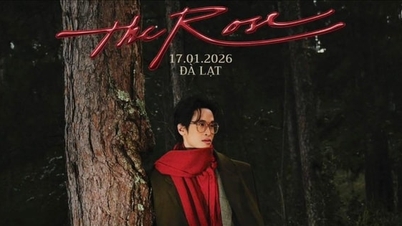
After 4 successful concerts, "Brother Says Hi" reveals upcoming concert 5 - Photo: Organizers
Director Viet Tu spoke with Tuoi Tre newspaper about a post-concert ecosystem for the "older brother" group, so that the Vietnamese performing arts industry can move forward steadily and go further.
Independent standards
* You once said that "Brother Says Hi" and "Brother Overcomes a Thousand Thorns" were the "leading lights" of the performing arts industry in Vietnam?
- No concert in Vietnam has previously had a similar long-term impact (half of 2024 and projected to continue into 2025). Their influence has impacted many aspects of life, generating impressive economic indicators.
Most importantly, they assert that investing in art also generates impressive financial results and a deep emotional connection to the brand that purely economic investments may not necessarily achieve.
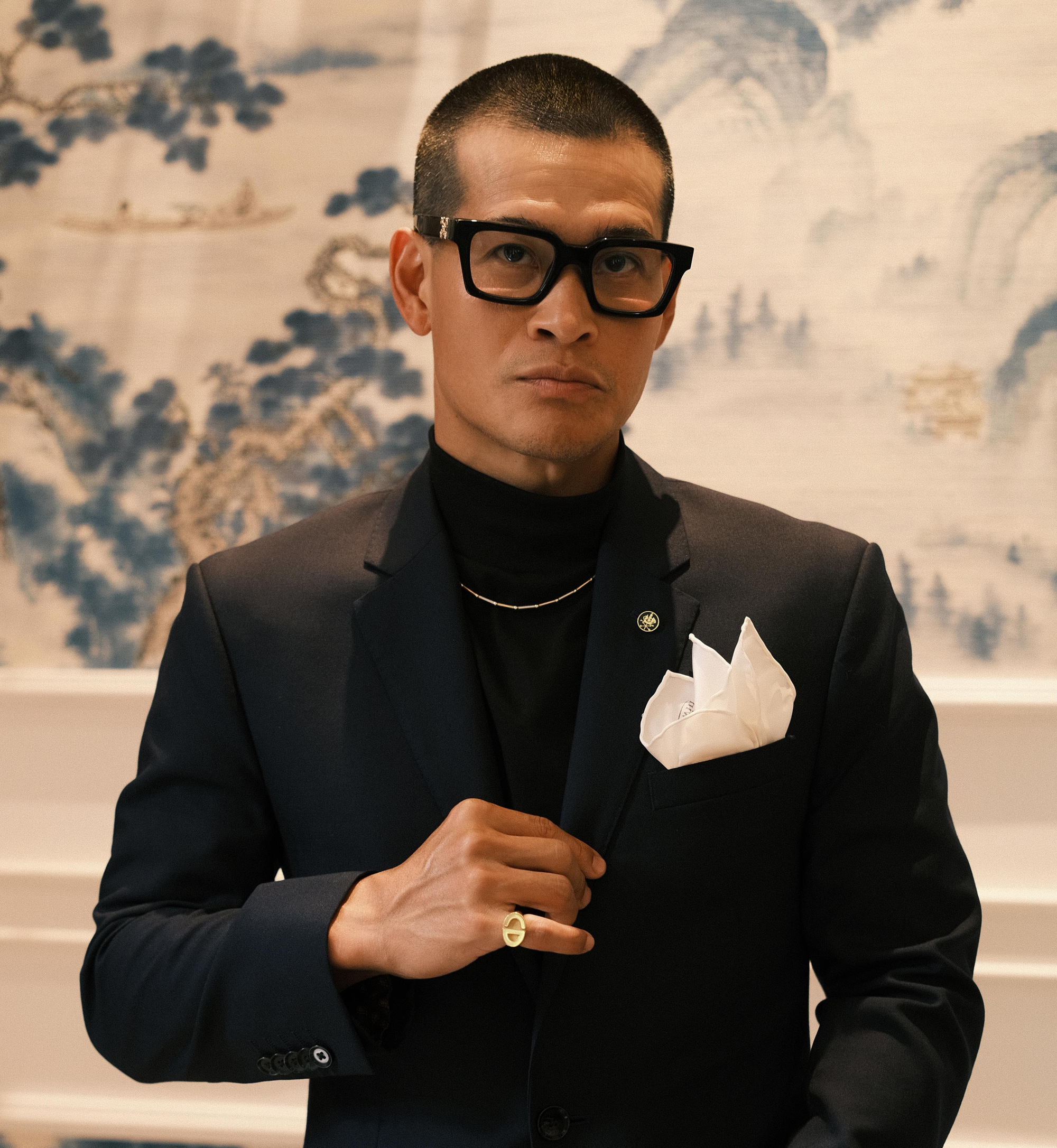
Director Viet Tu
* Looking at these events from a different perspective, what are your thoughts? Have we really had concerts that were close to international standards?
- Optimism is certainly there. Anything needs a pioneer, and my brother , who overcame countless obstacles, is in that position. But frankly, I think he's not yet.
This industry has clear standards that are independent of audience excitement.
From the smallest things like infrastructure (apart from the My Dinh National Stadium, which doesn't even meet standards, we still lack event spaces with basic infrastructure), equipment standards, and accompanying logistical conditions, to the quality of industry personnel and, most importantly, the market size and supporting industries.
A world-class event is not just about what's happening on stage; it's about what lies beneath the surface and behind the scenes, from the audience and artists' experiences to the operational systems.
* So, is the success of the two "brother" concerts a manifestation of isolated/momentary success, or the result of a gradual development of Vietnam's performing arts industry over many years?
- Both. It's not a single success because, besides these two programs, no other has achieved similar success and scale. But without the efforts made, this result wouldn't have been possible.
A partner in Thailand's leading entertainment industry agrees with me that if an entertainment industry relies solely on sponsors instead of standing independently through ticket sales, its ecosystem, and the accompanying sharing economy, it cannot truly be considered an industry.
Therefore, although the recent online profit statistics may seem like the result of a momentary hype, the reality is that they are, to a greater or lesser extent, real. They clearly have significant financial value.
However, whether these successes can be replicated sufficiently to create a new market, sustain optimistic indicators, and transform into a true industry remains to be seen.
We are on the right track, we can do it; but to truly reach international standards, besides dreams, we need effort and the shrewdness of professionals.
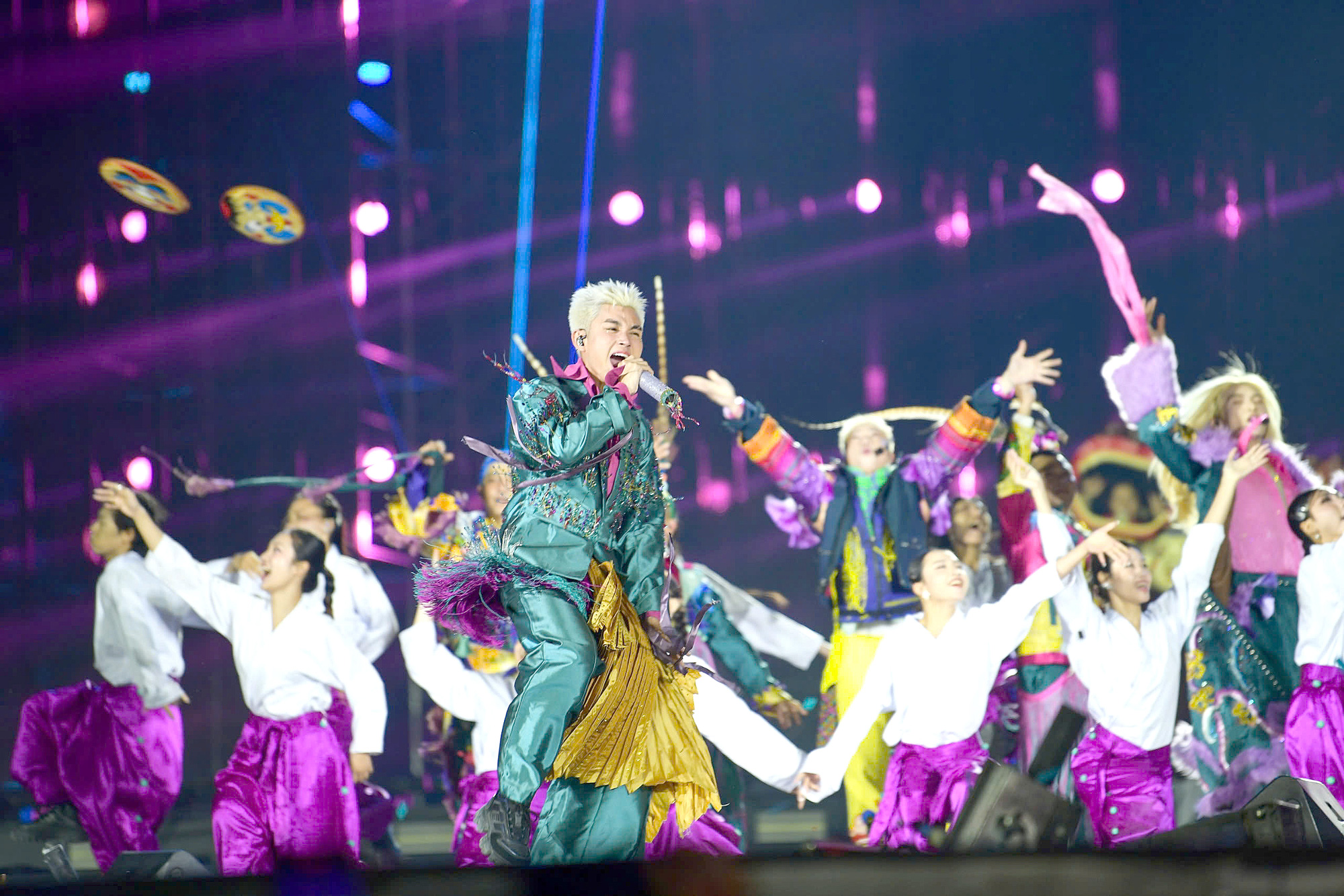
The brothers overcame countless obstacles and had a brilliant year - Photo: NAM TRAN
Every pioneering endeavor has its limitations.
* When you first started your career, what was the performing arts scene like in our country? Musician Huy Tuan used the word "primitive" (listening to music for free, using pirated CDs...), what about you? How has it changed after a few decades?
- We've been experiencing a long period of "reverse" development. Instead of relying on ticket sales and related ecosystems, we've been entirely dependent on sponsorships. There are events where sponsor names fill the backdrop but still lose money and lack the necessary funding to achieve the required quality.
The market has been developing in reverse until now. The majority of artists make a living from performance fees at events, rather than from touring or royalties.
The only positive point is that there are now artists who are making a good living thanks to advertising and other commercial opportunities.
It is only now that we are seeing optimistic signs through these two programs that the whole society is talking about.
* But what weaknesses does the success of "Brother Says Hi, Brother Overcomes Thousands of Obstacles" reveal if Vietnam wants to boost this industry?
- Any pioneering endeavor has its limitations. We are lacking the most significant resource: fundamentally trained personnel with practical experience to improve the quality of our workforce.
Most people still learn through trial and error (I did the same at first, until I realized the importance and went to study art business in the US).
To develop a truly thriving industry, we will need substantial investment in systematic training, practical experience, and direct involvement from leading experts in the international cultural industry, as well as human resources from all other supporting industries.
So, in your opinion, what is the biggest challenge currently facing the performing arts/cultural industry?
- This represents an absolute dependence on funding, instead of independently creating a profitable sharing economy. The censorship mechanism, as the Prime Minister described it, is characterized by "if you can't manage it, ban it," or "censorship based on personal feelings and lack of understanding, not on safety, but without accountability for the product's outcome."
Increasing taxes on the arts would only stifle and slow down the growth of an industry that we are so eager to accelerate.
"The Prime Minister's directives are very relevant to the current situation."
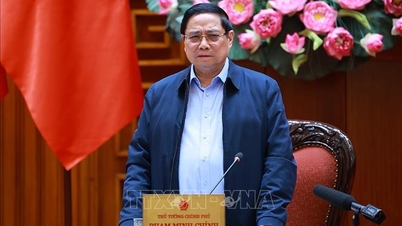
* Prime Minister Pham Minh Chinh's statement that "we must replicate concerts like 'Brother Says Hi' and 'Brother Overcomes a Thousand Thorns'" is going viral. He also emphasized that this success comes from the Vietnamese people. How do you assess this endogenous resource? - This is a great encouragement when cultural events belonging to the private sector are recognized in this way. It shows a fundamental change in the government's approach to realizing the cultural industry.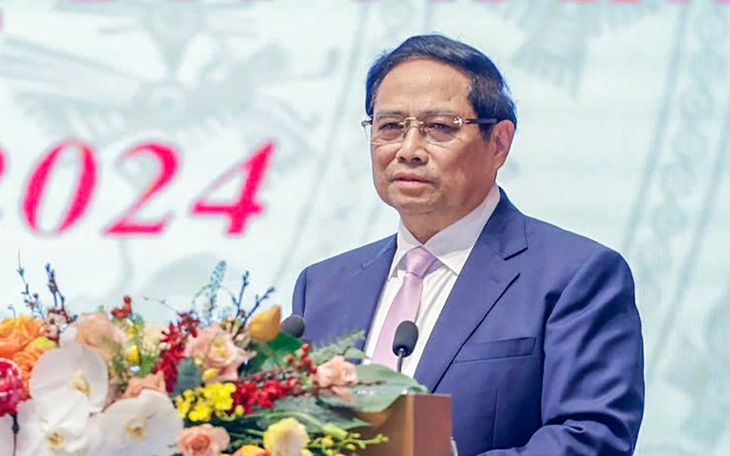
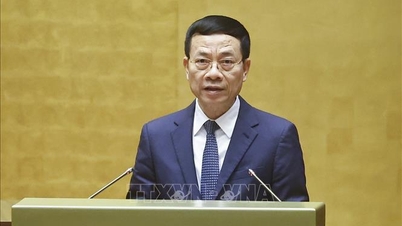
Prime Minister Pham Minh Chinh - Photo: Chinhphu.vn
Tuoitre.vn
Source: https://tuoitre.vn/dao-dien-viet-tu-co-3-viec-can-lam-ngay-de-vuon-den-nen-cong-nghiep-giai-tri-2024122222385341.htm#content-1















































































Comment (0)