

And perhaps nowhere is that spirit more clearly, contemplatively, and captivatingly present than in the stretch of river flowing under the legendary Bridge 14 – which now marks the border between Dak Lak and Lam Dong provinces.
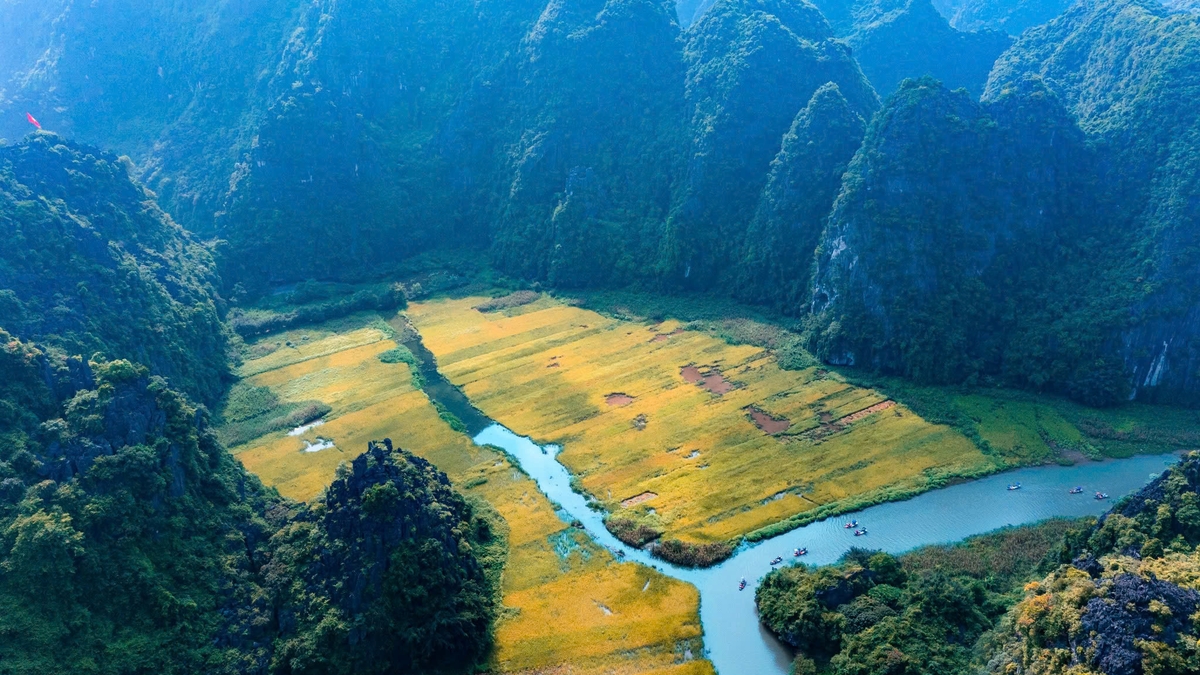
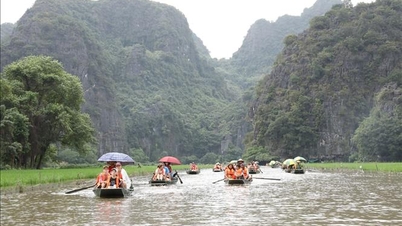
Each season, the Serepok River dons a different, emotionally charged attire. In the dry season, when golden sunlight bathes the vast forests, the river's water is a clear, emerald green, calm like a giant mirror, reflecting the high sky and the sparse trees along its banks. The chirping of birds and the sound of oars from small boats slowly drifting by create a strangely peaceful scene. But when the Central Highlands rains pour down, the Serepok transforms into a ferocious river monster. The river's water, murky with heavy red silt, surges and roars as if wanting to devour everything. On both banks, ancient trees lean precariously, clinging to Mother Earth, creating a scene that is both majestic and challenging, a pristine beauty that is nonetheless harsh.
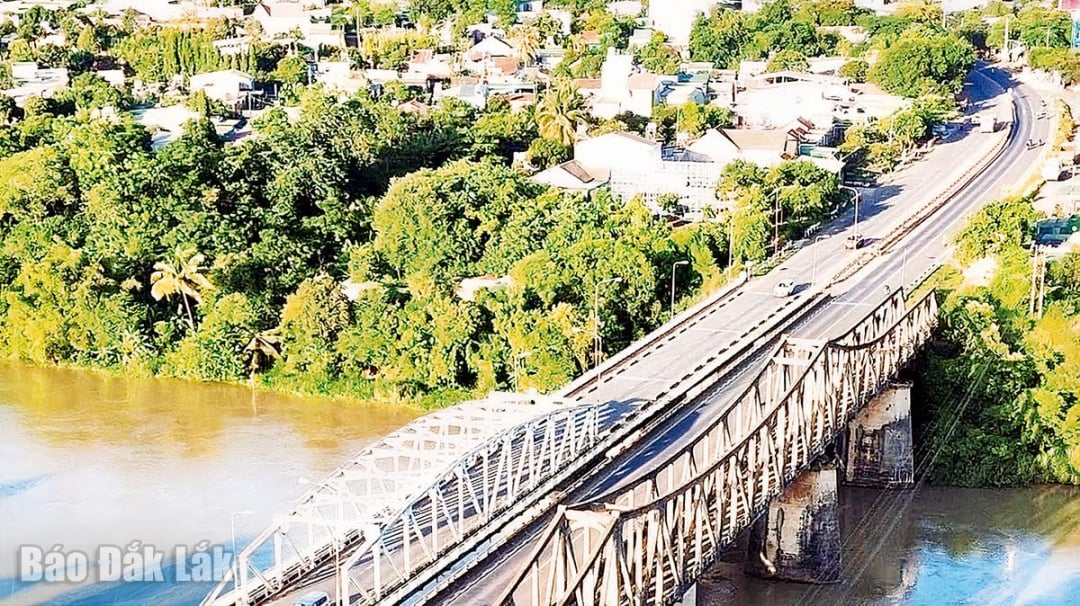 |
| The new Serepok Bridge during the high water season. |
Millions of rivers around the world flow into the East Sea, but the Sererok River chooses a path that flows against the current, a testament to the unique character of the Central Highlands. This characteristic is not merely a geographical phenomenon, but also a metaphor for the flow of time and history. Beneath the three majestic bridges, the water continues to surge, telling the story of fierce floods, devastating droughts, and countless lives intertwined with and dependent on its very breath.
The first Serepok Bridge, now covered in moss after nearly a century, stands contemplatively like a wise old philosopher, silently witnessing change. It no longer bears the weight of heavy vehicles or bustling crowds, but carries a more sacred value: a witness to history. Every crack on the bridge's surface, every rough stone, seems to tell of fierce battles, silent sacrifices, and a time of hardship yet heroism for the nation.
But life never stops flowing. Parallel to the old bridge are two modern bridges, where a constant stream of people and vehicles flows back and forth, carrying heavy loads connecting the two banks, bringing together the economic and cultural breaths of Lam Dong and Dak Lak in a harmonious blend of love. This bustling pace creates an interesting contrast with the tranquil appearance of the old bridge and the wildness of the river, a testament to the continuous development of this land.
The Serepok River, crossing Bridge 14, is not only a geographical border but also an invisible boundary between destinies. The river and the bridge have witnessed unexpected tragedies, where fateful journeys ended heartbreakingly, leaving only endless regret for those who remained...
The Serepok River is also a witness to countless beautiful love stories. Under the golden twilight casting its light on the river's surface, many couples have sworn eternal love, entrusting their love to the reverse flow of time. Romantic wedding photos and memorable moments preserved here are not just images, but also evidence of faith and hope for a bright future. And along both banks, under the shade of trees, simple eateries and tea stalls spring up, with makeshift but warm shelters, where local people make a living, earning their livelihood from the very flow of life and the vital waterway. The fragrant aroma of coffee mingles in the wind, the lively laughter and chatter, the sounds of passing vehicles—all create a vibrant picture of the connection between people and the river.
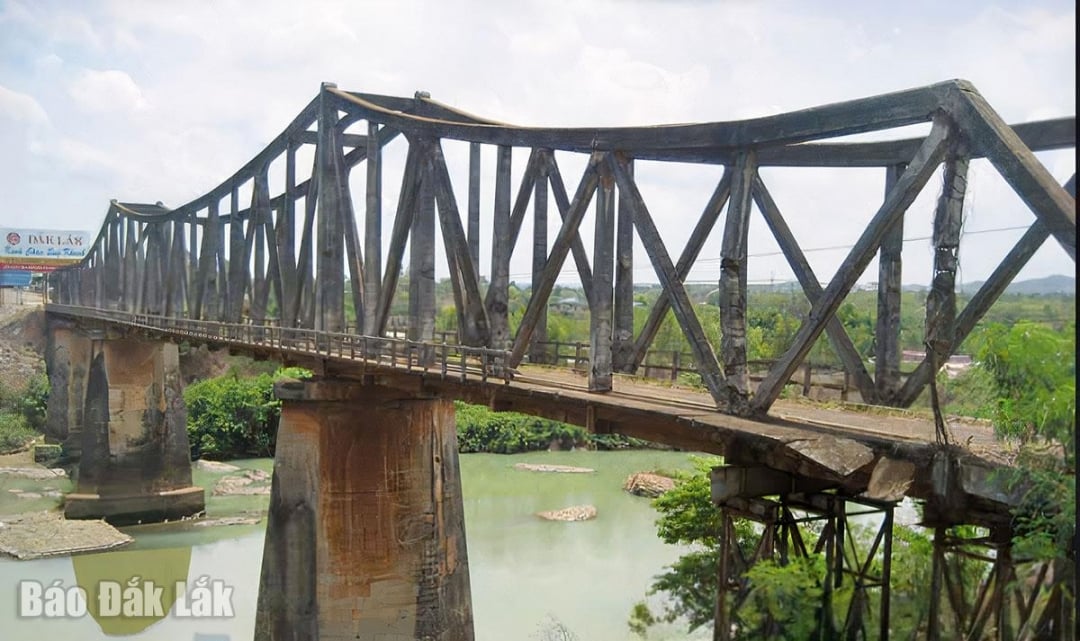 |
| The old Serepok Bridge now stands as a witness to history. |
Even more serene is the image of fishermen patiently sitting by the riverbank every afternoon, quietly casting their lines. They are not just looking for fish, but for peace and tranquility of mind. The river flowing against the current washes away their worries, leaving them with a feeling of relaxation and harmony with nature...
Source: https://baodaklak.vn/xa-hoi/202510/dong-serepok-ke-chuyen-7fb1cb3/




































































Comment (0)