

Finished ahead of schedule.
The People's Committee of Hai Phong City has summarized the program to eliminate temporary and dilapidated houses in the city after its merger with Hai Duong province. In the former Hai Duong area, the program to eliminate temporary and dilapidated houses was implemented from October 2024 and completed by mid-2025, 5 days ahead of the set target and 2 months ahead of the government's target.
In the former Hai Duong area, the government implemented policies to build or repair houses for 1,452 households. This included 855 families of revolutionary heroes and relatives of martyrs (318 households building new houses, 536 households repairing houses); and 598 poor and near-poor households (373 households building new houses and 225 households repairing houses).
The average support level is 100 million VND per newly built house and 50 million VND per house for repairs. The total resources for implementation amount to nearly 327.3 billion VND. Of this, 28 billion VND is from the central government; over 79 billion VND comes from local budgets, "gratitude and repayment" funds, and "for the poor" funds. The remaining approximately 220 billion VND is mobilized from families, clans, and other sources of support.
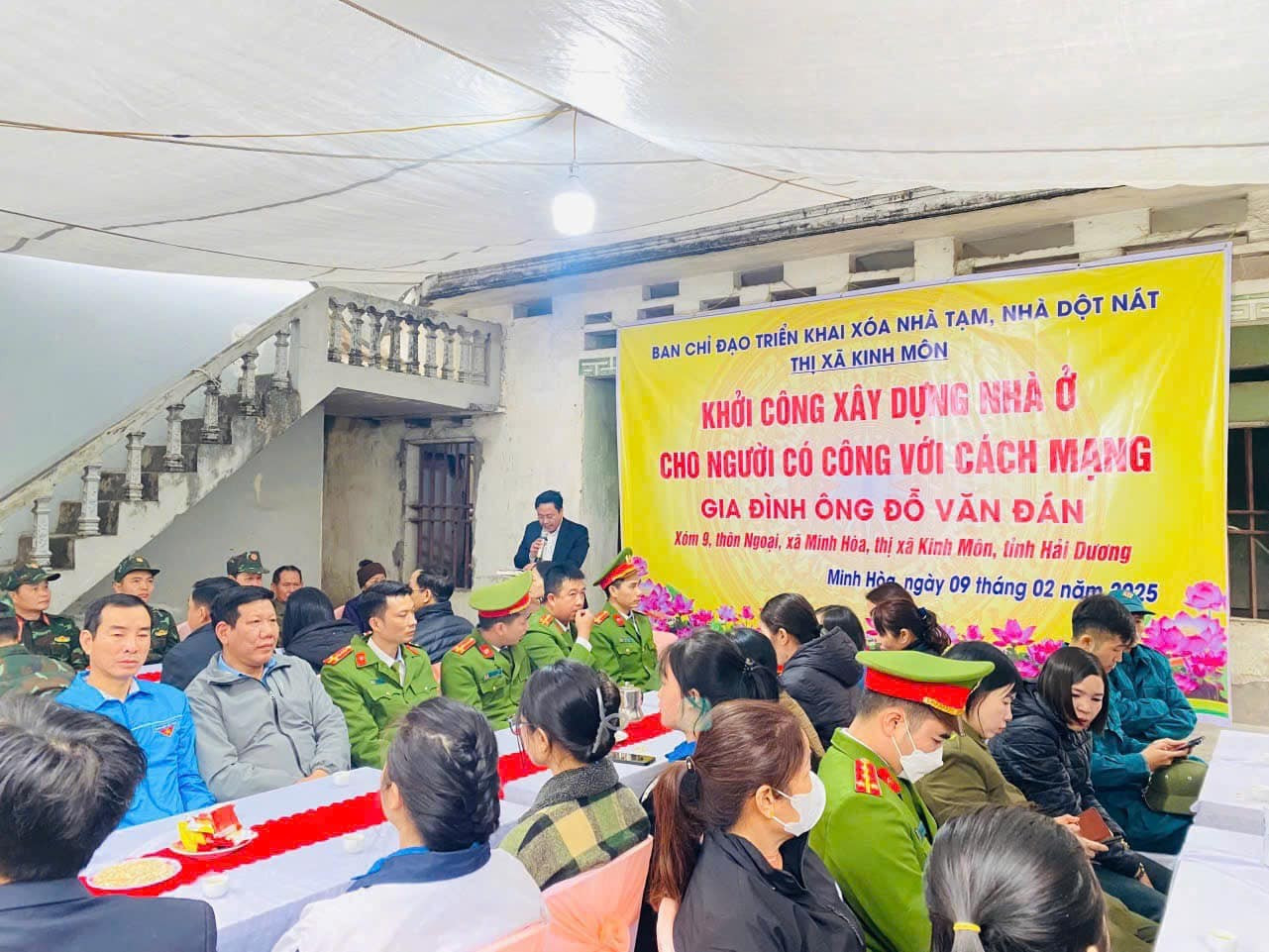
Local inter-agency efforts mobilized nearly 35,500 man-days of labor, primarily from women's associations, youth unions, police and military forces, and families, clans, and local communities.
In the former Hai Phong area, there are no temporary or dilapidated houses, and housing support for people with meritorious service will be completed by the end of July 2025. The support level for new house construction is approximately 90 million VND/household and for house repairs is approximately 45 million VND/household.
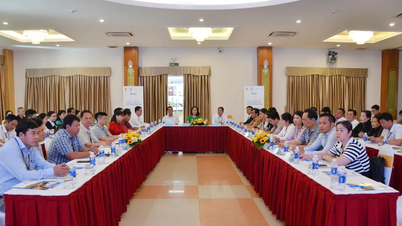
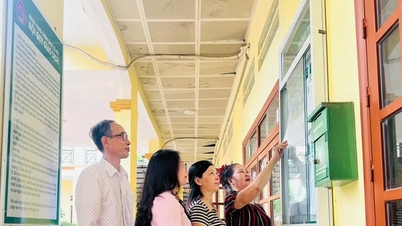
According to a representative from the Hai Phong Department of Construction, the program publicly outlines the criteria and conditions for support, clearly defines objectives and principles, and assigns specific tasks to each agency and unit.
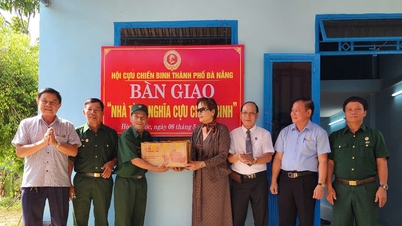
Local authorities held a groundbreaking ceremony for 36 new houses for families of revolutionary heroes and martyrs in the area, with the participation and support of a large number of military and police forces, youth union members, women's union members, and local political and social organizations.
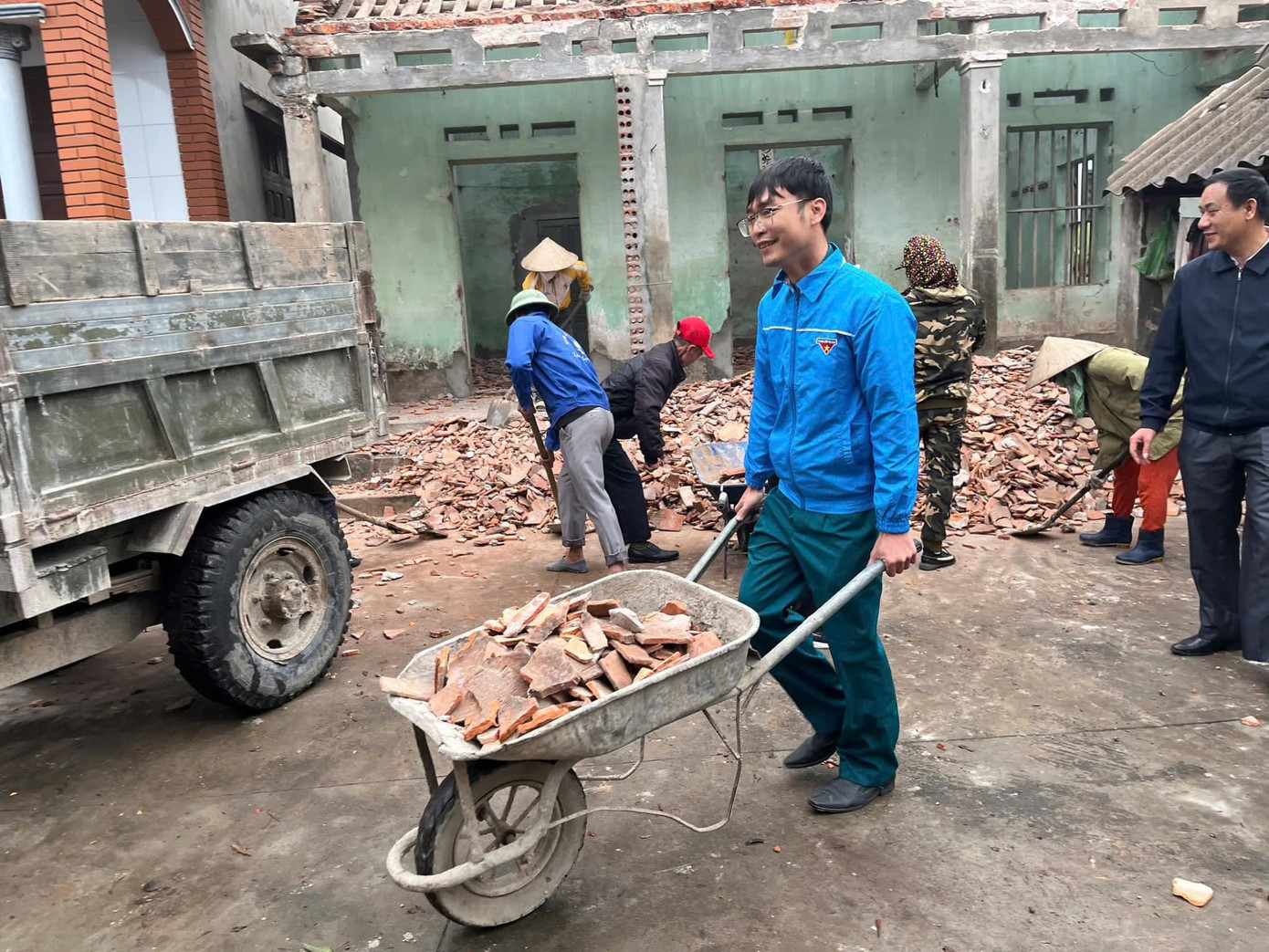
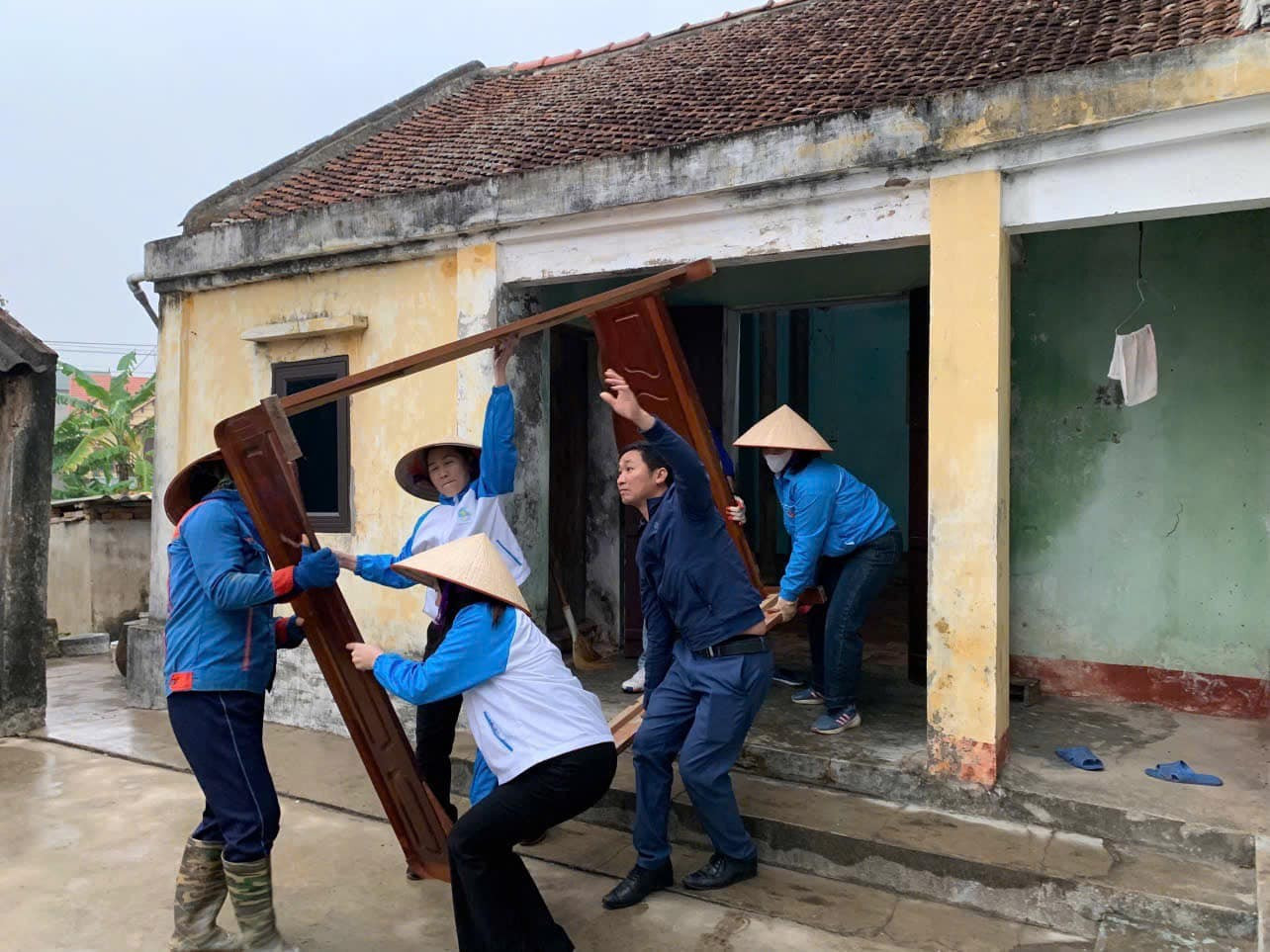
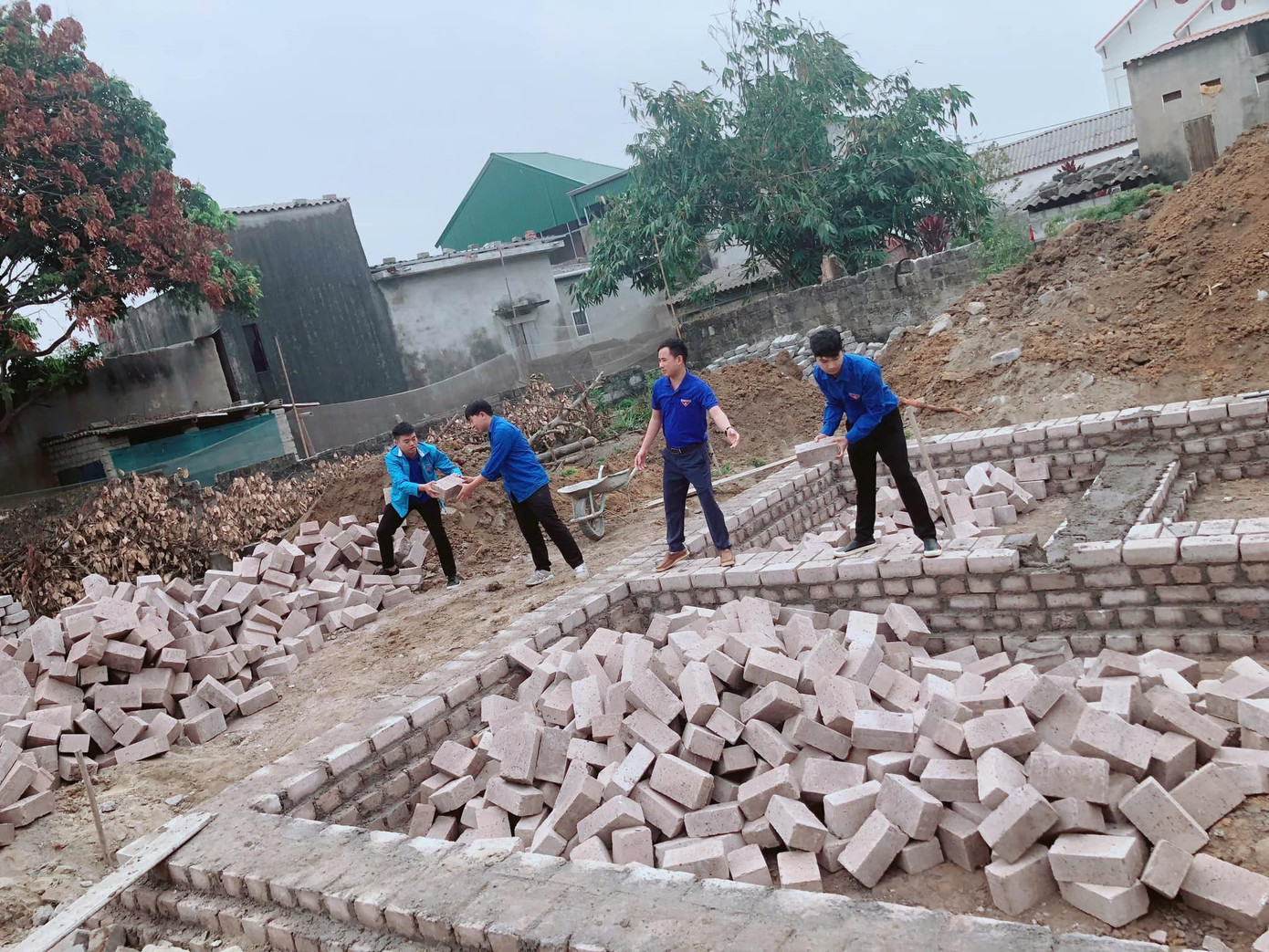
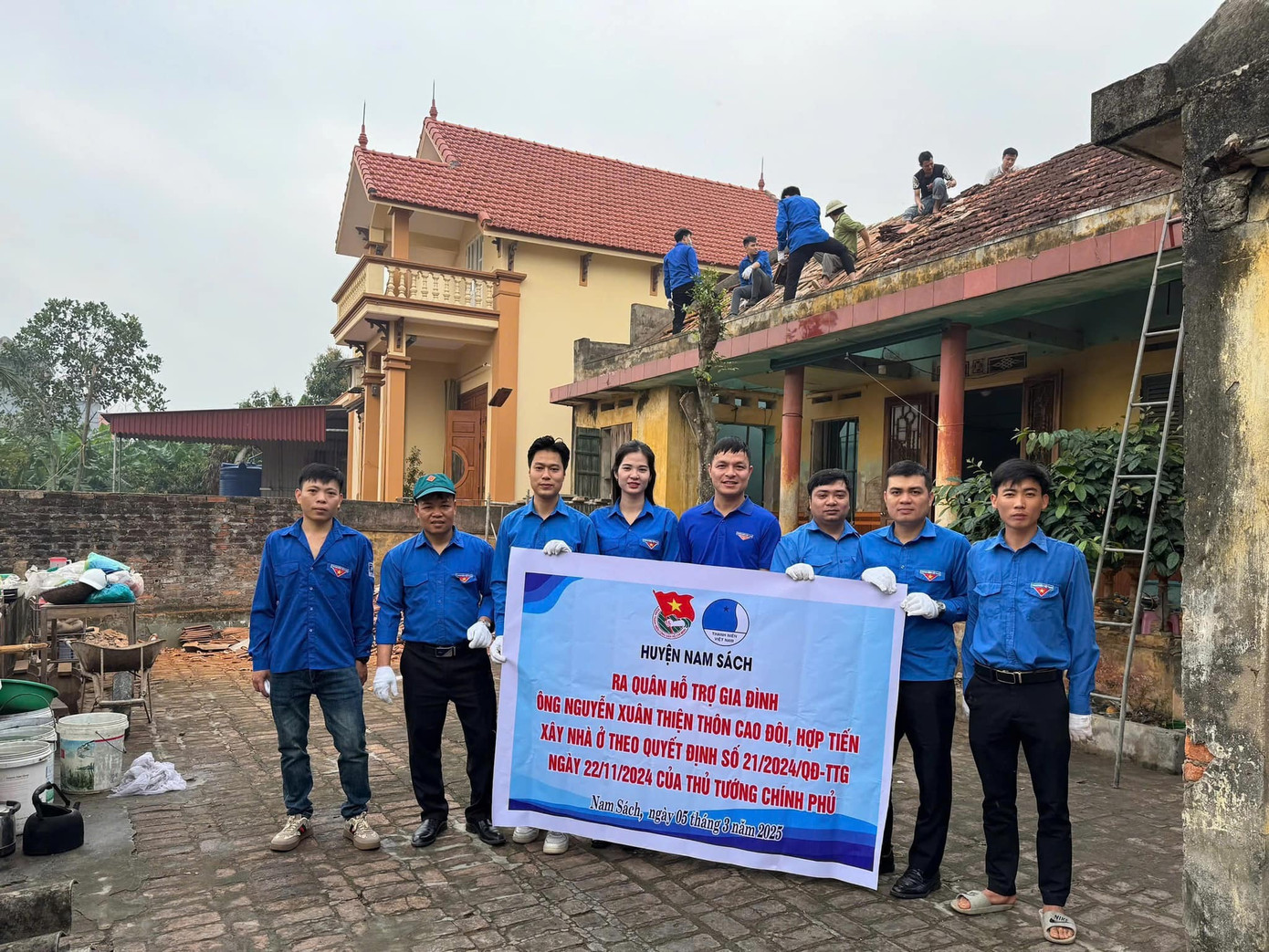
The groundbreaking ceremony attracted significant public attention, generating a wave of positive information that contributed to raising community awareness and fostering a spirit of solidarity and mutual support. The program received widespread support from the community in various forms, including funding, materials, and labor, creating a strong ripple effect.
Many creative approaches
According to the Hai Phong Department of Construction, the unit has taken the lead in establishing inspection teams to monitor the implementation of the program to eliminate temporary and dilapidated houses in several localities. Through this, they have promptly provided encouragement and resolved any difficulties or obstacles that have arisen.
To ensure progress and efficiency, the city has implemented many innovative models and effective approaches. These models are applied flexibly, adapting to the specific circumstances of each locality.
For example, this involves developing implementation plans at all levels, assigning members of the steering committee to monitor and gather information from each household in order to provide timely support and expedite progress.
Relevant mechanisms and policies are reviewed and adjusted to suit the actual situation. This includes adjusting and increasing the level of support to help households improve their housing conditions.
Organizing simultaneous groundbreaking ceremonies demonstrates political determination, creates momentum, and inspires officials, civil servants, agencies, organizations, businesses, and the people.
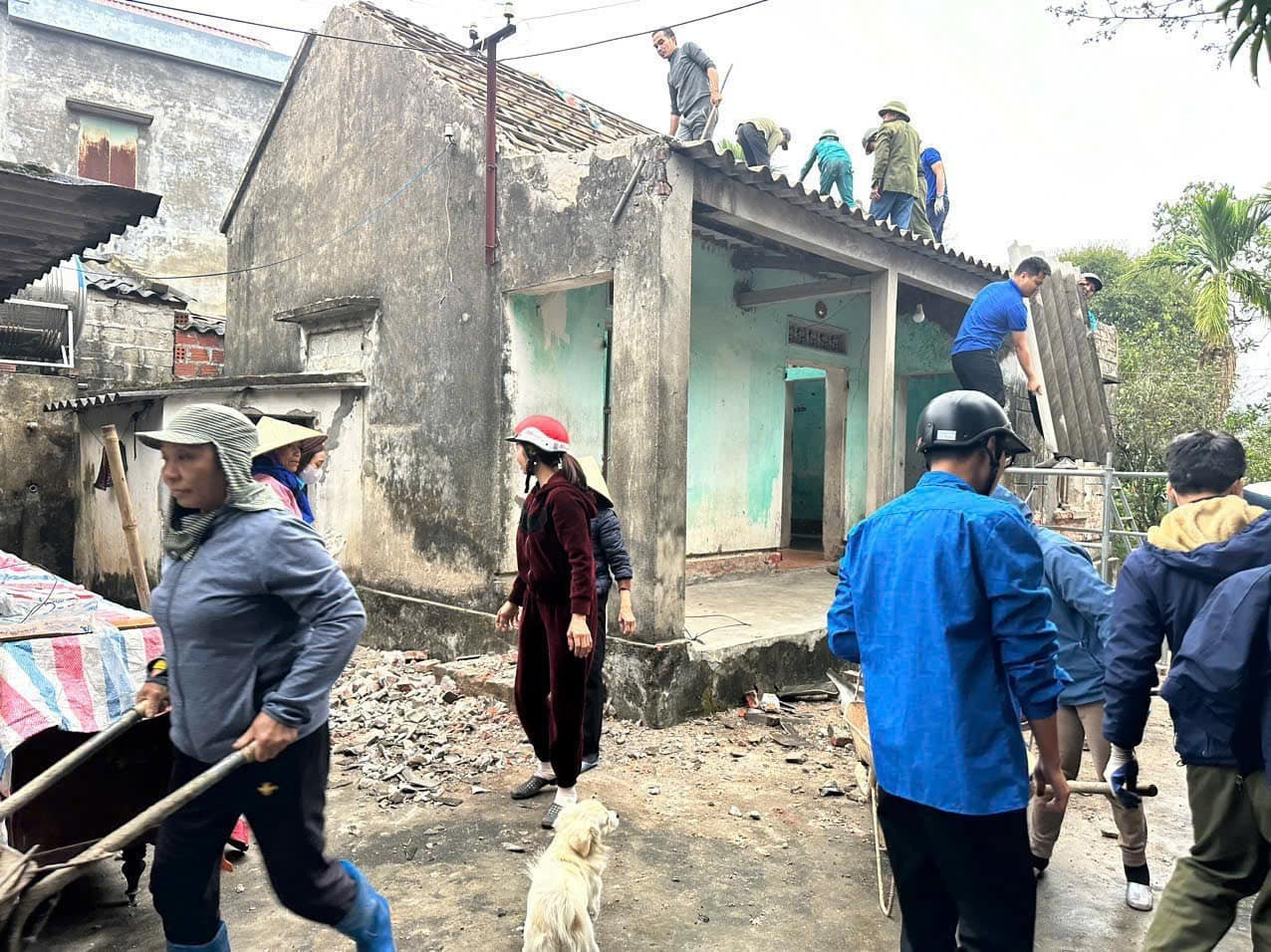
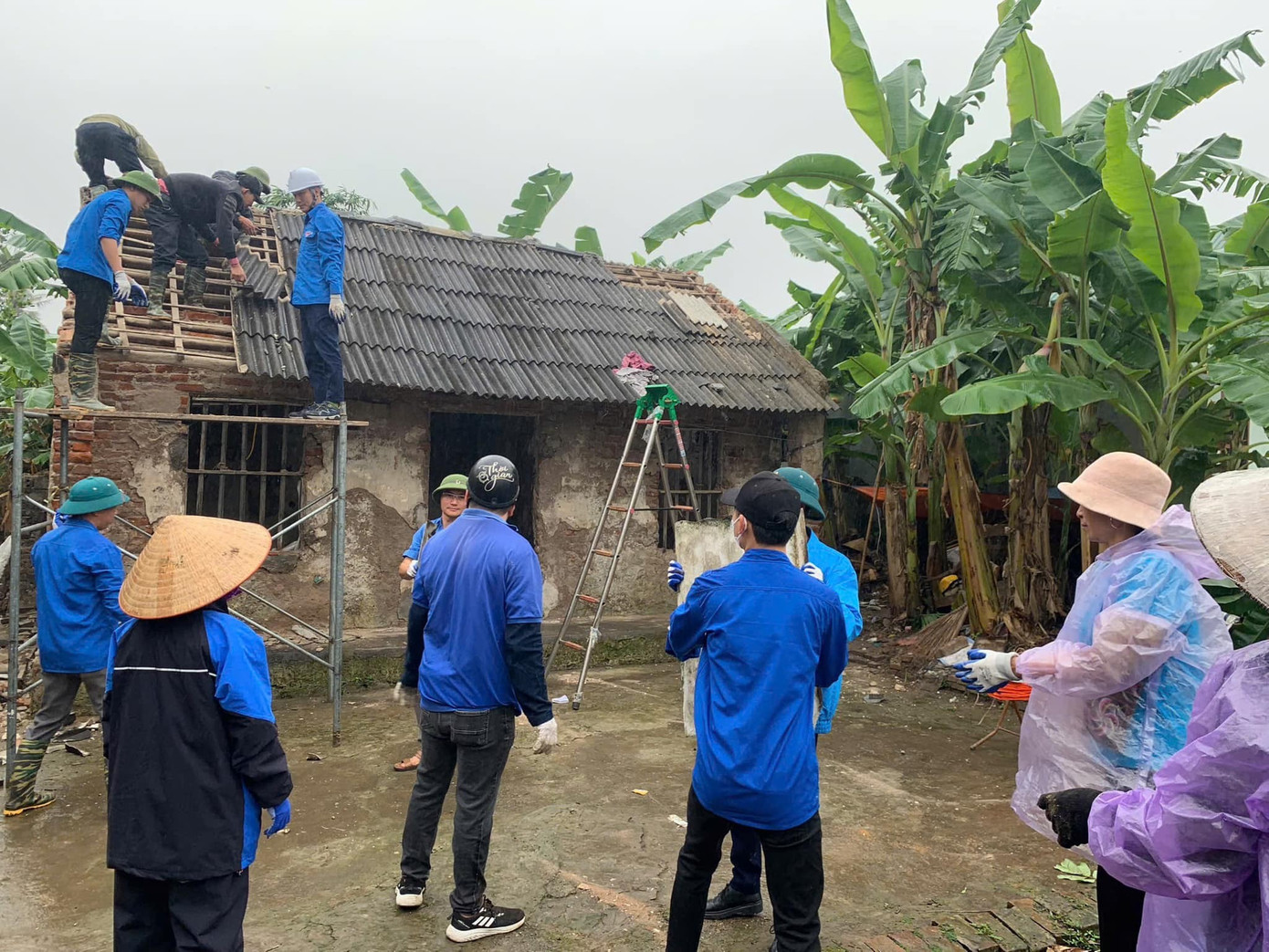
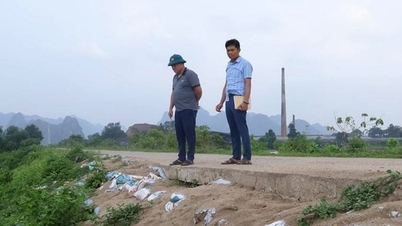
During the implementation process, many cases encountered obstacles related to land, such as: land without legal documents, land not yet granted land use rights certificates, land not included in residential land planning, land not yet converted to residential land... leading to delays in implementation due to legal procedures and land regulations. However, the relevant agencies proactively resolved and overcome these obstacles and difficulties in a timely manner.
Inter-agency cooperation also strengthened inspection, supervision, and progress updates, developing software to manage progress for each household and each project. This facilitated local authorities and inter-agency cooperation in inspecting and resolving obstacles and difficulties promptly.
During the process of eliminating temporary and dilapidated houses, the units have learned many valuable lessons that can be applied to future programs.
A prime example is the strong political will from leaders at all levels. It is this determination and responsibility of the government at all levels that has created momentum, encouraging units and organizations to get involved and resolve the difficulties and obstacles that arise.
Public awareness campaigns are crucial in raising community awareness of the program's humanitarian significance and fostering social consensus. When people understand the purpose, meaning, and value of eliminating temporary and dilapidated housing, they will proactively participate and actively support the program.
Mobilizing resources should not rely solely on the budget but also encourage the participation of businesses, organizations, and individuals, especially those capable of contributing. Flexible and innovative mobilization mechanisms help increase resources and create long-term effectiveness.
In response to the program to eliminate temporary and dilapidated houses, the youth of Hai Phong have demonstrated a pioneering spirit, actively coordinating with authorities at all levels to support the construction and repair of houses for people with meritorious services, relatives of martyrs, and families in difficult circumstances in the area.
The youth of Hai Phong have organized numerous campaigns to collectively eliminate temporary and dilapidated houses, mobilizing thousands of cadres and youth union members to participate and contribute over 10,000 man-days of labor. In addition, together with the military, police, women's groups, families, clans, and local communities, a total of over 35,500 man-days of labor were mobilized.
Youth union members actively participated in practical tasks such as dismantling temporary and dilapidated houses; transporting construction materials (bricks, sand, cement); installing house foundations, roofing, repairing and reinforcing damaged doors for disadvantaged households.
Source: https://tienphong.vn/hai-phong-xoa-nha-tam-nha-dot-nat-voi-nhieu-cach-lam-sang-tao-post1803748.tpo


![[Photo] Prime Minister Pham Minh Chinh attends the Conference summarizing and implementing tasks of the judicial sector.](/_next/image?url=https%3A%2F%2Fvphoto.vietnam.vn%2Fthumb%2F1200x675%2Fvietnam%2Fresource%2FIMAGE%2F2025%2F12%2F13%2F1765616082148_dsc-5565-jpg.webp&w=3840&q=75)








![Looking back at the peak month of combating IUU: [Part 3] Synchronizing fisheries infrastructure](https://vphoto.vietnam.vn/thumb/402x226/vietnam/resource/IMAGE/2025/12/13/1765608279533_2109-b32-133759_237.jpeg)








































































Comment (0)