

According to the research team's report, the mission focused on applying CRISPR/Cas9 precision mutagenesis technology to the OsHSBP1, OsProDH, and OsHSBP2 genes to improve drought and heat tolerance in Vietnamese rice varieties.
The research team successfully developed a CRISPR/Cas9 vector system for gene transfer into rice plants and created rice lines carrying the desired edits. These products were evaluated based on quantity, weight, and quality, with both the vector system and the gene-edited rice lines meeting the set objectives.
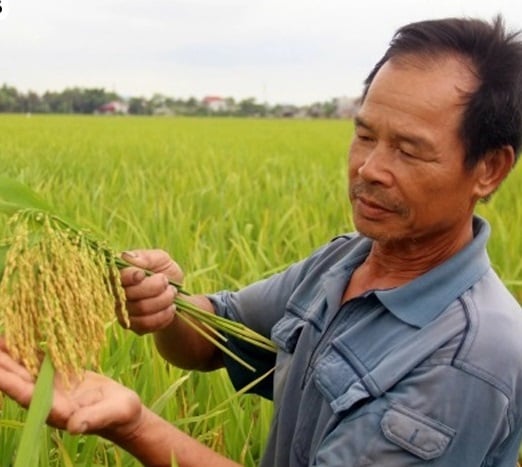
The research team has successfully developed a CRISPR/Cas9 vector system for transferring genes into rice plants.
The mission simultaneously aims to refine the precise mutation induction process related to drought and heat tolerance using CRISPR/Cas9 technology, and to provide a report evaluating the drought/heat tolerance of genetically modified rice lines.
The project has made significant contributions, particularly in the application of gene editing technology, a field that is still very new in Vietnam. The successful implementation of CRISPR/Cas9 techniques opens up the potential to enhance basic research capabilities and guide applications in breeding high-yield, high-quality rice varieties that are resistant to adverse conditions such as drought, heat, and disease. This technology not only contributes to raising the level of science and technology in the country but also creates a foundation for strengthening cooperation and enhancing Vietnam's research position in the field of modern agricultural biology.
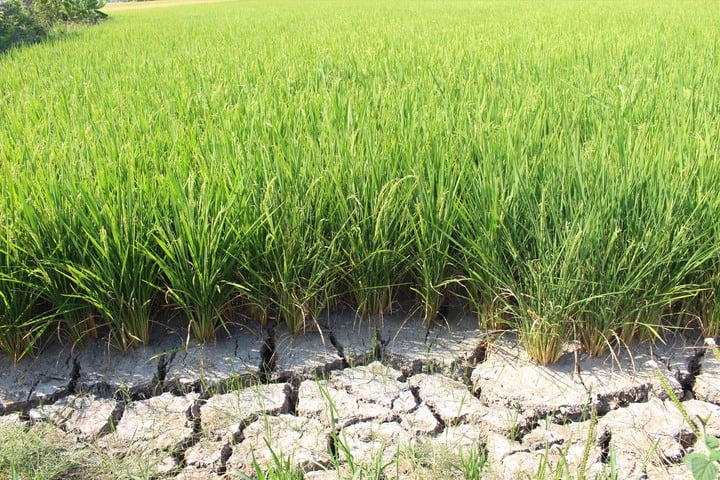
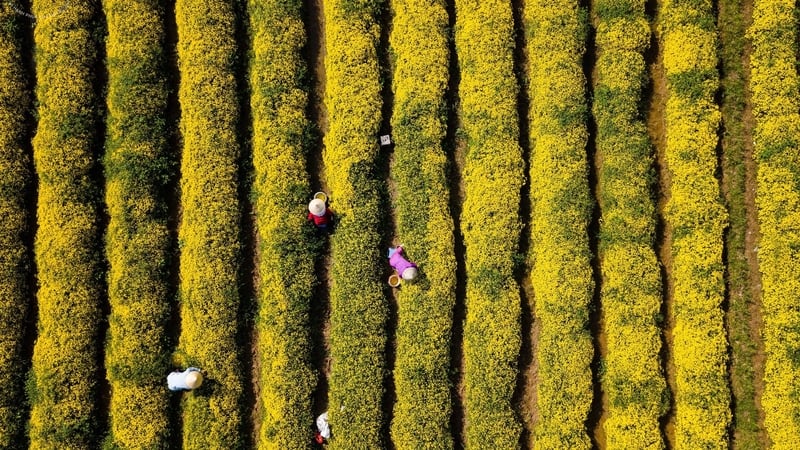
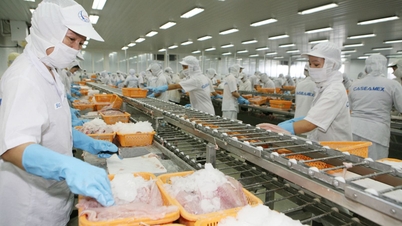
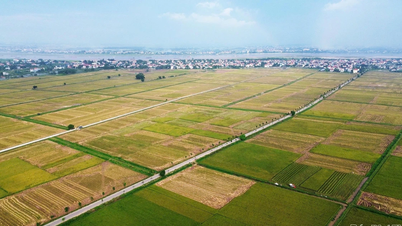
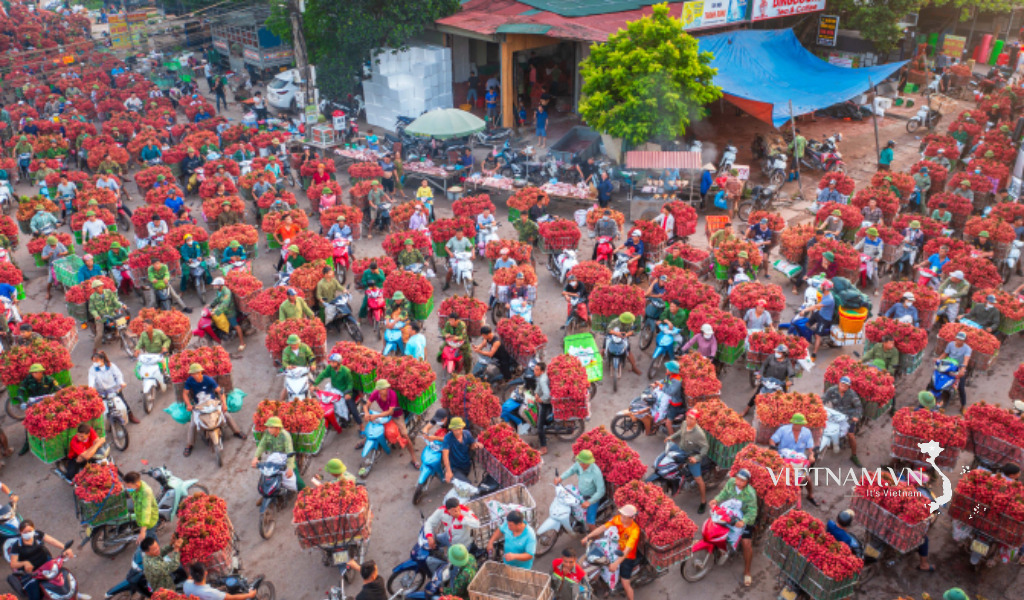
Rice varieties that are more tolerant to drought and heat will contribute to improving the sustainability of agricultural production. (Illustrative image.)
In terms of socio -economic effectiveness, CRISPR/Cas9 gene editing technology has the potential to create breakthroughs in breeding, shortening the time to create new varieties and reducing research costs. From a social perspective, rice varieties with better drought and heat tolerance will contribute to improving the sustainability of agricultural production, increasing crop resilience to the impacts of climate change, and thus improving the lives of farmers.
Source: https://mst.gov.vn/hoan-thanh-nghien-cuu-chinh-sua-gen-nang-cao-kha-nang-chong-chiu-cho-giong-lua-viet-nam-197251211122253734.htm

![[Photo] Prime Minister Pham Minh Chinh attends the Conference summarizing and implementing tasks of the judicial sector.](/_next/image?url=https%3A%2F%2Fvphoto.vietnam.vn%2Fthumb%2F1200x675%2Fvietnam%2Fresource%2FIMAGE%2F2025%2F12%2F13%2F1765616082148_dsc-5565-jpg.webp&w=3840&q=75)




































































Comment (0)