

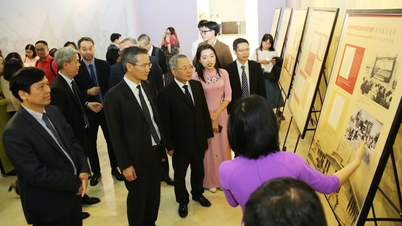
This event was organized by the National Archives Center I, State Records and Archives Department, to commemorate the Traditional Day of the Vietnamese Diplomatic Service (August 28).
The exhibition will present to the public hundreds of remarkable documents, including many previously unpublished documents, about Vietnam's diplomatic activities during the first 50 years of independence and self-governance under the Nguyen Dynasty (1802-1858), before the French colonialists invaded and turned Vietnam into a colony.
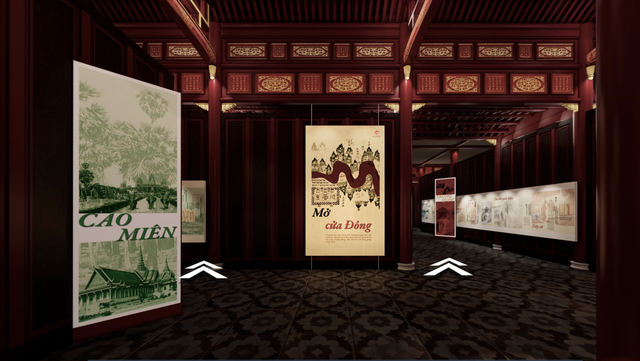
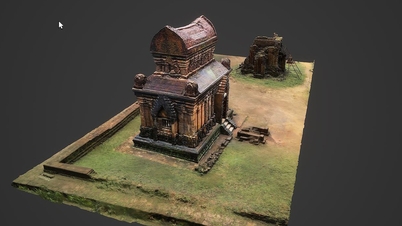
3D Exhibition Space
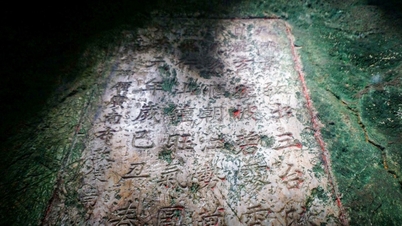
The documents presented at the exhibition "Diplomatic Relations of the Nguyen Dynasty: Amidst the East-West Winds" were mainly selected from the collection of Nguyen Dynasty archives - World Documentary Heritage. For example, these include artifacts and documents such as the Gia Long 16th year archive (1817) which indicates a ship carrying gifts from the French King of Poland to the Vietnamese King as a token of friendship. In 1825, a French naval count and colonel came to Da Nang to request a consulate and trade, but King Minh Mang refused. There is also a map of the Minh Mang Dynasty's diplomatic mission to China (1825)...
With its unique 3D format, the exhibition will introduce viewers to a historical space through two sections: Closing the West Gate and Opening the East Gate.
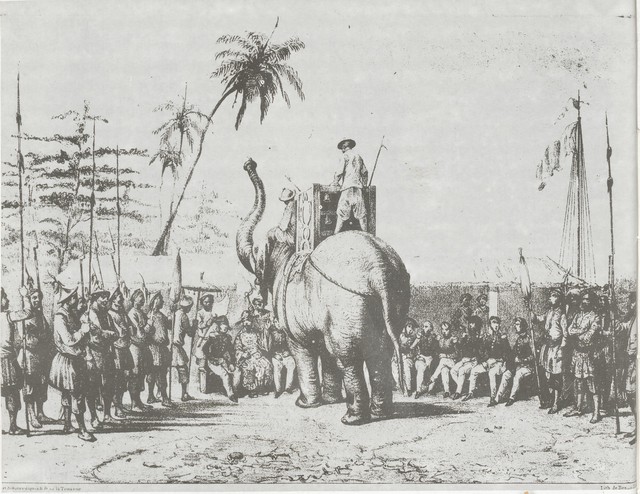
In 1825, a French naval colonel came to Da Nang to request the establishment of a consulate and trade relations, but King Minh Mang refused (Source: "Vietnam in the Past Through French Engravings").
Part 1, themed "Closing the Door to the West," reveals, through historical records, that the Nguyen dynasty emperors, from Gia Long to Tu Duc, consistently pursued a policy of "self-preservation" and "closed-door" relations with other countries. Despite this, the Nguyen dynasty did not completely sever ties with anything related to the West (primarily Britain, France, and the United States).
The Nguyen dynasty emperors often sent delegations to observe the situation in the West, purchase essential goods and weapons from the West, and learn about science and technology. In addition, Western ships frequently received assistance and hospitality from the Nguyen dynasty. Some Confucian scholars even submitted petitions proposing friendly relations with the West.
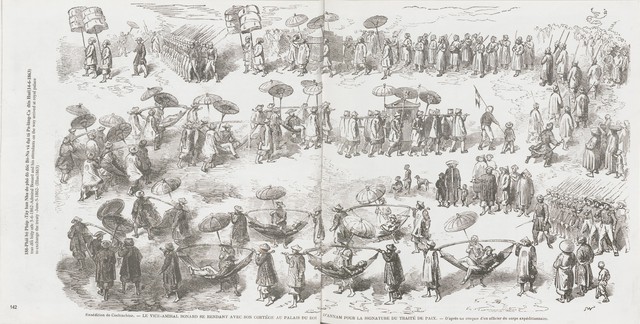
The Franco-Spanish Mission (Source: "Vietnam in the Past Through French Engravings")
Part 2 is themed "Opening the East." While implementing a "non-Western" policy, the Nguyen dynasty kings prioritized developing relations with Eastern countries such as Cambodia, Laos, and Siam (Thailand), especially with neighboring China.
The exhibition aims to provide viewers with interesting experiences, discoveries, useful information, fresh perspectives, and a deeper understanding of Vietnam's diplomatic activities under the Nguyen Dynasty. Studying the diplomatic activities of our ancestors is also a way for us to "separate the wheat from the chaff," drawing valuable lessons for contemporary life.
Source: https://toquoc.vn/kham-pha-chinh-sach-ngoai-giao-doc-dao-cua-trieu-nguyen-qua-trien-lam-3d-20240820111545538.htm


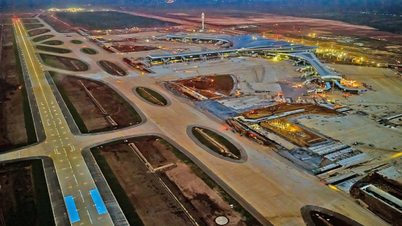
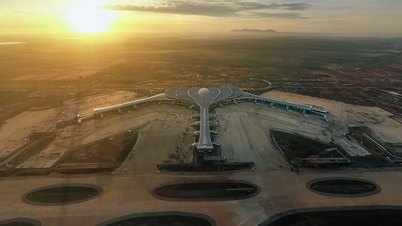
![[Photo] Two flights successfully landed and took off at Long Thanh Airport.](/_next/image?url=https%3A%2F%2Fvphoto.vietnam.vn%2Fthumb%2F1200x675%2Fvietnam%2Fresource%2FIMAGE%2F2025%2F12%2F15%2F1765808718882_ndo_br_img-8897-resize-5807-jpg.webp&w=3840&q=75)






![[Photo] President visits Vietnam's Permanent Mission to the United Nations](https://vphoto.vietnam.vn/thumb/402x226/vietnam/resource/IMAGE/2025/9/24/b97c02dea2634eb38b94b1d6145671e3)














































Comment (0)