

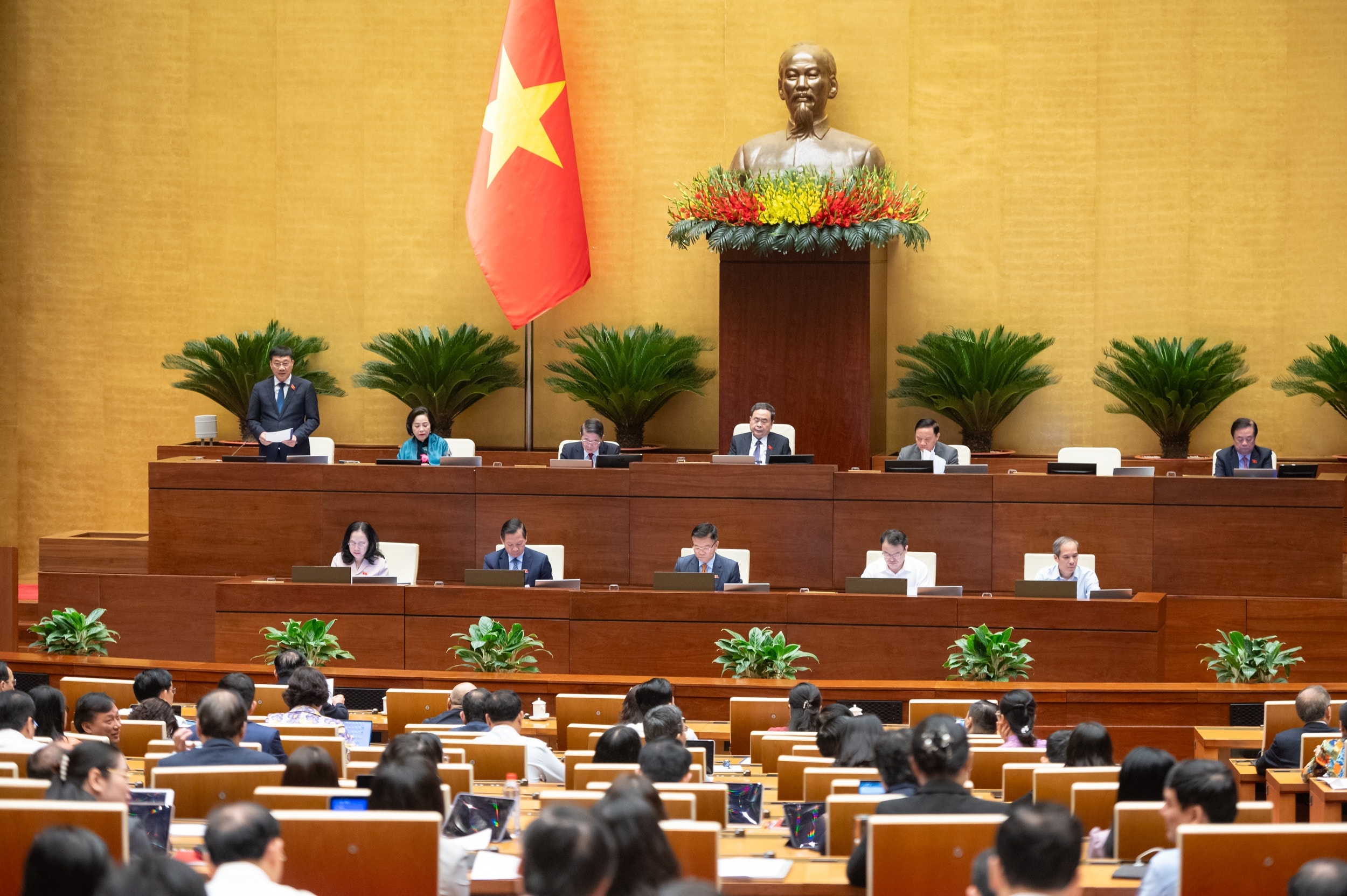
Small and medium-sized enterprises are the "backbone" of the economy.
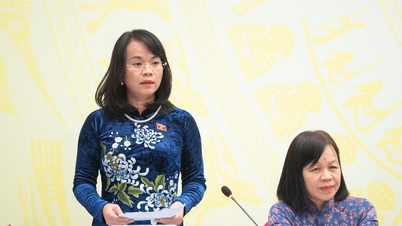
In the context of an unfavorable, unstable, and unpredictable world , climate change, increasingly severe natural disasters, numerous infrastructure bottlenecks, and the significant and prolonged impact of the Covid-19 pandemic on people's health and businesses, National Assembly Deputy Tran Hoang Ngan noted that, under the wise leadership of the Party and the dynamic and flexible coordination of the 15th National Assembly, many legal institutions have been passed, contributing to improving the investment environment, removing bottlenecks, and unlocking resources.
.jpg)
"Thanks to the strong and decisive actions of the Government and the Prime Minister, along with the belief, aspirations, and collective efforts of the people, and the consensus of the business community, we have overcome challenges and difficulties and achieved many important results," delegate Tran Hoang Ngan stated.
Accordingly, the delegates stated that the size of Vietnam's economy has increased from 346 billion USD to 510 billion USD, ranking 32nd in the world. GDP per capita has reached 5,000 USD. Macroeconomic stability continues, ensuring the major balances of the economy.
.jpg)
2026 is a significant year, the first year of the 2026-2030 five-year plan, marking the beginning of a new era, an era of national progress. Delegate Tran Hoang Ngan agreed with the 2026 target of GDP growth exceeding 10%, stating that while a high target, it is achievable.
At the same time, delegates suggested that in the future, priority should be given to development based on the potential, advantages, and geopolitical position of the nation. Focus should be placed on developing the marine economy, logistics, agriculture, services, healthcare, and high-quality education.
Representative Tran Hoang Ngan noted that in implementing Resolution 68 of the Politburo and Resolution 198 of the National Assembly on special mechanisms and policies for the development of the private economy, we are still slow in issuing decrees and circulars to guide private enterprises and business households in accessing resources such as land, production and business premises, land and property leases, public assets, finance and credit, taxes, fees, support for businesses to apply science and technology, innovation, develop e-commerce, support the formation of large enterprises, global-scale private economic groups, and many innovative startup unicorns…
.jpg)
The delegates suggested that Article 5 of Resolution 198 of the National Assembly should be clarified soon, in which the principle for handling violations and resolving business cases should prioritize civil, economic, and administrative measures.
Considering that the private sector, which is a long-term driving force for development, is facing many obstacles and has not yet achieved a breakthrough in scale and competitiveness, National Assembly Deputy Tran Van Tuan (Bac Ninh) suggested that, in addition to continuing to promote growth drivers from public investment, attracting FDI and exports, we need to quickly realize the viewpoints, goals, tasks, and solutions in the spirit of Resolution No. 68-NQ/TW dated May 4, 2025, of the Politburo "on the development of the private sector".
.jpg)
In particular, emphasis should be placed on continuing to build and improve the legal system, with breakthrough mechanisms and policies, creating a transparent and open environment to encourage the development of the private economy, especially in the areas of: land, infrastructure, investment, finance, credit, administrative procedures, science, technology, innovation, digital transformation, and human resource training…
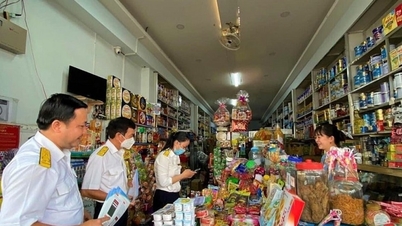
Delegates suggested that it is necessary to urgently study and amend the Law on Supporting Small and Medium-Sized Enterprises of 2017 to address some shortcomings that have emerged after more than 7 years of implementation, such as: the criteria for defining small and medium-sized enterprises are still too general; there is a lack of clear specific support policies for digital transformation, innovation, and international integration; there is no clear priority for micro-enterprises, household businesses converting into enterprises, and innovative startups…
Along with identifying the private sector as the most important driving force of the national economy, delegate Tran Van Tuan emphasized that small and medium-sized enterprises (SMEs) should be considered the "backbone" of the economy. This is because, similar to most countries in the world, the proportion of SMEs in Vietnam's total active businesses is consistently very high, currently accounting for approximately 98%.
Develop a set of textbooks that can be reused for many years.
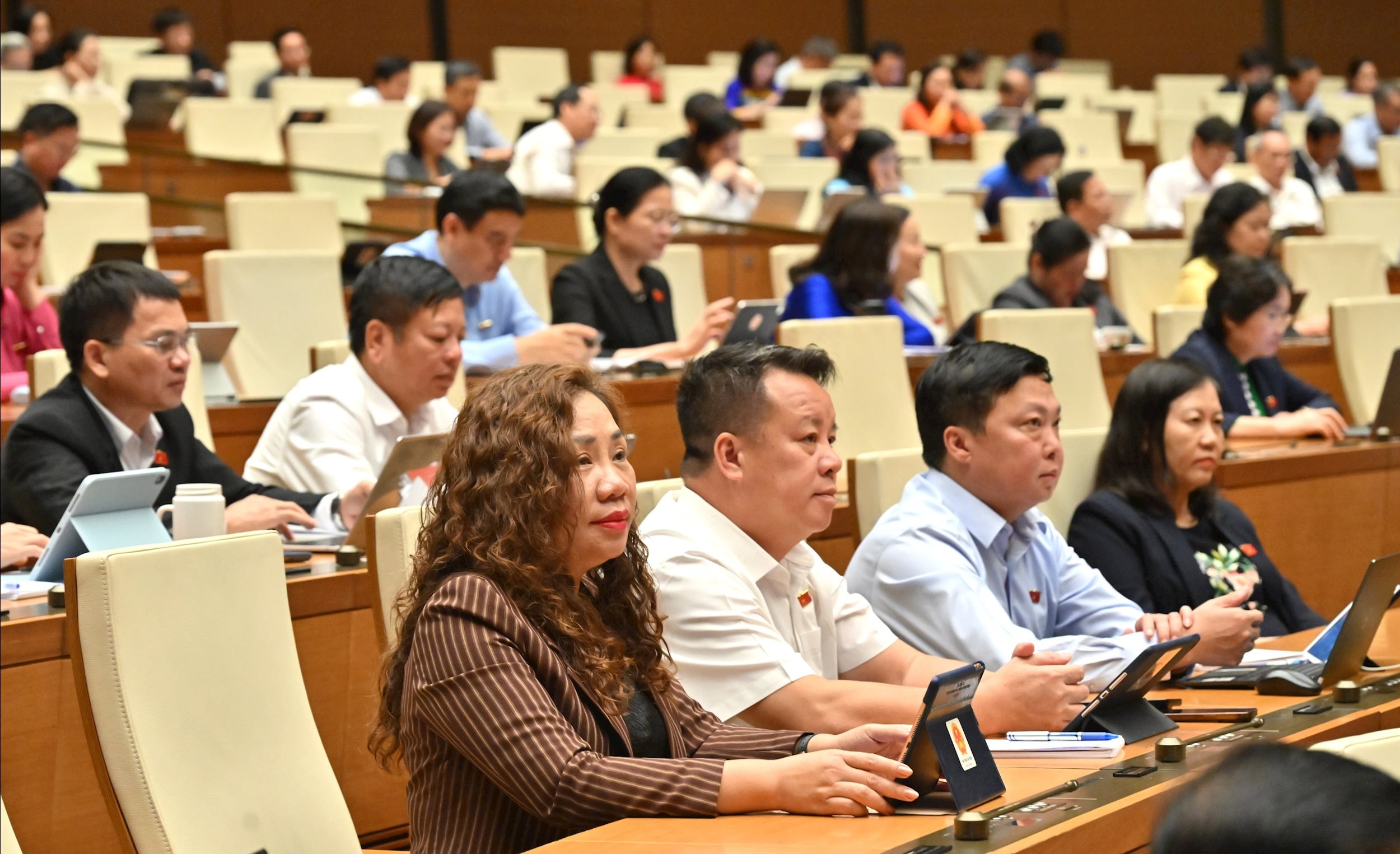
National Assembly Deputy Nguyen Thi Thuy (Thai Nguyen) stated that 2025 is a year in which the whole country is united in focusing on important, historically significant tasks and has achieved very proud accomplishments. The policy of people benefiting in all fields, including education, is increasingly being better ensured.
Specifically, the Politburo issued Resolution 71-NQ/TW on breakthroughs in education and training development, with groundbreaking and outstanding strategic policies, further affirming the consistent view that education is a top national priority. For the first time, a Party document clearly states that education is the decisive factor in the future of the nation. This is a very important guiding principle, providing a consistent direction for all investment policies in education.
.jpg)
Regarding tuition and textbook exemptions, from 2025 onwards, tuition fees will be completely waived for all levels from preschool to grade 12 in public educational institutions, while tuition fee support will be provided for private and independent educational institutions; textbooks will be free from 2030.
“The policy of waiving tuition fees and textbooks is not only financial support but also an investment in the nation's future, affirming the strong commitment of the Party and the State to building a just society where every child has the opportunity to develop comprehensively. This policy has been joyfully welcomed by the people and truly reflects the Party's will and the people's aspirations,” emphasized delegate Nguyen Thi Thuy.
Notably, we also implement outstanding incentive policies for the teaching staff. These outstanding incentive policies not only encourage teachers to dedicate themselves to their profession with peace of mind but are also expected to attract many talented people to work in the education sector.
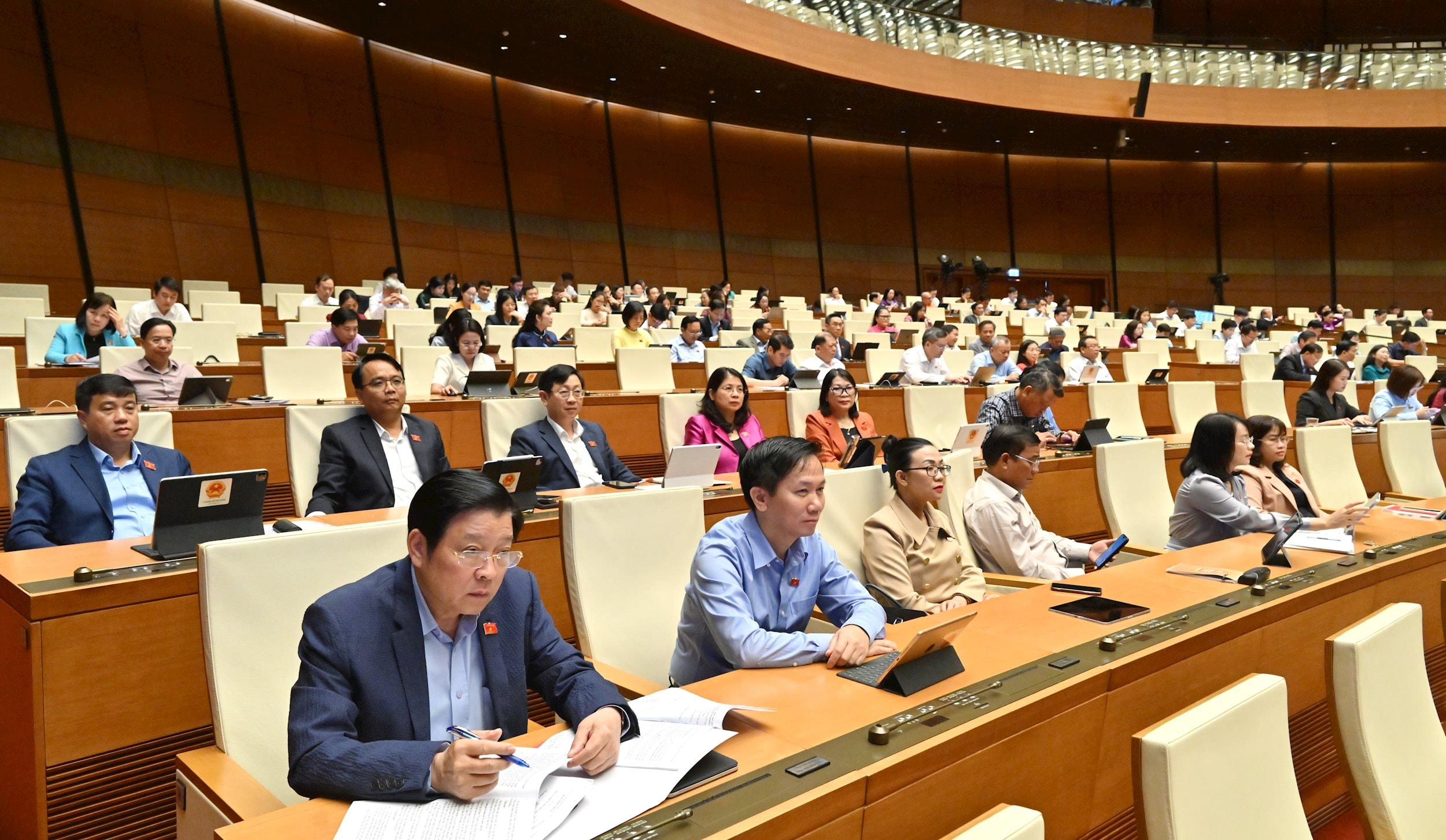
The policies also fundamentally ensure comprehensive coverage, from students and teachers to education administrators; from investment in infrastructure to support schemes.
Last July, the Politburo also decided to build multi-level boarding schools in 248 border and inland communes, demonstrating the affection and responsibility of the Party and the State towards the people in the border regions of the country.
Also on September 5th, a special and unprecedented opening ceremony took place, where all educational institutions nationwide, with over 1.7 million teachers and nearly 30 million students, participated, singing the national anthem simultaneously and listening to the opening drumbeat. The ceremony was attended by the Politburo and the Secretariat. General Secretary To Lam beat the drum and delivered a speech inaugurating the new school year, a special encouragement and motivation for teachers and students across the country, conveying a promise for the future.
.jpg)
Looking ahead, delegates suggested that the Ministry of Education and Training should direct a review and improvement of educational programs to overcome the shortcomings identified over many years, namely that the general education curriculum remains burdensome, some university training programs are still too theoretical and lack practical relevance, and some vocational training programs do not meet market demands.
The policy of providing free textbooks will begin in 2030. While textbooks will be free, the principle of saving money must be implemented, emphasized delegate Nguyen Thi Thuy, who suggested researching and developing a set of textbooks that can be reused for many years, instead of having to buy new ones every year, to avoid waste.
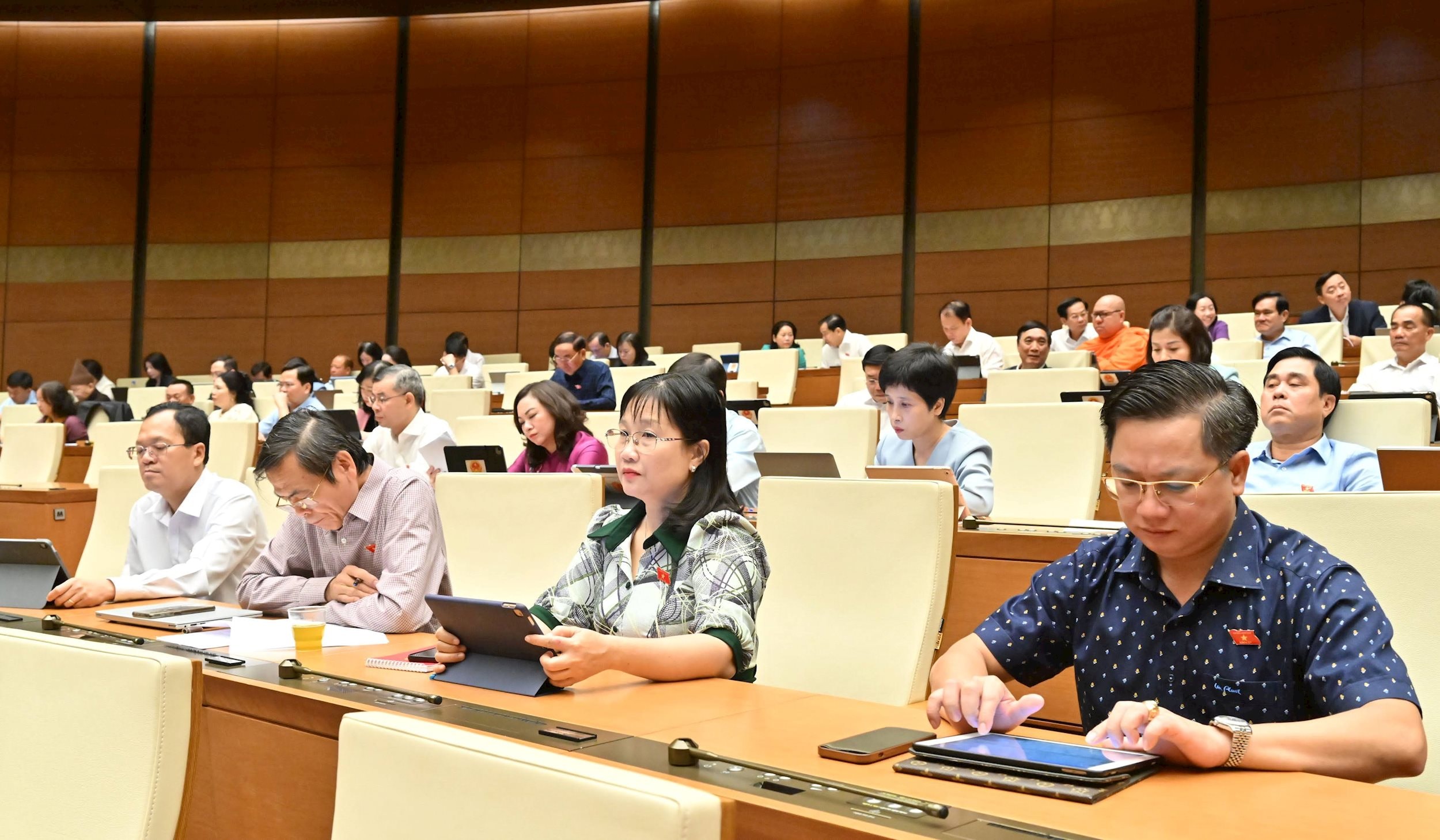
Regarding mountainous, remote, and ethnic minority areas, delegate Nguyen Thi Thuy proposed that during the 2026-2030 period, adequate resources should be prioritized for the construction and renovation of schools, facilities, and teaching equipment to meet standards. She also suggested reviewing and improving the support system for students in these areas to better suit the current practical situation…
Source: https://daibieunhandan.vn/khan-truong-sua-doi-luat-ho-tro-doanh-nghiep-nho-va-vua-10393446.html


![[Image] Vietnam's colorful journey of innovation](/_next/image?url=https%3A%2F%2Fvphoto.vietnam.vn%2Fthumb%2F1200x675%2Fvietnam%2Fresource%2FIMAGE%2F2025%2F12%2F14%2F1765703036409_image-1.jpeg&w=3840&q=75)

















































![[Image] Vietnam's colorful journey of innovation](https://vphoto.vietnam.vn/thumb/402x226/vietnam/resource/IMAGE/2025/12/14/1765703036409_image-1.jpeg)























Comment (0)