

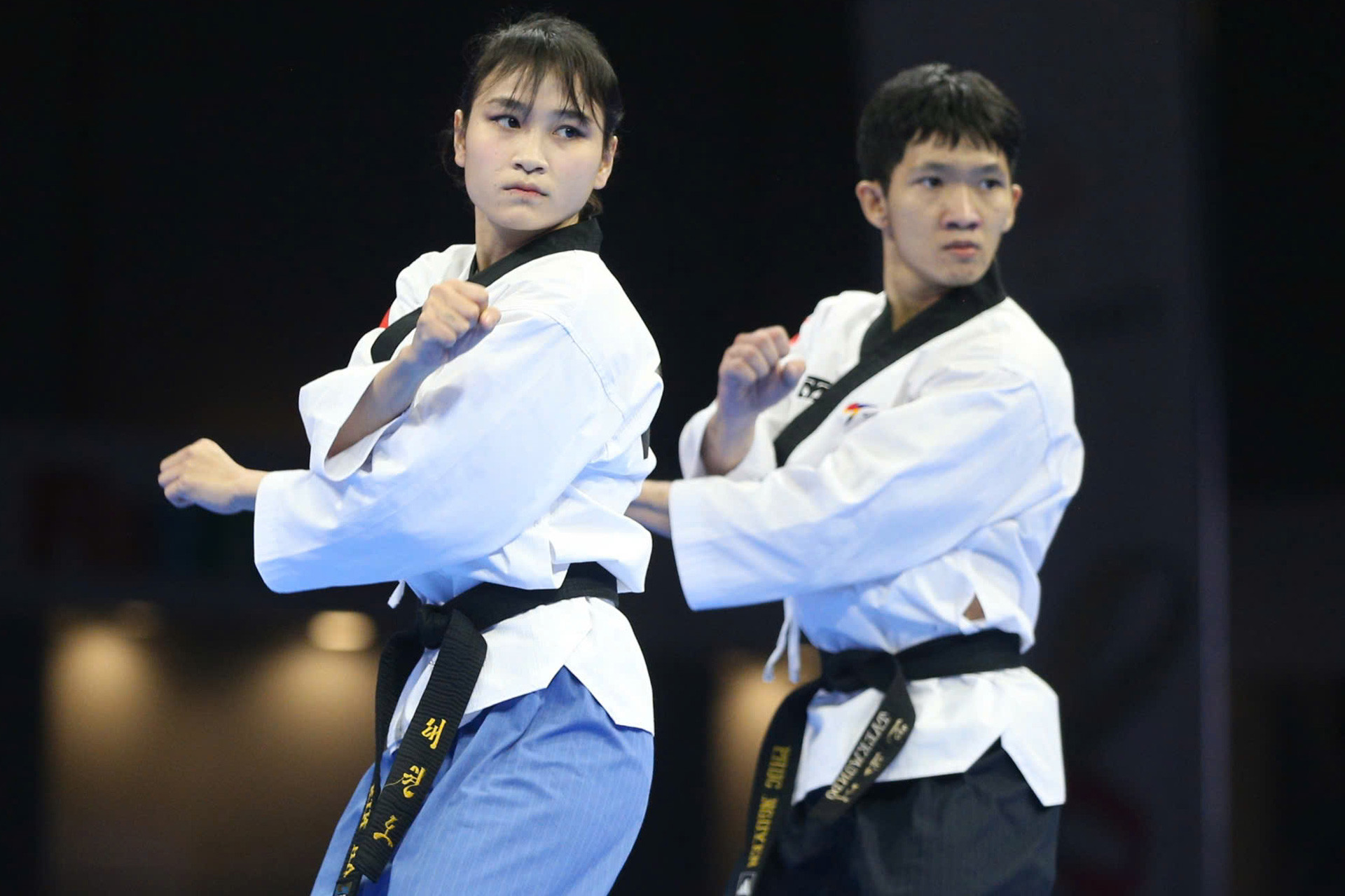
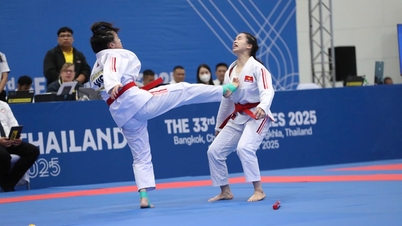
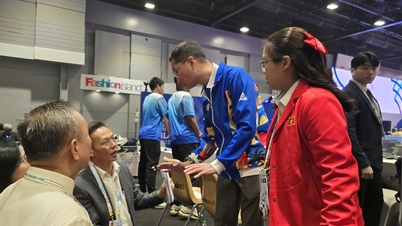
1. The incident involving the Vietnamese and Philippine sports delegations simultaneously protesting a controversial decision in the mixed doubles Taekwondo poomsae event at the 33rd SEA Games once again raises a warning about the issue of refereeing.
Both teams' complaints were rejected, causing outrage among the referees and the organizing committee, even though the errors were easily observable with the naked eye (the organizing committee refused to allow VAR review).
The issue of biased refereeing at the SEA Games is nothing new, but it remains a major blemish that often leads to the tournament being bitterly referred to as a "village pond."
Unfair refereeing, especially favoring the host country or influential teams, seems to have become a negative "trademark" of the SEA Games.
From shocking decisions in football and martial arts to artistic scoring, fans have witnessed countless times how the sweat, tears, and hard work of athletes have been negated by a mere wave of the hand or a questionable scorecard.
The problem lies not only in professional errors but also in a lack of transparency. More seriously, there was deliberate interference aimed at altering the medal standings.
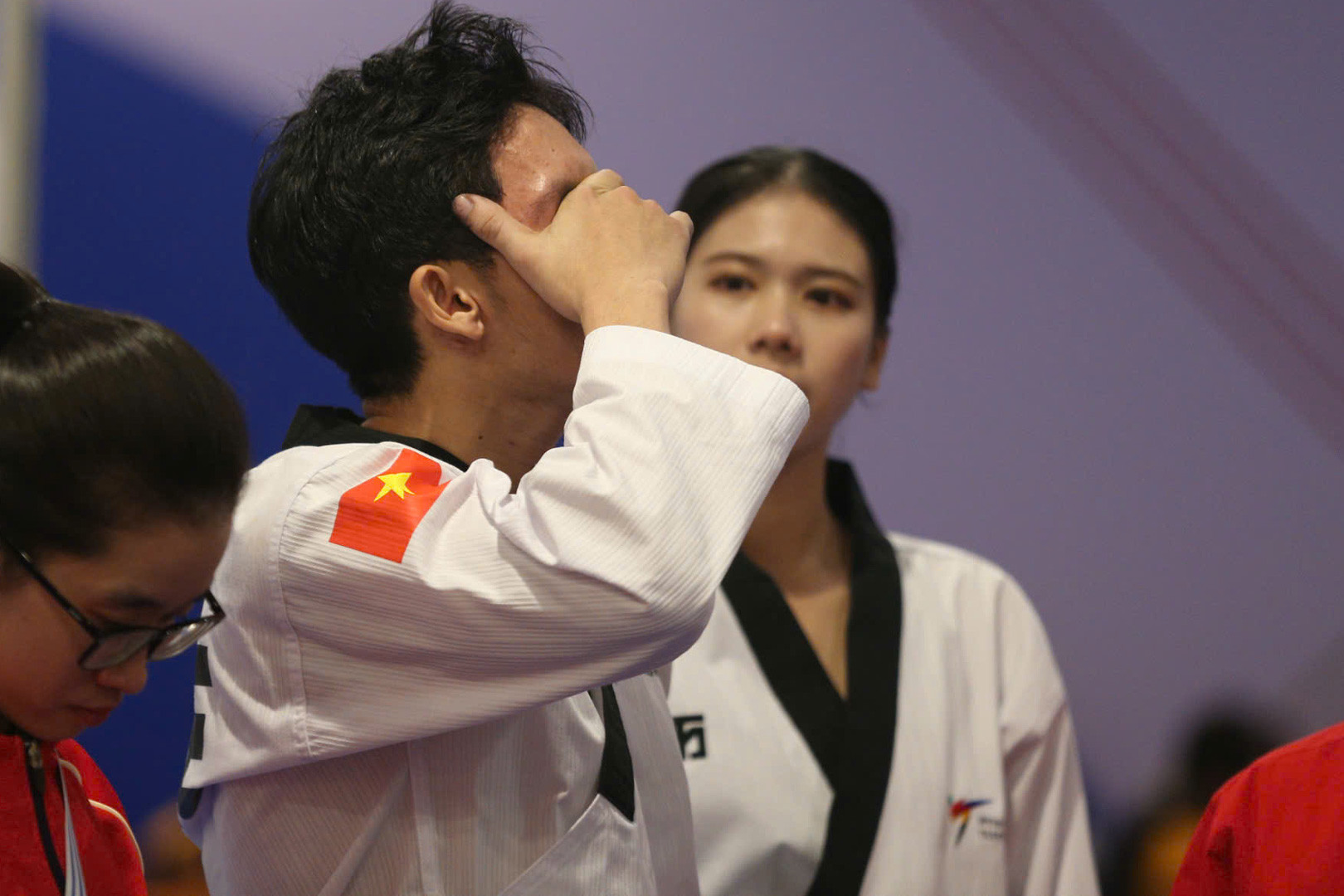
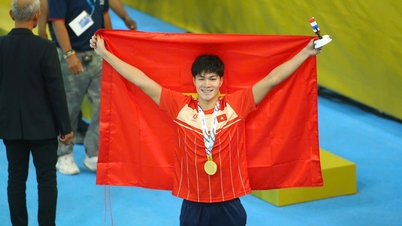
2. In the Taekwondo competition this morning, the Vietnamese pair Nguyen Thi Kim Ha and Nguyen Trong Phuc went from celebrating by hugging each other to crying. No one could understand the pain in their hearts and souls.
The spirit of sportsmanship is being trampled upon by blatant favoritism. In sports, defeat always accompanies victory, but fairness is essential.
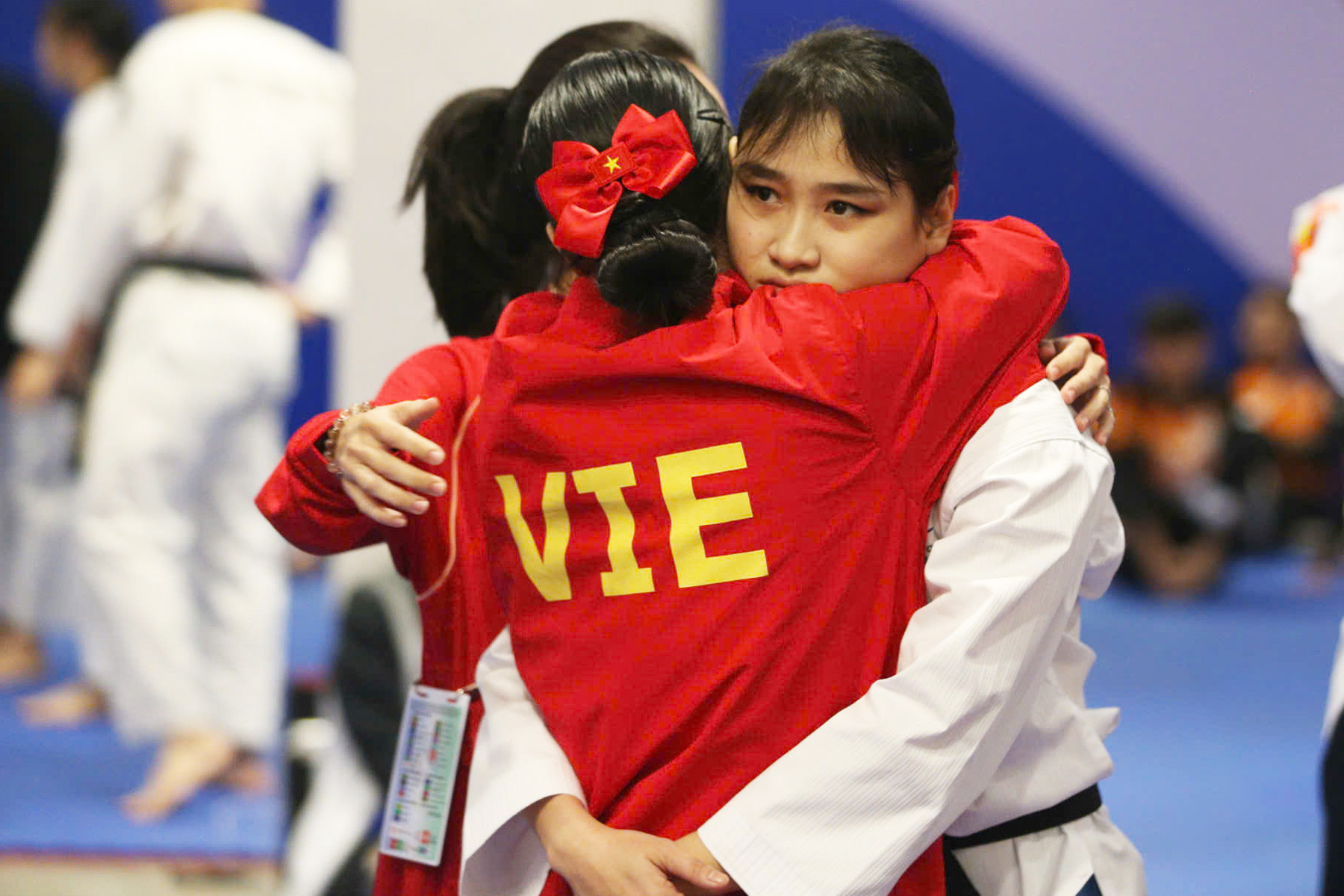
Following the incidents during the opening ceremony involving host country Thailand and the Cambodian delegation's departure, the 2025 SEA Games faced a huge setback on the very first day of competition, with Vietnamese athletes being the victims.
When a sporting event is frequently influenced by factors outside of its professional scope, its credibility suffers significantly.
The SEA Games are organized with the aim of providing a platform for competition, improving skills, and strengthening regional ties.
However, if athletes have to compete not only against opponents but also against the referees, their motivation to strive will be eroded.
This injustice not only affects the athletes' morale at the tournament, but also sows seeds of doubt and disrespect among the participating nations.
3. The biggest consequence of these unfair practices is that they are hindering the development of Southeast Asian sports on the international stage.
Athletes from the region, accustomed to a competitive environment where professional standards can be distorted by subjective biases, will experience a major shock when they step onto the Asian and Olympic stage. There are at least three key points stemming from this issue.
First, the standards differ. At the SEA Games, a performance or a strike may be accepted or even receive high marks thanks to the "flexibility" of the local referee.
Secondly, there is a lack of pressure for fair competition. When achievement can be guaranteed by external factors, healthy competition to push one's limits diminishes.
Thirdly, psychology and preparation. Athletes lack the mental fortitude and skills to cope with a fair and rigorous refereeing system that meets international standards.
This is why Southeast Asia, despite its large population and sporting potential, rarely achieves resounding success at global tournaments.
The world also experiences controversies, as is human nature, but the rate is extremely low. With the SEA Games, unfairness is rampant, widening the gap in skill level with sporting powerhouses.
To prevent further painful tears from Kim Ha and Trong Phuc, and to elevate the SEA Games, a common voice from the entire region is needed for a thorough reform of the refereeing system.
Photo/Video: Song Ngư (from Bangkok, Thailand)
Source: https://vietnamnet.vn/viet-nam-hut-vang-sea-games-33-taekwondo-va-nuoc-mat-vi-trong-tai-2471237.html



















![[Video] The craft of making Dong Ho folk paintings has been inscribed by UNESCO on the List of Crafts in Need of Urgent Safeguarding.](https://vphoto.vietnam.vn/thumb/402x226/vietnam/resource/IMAGE/2025/12/10/1765350246533_tranh-dong-ho-734-jpg.webp)
















































Comment (0)