

At a meeting at the Presidential Office on December 10th, Industry Minister Kim Jung-kwan briefed President Lee Jae-myung on the overall strategy to strengthen South Korea's competitive advantage in the AI industry. The centerpiece of the plan is a 700 trillion won (approximately $475.8 billion) investment package to build 10 new semiconductor factories by 2047, securing a production capacity of 7.9 million 200mm wafers to meet the surging demand for AI computing.
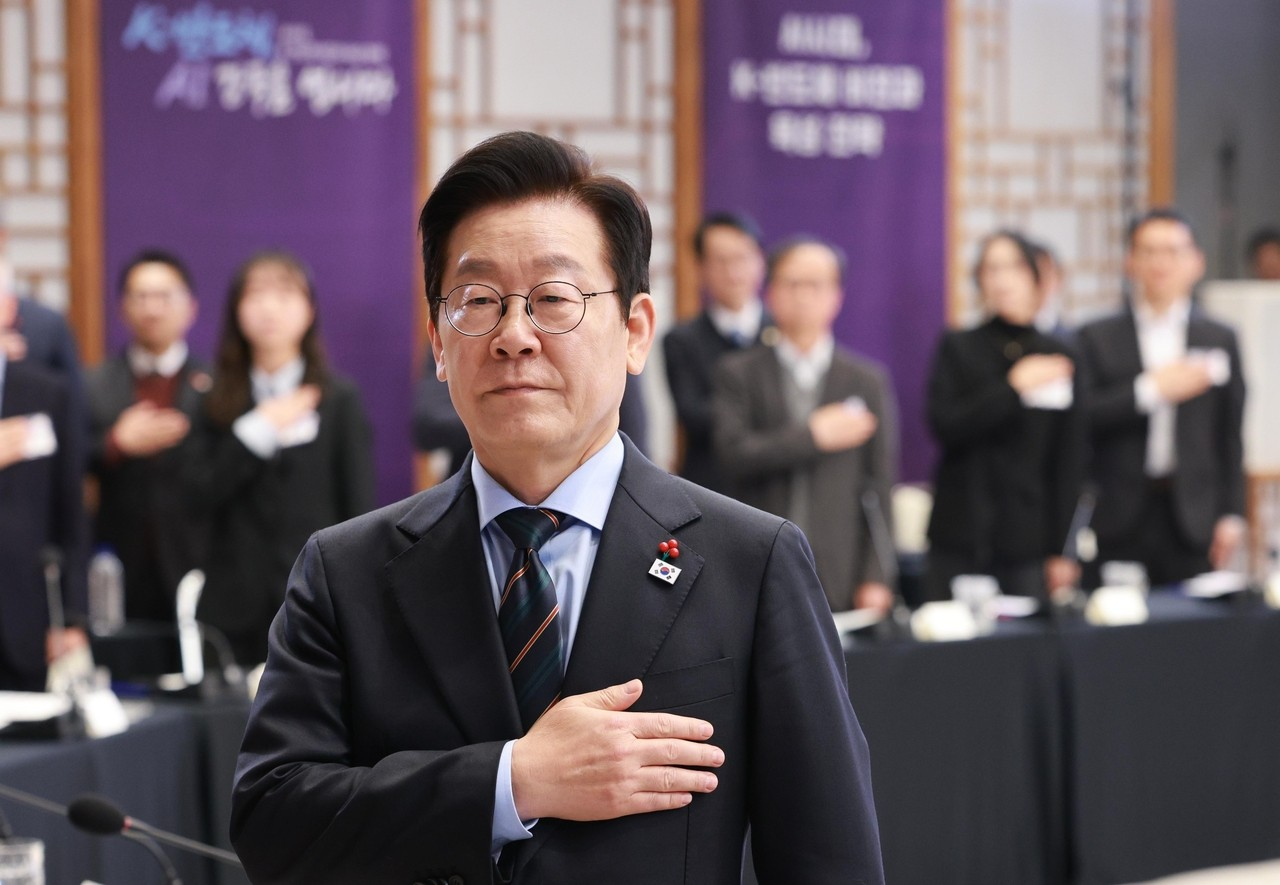
Speaking at a meeting of about 40 business leaders, experts, and officials in the chip industry, President Lee emphasized that industrial economic development is key to South Korea's new leap forward. He argued that semiconductors are a field where the nation possesses a traditional advantage and can make a strong breakthrough.
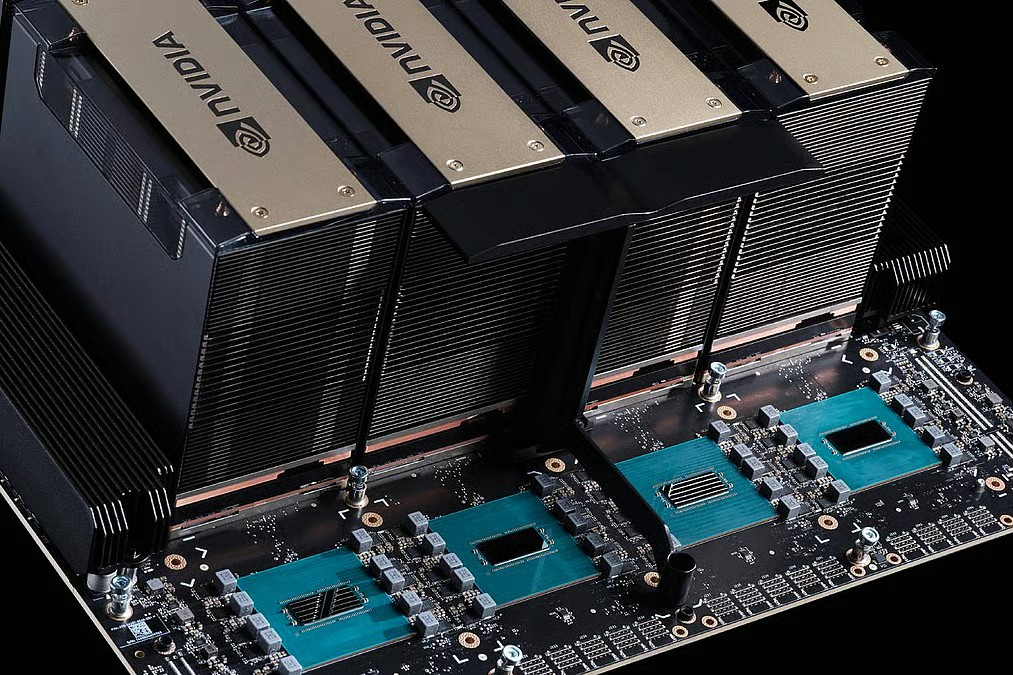
Besides expanding the factory, the government also announced a large R&D budget of 1.27 trillion won for AI chip technology, 215.9 billion won for next-generation memory chips, and a total of 620 billion won for semiconductor compounds and chip packaging technology. At the same time, the government is considering investing 4.5 trillion won in a 40-nanometer chip foundry project under a public-private partnership model to support domestic chip design companies.
President Lee affirmed that the domestic semiconductor industry must reduce its dependence on imports throughout the entire supply chain, and this goal will be promoted through a balanced regional development strategy. This is linked to the plan to form a new semiconductor industrial cluster in the southern region.
According to the plan, an advanced semiconductor packaging center will be built in Gwangju. Busan will develop into a high-power semiconductor hub, while Gumi in North Gyeongsang Province will focus on semiconductor component manufacturing. These three locations will link together to form a new "industrial belt."
President Lee emphasized that business participation, particularly the shift of investment to the South, would be a decisive factor in success. He urged businesses to pay attention to this region rich in renewable energy and to collaborate in building a new industrial ecosystem.
The five-year plan, released in August, forecasts that South Korea's chip exports will increase by 20% from 2024 to 2030, surpassing $170 billion. The government also aims to establish at least 10 AI chip manufacturing companies by 2030.
This roadmap identifies leading technologies such as next-generation AI chips, high-bandwidth memory (HBM), neural processing units (NPUs), and processing-in-memory (PIM) chips as top priorities, with a commitment to boosting research investment to maintain its global number one position.
(According to Korea Herald)
Source: https://vietnamnet.vn/han-quoc-chi-700-nghin-ty-won-xay-10-nha-may-ban-dan-2471263.html

























![[Video] The craft of making Dong Ho folk paintings has been inscribed by UNESCO on the List of Crafts in Need of Urgent Safeguarding.](https://vphoto.vietnam.vn/thumb/402x226/vietnam/resource/IMAGE/2025/12/10/1765350246533_tranh-dong-ho-734-jpg.webp)
















































Comment (0)