

One point of sale - multiple synergistic values
On opening morning, the two-way trade booth, though not very large, was enough to create a unique atmosphere in Nhan Nghia commune. Alongside essential consumer goods was a neatly arranged display area for OCOP (One Commune One Product) products, clearly labeled and sourced. Bottles of honey, bags of Khe sticky rice with eggs, or medicinal turmeric powder, which were previously only available seasonally, were now displayed on shelves and presented as legitimate marketable products.
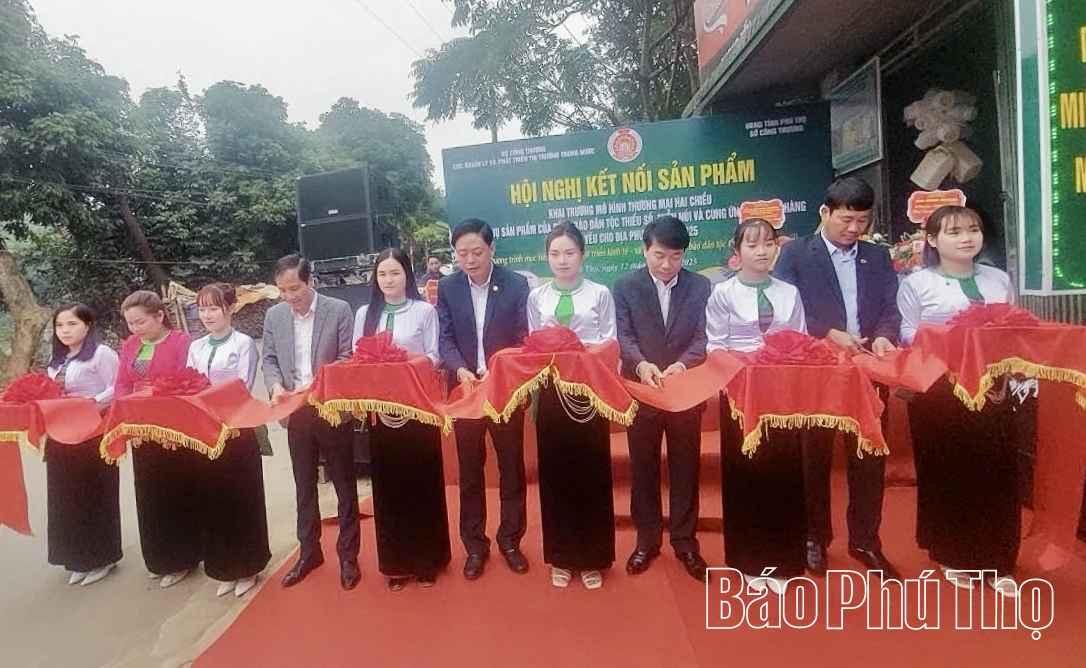
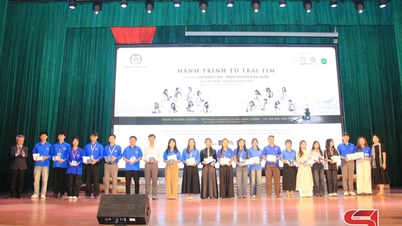
Delegates cut the ribbon to inaugurate the two-way trade model, opening a channel for connecting and selling products from ethnic minority communities.
For business owner Bui Thi Yen, being selected to implement the model is not only a business opportunity but also a long-term responsibility to local products.
Ms. Yen shared that previously, the store mainly sold groceries for the daily needs of the people in the commune; while OCOP products and highland specialties were only sold in small quantities, without the conditions for proper display. "With the support in building the model, adding display shelves, signage, and connecting with suppliers, I found sales easier, and people paid more attention to products from our own locality," Ms. Yen said.
Not only business owners, but also many households and cooperatives directly brought their products to introduce on opening day. Having a fixed sales point right in their area helps them reduce their dependence on traders and creates an additional channel to reach consumers. Some households said that instead of having to wait for market days or transport products far away, they can now store their goods at the sales point, which is both convenient and allows them to be more proactive in sales.
According to Deputy Director of the Department of Industry and Trade Duong Quoc Thang, the distinguishing feature of the two-way trade model is that it does not separate the goal of social welfare from market development. “The sales point not only supplies essential goods to people in ethnic minority areas but also serves as a place to purchase, display, and introduce OCOP products and local specialties. Through this, products from ethnic minority communities have more opportunities to access the market right from the place of production,” he emphasized.
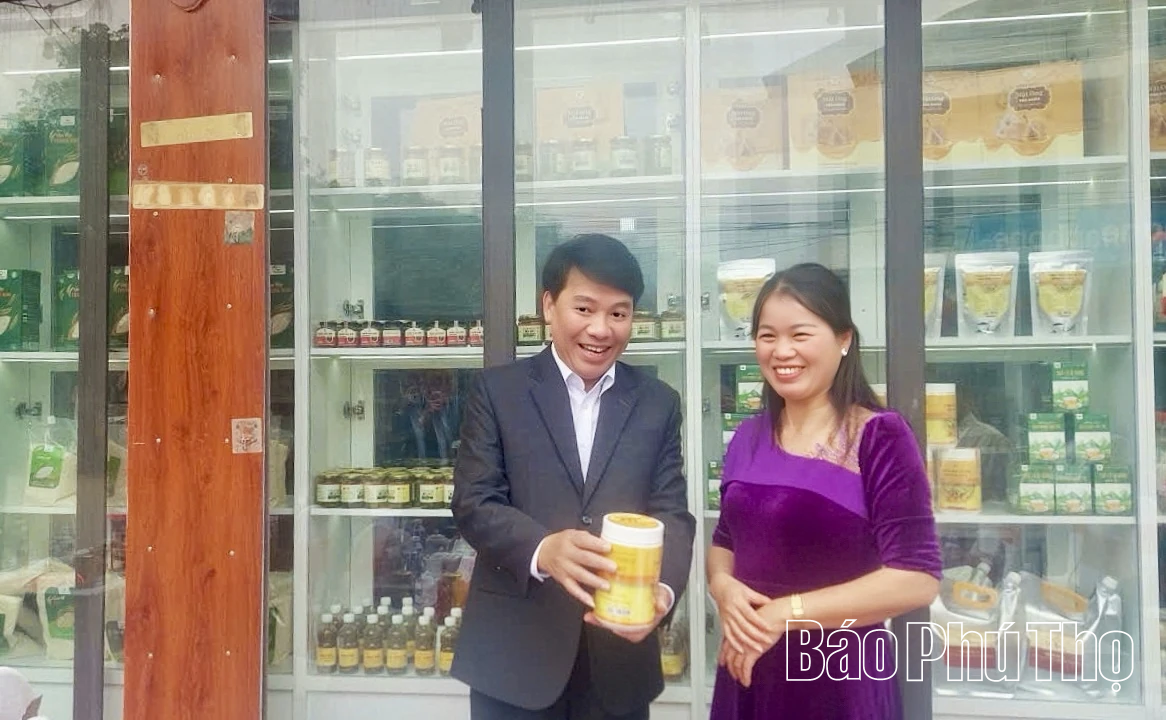
The two-way trade point in Nhan Nghia commune both supplies essential goods and serves as a channel for introducing and selling products of ethnic minority communities.
From a consumer perspective, the change is also quite noticeable. A resident of Nhan Nghia commune said that previously it was quite difficult to buy agricultural products and local specialties because they were rarely sold in concentrated areas. "Now, in one store, we can buy everything from essential goods, OCOP products, and specialties from our hometown, and we know the origin and price clearly, which makes us feel more secure," she shared.
From a small stall on opening day, the two-way trade model has demonstrated many synergistic values: convenience for sellers, more choices for buyers, and, more importantly, creating a stable consumption "address" so that highland products can gradually enter the market through a more systematic path.
When trade is linked to long-term livelihoods
Going beyond simply establishing a single point of sale, the two-way trade model designed by the Department of Industry and Trade of Phu Tho province is a comprehensive support chain, in which enhancing the capacity of participating entities is considered a key factor.
Through trade promotion training courses and supply-demand matching programs, producers, cooperatives, and business owners are gradually gaining new knowledge about sales organization, branding, packaging, labeling, and understanding market needs. As a result, the mindset of small-scale production and habitual sales is being replaced by a more proactive approach, linking products to specific standards and target markets.
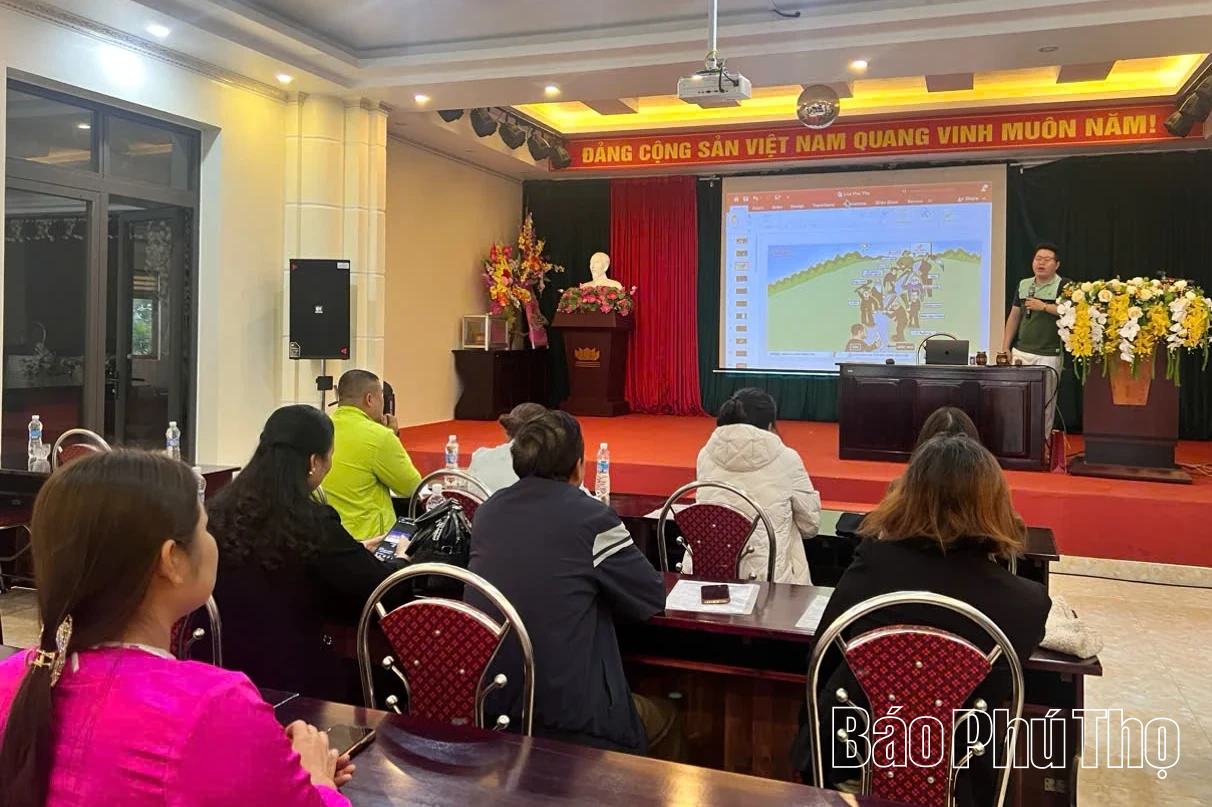
Training on digital sales skills (TikTok) for business households and cooperatives participating in the two-way trade model.
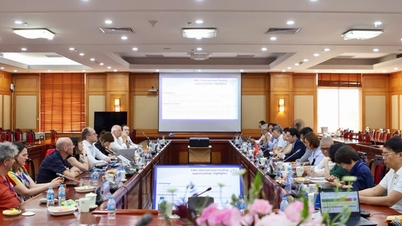
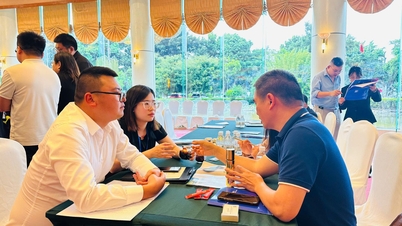
The product networking conference and sales point opening ceremony in Nhan Nghia commune is not just a formality; it opens up new market opportunities for products from ethnic minority communities. Here, products are not only introduced to local people but also connected with businesses and distributors, creating a foundation for expanding sales channels both within and outside the area.
According to Deputy Director of the Department of Industry and Trade Duong Quoc Thang, linking sales points with networking activities helps OCOP products and highland specialties avoid being "confined" to the boundaries of a single commune, and gradually participate in a broader distribution network. Based on practical implementation, the model in Nhan Nghia is identified as an important pilot site to gain experience and aim towards forming a stable consumption chain for local products.
However, the challenges were also frankly acknowledged. Purchasing power in mountainous areas remains limited; the management and operational capacity of some sales outlets still needs further strengthening; and connecting to markets outside the region requires time and perseverance.
Comrade Duong Quoc Thang stated that the industry will continue to accompany and support the model with expertise, trade promotion, and market connections so that it can gradually develop in depth, avoiding the situation of "grand opening followed by sluggish operation."
When trade is linked to long-term livelihoods, the two-way trade model not only helps solve the problem of consuming products from mountainous areas, but also creates motivation for people to boldly invest in production, increase the value of goods, thereby gradually improving their lives and participating more actively in the overall development of the locality.
Nguyen Yen
Source: https://baophutho.vn/mo-loi-tieu-thu-san-pham-vung-cao-244100.htm







![[Image] 500 regional dishes introduced to the people of Ho Chi Minh City and tourists.](https://vphoto.vietnam.vn/thumb/402x226/vietnam/resource/IMAGE/2026/03/27/1774576163392_001-jpg.webp)










![[Photo] Prime Minister Pham Minh Chinh receives the Chinese Ambassador to Vietnam](https://vphoto.vietnam.vn/thumb/1200x675/vietnam/resource/IMAGE/2026/04/05/1775397481797_ndo_br_dsc-5512-jpg.webp)






































Comment (0)