The Geminids meteor shower will reach its peak this weekend.
Discover the most spectacular meteor shower of the year, with over 120 meteors expected per hour on the night of December 13-14, ideal for observation from locations without artificial light.
Báo Khoa học và Đời sống•11/12/2025
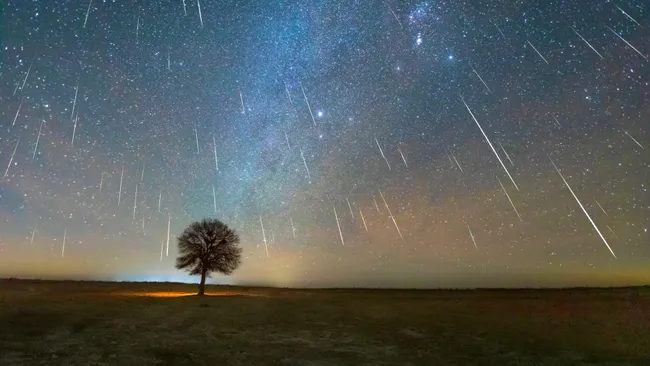
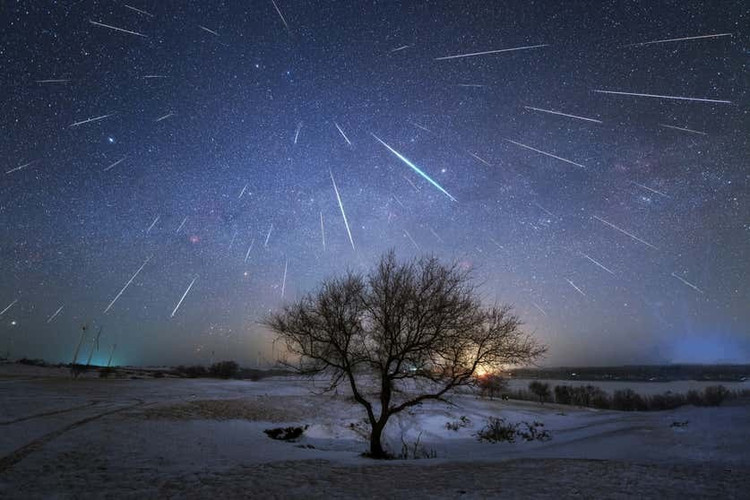
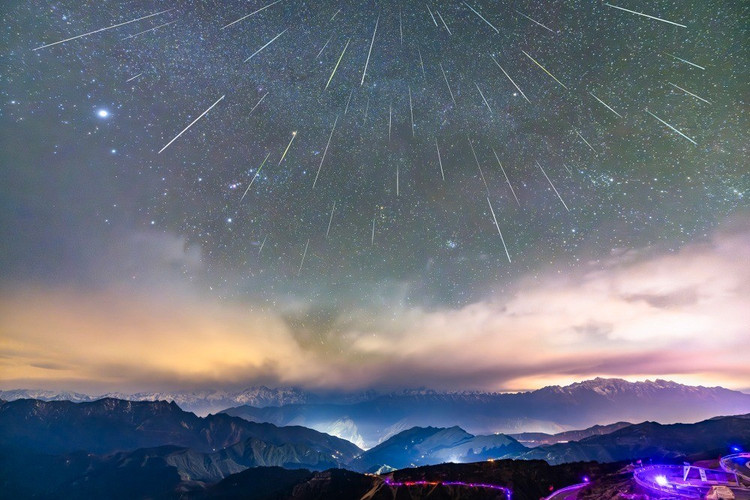
The Geminids are known as the "king" of meteor showers. This meteor shower is considered one of the most spectacular of the year, with the potential for around 120 meteors per hour at its peak. Photo: bjdlzx via Getty Images. The final Geminids meteor shower of 2025 began on December 4th. However, the intensity of this meteor shower is gradually increasing each day and will reach its peak this weekend. Photo: Jeff Dai/Stocktrek Images/Alamy.
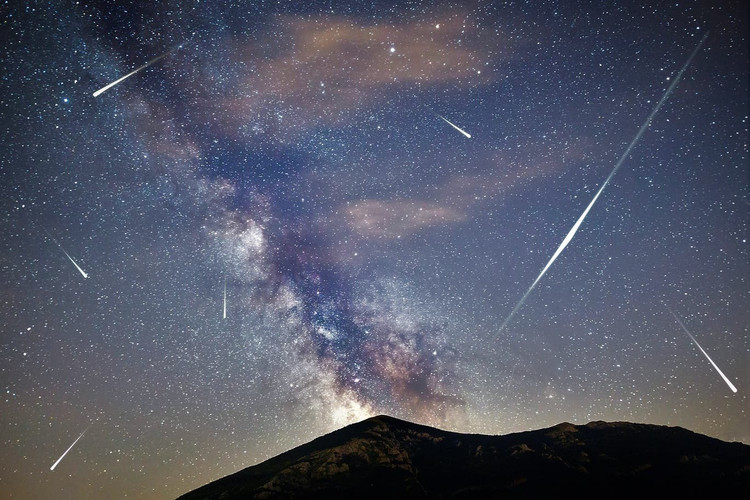
According to experts, the peak of the Geminids meteor shower will erupt in the sky on the night of December 13th and the early morning of December 14th. This will be the best time for astronomy enthusiasts to observe this fascinating phenomenon. Photo: Getty Images/iStockphoto. The ideal location to observe the Geminids meteor shower at its peak is in remote rural areas, unaffected by light pollution from urban streetlights. Photo: Anadolu via Getty Images, FILE.
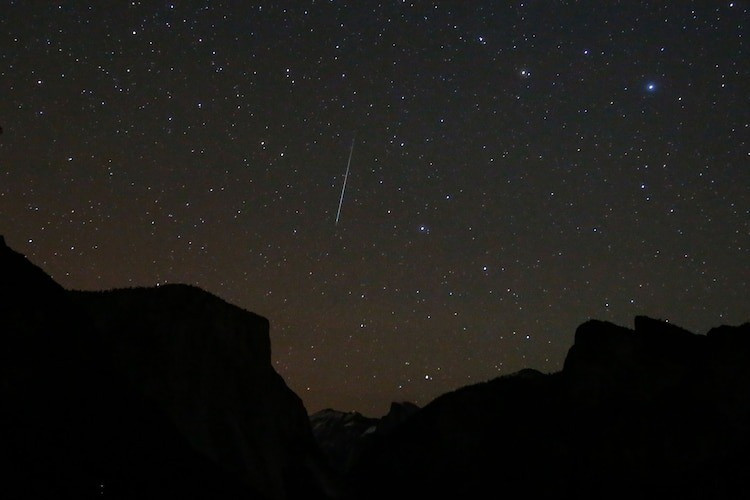
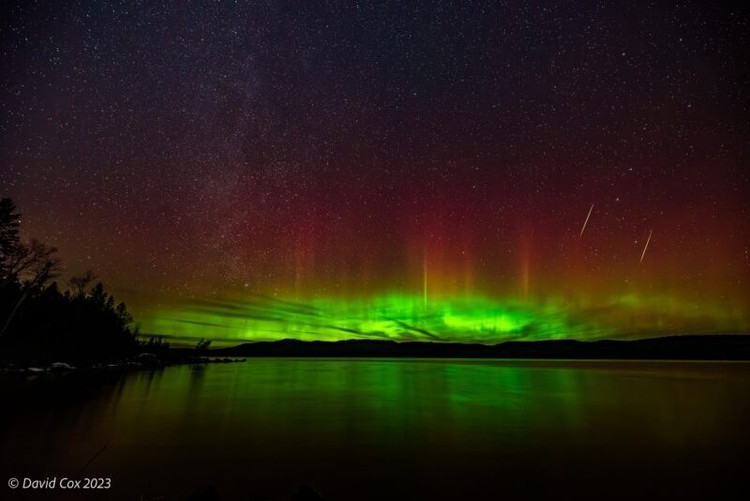
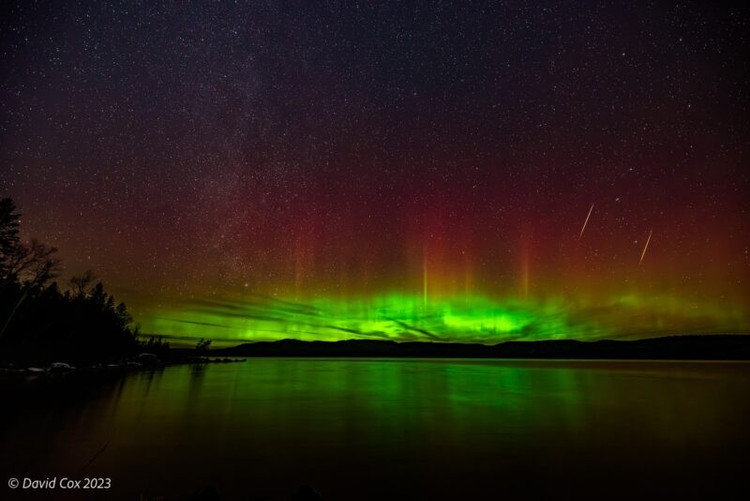
At that time, people could admire the spectacular sight of more than 100 meteors streaking across the sky every hour. Photo: EarthSky Community Photos. Experts say the Geminids meteor shower is best observed in the northern hemisphere. Photo: David Cox 2023. However, astronomy enthusiasts south of the equator still have a chance to admire this fascinating astronomical phenomenon after the sun rises around midnight. Photo: NurPhoto / Getty Images file.
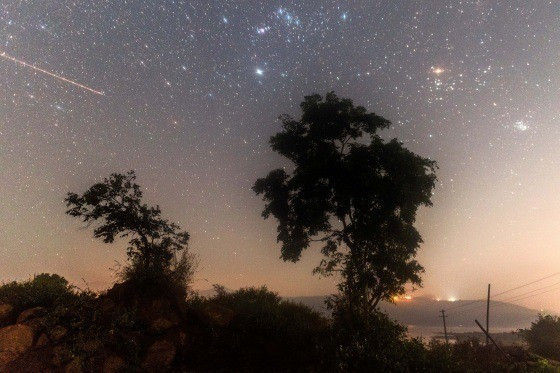
In Vietnam, astronomy enthusiasts can observe the Geminids meteor shower if they choose a location with a wide view and minimal artificial light (absolutely avoid observing from places with direct lights shining into their eyes). People can observe it with the naked eye without any equipment. Photo: Pratik Chorge / Hindustan Times / Getty Images file. Readers are invited to watch the video : Universe map with more than 900,000 stars, galaxies and black holes. Source: THĐT1.

 Báo Khoa học và Đời sống•11/12/2025










![[Photo] Prime Minister Pham Minh Chinh holds a phone call with the CEO of Russia's Rosatom Corporation.](/_next/image?url=https%3A%2F%2Fvphoto.vietnam.vn%2Fthumb%2F1200x675%2Fvietnam%2Fresource%2FIMAGE%2F2025%2F12%2F11%2F1765464552365_dsc-5295-jpg.webp&w=3840&q=75)
![[Photo] Closing Ceremony of the 10th Session of the 15th National Assembly](/_next/image?url=https%3A%2F%2Fvphoto.vietnam.vn%2Fthumb%2F1200x675%2Fvietnam%2Fresource%2FIMAGE%2F2025%2F12%2F11%2F1765448959967_image-1437-jpg.webp&w=3840&q=75)





























![[OFFICIAL] MISA GROUP ANNOUNCES ITS PIONEERING BRAND POSITIONING IN BUILDING AGENTIC AI FOR BUSINESSES, HOUSEHOLDS, AND THE GOVERNMENT](https://vphoto.vietnam.vn/thumb/402x226/vietnam/resource/IMAGE/2025/12/11/1765444754256_agentic-ai_postfb-scaled.png)
















































Comment (0)