Russian army, Ukraine conflict, Donetsk fighting, Ukrainian front line
Russia continues its offensive in Konstantinovka and Sofiyivka, putting pressure on Ukraine's defenses and creating an opportunity to break the stalemate in the Donetsk battlefield.
Báo Khoa học và Đời sống•11/12/2025
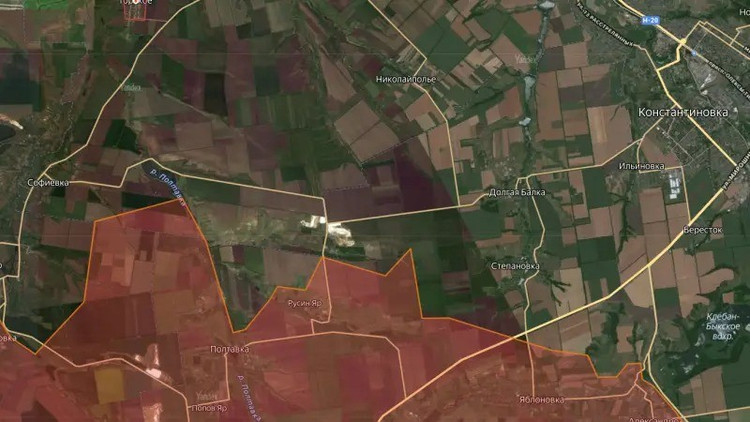
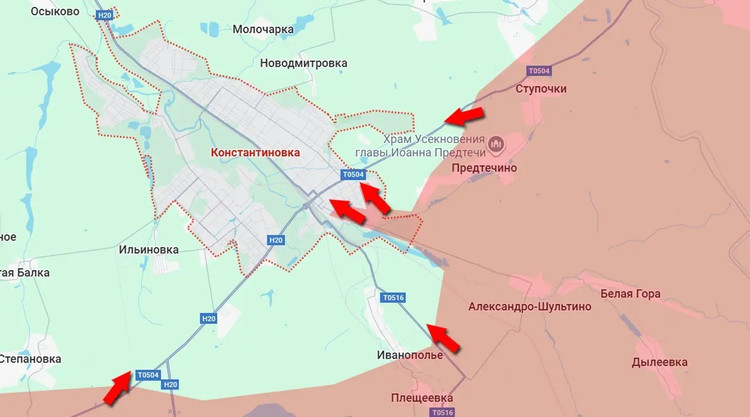
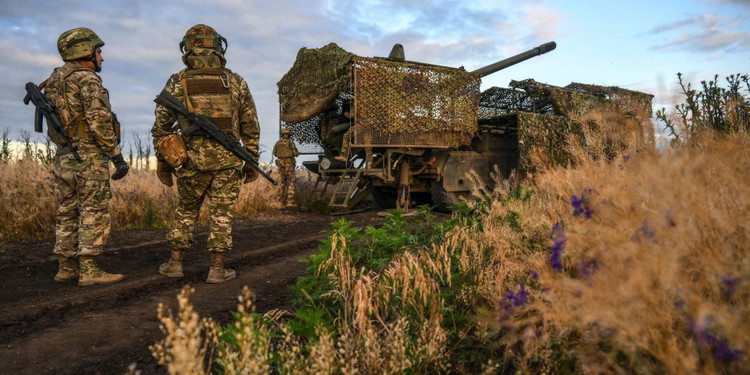
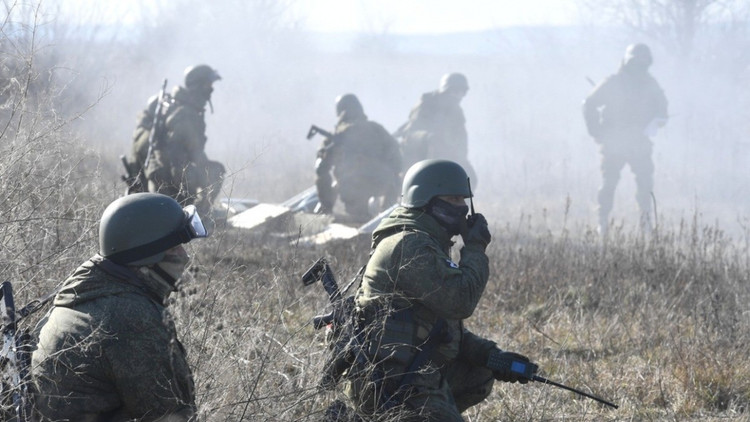
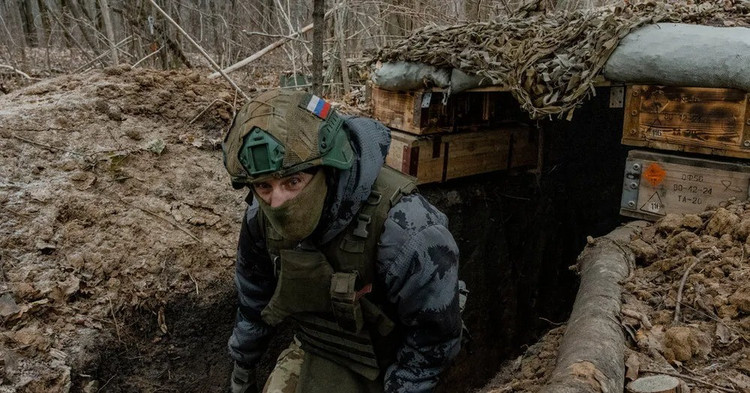
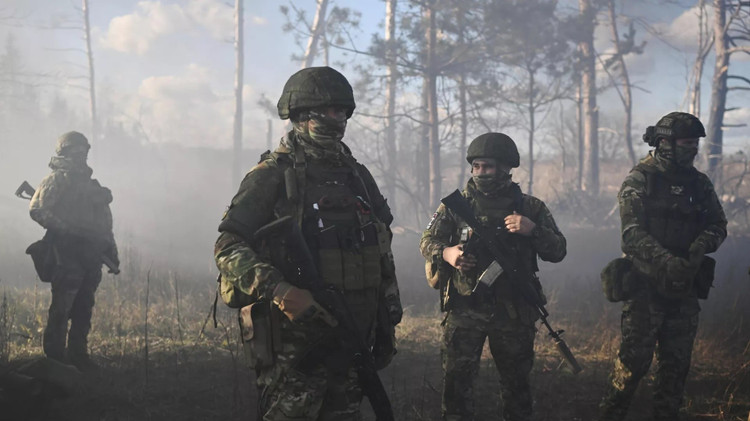
On December 9, 2025, the fighting in Donetsk entered a dramatic and intense phase, as the Russian offensive was reportedly expanding directly towards Konstantinovka. Reports from the front lines indicated that Russian forces had approached the rear of the Ukrainian army, stifling Kyiv's defensive lines along the Kramatorsk-Sloviansk axis. Meanwhile, in the Kramatorsk direction, the situation became even more unstable, as Ukrainian units reportedly withdrew from the front lines at Sofiyivka. Russia immediately advanced, reinforcing its position and turning it into a tactical springboard. Many experts warned that Sofiyivka was the gateway to Druzhkovka – a point that could change the course of the entire region.
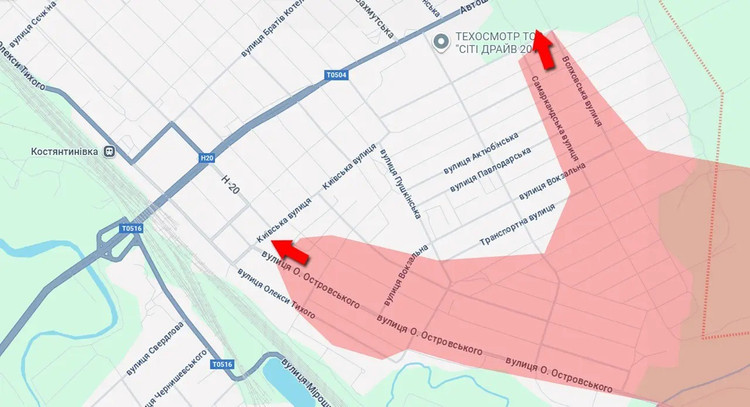
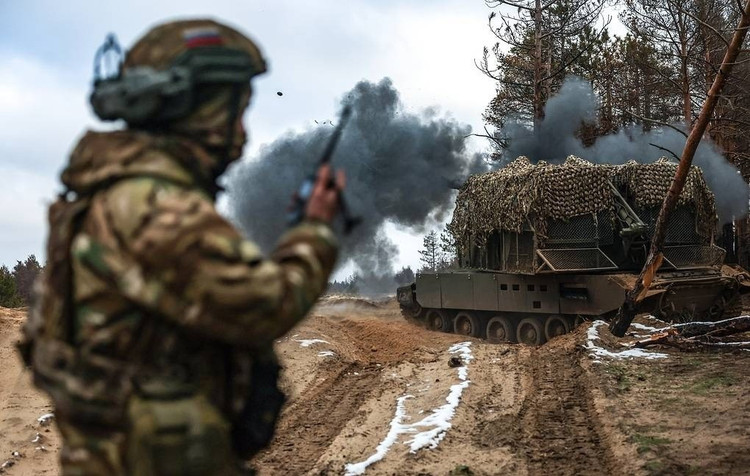
Experts believe that the loss of Sofiyivka has created a significant gap in Ukraine's logistical line at Kostiantynivka. If Russia continues its advance, Druzhkovka could become the next target, opening a way to penetrate a key Ukrainian defense line. For weeks, analysts have been warning about the possibility of Russia expanding its offensive along the southern Kostiantynivka contact zone. A weakening of this defensive line could immediately destabilize the Sloviansk-Kramatorsk defenses, putting Ukraine's entire defense system at serious strategic risk. Reports from the front lines indicate that Russia is opting for a tactic of small-scale attacks, gradually locking onto targets and then quickly consolidating its positions to block counterattacks. Although not particularly fast, this approach minimizes casualties, maintains a steady pace of attack, and slowly erodes Ukraine's defenses.
Furthermore, some of Ukraine's defensive lines at the battle points began to crumble, forcing defenders to retreat to rear positions to regroup. The gaps that formed on the control map quickly became targets for Russian forces to exploit, allowing them to gradually advance deeper into the remaining defensive lines in the area. In Myrnohrad, the situation is becoming clearer as fighting subsides, and local reports indicate that Russia has moved closer to controlling more populated areas. A significant portion of Seversk is also believed to be under Russian control, signaling a shift in control of the region. If this momentum continues, Russia could gradually build battlefield advantage, thereby opening a corridor to penetrate deeper into Ukraine's remaining key defenses in Donetsk. At that point, Kyiv's defenses along the strategic Sloviansk-Kramatorsk corridor could face direct and continuous pressure. Although Ukrainian leaders still insist there are no plans to withdraw troops from the rest of Donetsk, the current situation may force them to reconsider. Kyiv will likely have to balance holding the current line with preserving forces in the two important urban centers behind it.
Sloviansk and Kramatorsk are seen as the last remaining urban lines capable of halting the advance. If developments on the front lines continue to be unfavorable, Ukraine may have to prepare a deeper defense strategy to avoid the risk of being strategically cut off along this crucial transport axis. Many experts predict that Russia will continue its tactic of gradually encircling the enemy, progressively surrounding small strongholds while combining artillery fire and high-intensity air strikes. The goal is to wear down the enemy's strength, weaken their resistance, and force the defenders to retreat to the rear lines.
With fighting showing no signs of abating, Konstantinovka-Sofiyivka is seen as a key link that could shape the entire course of events on the Kramatorsk front. The coming weeks could witness a crucial turning point, as both sides seek to gain the initiative before winter arrives.


 Báo Khoa học và Đời sống•11/12/2025








![[Photo] Prime Minister Pham Minh Chinh holds a phone call with the CEO of Russia's Rosatom Corporation.](/_next/image?url=https%3A%2F%2Fvphoto.vietnam.vn%2Fthumb%2F1200x675%2Fvietnam%2Fresource%2FIMAGE%2F2025%2F12%2F11%2F1765464552365_dsc-5295-jpg.webp&w=3840&q=75)



![[Photo] Closing Ceremony of the 10th Session of the 15th National Assembly](/_next/image?url=https%3A%2F%2Fvphoto.vietnam.vn%2Fthumb%2F1200x675%2Fvietnam%2Fresource%2FIMAGE%2F2025%2F12%2F11%2F1765448959967_image-1437-jpg.webp&w=3840&q=75)



























![[OFFICIAL] MISA GROUP ANNOUNCES ITS PIONEERING BRAND POSITIONING IN BUILDING AGENTIC AI FOR BUSINESSES, HOUSEHOLDS, AND THE GOVERNMENT](https://vphoto.vietnam.vn/thumb/402x226/vietnam/resource/IMAGE/2025/12/11/1765444754256_agentic-ai_postfb-scaled.png)













































Comment (0)