

(NADS) - In recent years, Vietnamese photography has integrated more deeply with world photography through participation in international photography competitions and exhibitions, workshops, and photography training activities. This has created opportunities for the development of Vietnamese photography and enabled Vietnamese photographers to access the latest trends and advanced photography techniques from around the world.
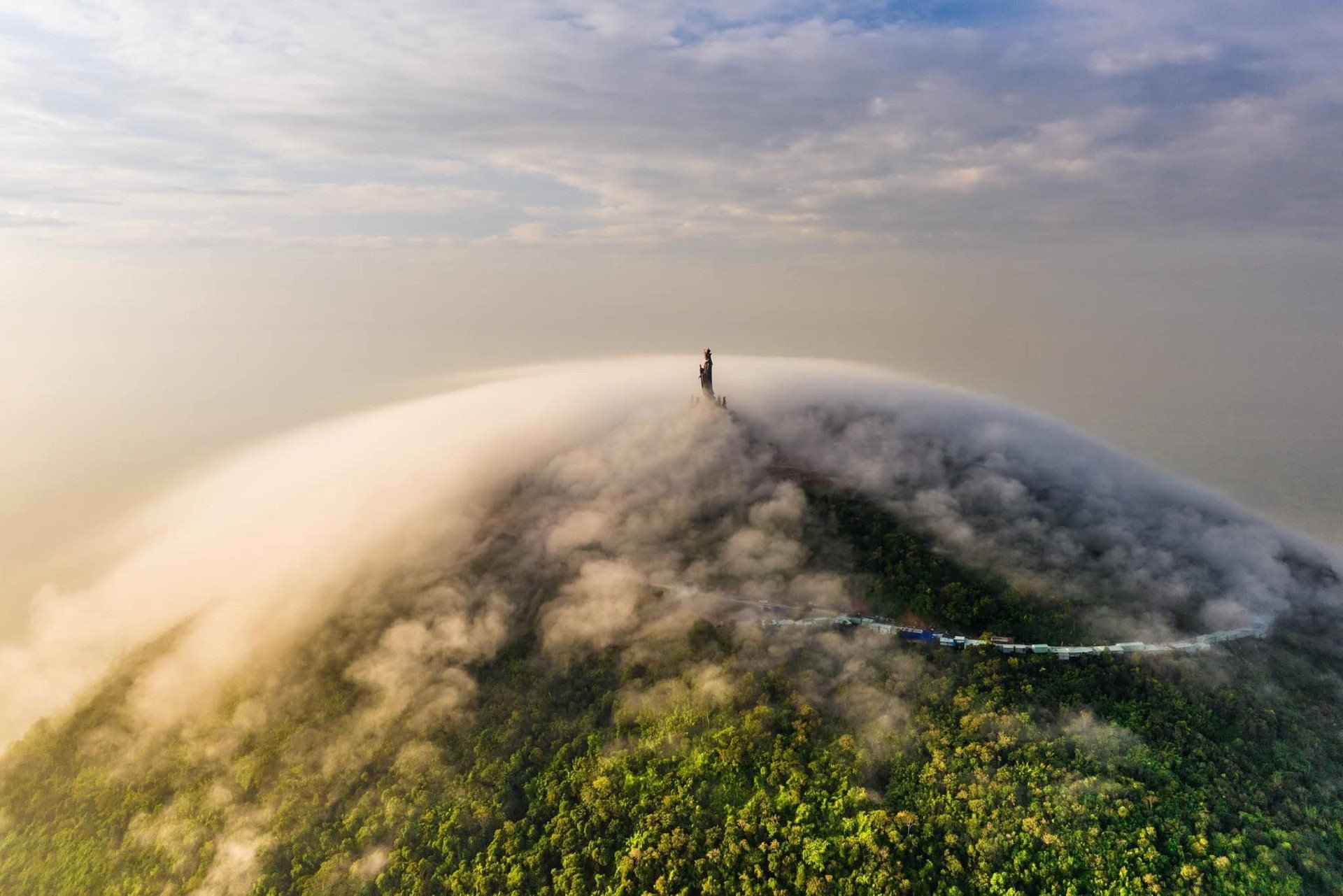
Contributions from domestic authors
In this trend of integration, Vietnamese photographers have also made significant contributions to the global photography community. Many Vietnamese photographers and artists have won numerous prestigious awards in reputable international photography competitions. Most recently, these include: the Sony World Photography Awards (with winners such as Pham Huy Trung, Nguyen Ngoc Thien, Nguyen Phuc Thanh, Tuan Viet, etc.); the SkyPixel International Aerial Photography Award (with winners such as Nguyen Khanh Vu Khoa, Pham Huy Trung, Khanh Phan, etc.); and the Allard Prize Photography Competition: In 2020, photographer Nguyen Thanh Hai won first prize in the Allard Prize Photography Competition with his series of photos "The Mekong – Stories of Man"...
These are just a few examples of international awards that Vietnamese photographers have won in recent years. Many more Vietnamese photographers are working hard to achieve other international awards in the future.
Some limitations and challenges
However, it must be said that the integration of Vietnamese photography with world photography is still limited and not yet complete. The issue of English language proficiency and access to international photographic resources remains a challenge for Vietnamese photographers. Nevertheless, with the development of the internet and other communication technologies, accessing information about world photography has become much easier than before. Recently, Canadian photographer Leo Goulet of UNICEF commented that the techniques and artistry employed by Vietnamese photographers in their works are not significantly different from those of the current global photographic landscape.
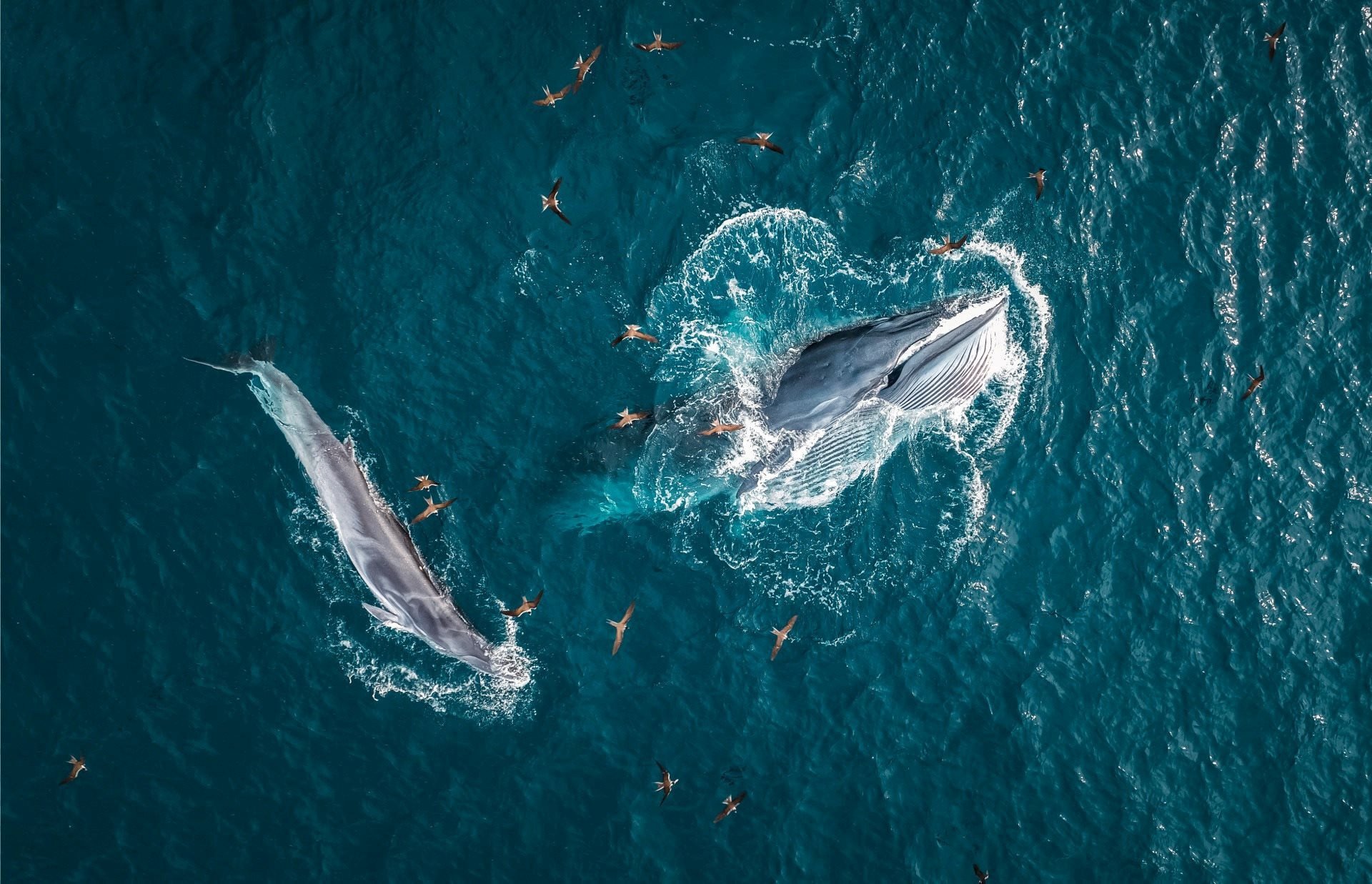
The Vietnam Association of Photographic Artists (VAPA) continues to engage in numerous activities to promote Vietnamese photography to a higher level and bring it closer to the world. However, the integration of Vietnamese photography into the professional world of photography still faces some limitations, which can be attributed to several key factors:
• Lack of investment resources: To train and develop professional photographers, significant investment in policy mechanisms and financial support from state management agencies is needed. A reasonable mechanism is required to mobilize resources from agencies and businesses.
• Human resource limitations : The number of highly qualified professional photographers capable of truly participating in international photography competitions and exhibitions is very limited. Although some young photographers have recently participated in international competitions and won high awards, their numbers are still small and the range of genres is not diverse.
• Lack of resources and experience : Vietnamese photographers still lack the experience and high academic qualifications to be on par with photographers from developed countries. Some professional photographers around the world often have specialized, modern technical equipment and approach the subject matter very differently from conventional methods to create their own unique style and path.
• Lack of connections and support : The lack of connections and support between Vietnamese photographers and international photographers is also one of the limitations on Vietnam's integration into the world's professional photography field.
• Limited photography market : The photography market in Vietnam is still very limited, making it difficult for professional photographers to survive and thrive in the Vietnamese photography market.
Therefore, in order to successfully integrate into the world's professional photography field, Vietnam needs to propose specific and synchronized solutions to overcome the above limitations, in which the leading role of state management agencies in this field is extremely important.
The role of regulatory agencies
Regulatory bodies in the field of photography in Vietnam play a crucial role in promoting the integration of Vietnamese photography with the world. These bodies include:
Ministry of Culture, Sports and Tourism: The Ministry of Culture, Sports and Tourism is responsible for proposing policies, developing plans and strategies to support the Vietnamese photography industry. The Ministry also organizes international events, such as launching competitions or holding international photography exhibitions, to promote the image of Vietnamese photography to the world.
The Vietnam Association of Photographic Artists is the official organization representing the Vietnamese photography community. The association is responsible for organizing activities such as photography exhibitions, workshops, and international photography competitions to showcase Vietnamese photographic talent and products to the world.
Media and press: Media and press play a crucial role in promoting the image of Vietnamese photography to the world. Reporters and journalists can write about photographers and photography exhibitions in Vietnam to introduce Vietnamese photographic products to the world.
All these organizations play a crucial role in promoting the integration of Vietnamese photography with the world, enabling Vietnamese photographers to interact with and learn from highly skilled photographers worldwide.

What direction should Vietnamese photography take in the process of integration?
The integration of Vietnamese photography with world photography is a continuous and ongoing process. We should have both short-term and long-term plans to gradually improve the national photography art, and then gradually keep pace with the development of the world.
To achieve this, we first need to improve the quality and diversify photographic products. We should focus on enhancing the quality of photographic products through diversification of genres, content, and photographic styles, rather than concentrating solely on outdated genres or content. Diversifying photographic products also helps meet the needs of diverse customer segments in the international photography market. Strengthening photography education and training is essential to improving the quality of Vietnamese photography and bringing it closer to world standards. Furthermore, encouraging and facilitating the participation of photographers in international photography competitions will, on the one hand, give Vietnamese photographers the opportunity to showcase their talent on the world stage, and on the other hand, allow them to compare the quality of their work with that of other countries. Enhancing interaction and exchange with international photographers is an effective way for Vietnamese photography to access and learn the latest methods, techniques, technologies, and trends from the world of photography. At the same time, this is also a way for international photographers to become aware of and interested in Vietnamese photography.
In the long term, state management agencies need to provide guidance and plan long-term development strategies to build a strong and professional photography community. This is one of the important factors for Vietnamese photography to integrate with the world. Photographers can learn from and share experiences and knowledge with each other, participate in photography activities such as exhibitions, discussions, and undertake large-scale photography projects with foreign partners to promote the image of Vietnam and its people, and to serve the country's political objectives.

Source link




















![[Video] The craft of making Dong Ho folk paintings has been inscribed by UNESCO on the List of Crafts in Need of Urgent Safeguarding.](https://vphoto.vietnam.vn/thumb/402x226/vietnam/resource/IMAGE/2025/12/10/1765350246533_tranh-dong-ho-734-jpg.webp)


















































Comment (0)