

After more than a decade of consistent presence in the market, the Nissan Navara is preparing to enter a completely new generation with a major change: sharing its platform and technology with the Mitsubishi Triton. However, Nissan asserts that it will refine the structure, suspension, and design so that the Navara retains its own identity and does not become a mere copy of the Triton.
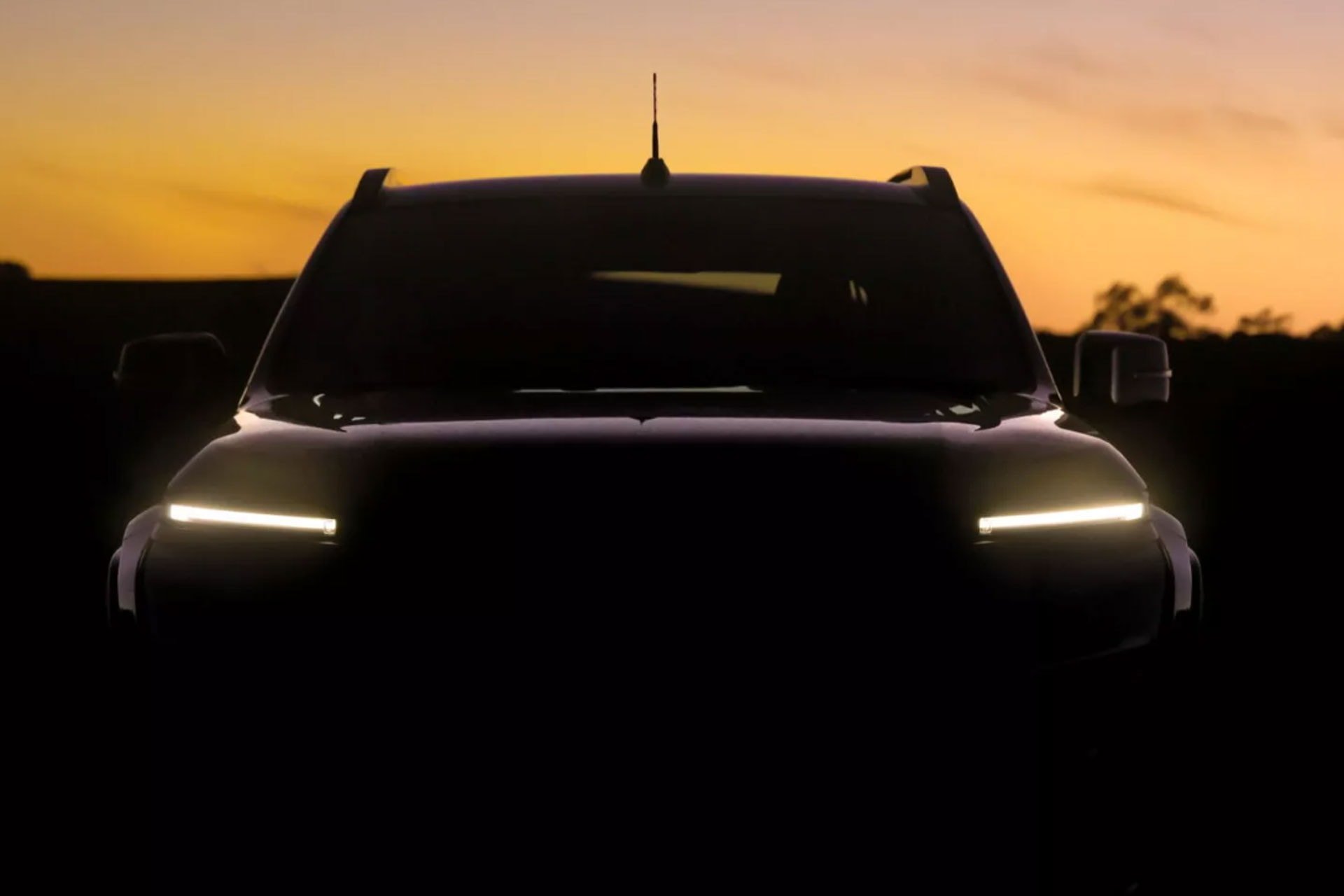
The global launch event is scheduled for November 19th. The first batch of vehicles is expected for Australia and New Zealand from the first half of 2026. Besides the new technical structure, another highlight is that the Navara remains loyal to diesel engines – responding to the heavy-duty and long-distance touring needs of pickup truck customers – while Nissan is considering adding a plug-in hybrid (PHEV) version to capitalize on the electrification trend.
A fundamental turning point, a new engineering philosophy.
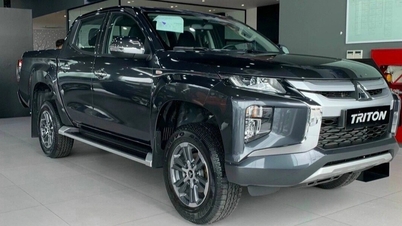
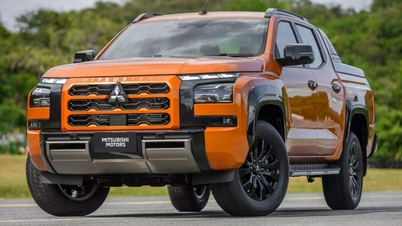
The new generation Navara is developed on a shared platform with the Mitsubishi Triton (launched in 2023). This is a separate chassis designed to increase torsional rigidity and payload capacity, which is the core of a versatile pickup truck. Despite sharing the same "backbone," Nissan says they will make significant adjustments: from body proportions and exterior/interior design to suspension setup, aiming to create a distinct difference in driving feel and brand image.
The "global Navara" strategy, while differentiating by region, has also been confirmed: the version for Australia/New Zealand will be separate from the Navara for South America and the Frontier Pro for China. This approach allows Nissan to optimize according to road conditions, safety standards, and usage needs of each market.
Nissan styling on the Triton chassis
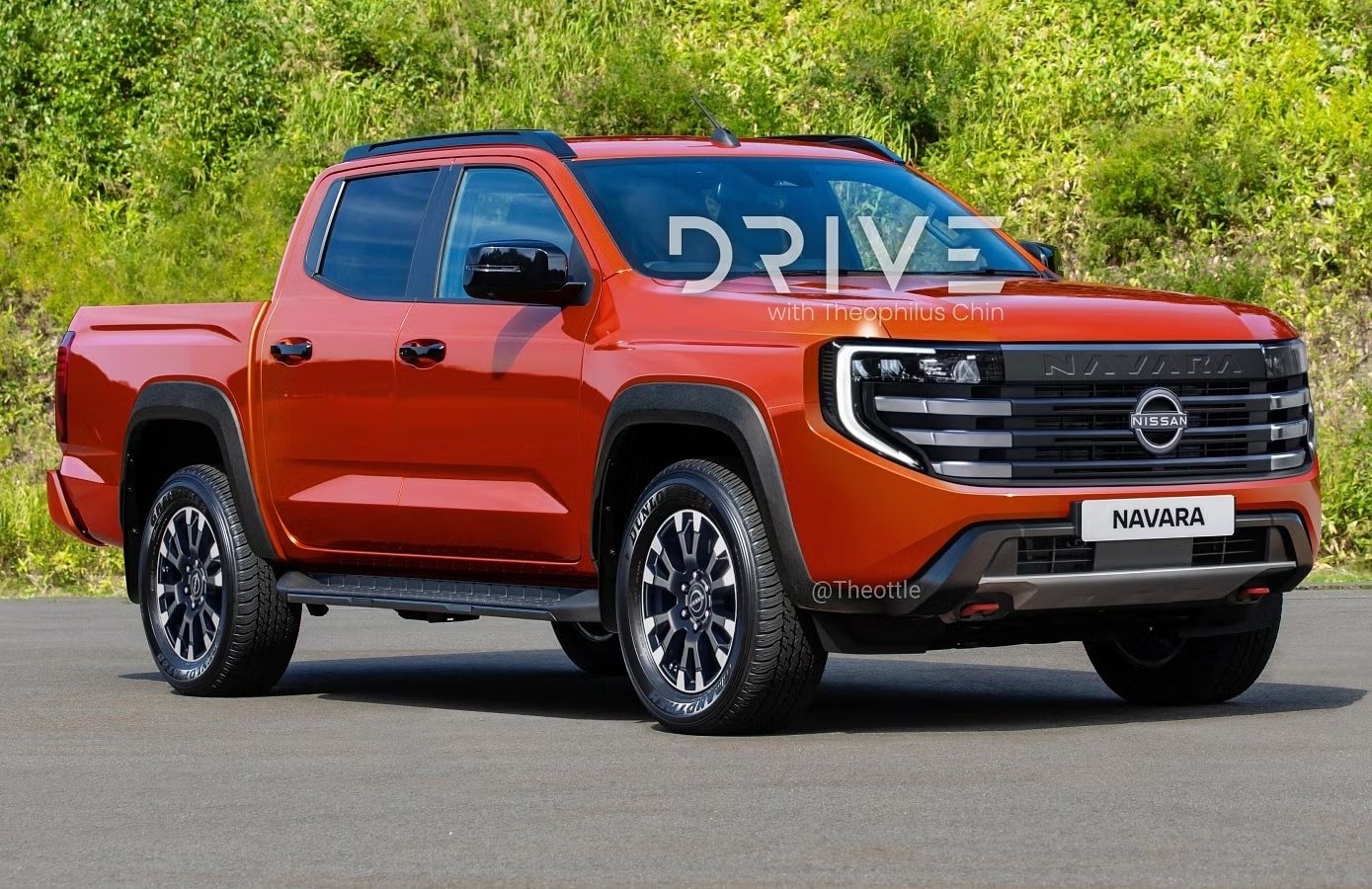
Based on the teaser images, the 2026 Navara boasts a stately, practical look while retaining the distinctive Nissan identity. Modern LED headlights, a muscular grille, and a sculpted hood evoke a sense of robustness. The rear features vertically split taillights – a choice prioritized for functionality and durability in harsh working environments. A sporty bed rail appears on the higher trim levels, emphasizing its off-road positioning.

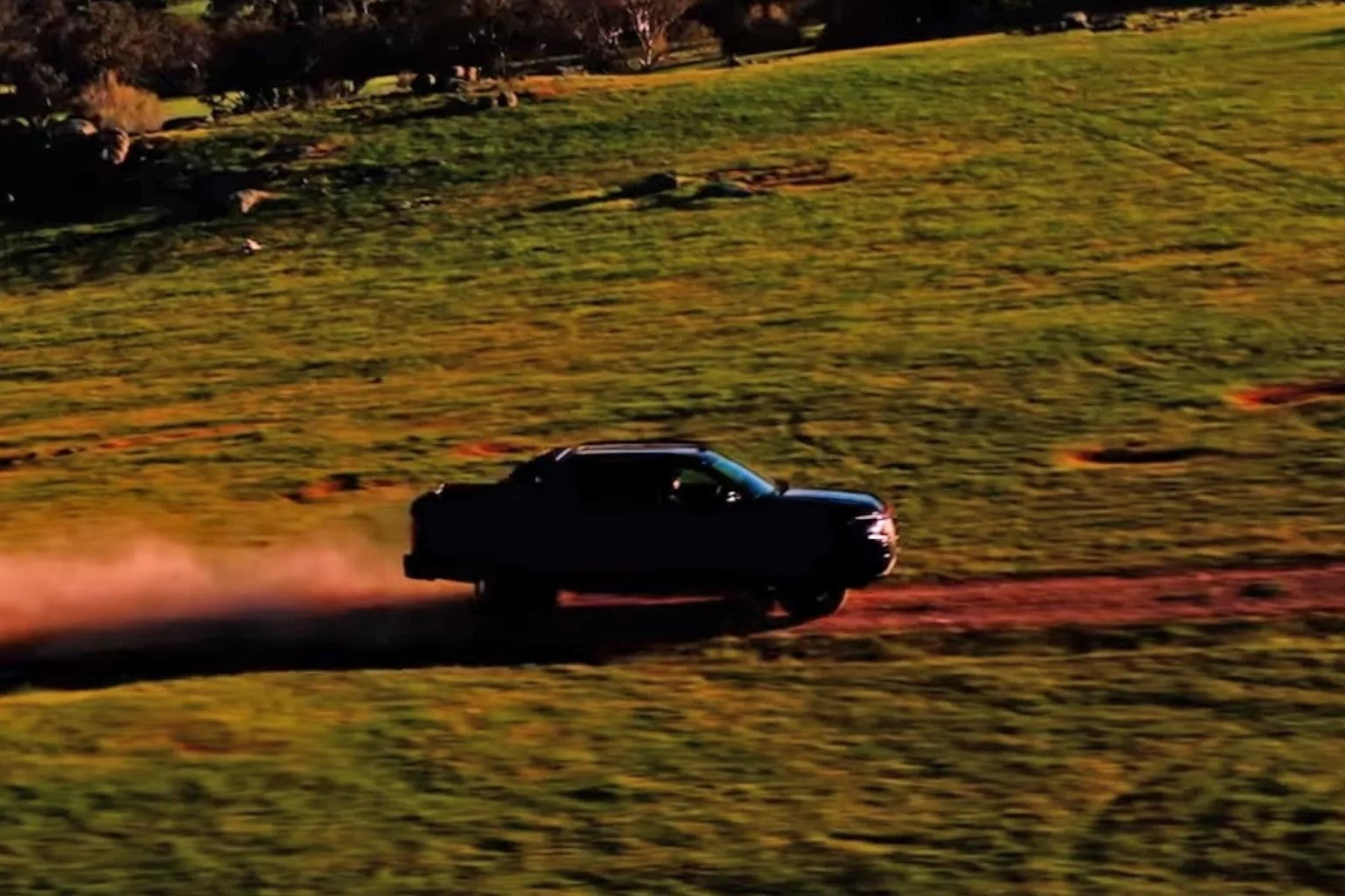
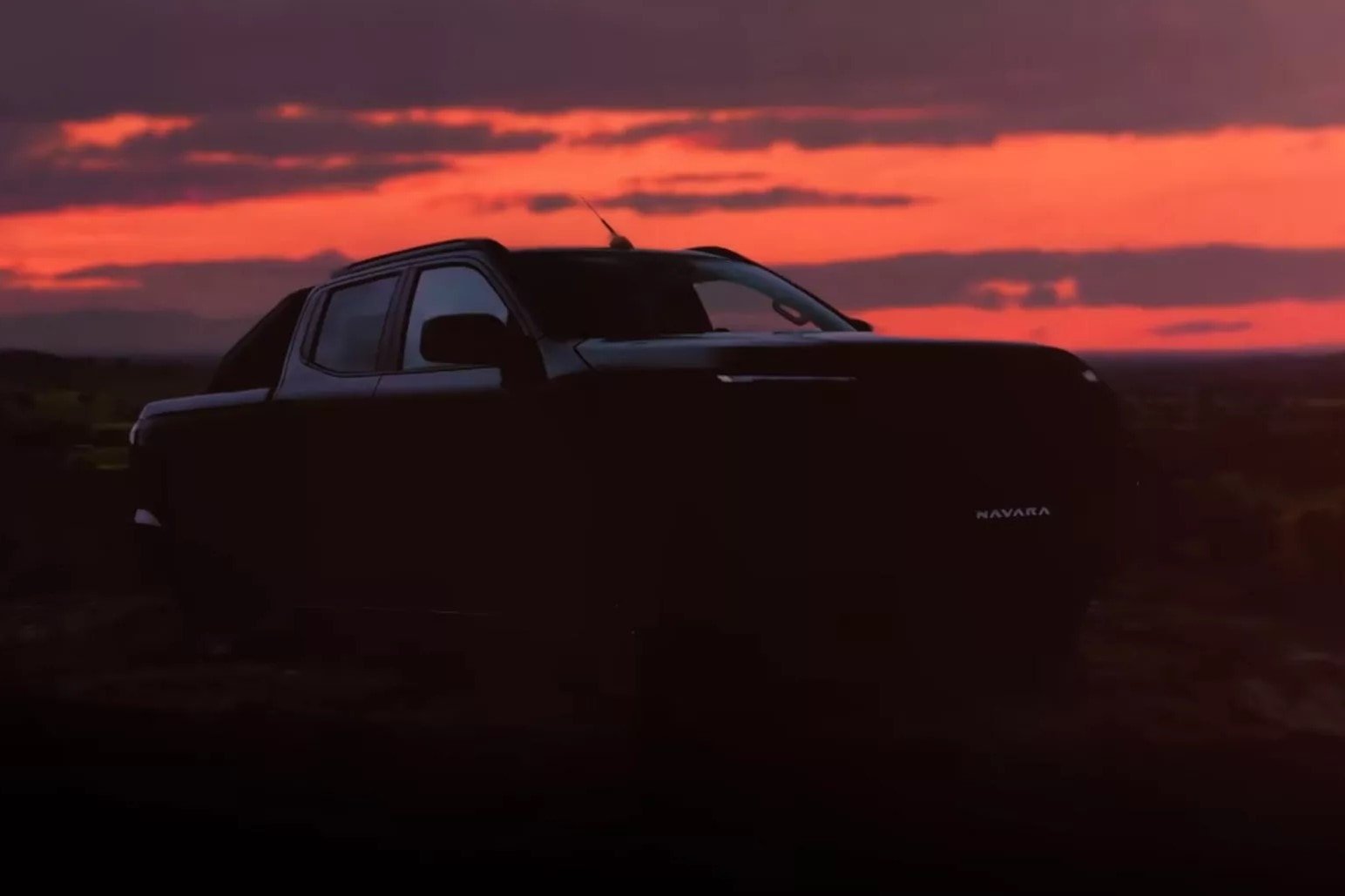
The product range is expected to include single-cab and double-cab configurations, catering to both commercial and family off-road use. Compared to the Triton, the Navara aims for a more "Nissan" look through its grille design, headlight graphics, and overall styling – emphasizing robustness and fewer curves.
Cockpit and user experience: awaiting announcement, expect practicality.
Nissan has not yet revealed images of the new Navara's interior. However, given its multi-purpose positioning, we can expect a straight-line dashboard layout, large function buttons, durable and easy-to-clean materials – a familiar philosophy in mid-size pickup trucks. The center screen, smartphone connectivity, and instrument cluster may be updated to keep up with segment trends, but specific details will become clear upon the vehicle's launch.
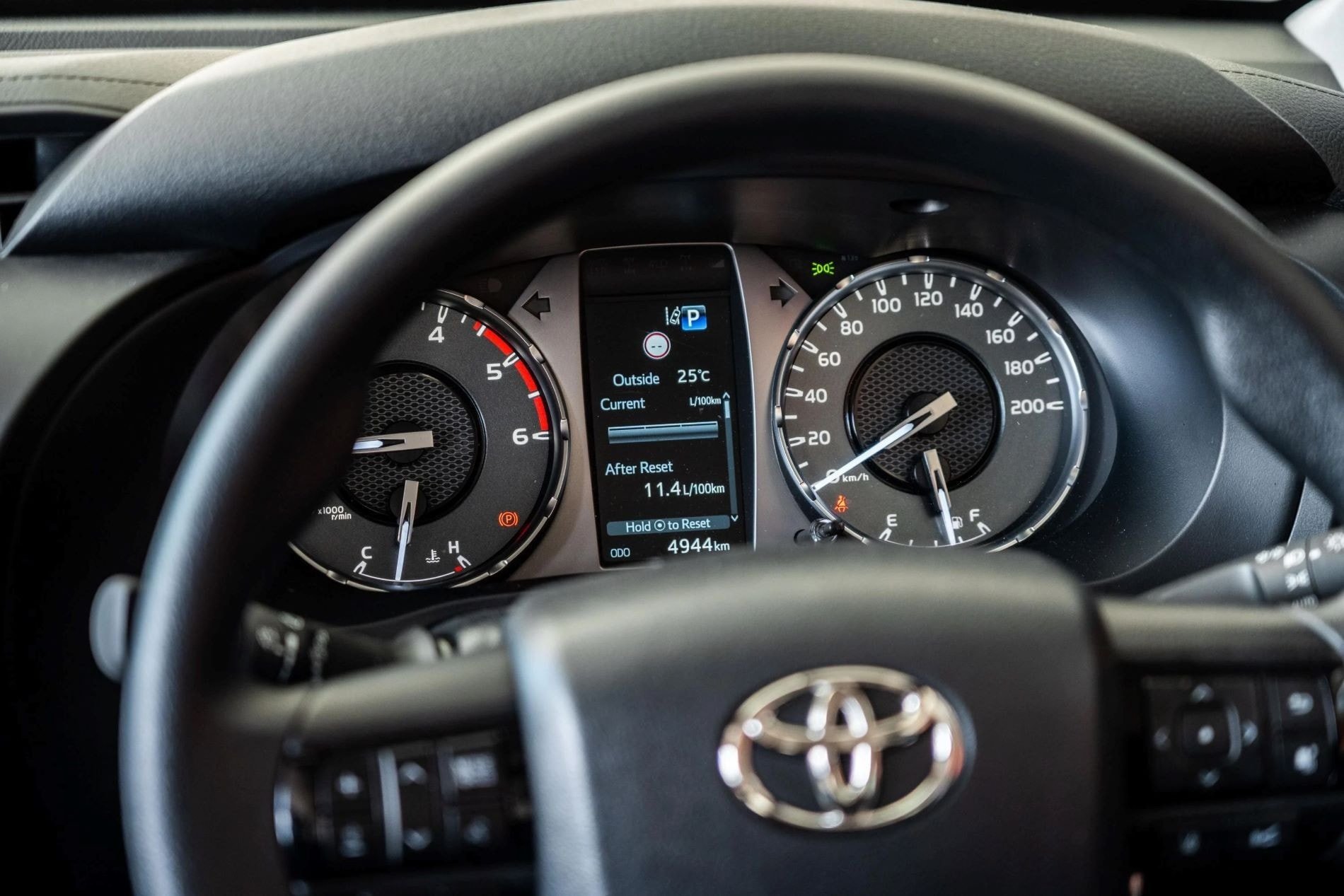
The competitive landscape also sets new standards: rivals like the new-generation Toyota Hilux, Ford Ranger, and Volkswagen Amarok have all significantly improved their digital interfaces and connectivity capabilities. The Navara will need to meet that threshold to maintain its appeal among individual customers.
Performance: 2.4L diesel and PHEV electrification capability.
In terms of performance, the 2026 Navara will most likely use a 2.4L turbocharged diesel engine, producing around 201 horsepower – similar to the current Triton. This choice prioritizes high torque at low RPMs and fuel efficiency, suitable for heavy loads. It will also feature a body-on-frame chassis designed for high torsional rigidity and good payload capacity, a key foundation for heavy hauling and off-road capabilities.
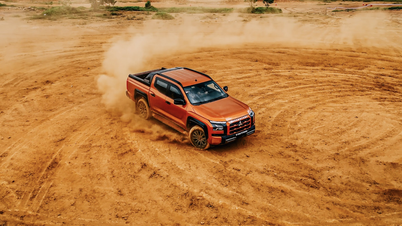
Nissan says it will fine-tune the suspension system to differentiate the Triton, from ride comfort on paved roads to durability on off-road terrain. Besides the standard version, the company plans to continue its collaboration with Premcar to develop the high-performance off-road Pro-4X Warrior – a counter-offer to the all-terrain versions of its competitors. Additionally, the possibility of a NISMO version remains open if the market responds positively.
In the medium term, a plug-in hybrid (PHEV) version is being considered. If realized, this would be a noteworthy configuration, balancing short-range electric driving capabilities with the torque of an internal combustion engine, complying with increasingly stringent emissions regulations in many countries.
Safety and driver assistance technology
The manufacturer has not yet released a detailed list of features. Based on the market segment, the Navara may be equipped with advanced driver assistance technologies depending on the market, such as blind spot warning, emergency automatic braking, lane keeping assist, and adaptive cruise control (ACC) Stop & Go. Independent safety ratings and airbag configurations will be updated upon the vehicle's launch.
Price, market, and competitors
The new generation Navara will go on sale in Australia and New Zealand from the first half of 2026; Southeast Asian markets, including Vietnam, are not yet confirmed. Simultaneously, South America will have its own version of the Navara – essentially an upgraded version of the model launched in 2014.
In this return, the Navara directly competes with a formidable lineup of rivals: the new generation Toyota Hilux, Ford Ranger, Volkswagen Amarok, Isuzu D-Max, Mazda BT-50, KIA Tasman, and BYD Shark. The Navara's advantage lies in its combination of a new technical platform, familiar diesel engines, and specialized off-road variants; the challenge is to differentiate itself sufficiently from the Triton and perfect the in-cabin digital experience.
Quick information board
| Item | Information |
|---|---|
| Release date | November 19th (global) |
| Foundation | Shared with the Mitsubishi Triton (separate chassis, prioritizing torsional rigidity and payload capacity) |
| Expected engine | 2.4L turbocharged diesel engine, approximately 201 horsepower. |
| Electrochemical version | PHEVs are being considered. |
| Body variant | Single cabin, double cabin (expected) |
| Performance version | Pro-4X Warrior in collaboration with Premcar (expected); NISMO may be included depending on the market. |
| Preferred market | Australia and New Zealand from the first half of 2026 |
| Southeast Asia/Vietnam distribution status | Not yet confirmed |
Conclude
The 2026 Navara marks a fundamental shift as it moves onto a shared technical platform with the Triton, but still maintains Nissan's identity through design refinements and suspension improvements. The 2.4L diesel engine is retained, while the PHEV option opens up prospects for electrification.
- Advantages : New platform prioritizes torsional rigidity and load capacity; keeps the diesel engine suitable for load demands; Pro-4X Warrior off-road oriented; market-driven product strategy.
- Limitations : Distinctive features compared to the Triton need to be verified in practice; detailed specifications and safety equipment have not been released; plans for Southeast Asia and Vietnam are unclear.
Source: https://baonghean.vn/nissan-navara-2026-buoc-chuyen-nen-tang-giu-may-dau-10308342.html


![[Image] Vietnam's colorful journey of innovation](/_next/image?url=https%3A%2F%2Fvphoto.vietnam.vn%2Fthumb%2F1200x675%2Fvietnam%2Fresource%2FIMAGE%2F2025%2F12%2F14%2F1765703036409_image-1.jpeg&w=3840&q=75)





























































![[Image] Vietnam's colorful journey of innovation](https://vphoto.vietnam.vn/thumb/402x226/vietnam/resource/IMAGE/2025/12/14/1765703036409_image-1.jpeg)




























Comment (0)