

The food processing villages are bustling with activity.
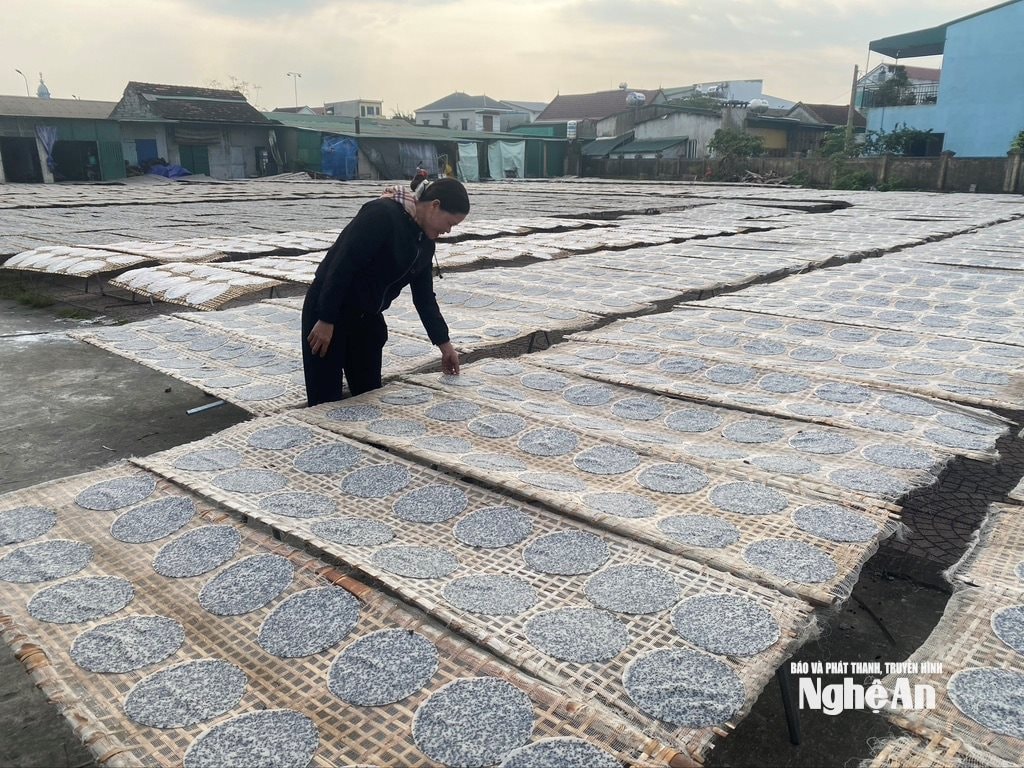
In the final days of the year, the traditional rice paper making village of Vinh Duc (Do Luong commune) becomes busier than ever. In the narrow alleys, the aroma of molasses, ginger, and roasted sesame seeds creates a sense of the approaching Tet holiday. The villagers diligently grind rice, make rice paper, dry it, and cook candy… creating a vibrant and characteristic scene of labor.
Ms. Nguyen Thi Tuyen, who has been involved in this profession for decades, said that her family and more than a dozen workers usually start work at 4 a.m. “We’re already busy on normal days, but we have to work even harder during the end-of-year period. It’s hard work, but it’s enjoyable because everything we make is sold as soon as it’s produced,” she shared. On average, her family processes about 800 kg of rice per day, producing thousands of rice paper sheets and spring roll wrappers to supply small traders and distributors inside and outside the province.
Currently, the Vinh Duc rice paper making village provides stable employment for over 200 households, with an income of 6-7 million VND per month. Besides serving as a source of income for the people, the village also helps consume a large quantity of agricultural products such as rice, sesame, and peanuts from neighboring areas, contributing to increasing production value and maintaining the traditional brand for many years.
According to the artisans, the secret to the distinctive flavor of Vinh Duc rice crackers lies in the ingredients. Fresh, fragrant Khang Dan rice, Nghe An molasses, carefully roasted sesame seeds and peanuts, and Ky Son ginger – a small but very spicy and aromatic variety – combine to create rice crackers that are both crispy and flavorful, with a unique taste found nowhere else.
According to representatives from Do Luong commune, the craft village supplies 1,400-1,500 tons of products to the market each year, generating billions of dong in revenue. Vinh Duc rice crackers and peanut candy are now available in many provinces and cities nationwide, becoming one of the local specialties thanks to their increasingly recognized quality.
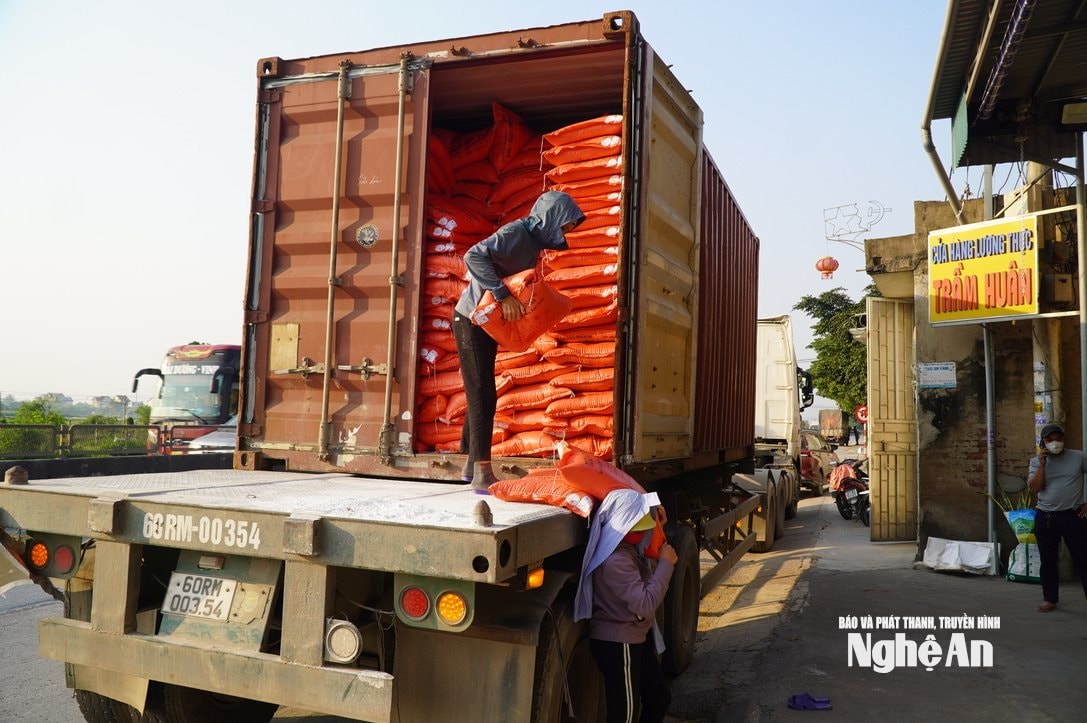
In Duc Chau commune, the atmosphere at Dong Ky agricultural processing village is equally vibrant. On average, the village supplies 7,000-8,000 tons of food products to the market each month; in the months leading up to Tet (Lunar New Year), the amount can double to meet demand. Glutinous rice and other high-quality rice varieties are the best-selling items.
A representative from the Duc Chau Commune People's Committee stated: "With the Lunar New Year approaching, this is the time for the craft village to increase production. At the same time, we are actively promoting our craft products, both for domestic consumption and export, to boost income."
The woodworking village proactively supplies its own raw materials.
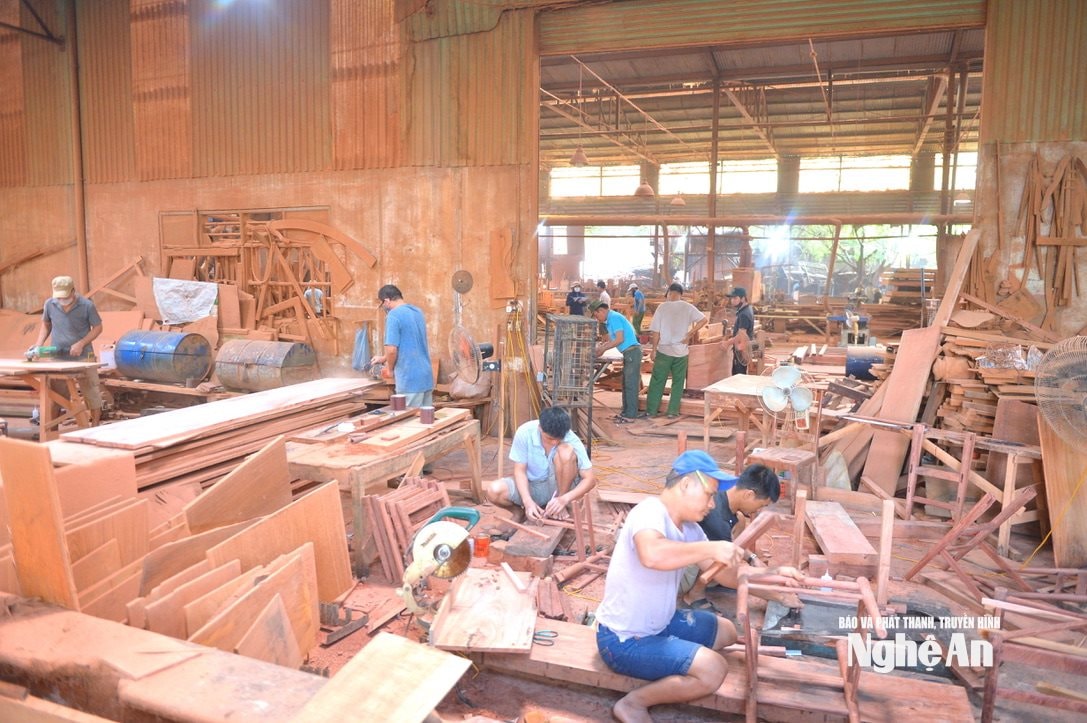
In Thai Hoa ward, the Quang Phong wood carving village is also entering its busiest period of the year. The sounds of saws and chisels echo regularly from morning to night, blending with the scent of fresh wood to create the characteristic working atmosphere of this long-standing craft village.
Mr. Tran Manh Thang, owner of a traditional woodworking workshop, said that from October to December, his family and workers had to work continuously to complete orders for doors, tables, chairs, cabinets, beds, and religious items, which typically see a surge in demand during the end-of-year period. However, market demand this year has decreased compared to previous years. “In previous years, we sold 3-5 sets of products a day, but now it's only 1-2. Despite the difficulties, we are still trying to maintain production to preserve the craft and serve our customers.”
Recognized as a traditional craft village since 2002, Quang Phong currently has nearly 200 households engaged in the craft, with dozens of shops along the central streets. The products are diverse in both design and price, ranging from a few million to hundreds of millions of dong, catering to the tastes of many consumer segments. Thanks to high skill and meticulous attention to detail, the products of this craft village have built a long-standing reputation. Local revenue reaches 70-80 billion dong per year, making a significant contribution to the economic development of households.
However, in the last two years, the craft village has faced difficulties due to the market shifting towards furniture made from engineered wood. Mr. Pham Tien Dung, Head of the Economic Department of Thai Hoa Ward, stated: “To adapt to the market, about 35% of households have switched to laying floors, tiling walls, or processing products from engineered wood. Despite the change in model, the income of workers remains relatively stable at 8-10 million VND per month.”
Not only Quang Phong, but also Dai Xuan carpentry village (Quang Chau commune) is busy preparing goods for Tet. With nearly 50 workshops and hundreds of regular workers, the craft village achieves an annual revenue of nearly 10 billion VND; the average income per worker is about 50 million VND/year.
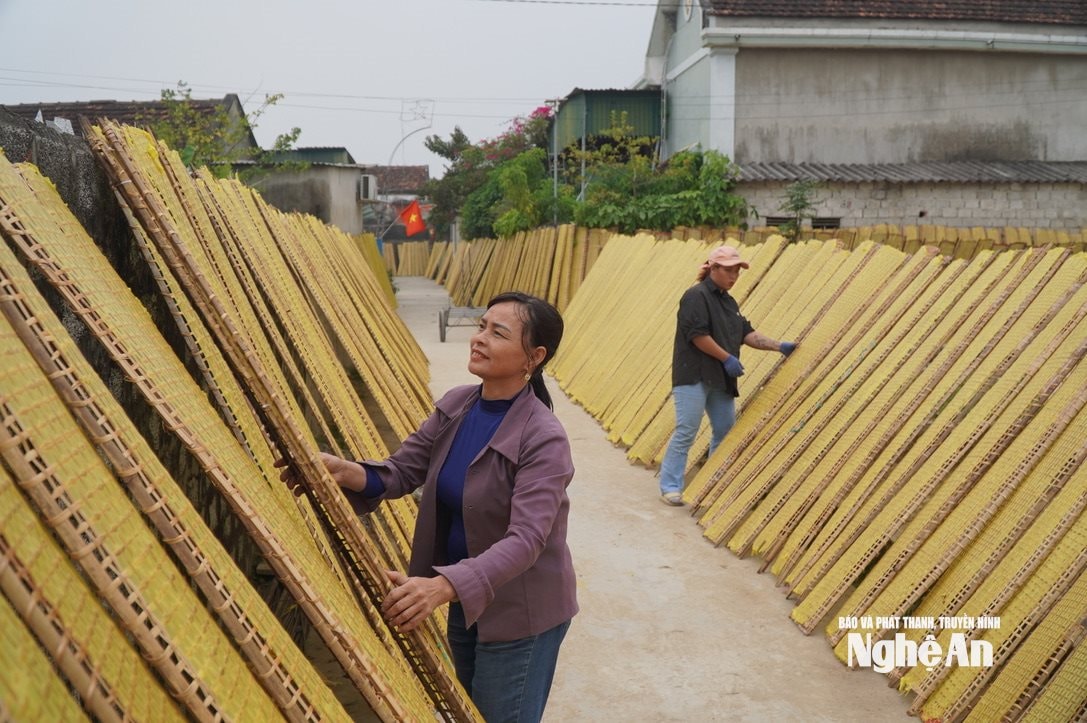
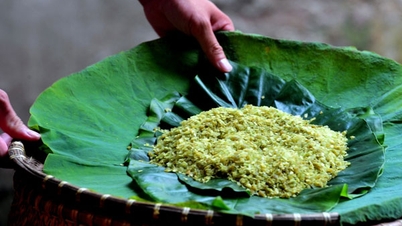
Furthermore, many craft villages have taken advantage of the OCOP (One Commune One Product) program. Products that receive certification not only receive financial support but are also widely promoted through media and social networks, creating a significant boost in brand development. Thanks to the application of scientific and technological advancements and innovation, the quality of craft village products such as rice crackers, incense, vermicelli, and sticky rice has improved significantly, helping them to stand firm in the market.
Besides production, many localities are implementing development orientations for craft villages linked with tourism and experiential education, creating synergistic value and opening up additional income sources for people. Nghe An is also promoting trade activities, organizing competitions and fairs on craft village products, and participating in national events to widely promote handicraft products.
Traditional craft villages in Nghe An are entering their busiest production season of the year, anticipating a bountiful harvest for Tet (Lunar New Year). Despite facing numerous market challenges and competition, these villages maintain their spirit of hard work, creativity, and innovation.
Source: https://baonghean.vn/cac-lang-nghe-o-nghe-an-tat-bat-vao-vu-tet-10315163.html























































































Comment (0)