

An archaeological site in eastern England has just revealed evidence of the earliest known instance of humans actively creating and controlling fire. This discovery is considered by archaeologists to be a surprising turning point in human history.
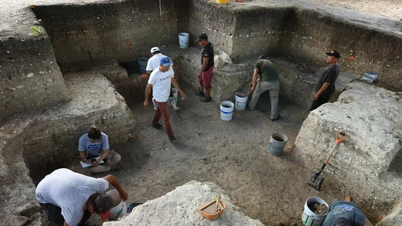
At the Barnham site in Suffolk, researchers unearthed fired clay forming a kind of fire pit, broken flint axes, and two pieces of pyrite. Pyrite is a type of rock used to create sparks and ignite fires.
The combination of these artifacts suggests that prehistoric people, most likely Neanderthals, were capable of intentionally creating and maintaining fire.
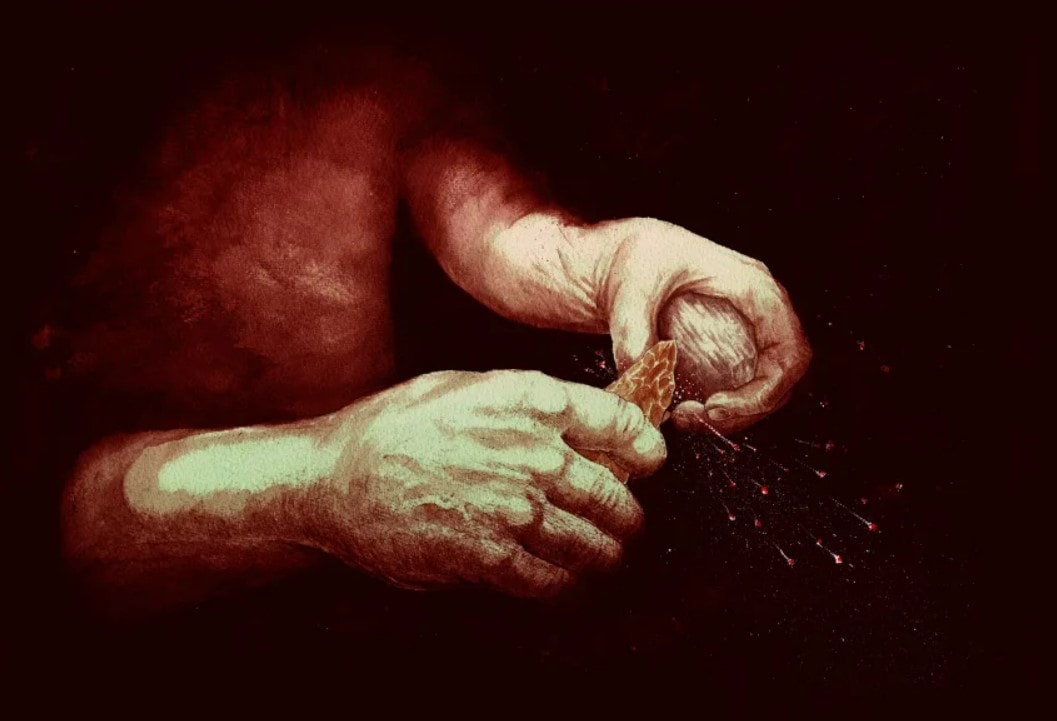
Discovered approximately 350,000 years earlier.
The lead author of the study on the Barnham site, Nick Ashton, said in a press conference: “This is a 400,000-year-old site where we have the earliest evidence of fire making, not just in Britain or Europe, but in fact, anywhere else in the world .”
The fact that humans began intentionally creating fire and cooking is one of the biggest questions in the study of human origins.
The ability to create and maintain fire helped the ancient people of Barnham to keep warm, ward off wild animals, and cook food, thereby increasing its nutritional value.
Controlling fire also brings many other benefits, such as creating adhesives, developing new techniques, and creating a social space where people can gather and talk.
The artifacts found at Barnham date back approximately 350,000 years earlier than the earliest known evidence of fire-making recorded in the archaeological record, which was found at a site in northern France.
Determining how and when humans first mastered fire is a major challenge. This is because traces of fire are easily lost, as ash and charcoal can be blown away by the wind, and burnt deposits can be eroded. Furthermore, distinguishing natural fire from man-made fire is extremely difficult.
For example, traces of fires have been found in inhabited areas of Israel, Kenya, and South Africa dating back 800,000 to over 1 million years. But scientists cannot rule out the possibility that these were simply natural forest fires.
Ancient people may have used fire generated by lightning or other natural phenomena, but it was still an unstable source of fire.
Conversely, the findings at Barnham suggest that the inhabitants of that time actively created fire and used it regularly.
Convincing evidence
The research team analyzed the red deposits at Barnham and found chemical properties that differed from those of natural fire.
The hydrocarbon signatures indicate higher temperatures due to concentrated wood burning, not widespread burning. Additionally, mineral alterations suggest that the fires occurred multiple times at the same location.
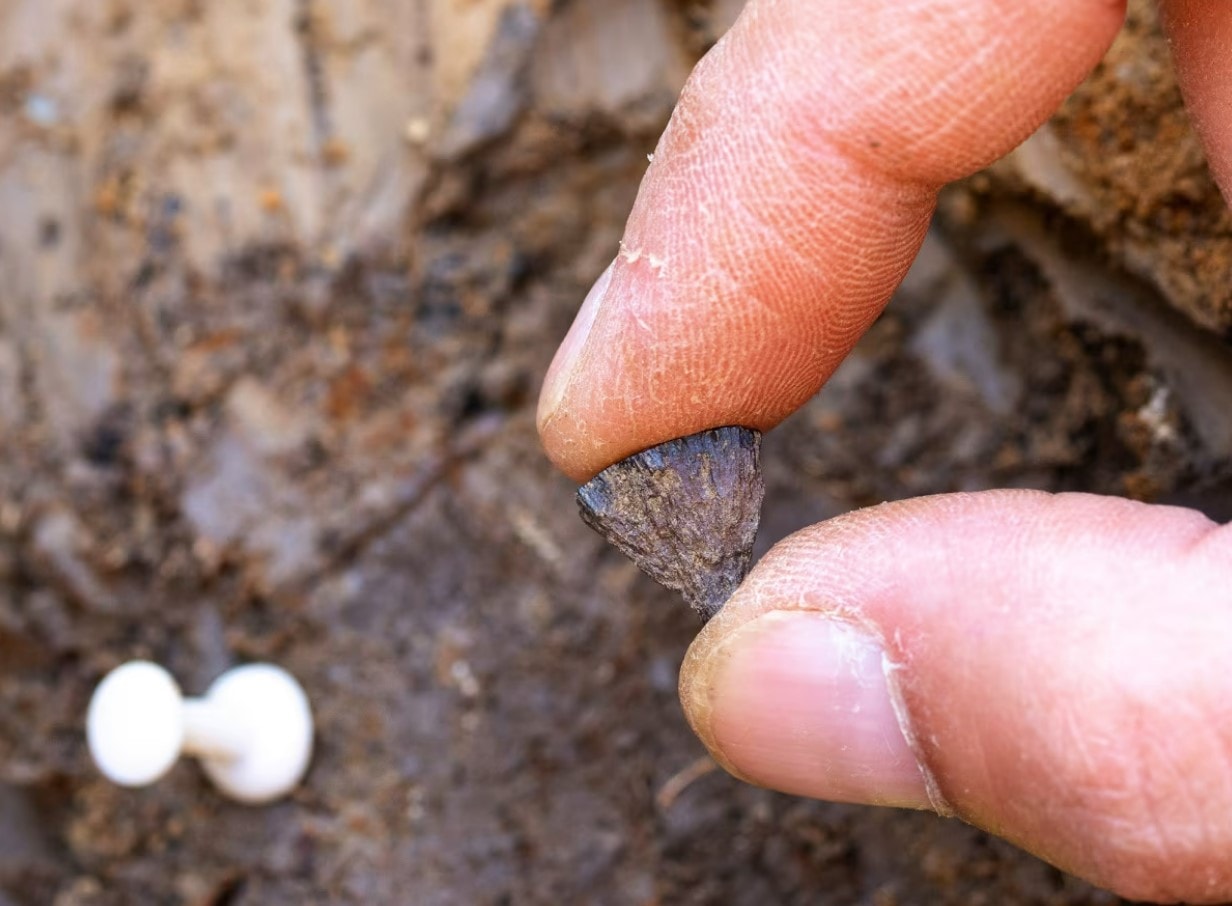
However, the most compelling evidence is the two pieces of pyrite, a mineral that can produce sparks when it comes into contact with flint, enough to ignite flammable materials like dried mushrooms. Pyrite is not readily available in the surrounding environment, suggesting that humans sought it out because they understood its fire-generating properties.
The flint axes found provide evidence of human presence at Barnham, although no prehistoric human bones have yet been discovered.
Source: https://congluan.vn/phat-hien-to-tien-loai-nguoi-da-tao-lua-tu-400-000-nam-truoc-10322425.html
































































































Comment (0)