Ukraine's defenses at Chasov Yar are in critical condition; Russia has breached the Zemlyanki "checkpoint".
Direct reports from the battlefield indicate that Russia has gained control of the entire Chasov Yar; however, Ukraine is still holding out in the Zemlyanki sub-district.
Báo Khoa học và Đời sống•03/07/2025
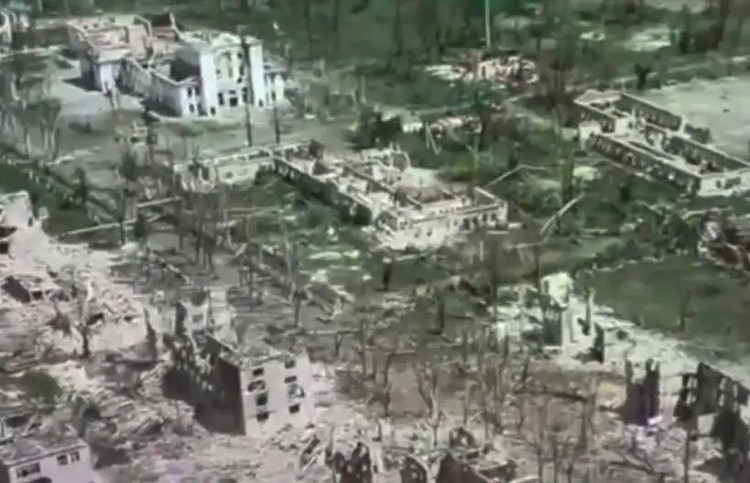
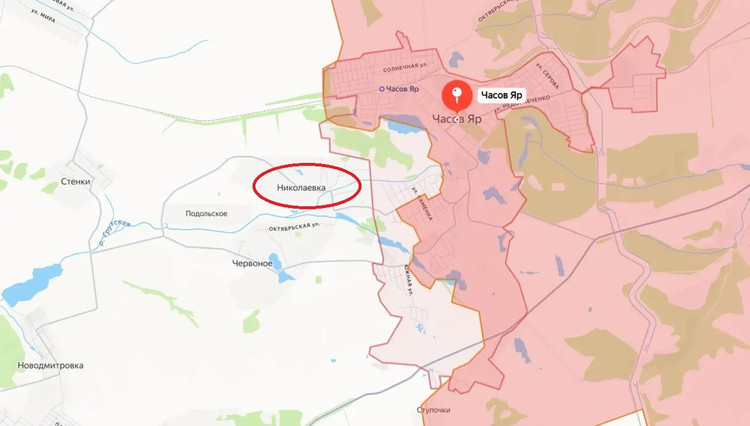
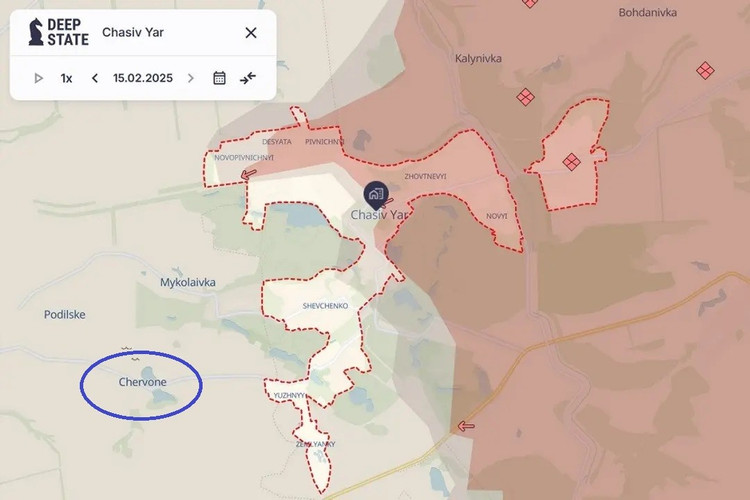
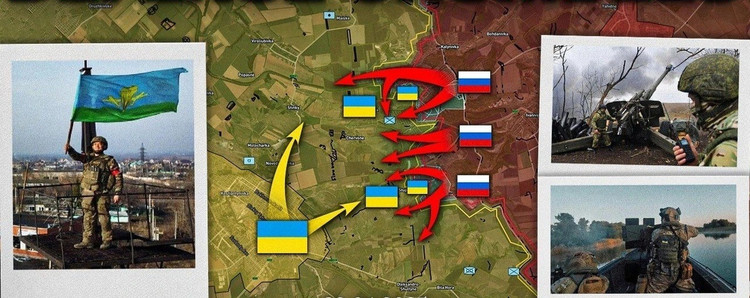
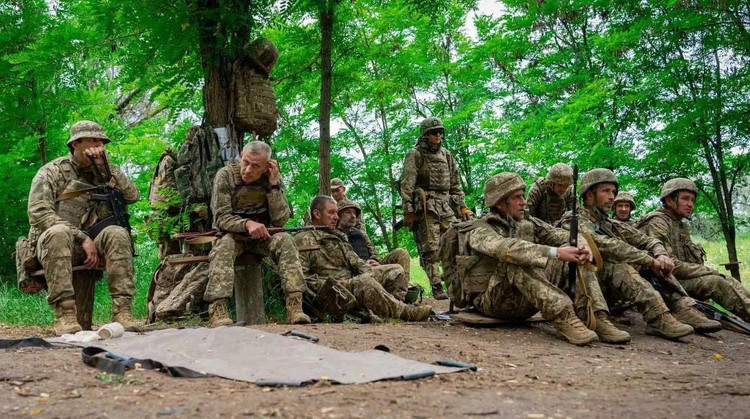
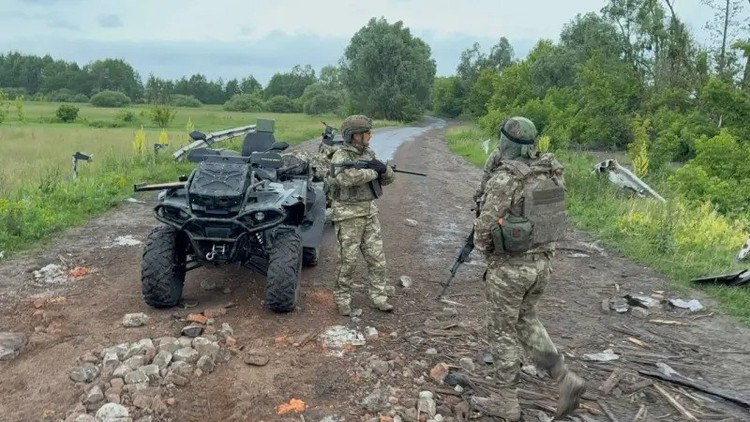
Here's the latest update on the intense fighting on the Chasov-Yarsky front. As of 8:00 PM (Moscow time, 0:00 AM Hanoi time) on July 2nd, several sources on the ground confirm that Ukraine has lost control of the city of Chasov Yar. According to Russia's Rybar channel, massive attacks were launched on Ukrainian Army (AFU) defensive positions in the village of Nikolaevka, west of Chasov Yar; and the AFU units there lost their fighting capacity, suffered heavy losses, and were forced to retreat.
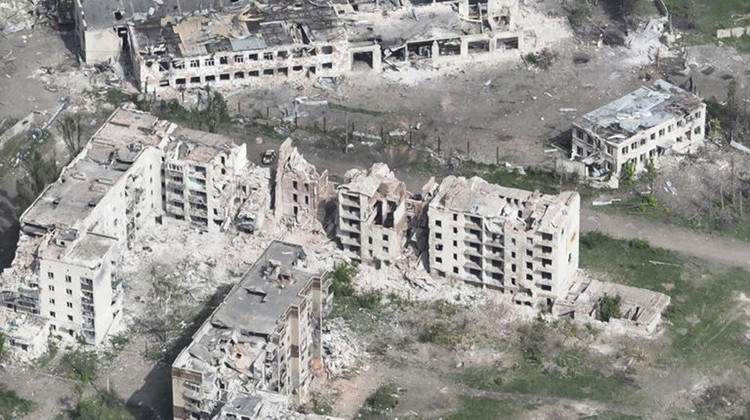
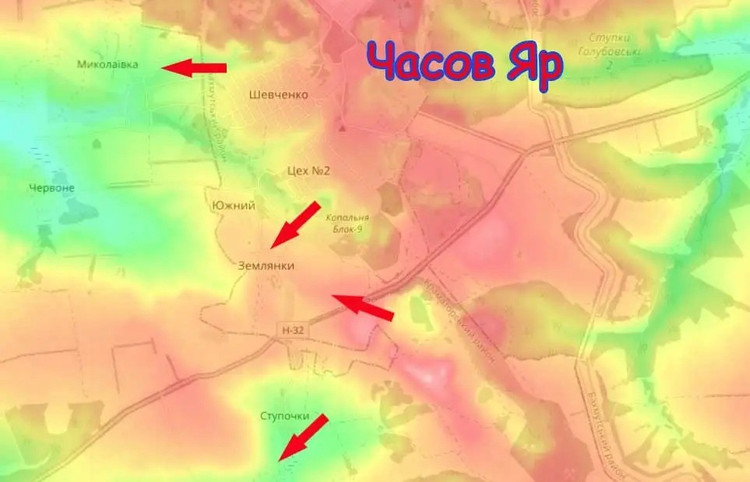
The Military Summary channel reported that Ukrainian troops have withdrawn from the village of Nikolaevka, located in the western part of the city of Chasov Yar, and confirmed that the 15-month battle for the city has effectively ended. Military Summary, citing its own battlefield sources, reported that the AFU had withdrawn from Nikolaevka to the nearby village of Podilske (known as Krasnoye in Russia). However, units of the RFAF's 98th Airborne Division had advanced there; it is worth noting that this unit had been fighting in Chasov Yar for the past 15 months. On the Chervone front, the Ukrainian defenders faced greater difficulties because the village was located in a low-lying area, while the Russians controlled the high ground to the west, giving them a significant advantage over the village. Therefore, the future of the Ukrainian defenders there was easily predictable. But it is still too early to say whether Russia has complete control of Chasov Yar, as remnants of the AFU are still trying to hold out in the Zemlyanki sub-district, located southwest of the city's perimeter. However, essentially, Ukrainian forces can only hold out in the mining area of Zemlyanki, and this can hardly be considered an active defense. Essentially, this is an attempt to hold onto even just "one square meter of land," so that Kyiv can assert that it still controls the area. It will certainly become a focal point for Russian firepower. But even then, it's not certain that the Russians can quickly wipe out the Ukrainian forces defending the area.
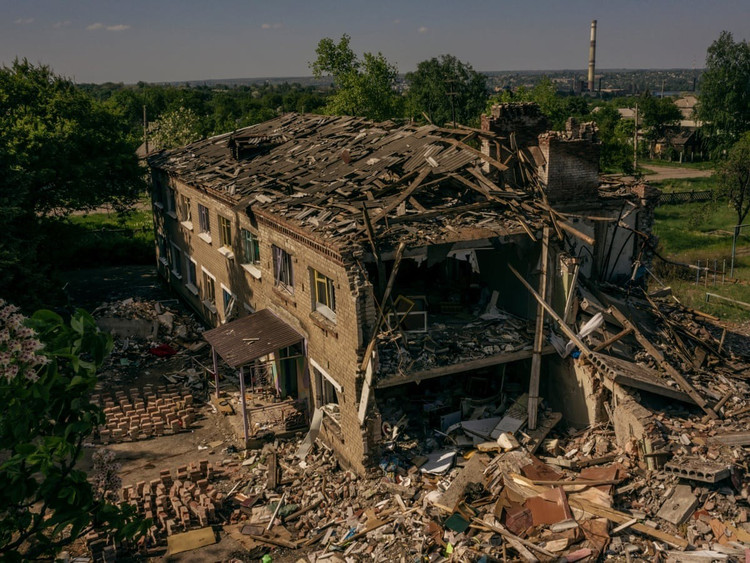
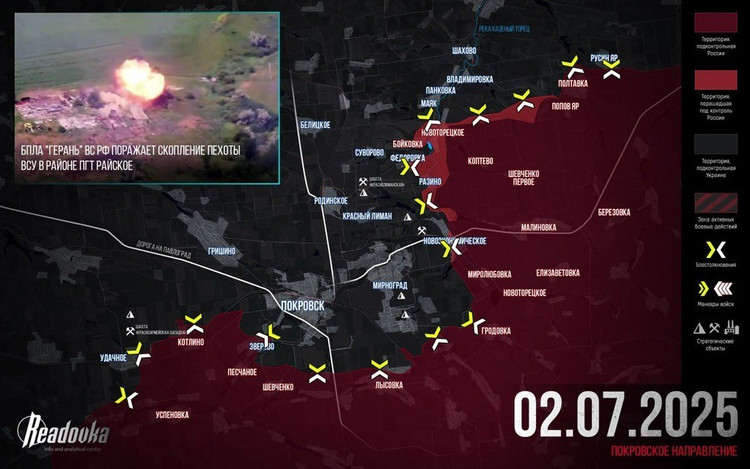
Chasov Yar is a fortress within the Donetsk defensive arc, playing a crucial role in the AFU's defense plan. The fact that Chasov Yar has held out for the past 15 months is due to the city's unique terrain, coupled with the significant deployment of AFU General Staff forces there. Military analysts have repeatedly noted that, if Chasov Yar falls, it could collapse the defenses of the entire southern flank of the Bakhmut region, and open a bridgehead for the RFAF to directly attack the city of Konstantinovka; and further afield, Druzhkovka and Kramatorsk. Although the world media has recently been focused on the Iran-Israel + US conflict and believes that Russia has temporarily halted its attacks in response to US President Donald Trump's call for peace , Kyiv has consistently emphasized that the RFAF's offensive capabilities have been limited, particularly on the Donetsk front and other areas such as Sumy. However, according to information provided by a Ukrainian military research group, the results are quite the opposite. Their findings indicate that the RFAF achieved a significant "victory" last month – they occupied 556 square kilometers of Ukrainian territory in June, the largest area occupied this year. The newly captured territory of the Russian army is mainly concentrated on the southern Kostiantynivka front (accounting for 29% of the total area) and the Pokrovsk front (accounting for 27%). In addition, the increase in the Sumy region accounts for 18%. Changes in other areas are relatively scattered, spread across the vast front of the Russian-Ukrainian conflict. Analysts from Ukrainian research groups have, as usual, pointed out that RFAF offensives have come at the cost of "heavy casualties," and they believe that the RFAF is currently facing a troop shortage challenge.
The Ukrainian research group also pointed out that, although the RFAF has deployed more than 100,000 combat troops towards Pokrovsk, it has still been unable to capture this strategic fortress. The situation in the Sumy region is similar. But according to the analysis of Western military experts, if this trend continues, Pokrovsk could fall within the next few weeks. Meanwhile, General Syrsky, Commander-in-Chief of the AFU, stated that the Russian attack on Sumy "was effectively halted," and that the AFU not only successfully defended against the enemy attack but also launched a new "special military operation" in the Kursk region of Russia. Therefore, Kyiv seems to be trying to convey the message that the RFAF is having difficulty advancing. However, according to data from Ukrainian research groups, the RFAF is not only advancing, but the pace of their advance appears to be accelerating.
According to the Ukrainian side, the RFAF has been carrying out its so-called "summer offensive" for the past two months and has achieved more results, although they also acknowledge that "effectiveness is declining." However, relevant data may reflect that, at least until last month, the RFAF was still "setting new records." In fact, after a period of low-intensity fighting, the RFAF has gradually resumed large-scale military operations. Regarding whether Russia has actually "suffered significant losses," it's clearly inaccurate to judge based solely on Ukrainian information. However, judging by the changes on the map, Ukraine is indeed gradually losing control of its territory. (Image source: Military Review, Ukrinform, Sohu).





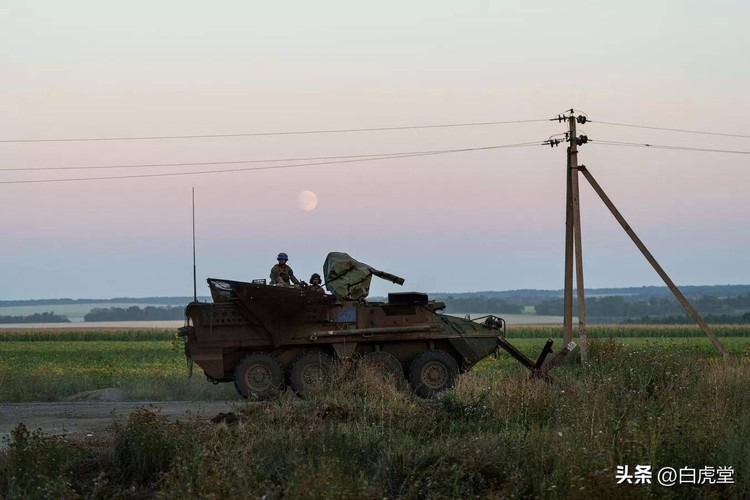 Therefore, Kyiv seems to be trying to convey the message that the RFAF is having difficulty advancing. However, according to data from Ukrainian research groups, the RFAF is not only advancing, but the pace of their advance appears to be accelerating.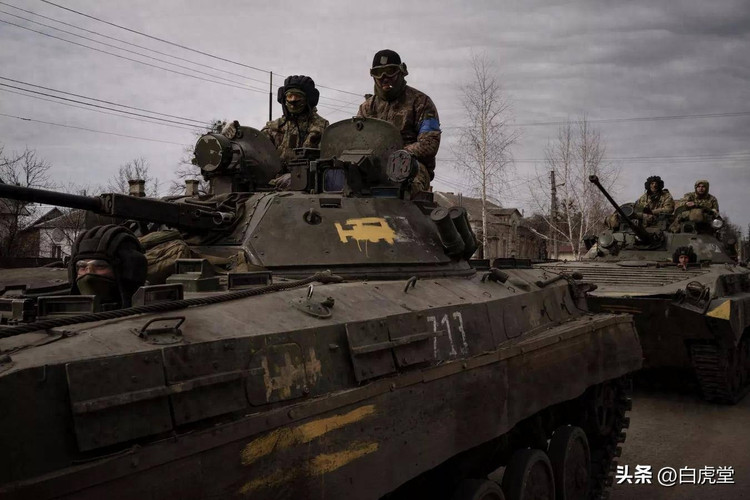



























































































Comment (0)