Underwater storms are accelerating the melting of Antarctic glaciers.
New research shows that underwater storms are rapidly melting the Pine Island and Thwaites glaciers, threatening global sea levels.
Báo Khoa học và Đời sống•13/12/2025
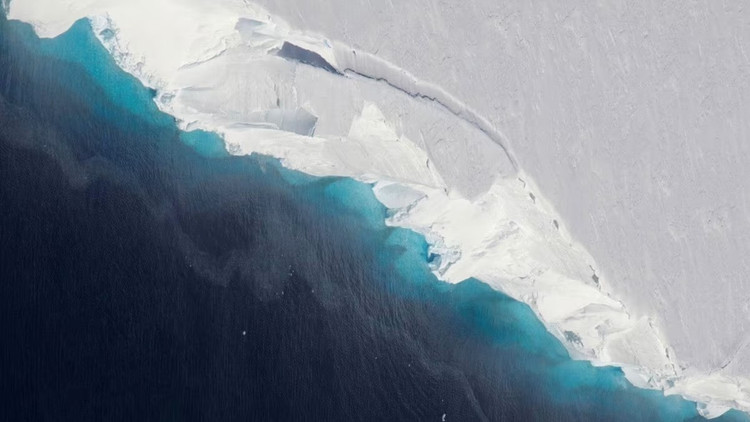
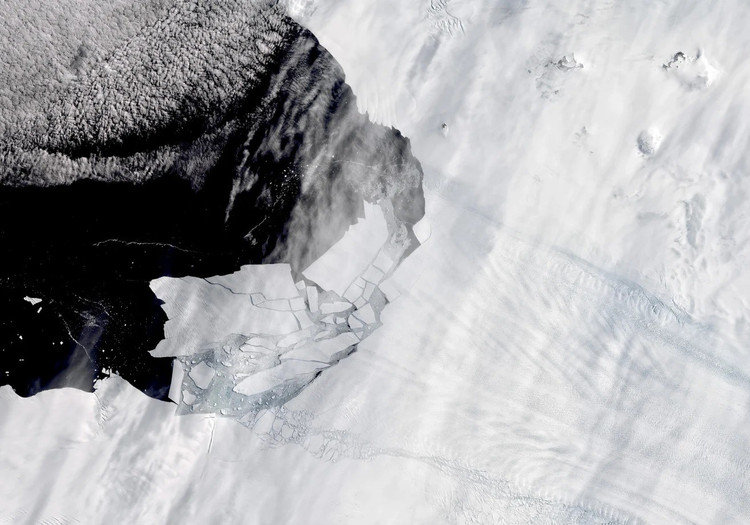
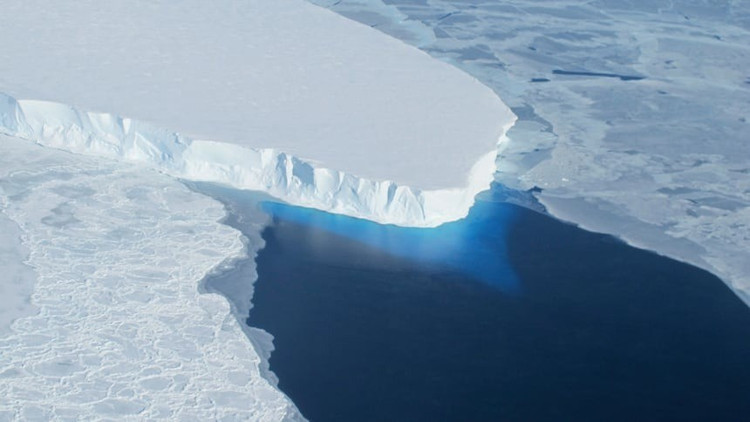
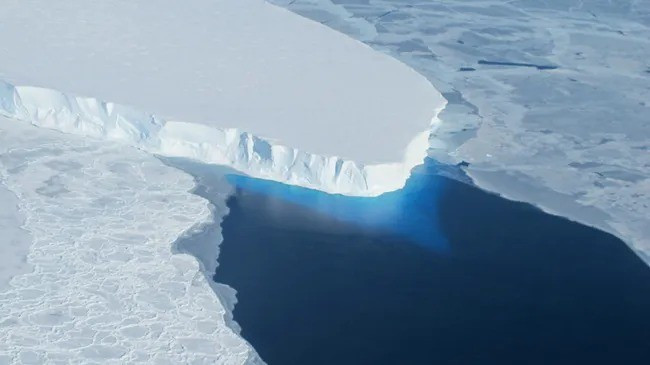
A study published last month in the journal Nature Geosciences by experts indicates that underwater storms are rapidly melting the ice shelves of Antarctica's two largest glaciers: Pine Island Glacier and Thwaites Glacier. Photo: Jeremy Harbeck/NASA. The Thwaites Glacier – dubbed the "Glacier of Doomsday" – is melting faster than expected. This nickname comes from the significant impact its melting will have on global sea levels. Photo: Lauren Dauphin/NASA Earth Observatory/Reuters.
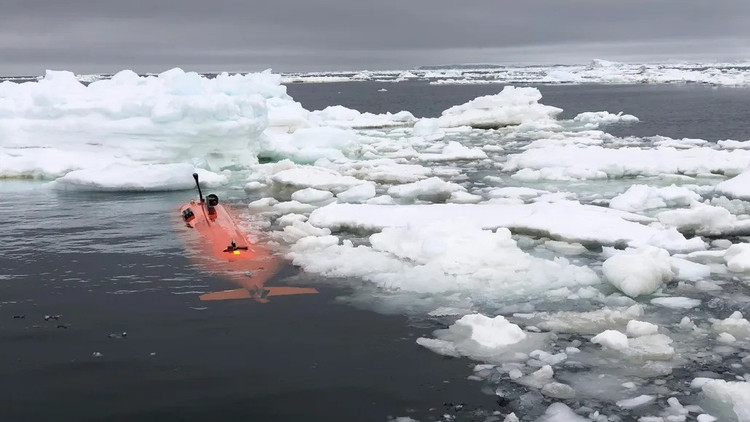
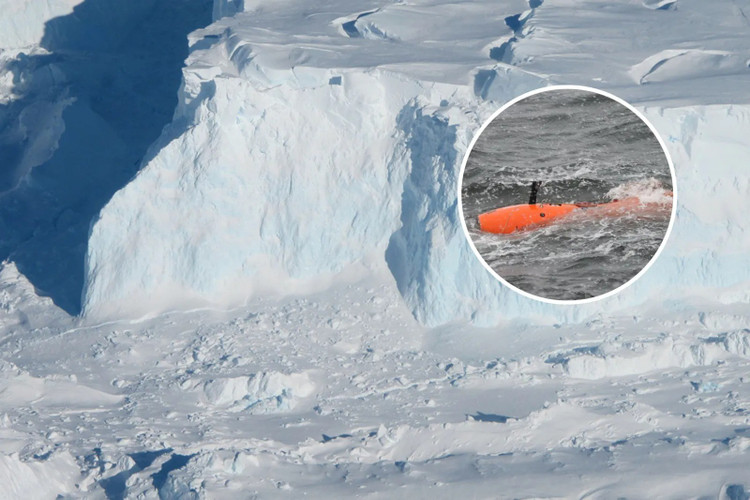
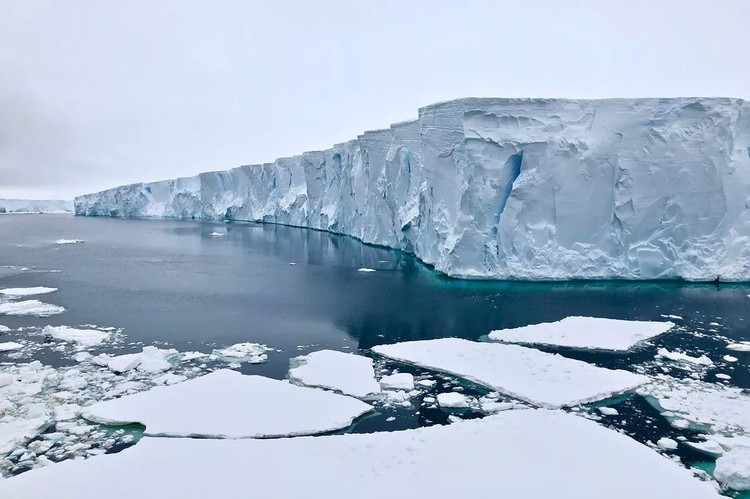
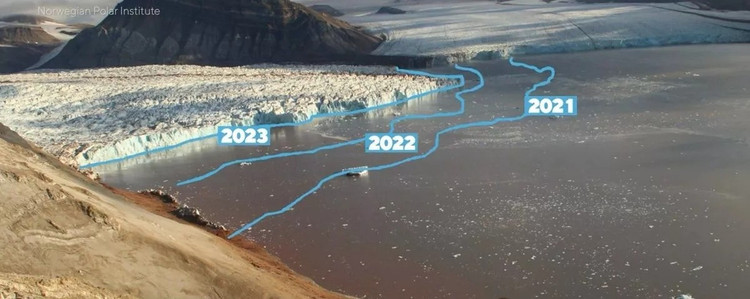
The research team says that turbulent underwater currents, also known as "subsurface storms," are actively eroding the base of Antarctic ice shelves. Photo: Filip Stedt. Over the past few decades, the Pine Island Glacier and the Thwaites Glacier have undergone rapid melting due to warming ocean waters, particularly at the point where they emerge from the seabed and form ice shelves. Photo: MSN. The research team systematically analyzed for the first time how the ocean melts ice shelves in just hours and days, rather than seasonally or over many years. Photo: NASA/James Yungel / Anna Wåhlin.
Yoshihiro Nakayama, the study's author from Dartmouth University, describes these underwater storms as essentially high-speed, swirling currents with diameters of up to nearly 10 kilometers. To illustrate, NASA expert Mattia Poinelli likened these underwater storms to the small vortices that appear when you stir a cup of coffee with a spoon, but on a massive scale in the middle of the ocean. Photo: NASA/Handout/Reuters. The mechanism of this phenomenon is considered extremely dangerous. Cyclone storms form when hot and cold water collide, then rush rapidly beneath the ice shelves. There, they act like giant agitators, churning warm water from the deep bottom up and directly attacking the weakest points at the base of the ice. Photo: Mirror.co.uk. The research team's analysis of the data revealed that these underwater storms alone caused up to 20% of the ice melt at Antarctica's two largest glaciers in just nine months. Photo: CBS News.
What worries researchers even more is a dangerous feedback loop. As storms melt ice, they release cold freshwater into the sea. This water then mixes with warmer saltwater below, creating even greater turbulence, which in turn generates more underwater storms and further accelerates the rate of ice melting. Photo: David Vaughan. Expert Lia Siegelman from the Scripps Institution of Oceanography warns that, in the context of global warming, underwater storms will increase in intensity and destructiveness. Consequently, coastal cities around the Earth could face the risk of being submerged by the ocean. Photo: NASA / Jim Yungel.
Readers are invited to watch the video: Behind the success of scientists . Source: VTV24.



 Báo Khoa học và Đời sống•13/12/2025
























































































Comment (0)