

Tang Tho Lau is a historical site that housed important documents and official papers from the Nguyen Dynasty, located right in the middle of Hoc Hai Lake within the Hue Imperial City – a place once likened to a "Library of Scriptures" in the heart of the ancient capital.
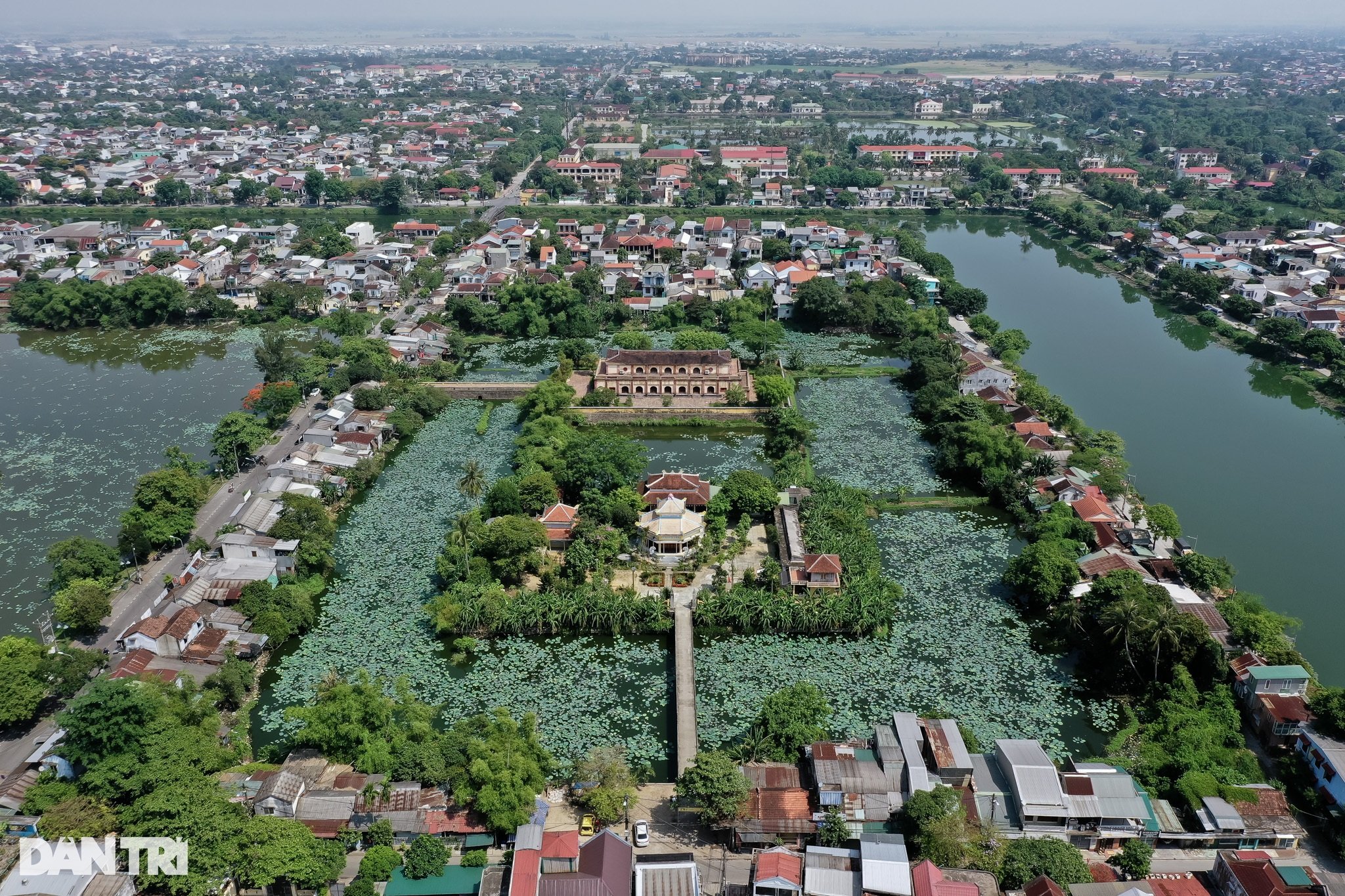
The Imperial Library was built in the summer of 1825, during the reign of Emperor Minh Mạng, as a national archive. It housed rare and valuable documents, including land registers and important papers of the court at the time. It is considered a rare "Imperial Library" from the monarchical period that has been preserved relatively intact in Hue.
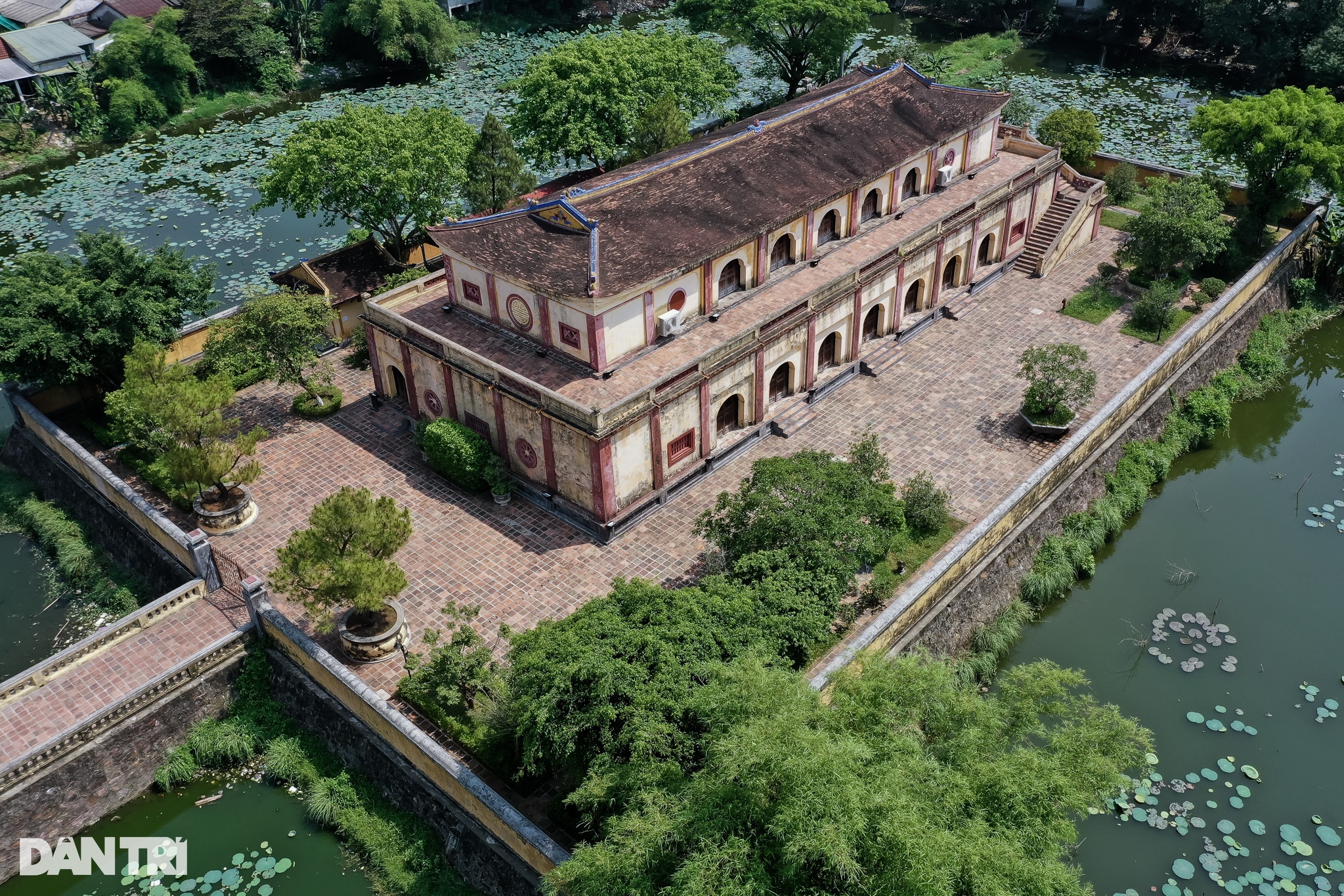
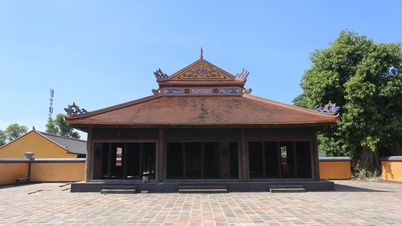
The overall architecture of the Imperial Library Tower was designed very scientifically to fulfill the function of storing and preserving important books, documents, and papers of the imperial court. To prevent the spread of fire and protect original national documents, the building was constructed on an island in the middle of a lake, consisting of two floors: the upper floor with 7 bays and 2 wings, and the lower floor with 11 bays. It is surrounded by railings, and on all four sides of the tower are square ponds called the Lake of Learning.
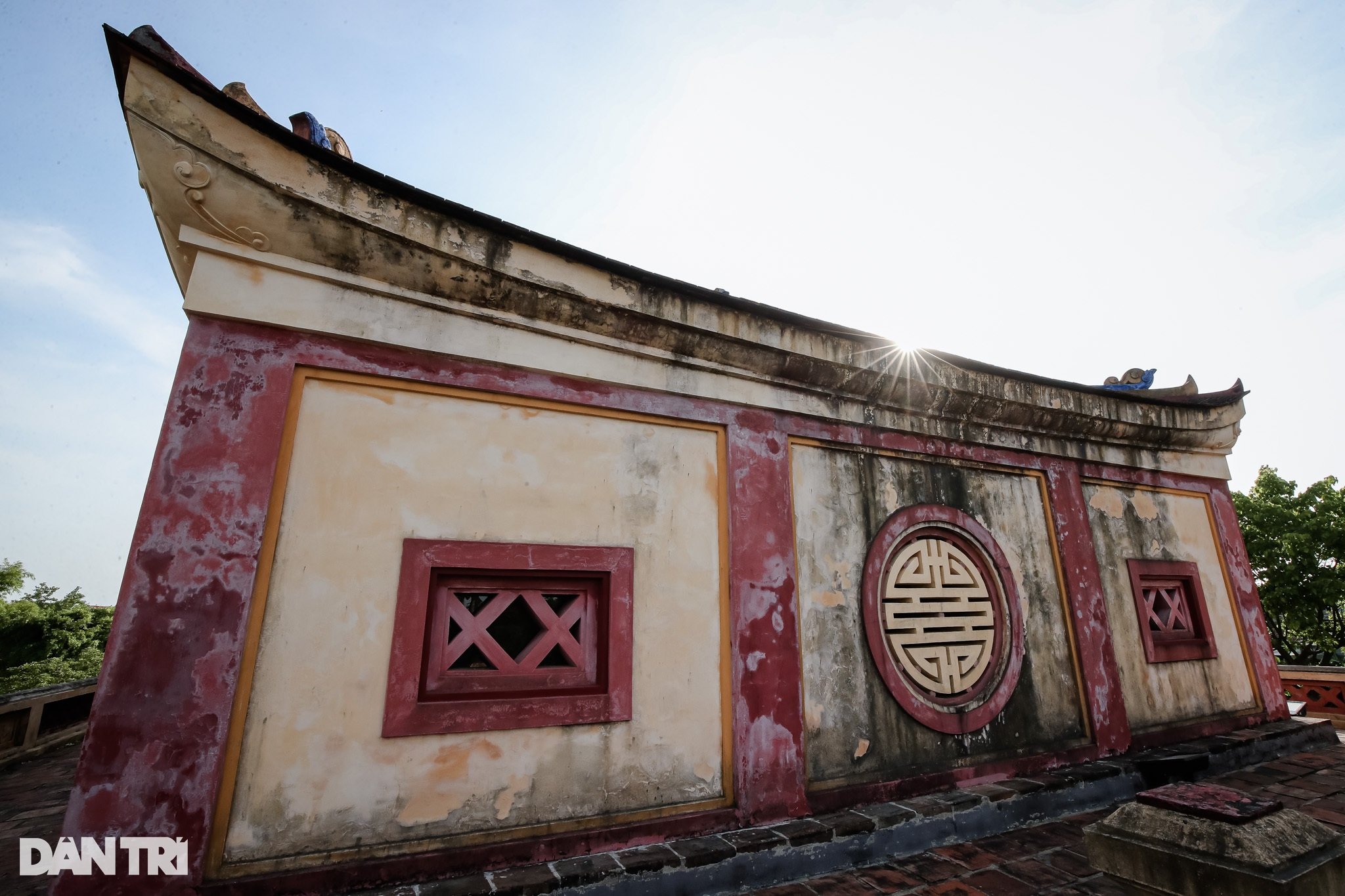
After 120 years of operation (1825 - 1945), when the Nguyen dynasty was overthrown, this national archive ceased operations. Since then, it has gradually faded into oblivion, with almost all of the enormous volume of books in the Library of Ancient Texts being lost.
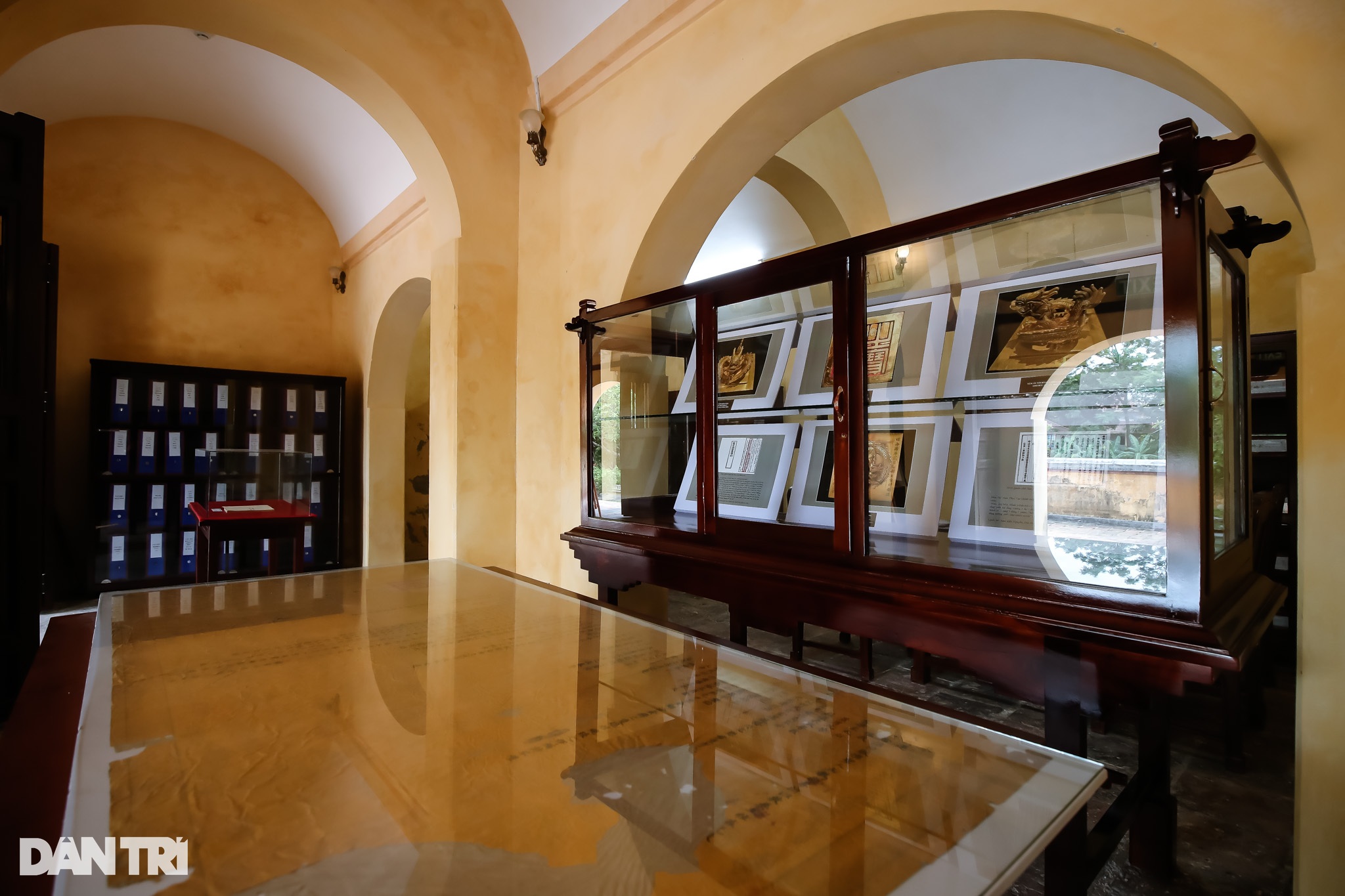
The Library currently houses written, video , and image materials. Regarding written materials, there are over 4,000 books and documents of various genres and formats, such as: Sino-Vietnamese books, ancient texts, scholarly works on the Nguyen Dynasty, books on fine arts, architecture, culture, Buddhism, religion, beliefs, linguistics, maps, etc.
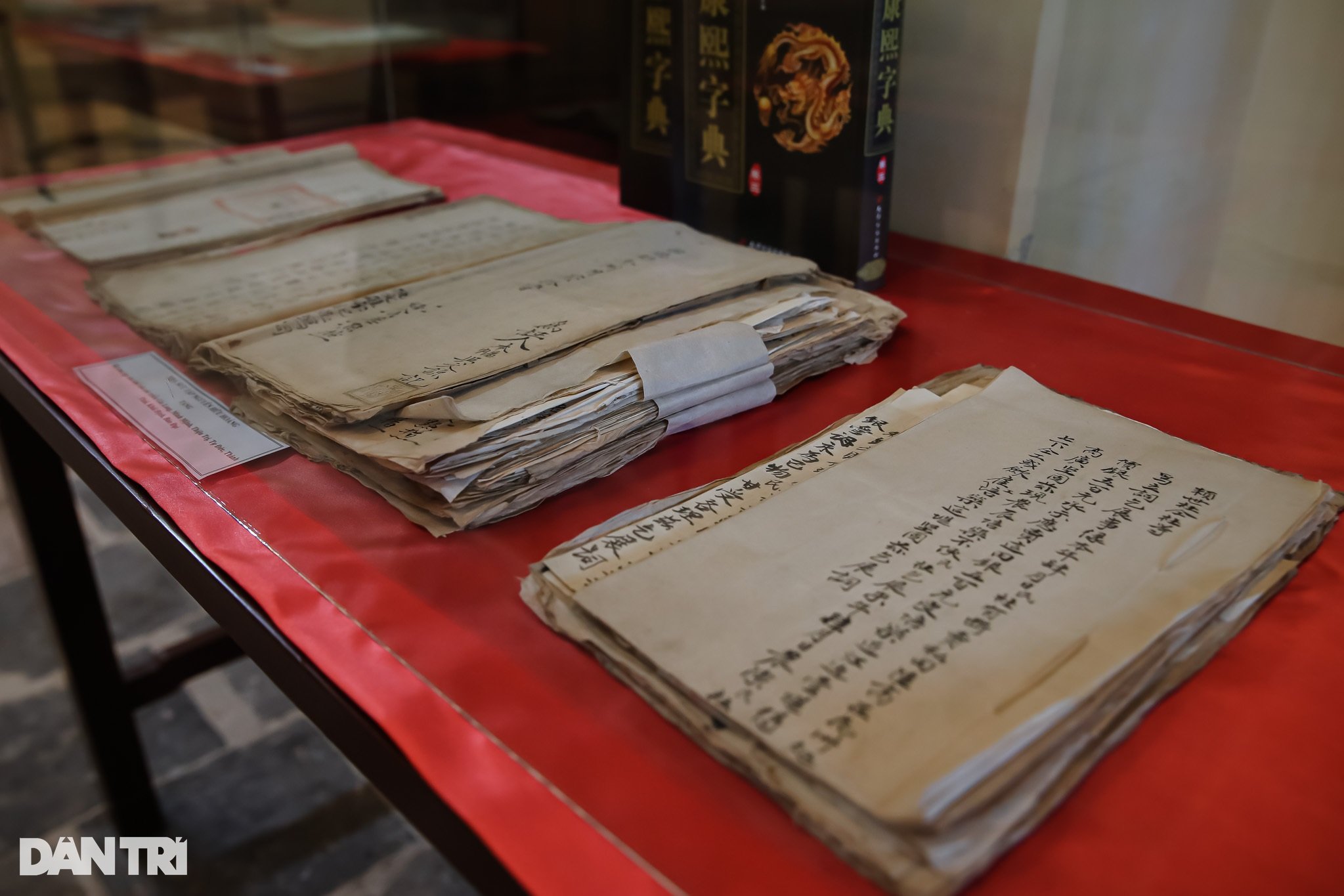
Regarding Sino-Vietnamese documents in manuscript form, the majority are original handwritten documents on dó paper, primarily in Chinese characters, with some written in Nôm characters. Archived and integrated records are all in digitized file format. Most of these handwritten documents are unique and therefore possess very high historical value, such as the system of imperial decrees, land registers, royal edicts, and household registers.
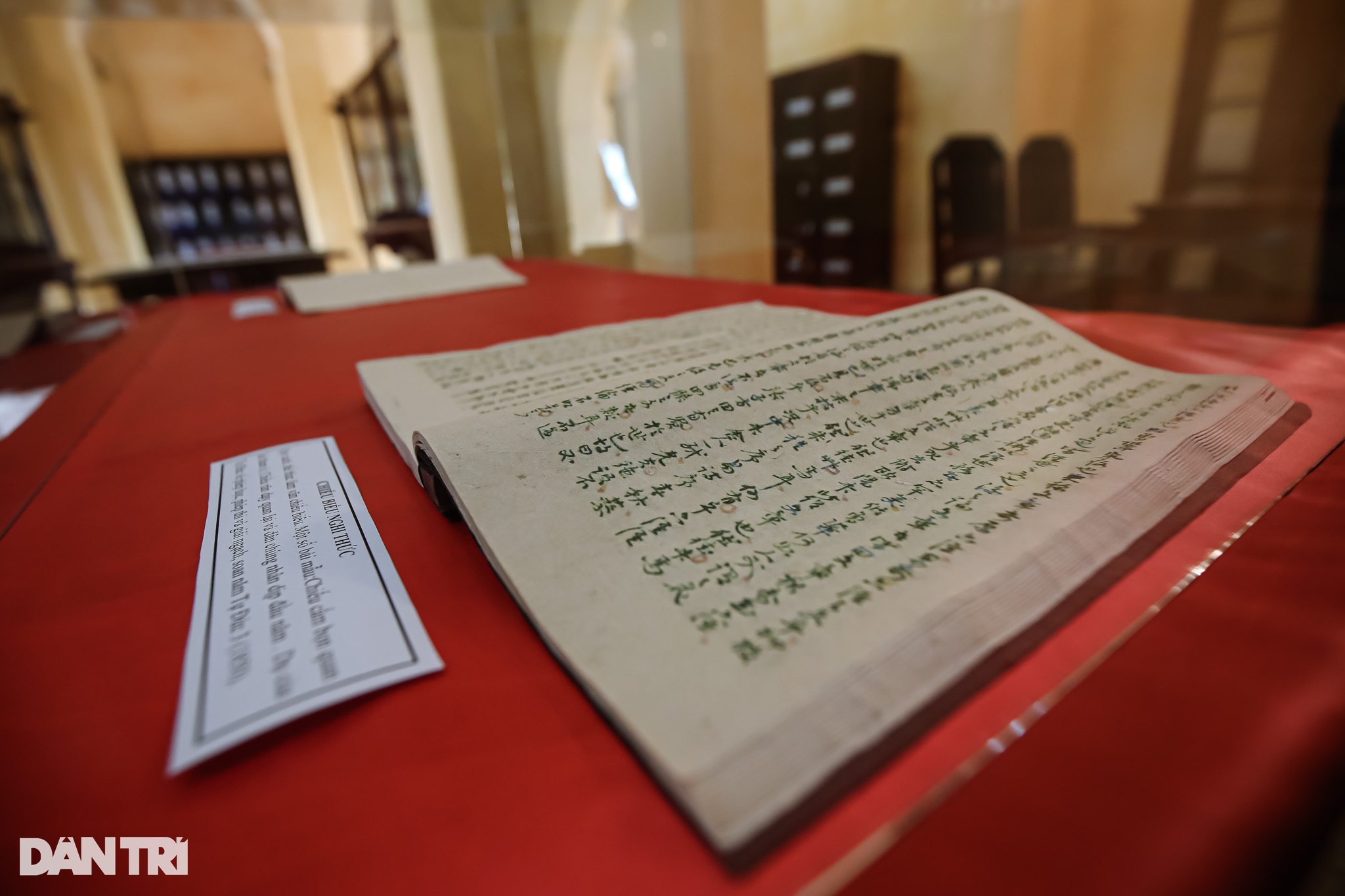
This collection of documents was compiled during the administrative activities of the Nguyen Dynasty's government, reflecting aspects of the country's political, economic, cultural, social, and scientific and technological life during specific historical periods.
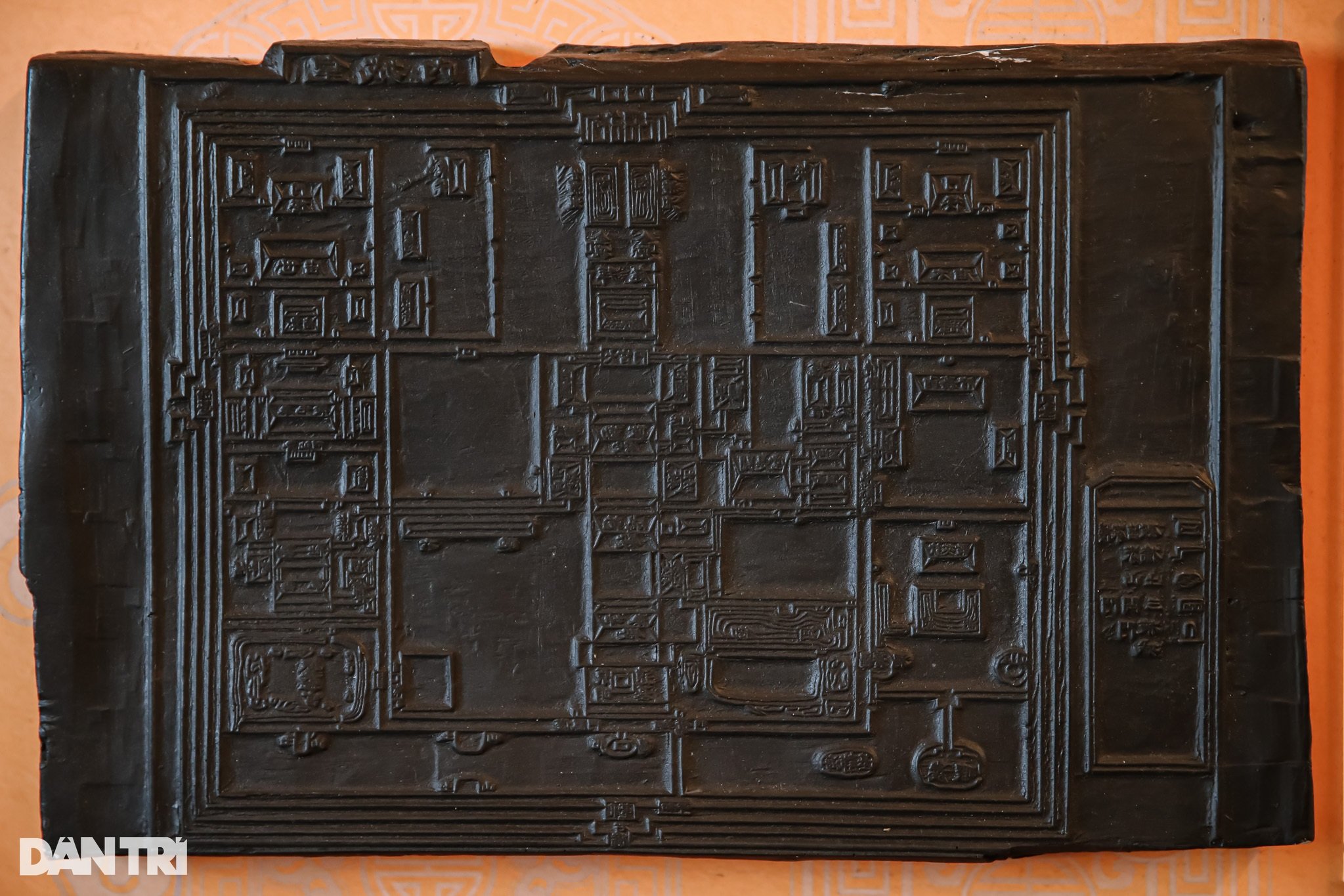
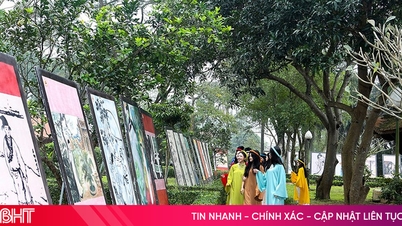
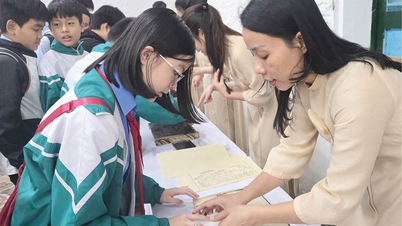
Many valuable documents and artifacts inside the Library are regularly brought out for display and introduction to the public during cultural events and festivals of the ancient capital region.
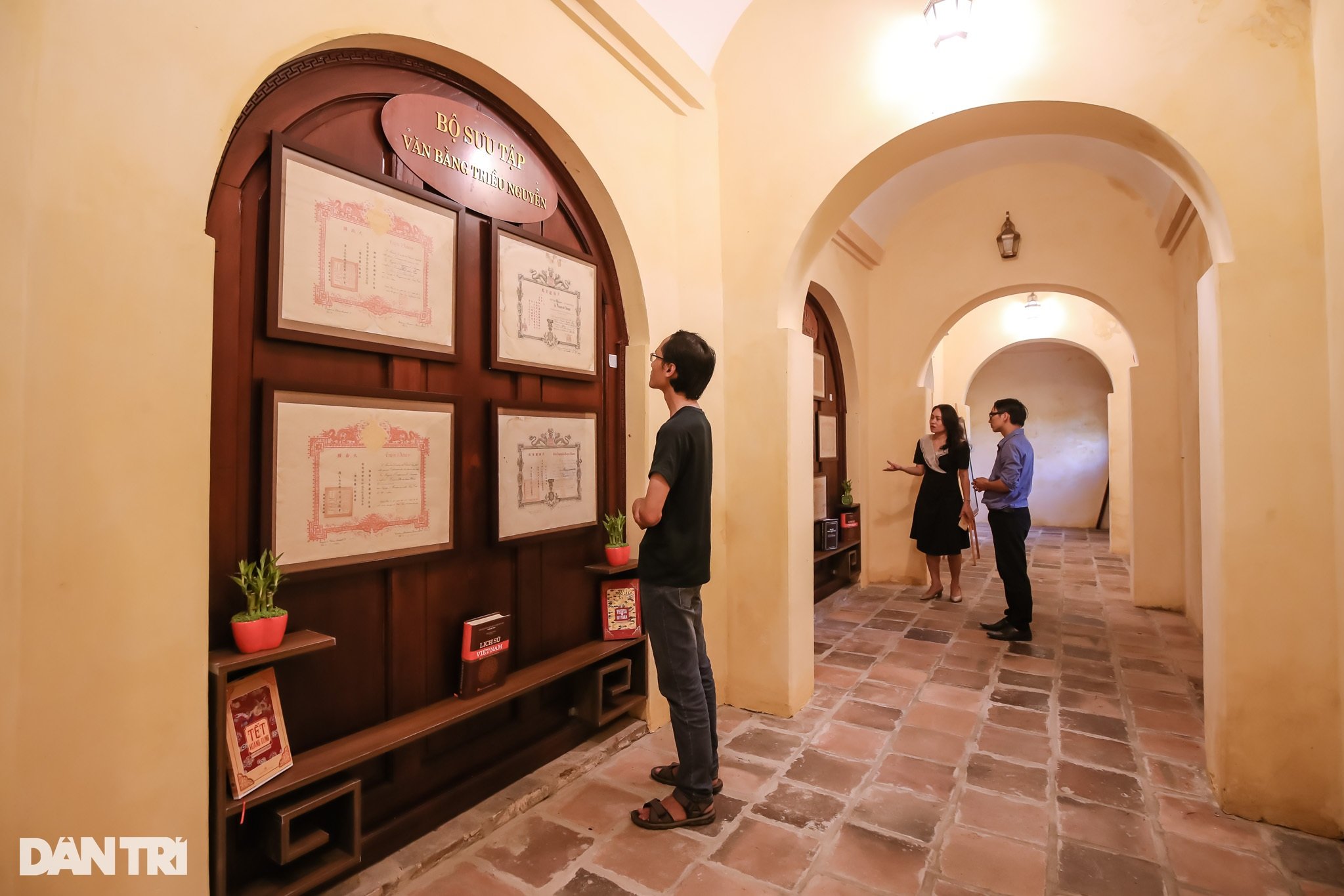
The Library also regularly hosts exhibitions where locals and tourists can learn about the history of the Nguyen dynasty.
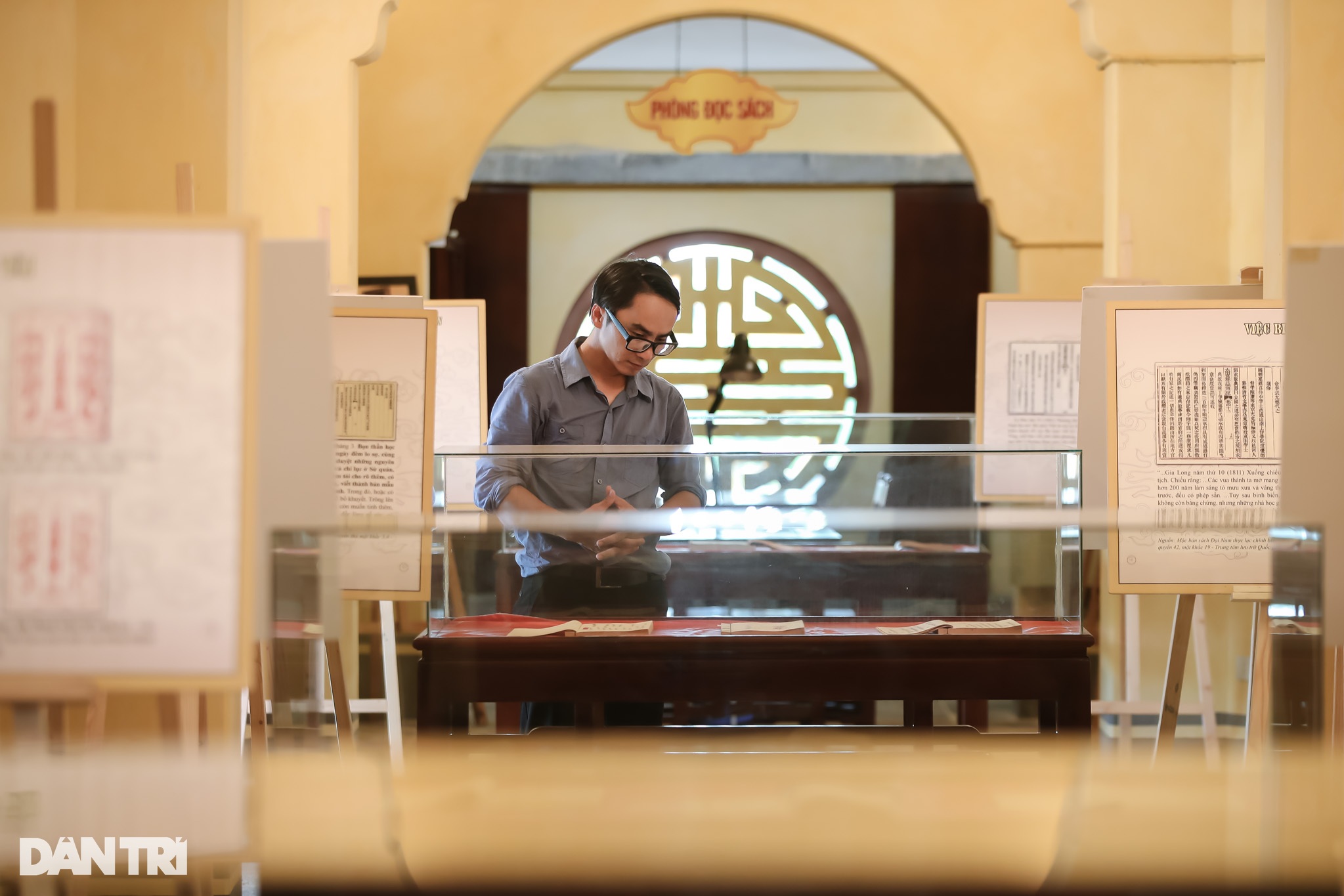
Today, the Library of Poetry is considered a cultural destination that attracts many tourists and locals who come to visit and enjoy the exhibitions and cultural events that are regularly held there.
"As a book lover myself, I've visited the Library of Ancient Texts many times to learn about the history of the Nguyen dynasty. Many valuable historical documents are still preserved and displayed here," shared Ho Ngoc Anh Tuan (37 years old).

Besides being a repository of the Nguyen Dynasty's records, the Imperial Library is also an ideal tourist and photography spot for young people.
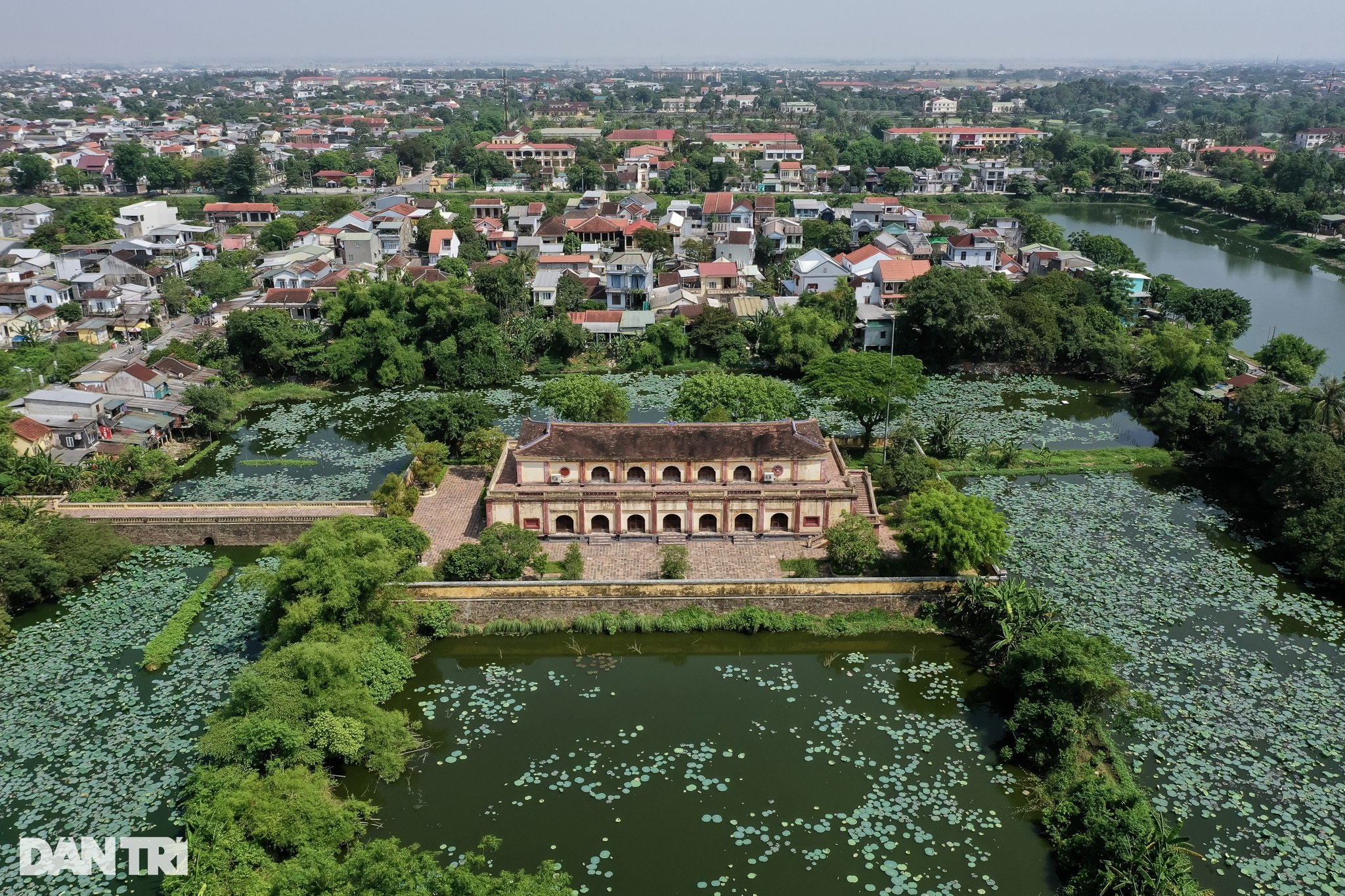
A panoramic view of the Tang Tho Lau (Poetry Repository) from above. Besides the beautifully designed structure, the surrounding area is also very harmonious with its impressive system of bridges and lakes.
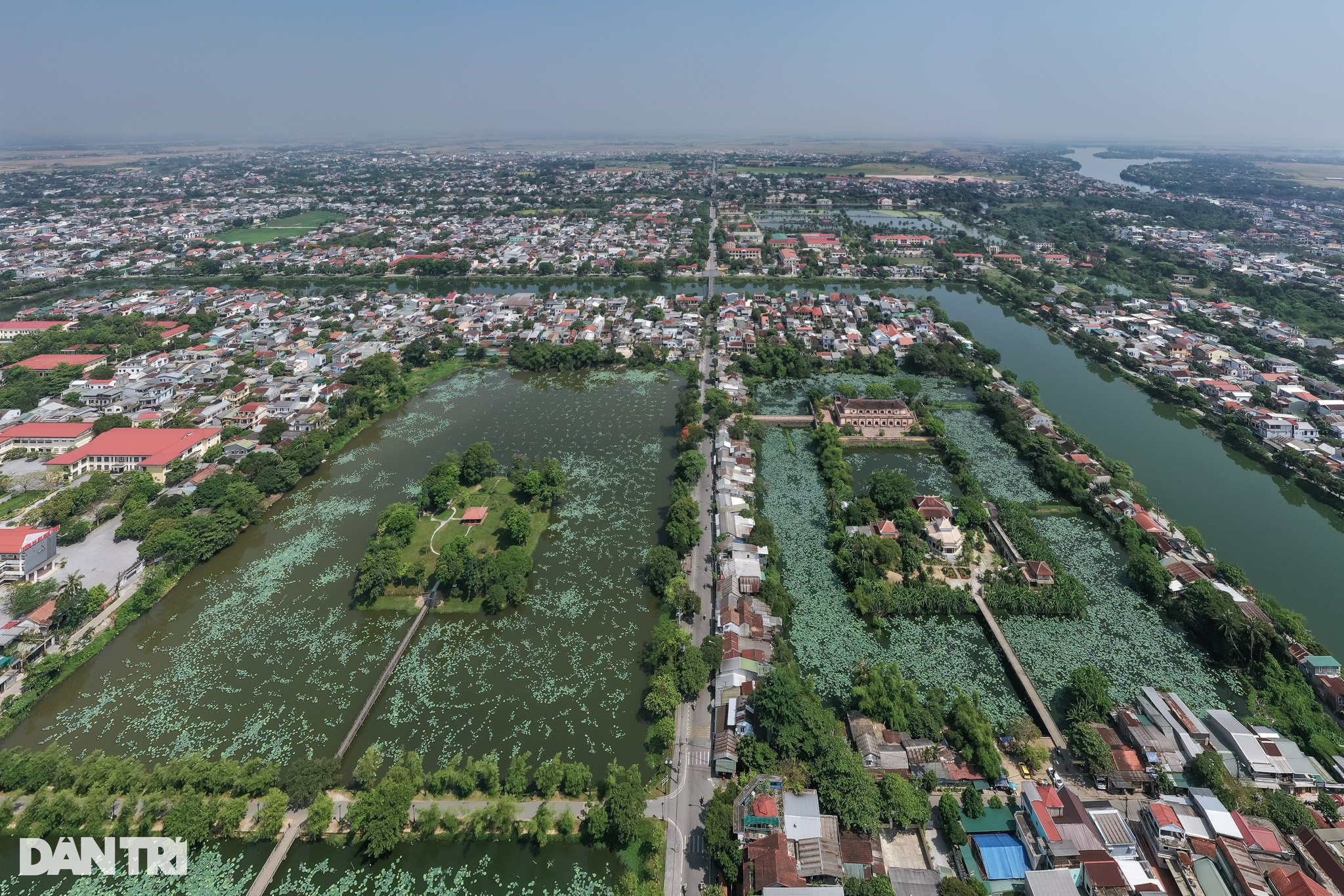
Beyond simply being a repository of valuable documents and a place dedicated to preserving and promoting the cultural heritage of Hue, this location is envisioned to become a center connecting the values of the past to contemporary life in the future.
According to dantri.vn
Source




![[Photo] Inside the Imperial Academy relic of Hue Citadel before the hundred billion dollar restoration](https://vphoto.vietnam.vn/thumb/402x226/vietnam/resource/IMAGE/2025/9/18/77fd186af68341b1a8bffd072fa896a6)







































































Comment (0)