

Today, November 20th, the Ministry of Agriculture and Rural Development officially announced the Vietnam Elephant Conservation Action Plan to 2035, with a vision to 2050 (VECAP 2022). This is a significant milestone in efforts to protect elephants, integrating pilot initiatives, strengthening community participation, and developing policies to ensure the survival and sustainable development of elephants in Vietnam in the coming decades. This plan is based on scientific principles and is the result of a collaboration between the Forestry Department (Ministry of Agriculture and Rural Development) and Humane Society International (HSI) since 2019.
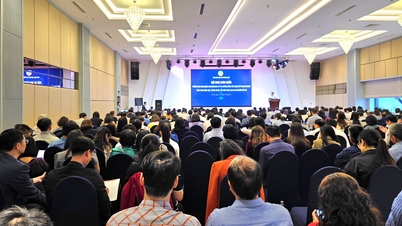
At the VECAP 2022 plan announcement ceremony, sharing the reasons for choosing elephants as a priority conservation target, Mr. Nguyen Quoc Tri, Deputy Minister of Agriculture and Rural Development, said that among hundreds of rare and endangered wild animal species needing protection, the Ministry of Agriculture and Rural Development chose elephants as a priority for conservation plans because elephants not only increase biodiversity in Vietnam's forest ecosystems but also symbolize strength.
“Elephant conservation is not only about preserving and promoting harmony in the living environment between humans and elephants, but also about harmony between humans and nature. In 1994, the Law on Forest Protection and Development was enacted, and by 1996, a plan for elephant conservation was already in place. In subsequent periods, relevant agencies, international organizations, and localities have all implemented programs and plans to protect elephants, helping to increase their numbers,” Mr. Tri said.
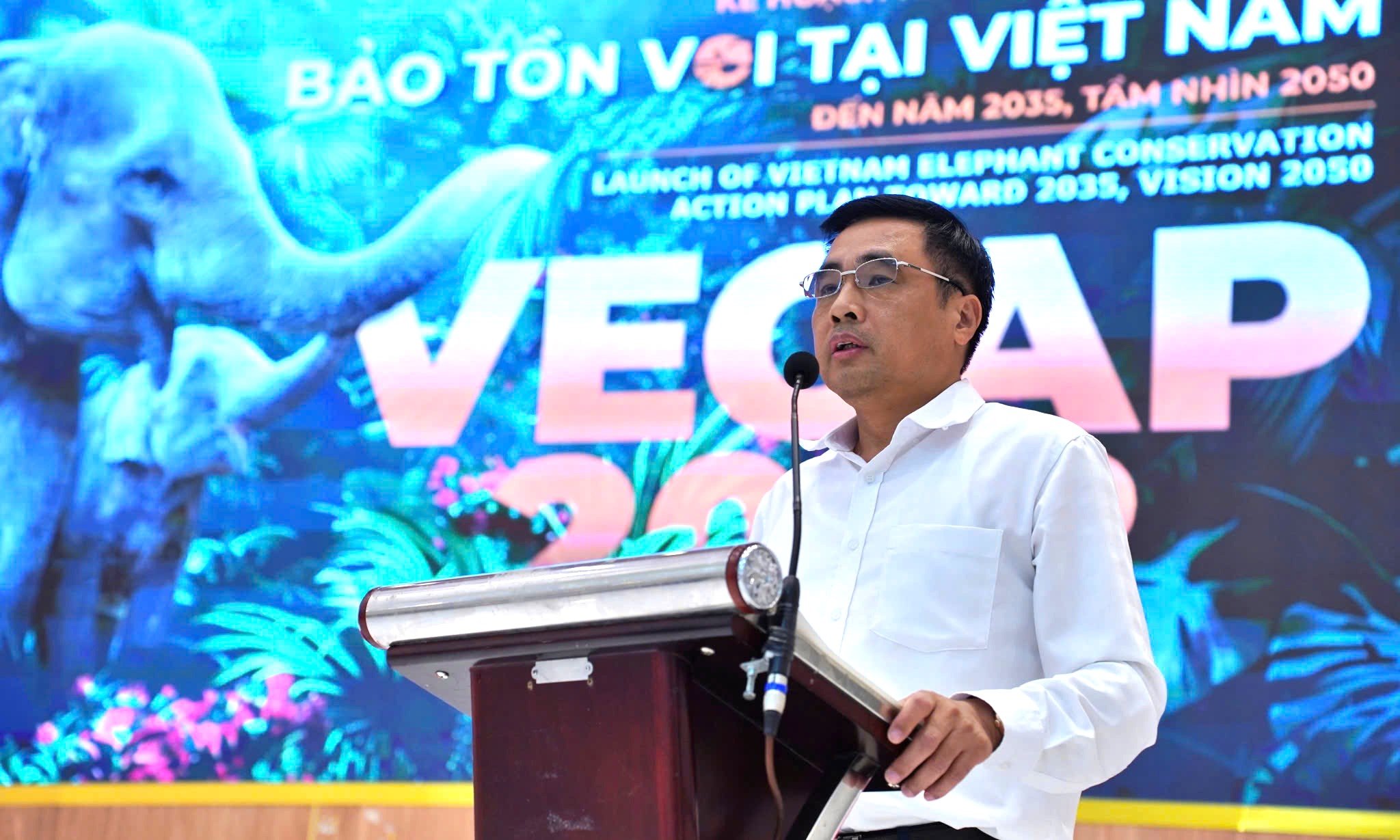
According to Deputy Minister of Agriculture and Rural Development Nguyen Quoc Tri, elephants not only increase biodiversity in forest ecosystems but also symbolize strength. Photo: Bao Thang.
According to Deputy Minister Nguyen Quoc Tri, the success of elephant conservation efforts by all parties could serve as a basis for developing programs to protect other rare wildlife species. Local authorities' participation in elephant conservation not only creates habitats for elephants but also provides opportunities for these localities in the future to educate the younger generation and develop ecotourism models.
“Living in harmony with nature and all living things is a common goal of the global community, and when applied to Asian elephants in Vietnam, that goal becomes even more urgent. Therefore, we must act to protect elephants from extinction and learn to live in harmony with them, in order to prevent conflicts between humans and these animals. Harmonious coexistence is not only a method, but also the ultimate goal in the journey of elephant conservation in Vietnam. The National Action Plan on Elephant Conservation to 2035, with a vision to 2050, demonstrates Vietnam's commitment to a unified strategy that respects culture and ensures the future of this precious species. The Vietnamese Government calls for the joint efforts of all stakeholders, including local communities, non-governmental organizations, and the international community, to support the implementation of this strategic and feasible plan,” Deputy Minister Nguyen Quoc Tri emphasized.
According to a report by the Forestry Department (Ministry of Agriculture and Rural Development), the Asian elephant population in Vietnam has declined alarmingly from 2,000 individuals discovered in the 1980s to fewer than 200 wild elephants. As a crucial indicator species in forest ecosystems, the survival of elephants is essential for protecting biodiversity and the coexistence of other species.
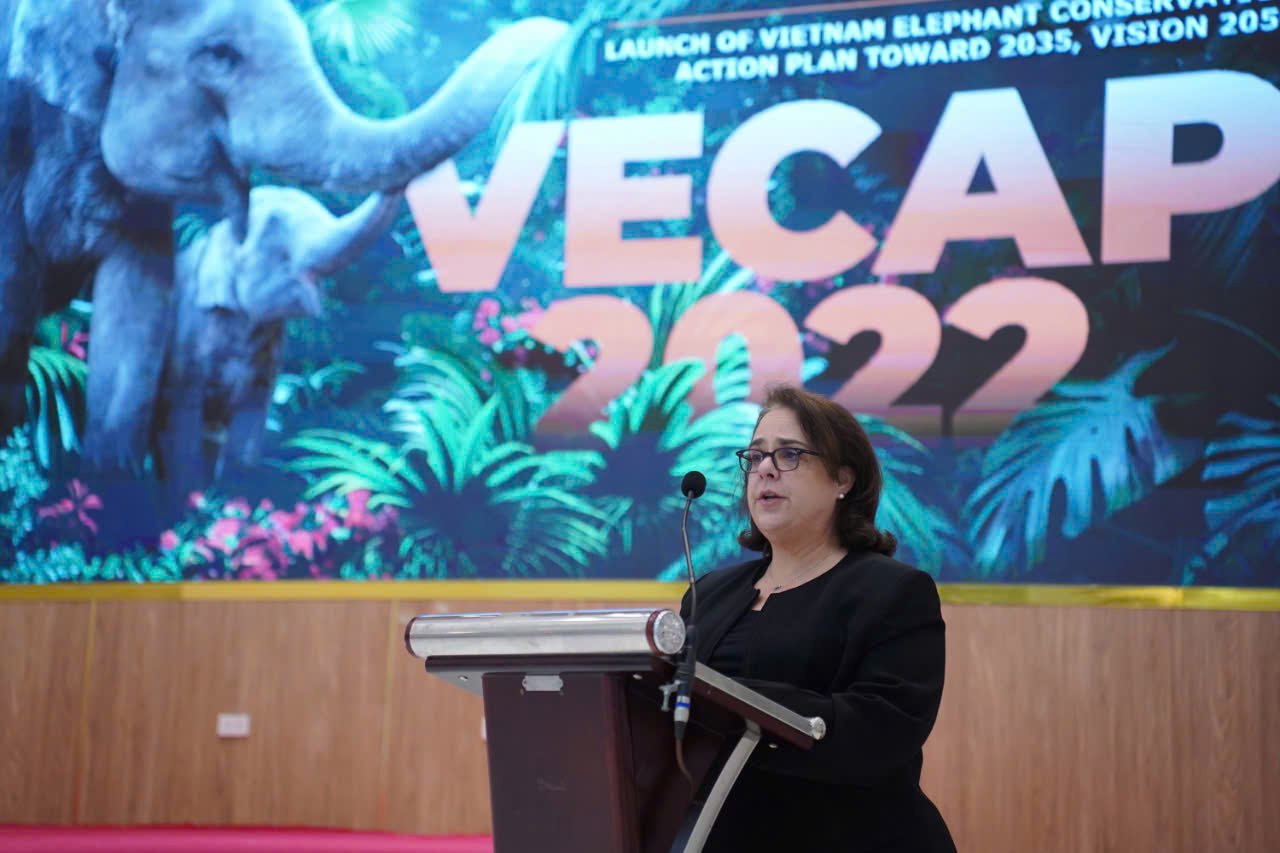
Representatives from international organizations pledged to support the Elephant Conservation Plan in Vietnam.
In the years 1996, 2006, 2012, 2013, and 2022, Vietnam issued a ministerial-level action program and three government-level plans and projects to conserve elephants due to the importance of this species. Corresponding to each period, elephant conservation efforts have yielded encouraging results. Particularly in 2019, a pilot program for elephant conservation based on harmonious coexistence was pioneered in Dong Nai province, with three initiatives: "Elephant monitoring using camera traps"; "Monitoring elephant-human conflict" to improve current management towards harmonious coexistence; and "Managing elephant habitats and areas".
This program is supported by the HSI organization with guidance from international expert Dr. Prithiviraj Fernado, a core member of the Asian Elephant Specialist Group (AsESG) and the team leader supporting Vietnam. The scientific approach of these initiatives helps to accurately identify 27 individuals, with clear herd structure, allowing for a better understanding of herd migration trends and the level, frequency, or causes of elephant-human conflict, etc.
These clear results were acknowledged and highly appreciated by domestic and international experts participating in an international workshop held in August 2023, highlighting the suitability of these methods for small, fragmented, and highly vulnerable elephant populations like those in Vietnam.
Identifying appropriate methods and developing an action plan based on scientific findings marks a significant step forward in the conservation efforts of this rare animal species in Vietnam. Based on current legal regulations on policy development and two guidance documents from the IUCN Species Conservation Subcommittee: “Guidelines for Planning the Conservation of Endangered Species” and “Steps for Planning the Conservation of Endangered Species”, the National Action Plan for Elephant Conservation in Vietnam to 2035, Vision 2050 (VECAP 2022) has been issued, realizing Vietnam's commitment to the Kathmandu Declaration on the Conservation of Asian Elephants.
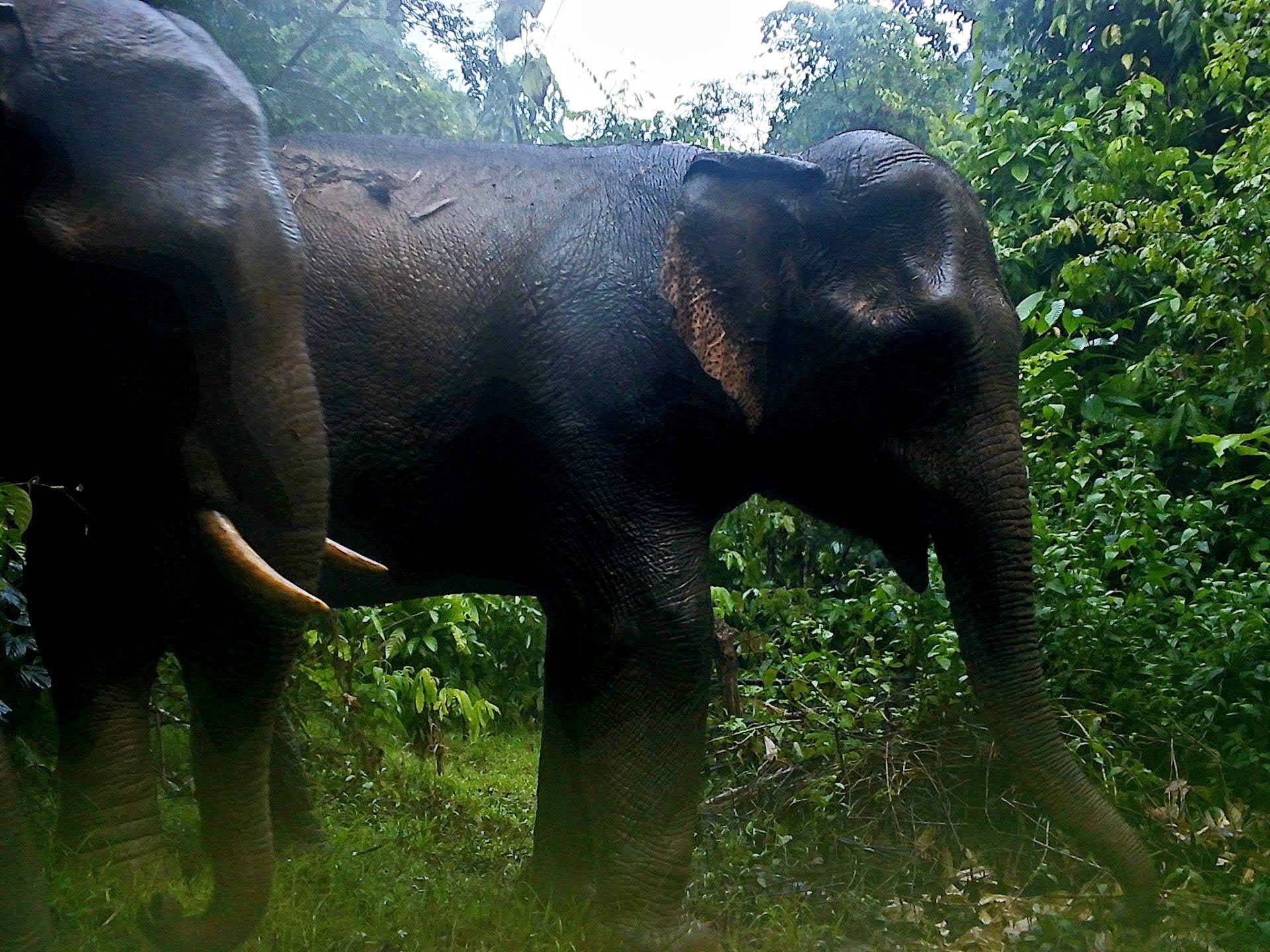
Elephant populations in Vietnam are being conserved with the aim of promoting harmonious coexistence between elephants and human communities. Photo: Quang Nam Newspaper.
The action plan development process was carried out in 10 steps, including selecting appropriate solutions, reviewing the conservation status, setting goals, and identifying specific actions for each province. Provinces such as Dak Lak, Dong Nai, Nghe An, Ha Tinh, Quang Nam, and Son La actively proposed activities with detailed explanations for review by the technical team and international experts. The selected list of activities underwent a technical consultation process and received input from many stakeholders, including managers, implementing agencies, international organizations, non-governmental organizations, research institutes, domestic and foreign scientists, and local communities in elephant-inhabited areas.
At the provincial level, five consultative meetings were held in Ha Tinh, Nghe An, Dong Nai, Quang Nam, and Dak Lak; and more than 10 community-level meetings were organized to listen to, record, and consider the opinions, concerns, and difficulties of people living near elephant habitats.
At the national level, there were 2 technical meetings, 3 thematic meetings on wild and captive elephants, 1 workshop to evaluate the pilot program for elephant conservation based on harmonious coexistence, and 15 regular technical meetings. At the international level, the plan's content was discussed at 9 related meetings and workshops.
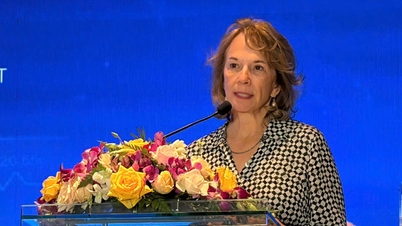
Cindy Dent, Vice President of HSI's Country Office, said: “This national conservation plan is a significant milestone in HSI’s mission to protect endangered elephants in Vietnam. By combining scientific research with community-proposed strategies, we can propose sustainable solutions that benefit both elephants and local people. With highly practical initiatives that shed light on elephant behavior, migration patterns, and preferences, we want to bring the needs and desires of elephants into the Vietnamese Government’s decision-making through discussions. HSI appreciates the Vietnamese Government’s efforts and is ready to support the implementation of VECAP 2022, aiming for harmonious coexistence between wild elephants and people in Vietnam. Together, we can ensure a future where elephants not only survive but thrive.”
VECAP 2022 has proposed 33 groups of solutions/actions for wild elephants and 21 groups of solutions/actions for captive elephants, to be implemented from now until 2035 with a vision to 2050, aiming to conserve and develop/increase the elephant population in Vietnam, while promoting harmonious coexistence between elephants and human communities.
Long-term goals include expanding the protected area system, strengthening anti-poaching measures, and developing ecotourism, which will both support conservation efforts and boost the local economy, creating a solid foundation for the plan's implementation.
The success of VECAP 2022 will depend on close and sustained collaboration among government agencies, international conservation organizations, local communities, and private sector partners.
At the VECAP 2022 Plan Announcement Ceremony, representatives from Dong Nai, Quang Nam, and Dak Lak provinces, the Vietnam Forestry University, and international organizations all made strong commitments to work together to conserve elephants with the goal of promoting harmonious coexistence between elephants and human communities.
Since 2013, Humane Society International has collaborated with the Forestry Department (formerly the General Department of Forestry) on initiatives to reduce demand for wildlife products such as rhino horns and ivory, enhance the capacity of local enforcement agencies in combating illegal wildlife trafficking, particularly in conserving wild elephants, and promote human-elephant coexistence since 2019.





















![[Video] The craft of making Dong Ho folk paintings has been inscribed by UNESCO on the List of Crafts in Need of Urgent Safeguarding.](https://vphoto.vietnam.vn/thumb/402x226/vietnam/resource/IMAGE/2025/12/10/1765350246533_tranh-dong-ho-734-jpg.webp)























































Comment (0)