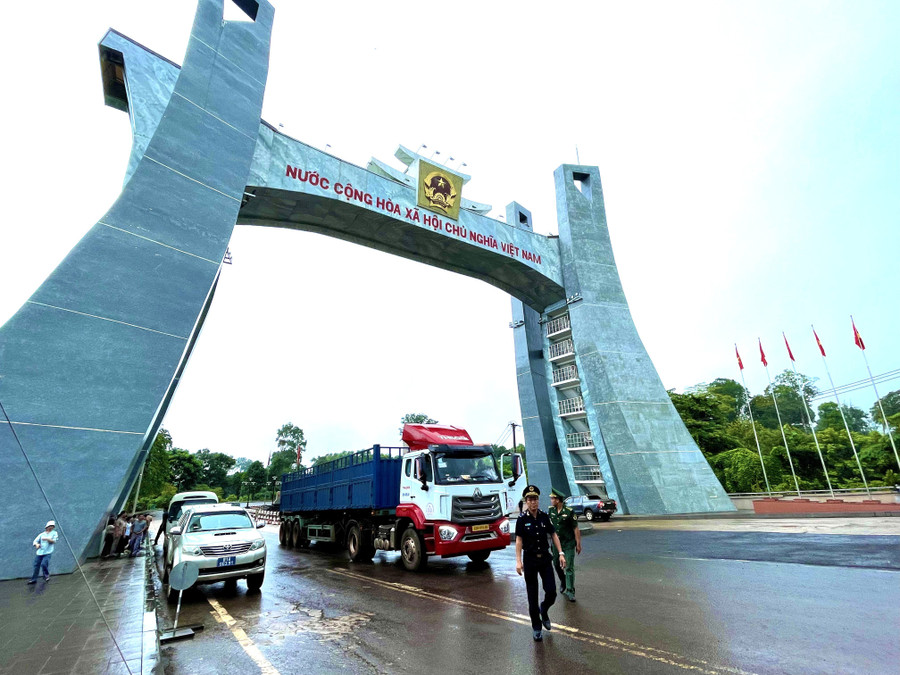
The Le Thanh International Border Gate holds a strategic position in connecting transportation and logistics infrastructure to other international border gates in the region such as Bo Y (Quang Ngai), Bu Prang (Lam Dong), Hoa Lu ( Dong Nai ), Moc Bai (Tay Ninh), etc.
This is a significant advantage for Gia Lai to become a transit hub for wood, rubber, coffee, pepper, and other goods exported to Cambodia and subsequently to other ASEAN countries.
Expanding the market from the Le Thanh gateway.
During the period 2021-2024, the import and export turnover of Gia Lai enterprises through the Cambodian market increased 1.7 times, with an average growth rate of 23% per year.
From the beginning of 2025 to the present, the total import and export turnover through the Le Thanh International Border Gate is estimated at 205 million USD, demonstrating the great potential of this border market.
According to Mr. Duong Minh Duc, Director of the Department of Industry and Trade, the structure of import and export goods between the two sides clearly demonstrates their complementary nature. Gia Lai mainly exports livestock, consumer goods, agricultural supplies, and electricity; while importing cashew nuts, cassava chips, rubber, and raw agricultural products from Cambodia. This provides a favorable foundation for both sides to expand trade cooperation, aiming towards a sustainable supply chain.
The Department of Industry and Trade has coordinated with relevant sectors, localities, and Ratanakiri province (Cambodia) to implement many practical and focused trade promotion activities such as: annual border markets; trade conferences, export promotion programs; participating in the border region working group of the Ministry of Industry and Trade; working with the Department of Commerce of Ratanakiri province; participating in border region trade fairs to connect businesses in the Central Highlands - Southern Laos - Northeastern Cambodia.
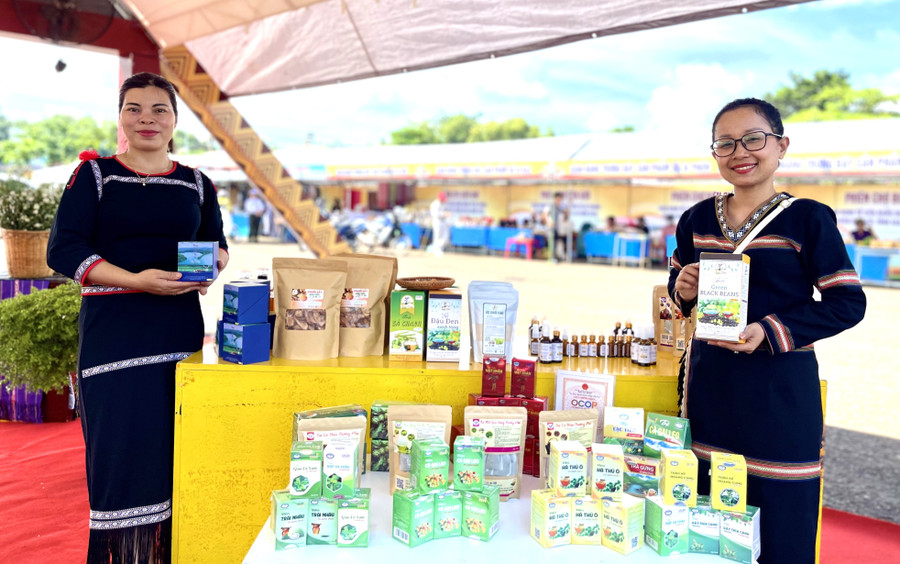
However, Mr. Duc also frankly acknowledged that although the Cambodian market is opening up great opportunities for businesses in Gia Lai, the scale of border trade activities is currently small and not commensurate with its potential.
The range of import and export goods is not diverse; the number of businesses participating in import and export through border gates is still limited. Many businesses do not yet consider Cambodia a potential market, thus lacking long-term business strategies and brand promotion.

From an investment management perspective, Mr. Nguyen Nhu Trinh, Deputy Head of the Provincial Economic Zone Management Board, stated: Most projects in the Le Thanh International Border Gate area are small-scale, primarily focused on the production and processing of agricultural and forestry products and commercial services; the products are semi-processed, have low added value, and are mainly consumed in the domestic market.
In addition, the sparse population in the border communes on both sides also limits the scale of trade at the border market.
Boosting the exploitation of significant potential.
With the second largest land area in the country, stretching from the highlands to the coast, and a well-connected transportation system, Gia Lai has vast and diverse development potential. In addition, its abundant resources, combining agriculture, forestry, and fisheries, create significant opportunities for expanding exports.
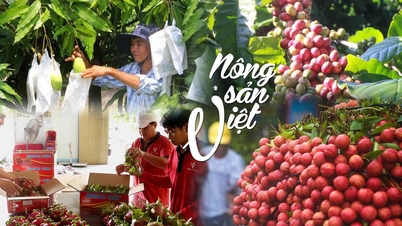
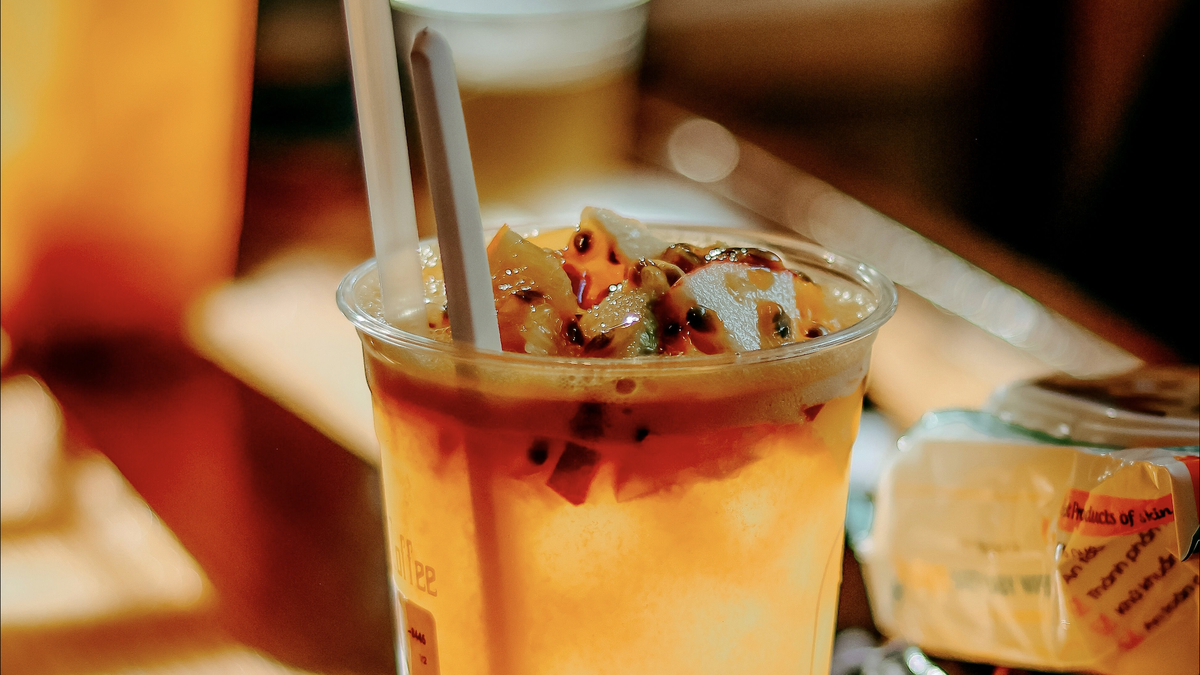
Coffee, rubber, pepper, noodles, cashews, bananas, durian, passion fruit, and other commodities, with their large-scale supply and potential for further processing, can be combined with seafood, timber and forestry products, and textiles to create a diverse supply chain that caters to various segments of the Cambodian market.
According to Mr. Phan Ba Kien, Director of BaKa Co., Ltd. (Ia Hrung commune), Vietnam and Cambodia share many similarities in agricultural production. Cooperation in developing raw material areas and processing distinctive products will create a large supply of goods for export to the ASEAN market.
"BaKa Co., Ltd. wishes to cooperate with Cambodian partners to develop a supply chain for coffee and processed products with a unique identity," Mr. Kien shared.
According to Plan No. 94/KH-UBND dated October 14, 2025, Gia Lai aims to develop modern and sustainable border trade linked to international integration. The province orients Cambodia towards becoming a key import and export market, leveraging the strategic location of the Le Thanh International Border Gate.
Specifically, by 2030, the trade turnover of Gia Lai enterprises to the Cambodian market will reach 300 million USD, with an average growth rate of 17% during the 2025-2030 period; the trade turnover of Vietnamese enterprises through the Le Thanh International Border Gate will reach 500 million USD, with an average growth rate of 16% during the period.
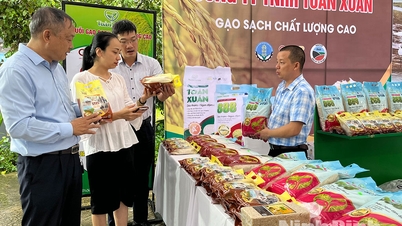
The structure of key export items is clearly defined, including: processed seafood (fish, shrimp, dried squid, etc.); building materials (cement, granite, non-fired bricks); processed agricultural products (cashew nuts, macadamia nuts, cereals, dried vermicelli, rice flour, rice paper, etc.); fresh fruit; meat and poultry by-products; textiles and garments; petroleum products, and electricity.
Imports from Cambodia mainly consist of raw materials for processing, such as raw cashew nuts and rubber latex.
According to Mr. Duong Minh Duc, the province currently has about 400 export businesses (including more than 100 businesses in the wood products sector, 40 businesses in the garment sector, 26 businesses in the agricultural products sector, and 7 businesses in the seafood sector...) which can directly participate in the Cambodian market, especially in product groups with competitive advantages such as processed agricultural products, construction materials, textiles, food, and petroleum products.



To effectively harness its potential, the Department of Industry and Trade continues to promote trade and connect businesses through a variety of comprehensive solutions. These include organizing and participating in trade programs, fairs, exhibitions, and connecting businesses specializing in key product sectors.
Strengthening activities to promote the image and brand of Vietnamese goods, developing distribution networks, and bringing goods into major Cambodian supermarkets such as Chip Mong, Aeon Mall, Bayon, Lucky, etc.
Collaborating with major e-commerce platforms to build Vietnamese stores on Cambodian platforms and vice versa will help reach customers in more remote provinces, reducing reliance on traditional retail channels.
At the same time, develop a logistics system linked to the value chain of key products, attract investment in warehouses, inland ports, free trade zones and the Le Thanh International Border Gate Economic Zone Industrial Park, and connect synchronously with the expressway and seaport system of the province…
Source: https://baogialai.com.vn/thuc-day-thuong-mai-bien-gioi-phat-trien-post569900.html

































































![[INFOGRAPHICS] Can Tho implements the Strategy for Ethnic Affairs until 2030, with a vision to 2045](https://vphoto.vietnam.vn/thumb/402x226/vietnam/resource/IMAGE/2026/06/28/1782658308447_1782658217.webp)