Ho Chi Minh City makes a breakthrough thanks to Resolution 98.
Báo Thanh niên•03/09/2024
More than a year after the implementation of Resolution 98 of the National Assembly , many special mechanisms have come into effect, helping Ho Chi Minh City achieve many important targets and creating a foundation for rapid, strong, and sustainable development.
30 MECHANISMS HAVE BEEN IMPLEMENTED
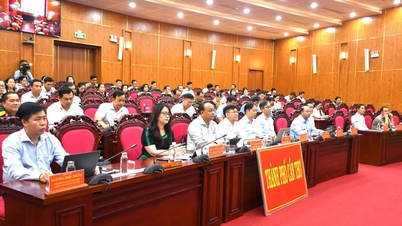
Resolution 98/2023 of the National Assembly on piloting a number of special mechanisms and policies for the development of Ho Chi Minh City is considered a meticulously prepared resolution, implemented synchronously and decisively by the head of the Government, ministries, agencies, and Ho Chi Minh City. To date, the Prime Minister has issued four documents assigning tasks to ministries, agencies, and Ho Chi Minh City. At the local level, the City Party Committee, the Standing Committee of the City Party Committee, the People's Council, and the People's Committee of Ho Chi Minh City have issued numerous directives and plans, established steering committees, executive boards, support teams, and advisory councils with the ultimate goal of quickly implementing the mechanisms into practice, removing bottlenecks, and unlocking resources.
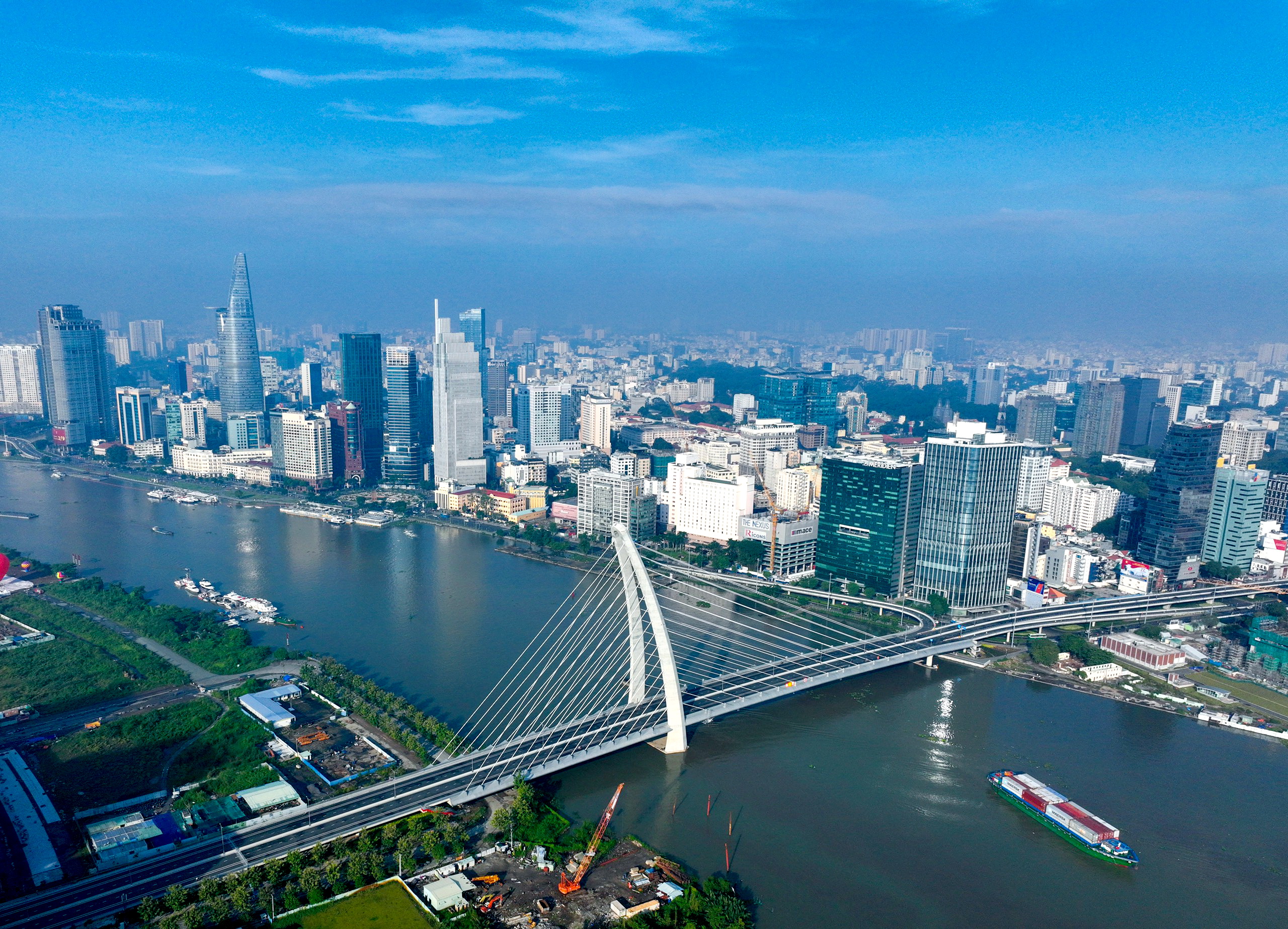
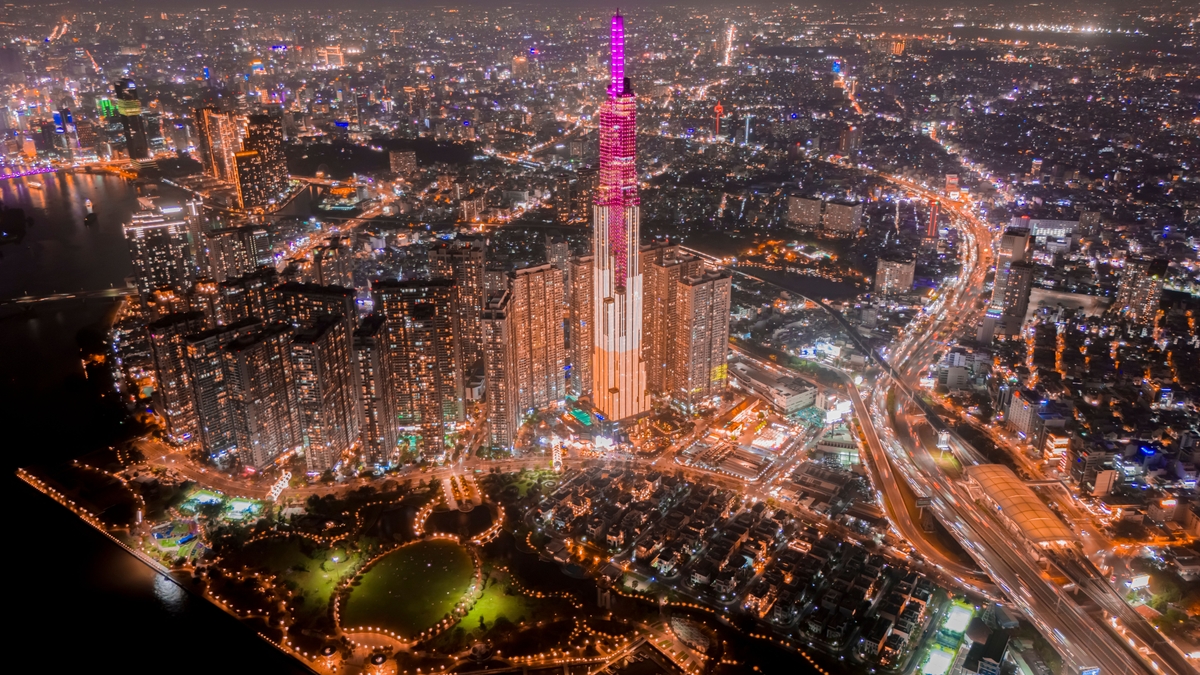
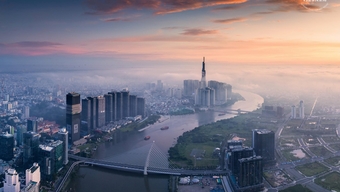
More than a year after the implementation of Resolution 98 of the National Assembly, many special mechanisms have come into effect, creating a foundation for Ho Chi Minh City to develop rapidly, strongly, and sustainably.
PHOTO: INDEPENDENT
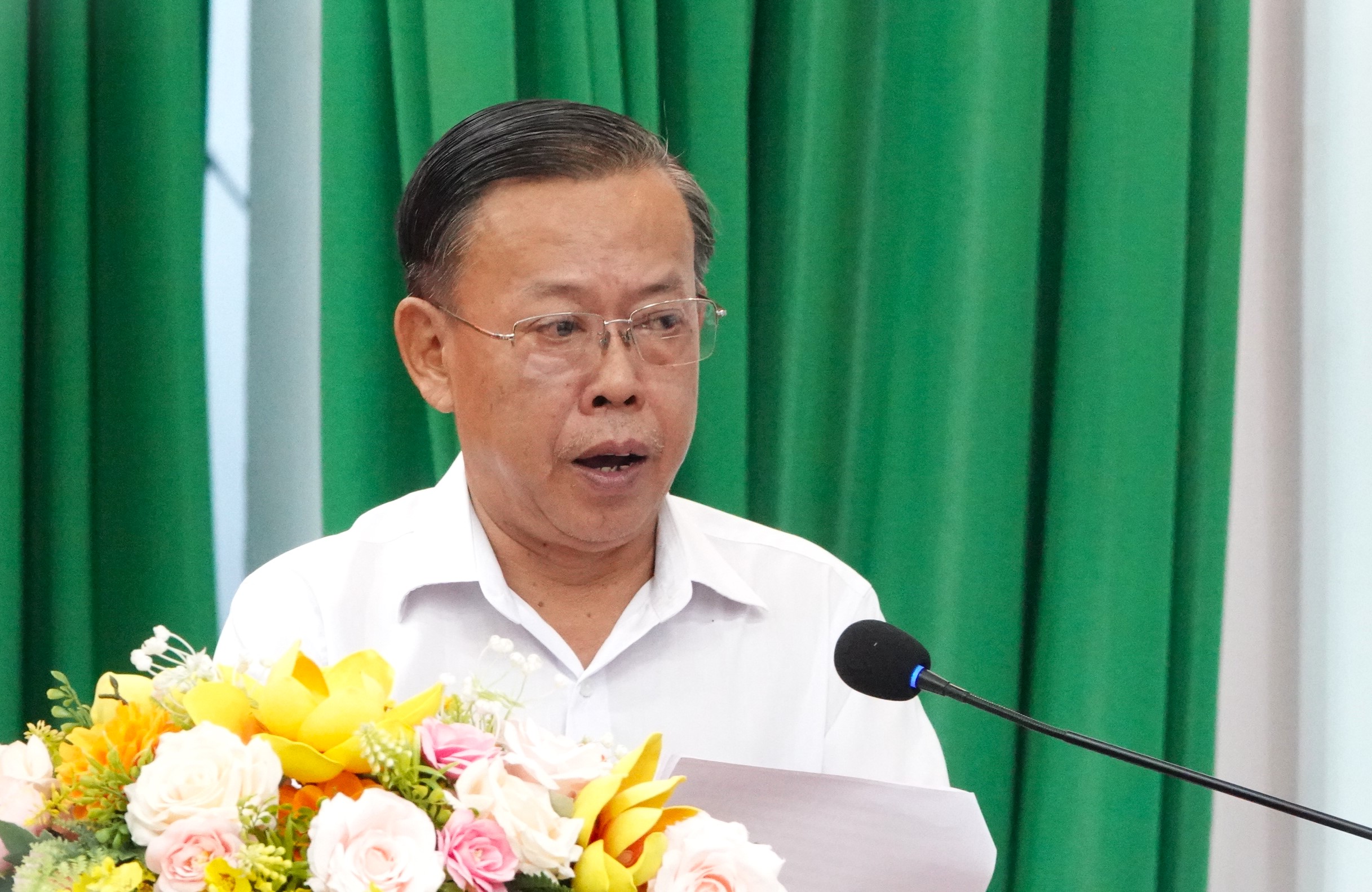
According to Mr. Vo Van Hoan, Vice Chairman of the People's Committee of Ho Chi Minh City, out of 44 special mechanisms, 30 have been implemented so far, 2 are awaiting supplementary regulations from ministries and agencies, 1 has requested to be suspended due to new regulations, 4 have not yet been proposed for application, and Ho Chi Minh City is finalizing guiding documents for 7 mechanisms.
Specifically, in the field of investment management, Ho Chi Minh City allocated 3,794 billion VND in public investment capital to support poverty reduction and job creation; approved a list of 7 urban development locations oriented towards public transportation; issued a list of 41 investment projects under the public-private partnership method in the fields of health, education , and culture; and approved 5 projects to upgrade, expand, and modernize existing roads under the BOT (build-operate-transfer) model. Regarding financial and budgetary mechanisms, the locality allocated 1,500 billion VND in public investment capital to support interest rates for projects financed by the Ho Chi Minh City State Financial Investment Company in priority sectors; disbursed 11,287 billion VND in additional income; and provided 75 billion VND to Dien Bien province to implement several projects.
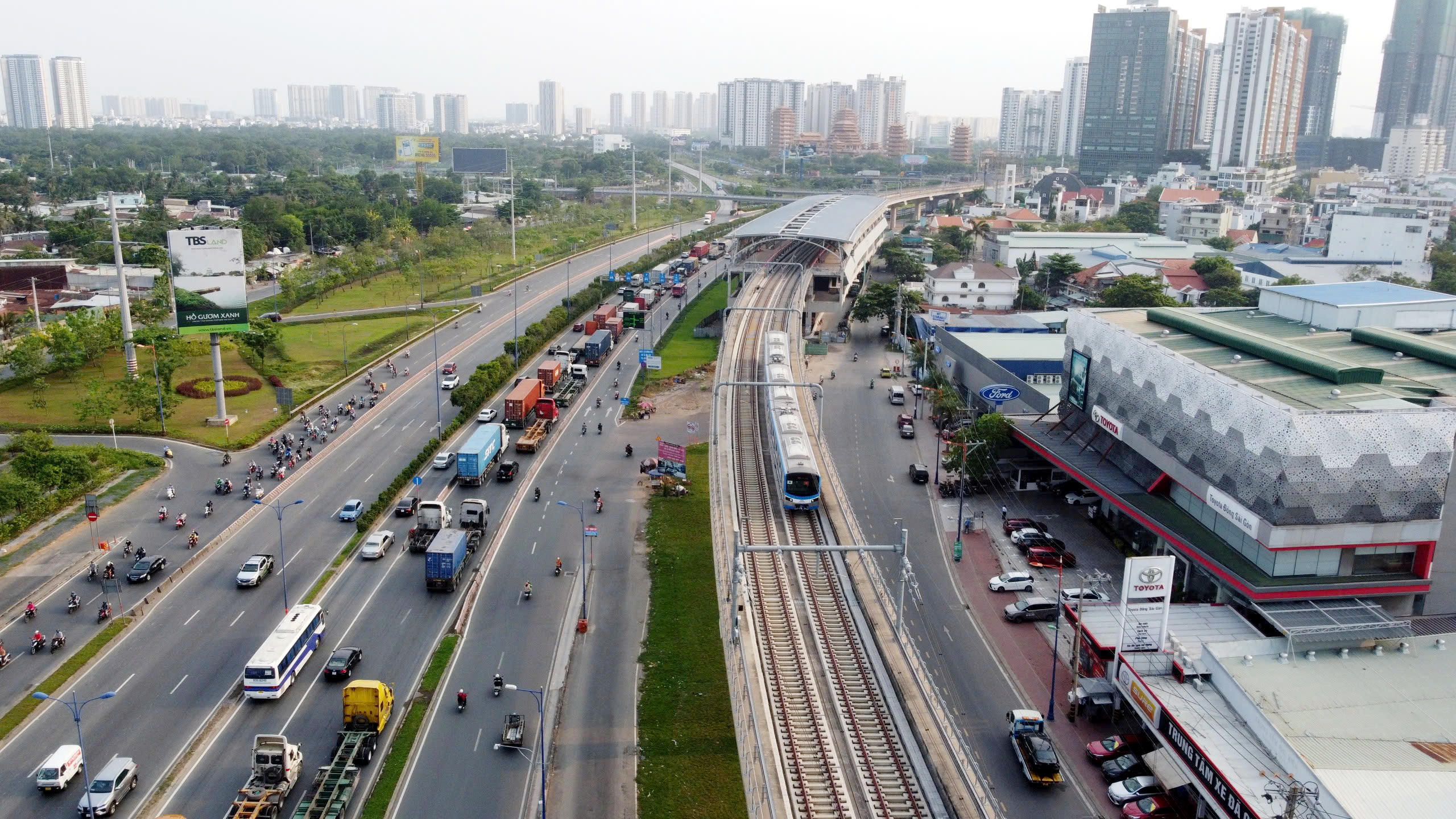
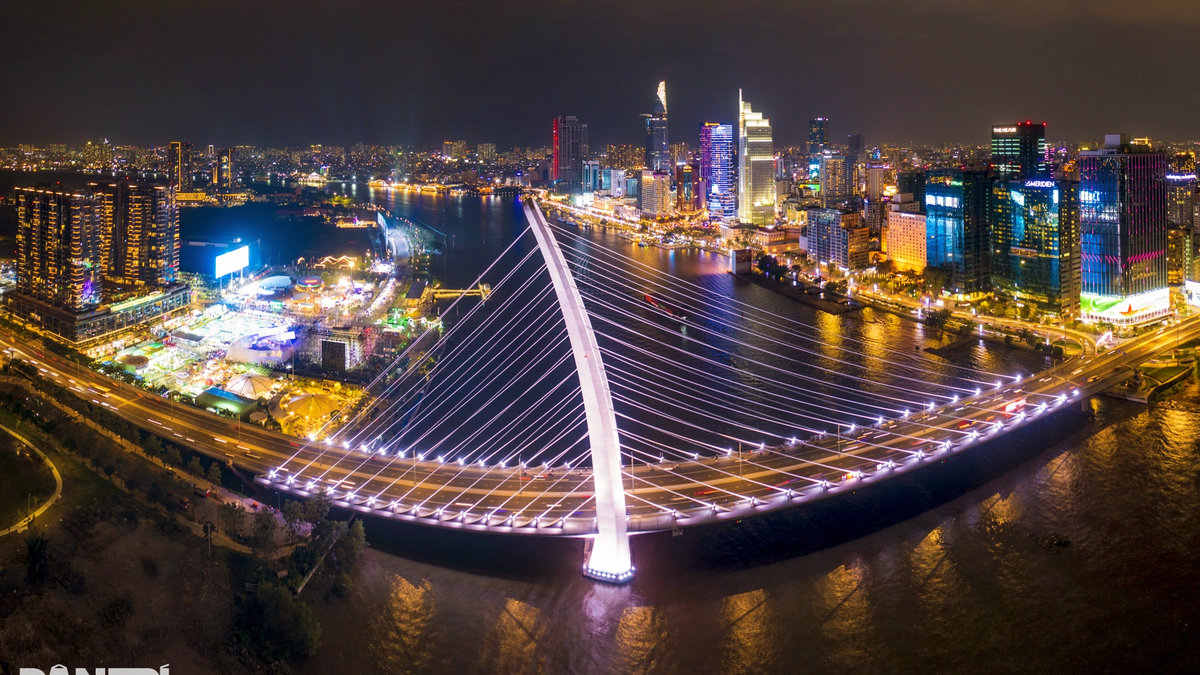
Ho Chi Minh City is hoping for a mechanism to unleash land resources through transport-oriented urban development (TOD).
PHOTO: NGUYEN ANH
In the areas of urban management, resources, and environment, Ho Chi Minh City approved the investment policy for one social housing project providing approximately 2,000 apartments to the market, five units registered to convert waste-to-energy technology, and two projects added the goal of waste-to-energy. Regarding science and technology management and innovation, to date, there are 48 valid applications, of which the advisory council selected 21 and initially supported 15. Notably, the implementation of 9 out of 10 mechanisms on the organizational structure of the government in Ho Chi Minh City has helped the locality process applications from citizens and businesses more quickly. Specifically, Ho Chi Minh City established the Department of Food Safety and the Center for Digital Transformation, and added the position of Vice Chairman to the People's Committees of Thu Duc City, Can Gio District, Hoc Mon District, and 51 wards, communes, and towns with a population of over 50,000 people. Associate Professor Vu Tuan Hung, Deputy Director in charge of the Southern Region Institute of Social Sciences, assessed that the addition of officials and civil servants in densely populated wards and communes has partially resolved the inadequacies of equal staffing levels across localities. Regarding additional income, although the rate of 1.5 times will be applied in 2024, not all officials and civil servants will automatically receive the same amount; only those who perform exceptionally well and make significant contributions will receive the maximum amount. This creates competition and motivates civil servants to contribute. The strong decentralization helps to streamline administrative procedures, process applications quickly, and benefit citizens and businesses. This expert assessed that with the newly issued Government Decree 84/2024, Ho Chi Minh City will have more advantages in governance, economic development, and proactively use the budget to implement infrastructure projects.
The foundation for Ho Chi Minh City's rapid development.
At a working session with Ho Chi Minh City on August 10th, Prime Minister Pham Minh Chinh assessed that the first year of implementing Resolution 98/2023 of the National Assembly has yielded very fundamental and positive initial results, creating a foundation for the rapid, strong, and sustainable development of Ho Chi Minh City. "With mature thinking, clear understanding, established mechanisms, and the opportunity now within reach, we must have even greater determination, more effort, more decisive action, and focus our work on key priorities. We must further promote a proactive mindset, encourage and protect those who dare to think, dare to act, dare to innovate, and dare to make breakthroughs for the common good," Prime Minister Pham Minh Chinh added.
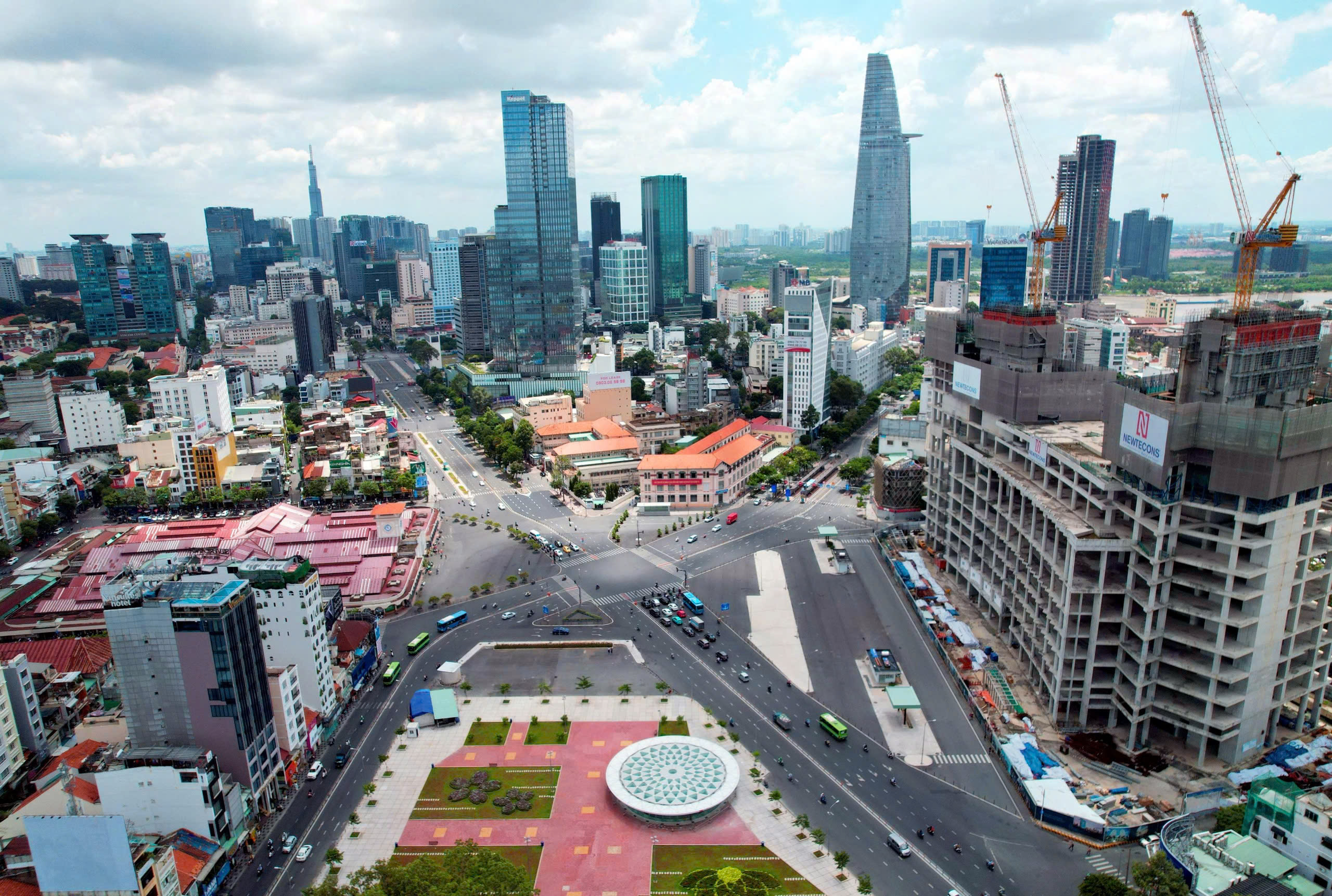
Ho Chi Minh City's economy continues to recover strongly after the Covid-19 pandemic thanks to support from Resolution 98/2023 of the National Assembly.
Aiming to become a multi-centered megacity, Ho Chi Minh City places its hopes on the Law on Special Urban Areas.At the National People's Council Conference on the direction and tasks for the 2026-2031 term, held in Hanoi on the morning of May 28th, the Standing Committee of the Ho Chi Minh City People's Council submitted a paper on the topic "Experiences and solutions to enhance the role and authority of the People's Council in building breakthrough mechanisms for socio-economic development".
With careful consideration, clear thinking, established mechanisms, and the opportunity now within our grasp, we must demonstrate even greater determination, make more effort, take more decisive action, and focus our work on key priorities.
Prime Minister Pham Minh Chinh (at a working session with Ho Chi Minh City on August 10)
Sharing the same view, Politburo member and Secretary of the Ho Chi Minh City Party Committee Nguyen Van Nen noted that the implementation of 30 out of 44 mechanisms has contributed to resolving previously encountered difficulties and obstacles, while also clearing many bottlenecks and preparing for medium-term and long-term plans. Economic indicators such as Gross Regional Domestic Product (GRDP) growth, budget revenue, industrial production, retail sales of goods and services, and social welfare in the first months of 2024 were achieved with the support of these special mechanisms. "The results achieved in the past year are very commendable, especially in the context of no increase in the number of personnel implementing them," Secretary Nguyen Van Nen assessed. The mechanism of additional income payment, in particular, helps officials and civil servants feel more cared for, more focused, more secure, and more dynamic and creative, contributing to improved productivity, quality, and efficiency. Not only the political system of Ho Chi Minh City but also many central agencies operating in the city have benefited from this policy. Recalling the time of implementing Resolution 98, the head of the Ho Chi Minh City Party Committee shared that the general feeling at that time was like launching a campaign, witnessing the decisive action of the Government and Ho Chi Minh City, creating a very strong and synchronized momentum throughout the entire system of administration and law enforcement. While acknowledging the significant work that has been done, according to Secretary Nguyen Van Nen, even though it is a special resolution, it still needs time because in a large city, some things are immediately visible, while others require time. In practice, many things are still being implemented in a hesitant manner, with coordination issues, manifestations of perfectionism, hesitation, fear of risks, and many stages being overloaded.
Improving investment attraction policies
"Resolution 98 was expected to open up mechanisms to unleash resources and remove obstacles so that Ho Chi Minh City could be more decentralized, empowered, and proactive, but both of these things have not been achieved as desired," acknowledged Phan Van Mai, Chairman of the People's Committee of Ho Chi Minh City. Legally, the superior mechanisms and policies are pilot programs but still have to follow current procedures. Moreover, these procedures are issued by ministries and agencies, not delegated to the People's Committee of Ho Chi Minh City. For example, the issuance of the list of projects and mechanisms and policies to attract strategic investors, although delegated to the People's Council of Ho Chi Minh City for approval, still requires the People's Committee of Ho Chi Minh City to report and consult with the Ministry of Planning and Investment before approval. According to Mr. Mai, removing obstacles in the mechanism for attracting strategic investors is necessary to attract investment in the Can Gio International Transshipment Port project and the High-Tech Park.
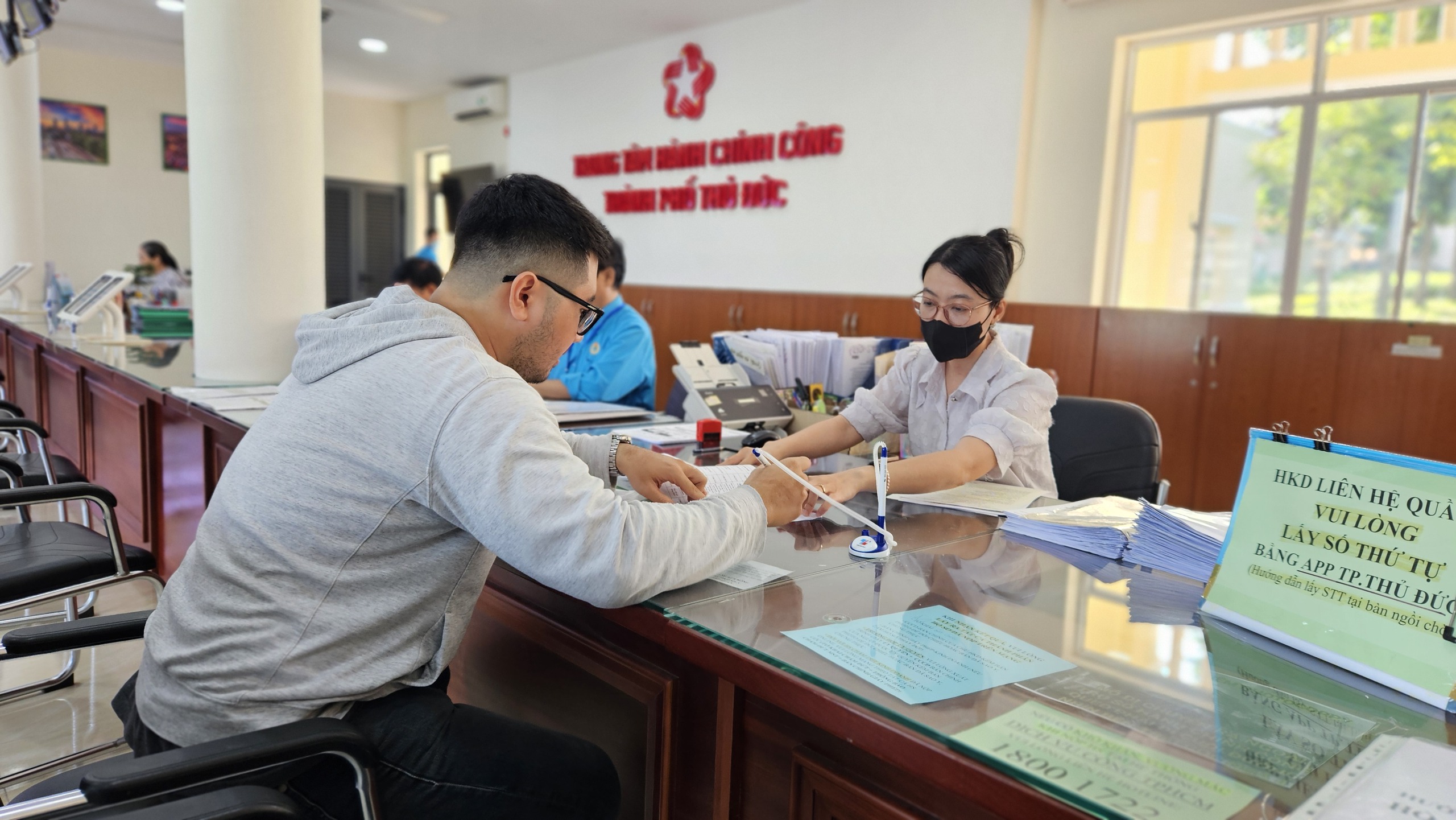
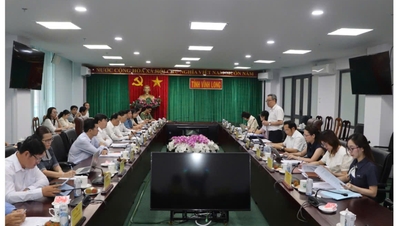
The Thu Duc City Public Administration Center was established under a special mechanism stemming from Resolution 98/2023 of the National Assembly.
PHOTO: SY DONG
Another mechanism expected to unlock land resources is Transport-Oriented Development (TOD), but so far it has only identified 7 suitable locations along Metro Line 1 (Ben Thanh - Suoi Tien), Metro Line 2 (Ben Thanh - Tham Luong), and Ring Road 3. Dr. Truong Minh Huy Vu, Director of the Ho Chi Minh City Development Research Institute, explained that even with a mechanism in place, implementation is impossible if it doesn't align with the existing plan. Ho Chi Minh City is currently finalizing two planning projects, including adjustments to the general plan and the socio-economic plan, for approval by the competent authorities. Ho Chi Minh City People's Committee Chairman Phan Van Mai stated that the TOD model for urban development is estimated to generate approximately 100,000 billion VND for the budget and restructure urban space. In the near future, Ho Chi Minh City will adjust detailed planning in 6 locations for implementation, prioritizing Thu Duc City first. For 41 public-private partnership projects in the fields of health , education, and culture, and 5 road expansion projects under the BOT (Build-Operate-Transfer) model, Ho Chi Minh City will organize investment promotion conferences in the third and fourth quarters of 2024 and commence construction in 2025. Regarding outstanding issues, Secretary Nguyen Van Nen suggested that the Ho Chi Minh City People's Committee proactively discuss and propose to the Standing Committee of the City Party Committee for consideration and implementation in the spirit of innovation for the common good. Only matters exceeding its authority should be submitted to central agencies for their opinions.
General Secretary and President To Lam: Ho Chi Minh City is not only economically rich but also historically and culturally rich.
Saigon - Ho Chi Minh City has always been intimately connected to the history and destiny of the nation. For nearly 40 years, since the beginning of the Doi Moi (Renovation) period, Ho Chi Minh City has consistently been a major contributor to the country in terms of gross domestic product (GDP), budget revenue, labor productivity, new mechanisms and policies, and new business models. Many innovative ideas, breakthroughs, new technologies, and new approaches are often implemented in Ho Chi Minh City and then replicated nationwide.
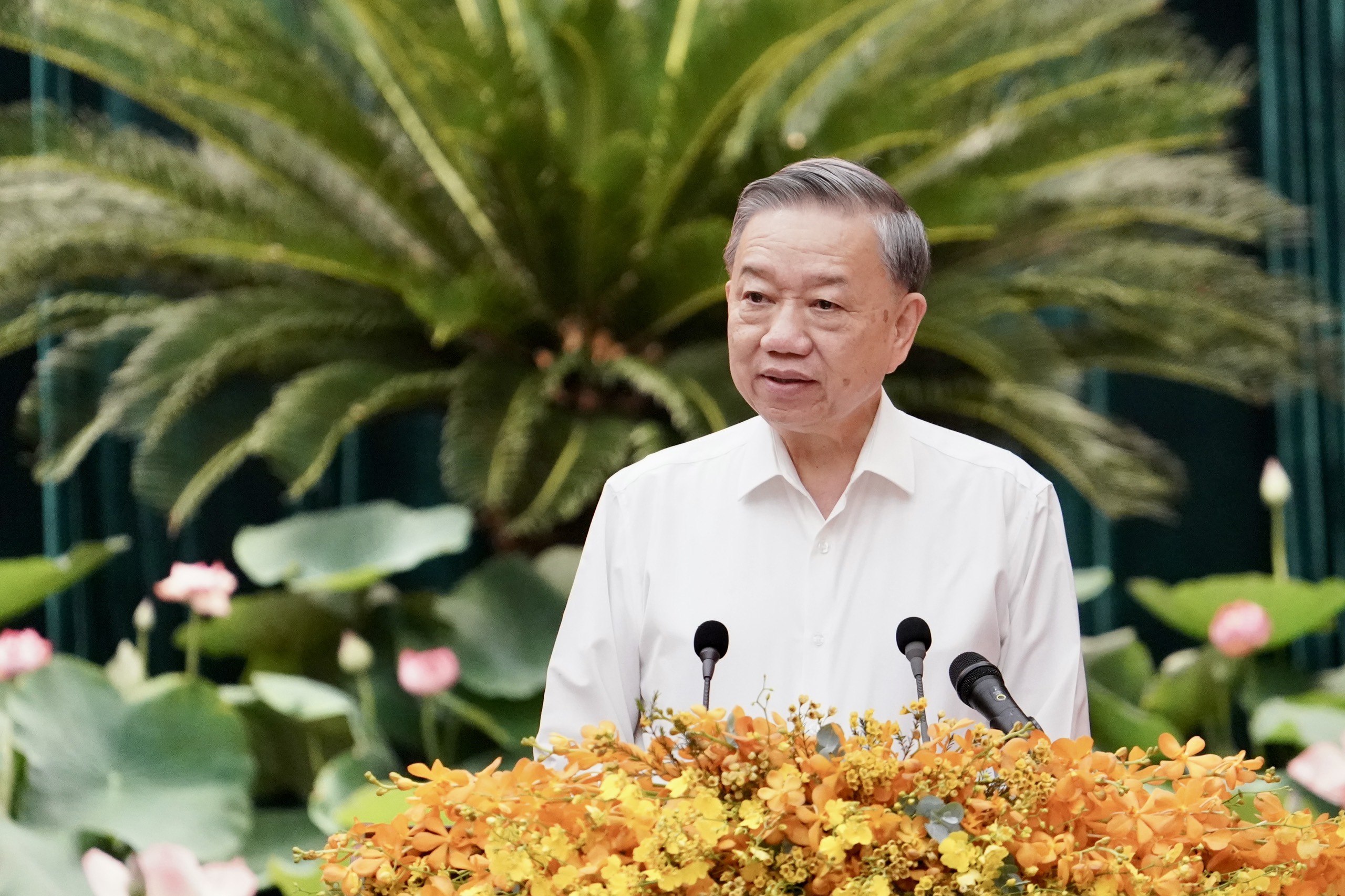
General Secretary and President To Lam speaks at the working session with the Ho Chi Minh City Party Committee on August 17.
Vietnam encourages US businesses to expand investment in high technology.On the morning of June 26th, at the Government Headquarters, Deputy Prime Minister Ho Quoc Dung received Mr. Jeff Place, Supply Chain Director of Coherent Group (USA). During the meeting, the Deputy Prime Minister affirmed that Vietnam encourages US businesses to expand investment, especially in high-tech, innovation, and semiconductor industries.
In the coming period, Ho Chi Minh City needs to define its future as a global city, developing intelligently, modernly, dynamically, and integratedly; making the best use of its potential and advantages, and developing its economy rapidly and sustainably. Ho Chi Minh City needs to translate the political determination of the entire Party Committee of Ho Chi Minh City to build a "civilized, modern, compassionate, dynamic, and creative city," as outlined in Resolution No. 31 of the Politburo on the development of Ho Chi Minh City, into concrete actions and achievements in practice, so that Ho Chi Minh City truly becomes a civilized city where its people enjoy a prosperous and happy life. Ho Chi Minh City needs to continue investing in innovation and comprehensively improving the quality of education and training, developing human resources, especially high-quality human resources; and strongly developing science and technology in conjunction with the development of the knowledge economy, digital technology, and digital society. At the same time, it is necessary to strengthen and improve the healthcare network from the city level to the grassroots, enhance the quality of district hospitals, develop preventive medicine, and fundamentally address the issue of hospital overcrowding. Ho Chi Minh City's target of 21 doctors per 10,000 people is already very good, but it should aim for a target of at least one health check-up per person per year at healthcare facilities. In addition, Ho Chi Minh City needs to focus on developing, improving, and managing cultural activities in a civilized manner; preserving and promoting national cultural identity and unique spiritual values. Recently, Ho Chi Minh City held a very interesting river festival, which is a distinctive feature of the city. Ho Chi Minh City's development should allow every citizen to be proud and responsible for contributing to building Ho Chi Minh City into a prosperous city. Prosperity is not just about money and material possessions, but also about history, culture, human kindness, opportunities, and aspirations for progress. (Excerpt from the remarks of General Secretary and President To Lamduring his visit and working session with the Ho Chi Minh City Party Committee on August 17)
Thu Duc District authorizes 187 tasks to departments and wards.
To date, the four mechanisms for organizing the administrative apparatus of Thu Duc City have been implemented relatively comprehensively. Regarding the establishment of the administrative apparatus, the People's Committee of Thu Duc City has established the Construction Inspectorate, the Public Administration Center, and three public service units (the Center for Trade and Investment Promotion, the Social Welfare Center, and the Center for Technical Infrastructure Development). Preliminary assessments show that all centers operate effectively and are well-suited to a population of over one million people.
Mr. Nguyen Huu Hiep, Secretary of the Thu Duc City Party Committee
PHOTO: SY DONG
Regarding decentralization and delegation of authority, the People's Committee of Thu Duc City has issued 28 decisions delegating 187 tasks to specialized departments and 34 wards. For example, previously, house numbering was under the authority of the district level, but now it has been assigned to the wards. Some wards have even requested permission to assign house numbers to organizations, instead of only households as is currently the case. Regarding the acceptance of investment projects, Thu Duc City received support and guidance from the Department of Planning and Investment for the first three months, and now the process is running smoothly, promoting investment in 6 projects with a total capital of nearly 3,000 billion VND. In addition, the Department of Science and Technology has also agreed on a plan to allocate 36 billion VND for 17 scientific research tasks. Based on practical experience, the locality recommends that pilot models remain unchanged and not be affected by the introduction of new models. As Ho Chi Minh City plans to establish a new Public Administrative Service Center in the near future, the Thu Duc City Public Administrative Service Center should remain in its current state to serve general needs, and should not be merged into a vertically integrated unit. (Mr. Nguyen Huu Hiep , Secretary of the Thu Duc City Party Committee)