

The harsh reality of youth football in Indonesia and Malaysia.
After the Indonesian U23 team failed to qualify for the U23 Asian Championship, coach Gerald Vanenburg gave a lengthy speech criticizing the country's youth football training system. In it, he raised two main issues. First, the problem of physical fitness, claiming that young players could only run for 60 minutes. Second, the fact that they lacked sufficient club experience.
The Dutch coach made these statements while facing the threat of dismissal. However, regardless of the circumstances, perhaps these were heartfelt words that Coach Gerald Vanenburg wanted to convey to those involved in Indonesian football.
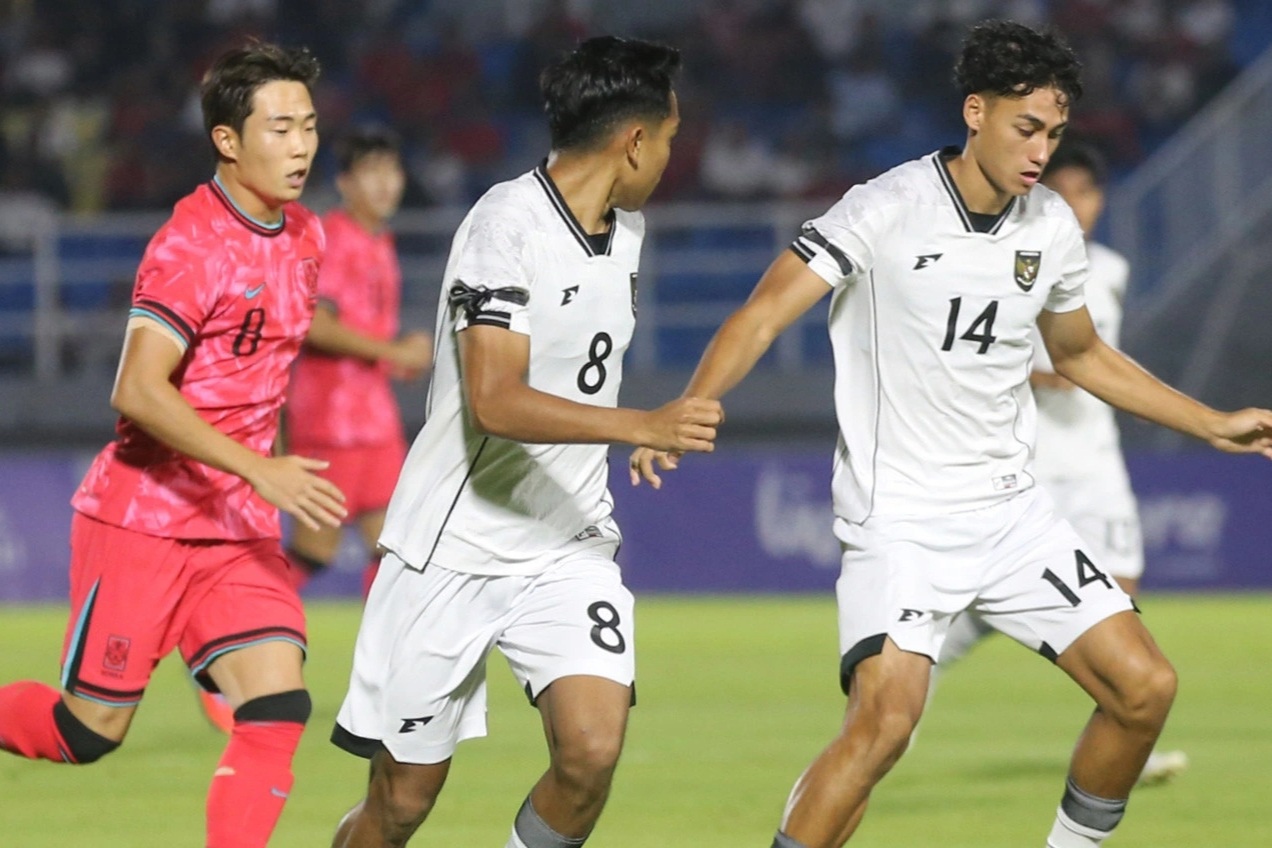
Indonesia's U23 team failed to qualify for the U23 Asian Championship. It's worth remembering that just a year ago, they reached the semi-finals of this tournament (Photo: PSSI).
Many compare him to coach Shin Tae Yong, who led the Indonesian U23 team to the semi-finals of the U23 Asian Championship last year. However, it's worth remembering that the Indonesian U23 team at that time included many naturalized players and national team members. Currently, the Indonesian U23 team only has one reliable naturalized player, Rafael Struick. However, this striker has also declined and lost his place in the Indonesian national team.
This shows that, as soon as they relied on their local team, the Indonesian U23 team revealed their weaknesses. It's impossible to justify their elimination by claiming they were in the same group as South Korea. Remember, Indonesia themselves squandered their own chances by being held to a 0-0 draw by Laos.
For the second time in a few months, coach Gerald Vanenburg suffered the fate of a loser while leading the Indonesian U23 team. In July, he had apologized after the team lost the Southeast Asian U23 Championship on home soil following a defeat to Vietnam U23.
Going back in time to when coach Shin Tae Yong first took over the Indonesian national team, in the very first training sessions, the South Korean strategist criticized the quality of Indonesian players. He also emphasized that their physical fitness was only sufficient for playing for 60 minutes.
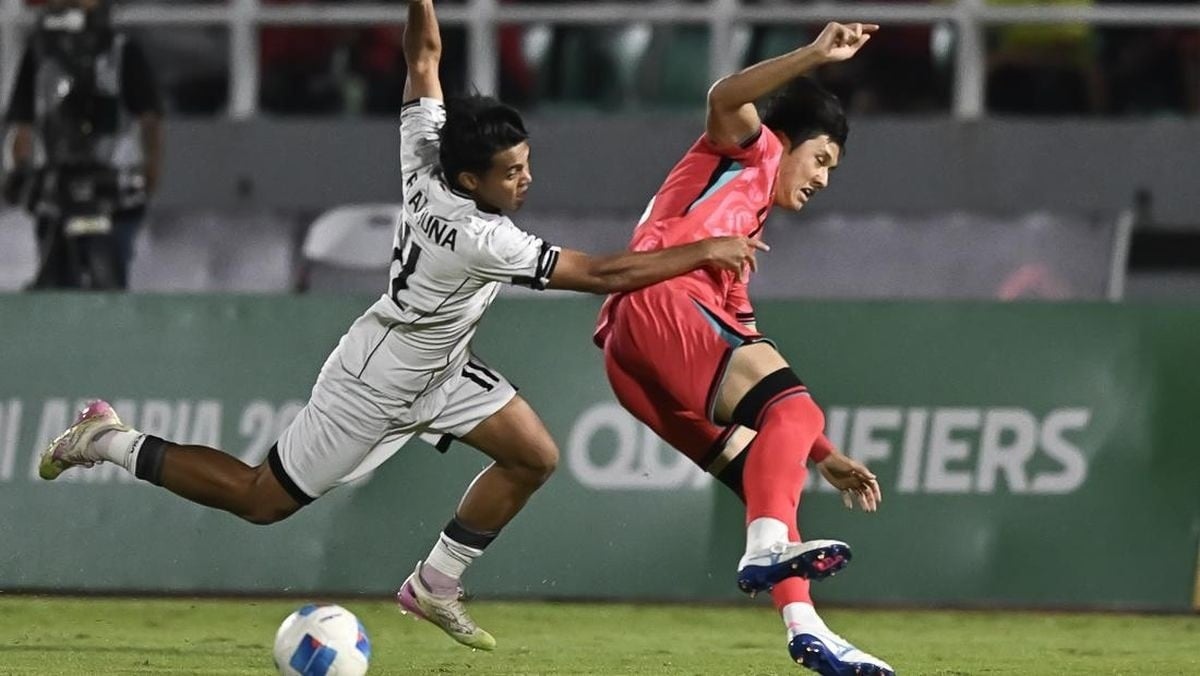
Indonesian youth football is being significantly affected by the naturalization policy (Photo: AFC).
In this context, the Indonesian Football Federation (PSSI) made a pivotal decision: to massively naturalize European players (primarily Dutch) of Indonesian descent, instead of focusing on developing the team's roots, which is youth training.
Essentially, PSSI's approach has saved Indonesian football a great deal of time, money, and opportunities. They immediately transformed into a formidable challenger in Asia with a stunning new look. To date, Indonesia is the only Southeast Asian team to reach the fourth round of World Cup qualifiers.
However, the question is, what lies behind this "glamorous facade"? It could be a host of anxieties and an uncertain future. Coach Vanenburg stated: "The process of naturalizing players of European descent in Indonesian football is not a fundamental solution. If naturalized players don't get regular playing time at their clubs, their performance will decline, and the national teams will decline as well."
This is also a problem that Indonesian experts have raised. The failure of the U23 team (and previously the U17 and U20 teams) shows that Indonesian football almost lacks a successor generation for the current crop of naturalized stars. To illustrate, the Indonesian national team also suffered a humiliating defeat, failing to advance beyond the group stage of the 2024 AFF Cup when using only local players.
Will they once again rely on a new generation of naturalized players trained in Europe? This seems like a risky gamble, as Indonesia cannot independently determine its future player pool. They are essentially entrusting their fate to others.
The anxieties of Indonesian football are also reflected in Malaysia's current mood. In a situation where competition is almost impossible, Malaysia has also massively naturalized players from Europe and South America. As a result, the Malaysian national team won all three matches against Vietnam, Singapore, and Palestine, rising to 123rd in the world rankings.
However, the Malaysian U23 team suffered humiliating defeats in tournaments such as the Southeast Asian U23 Championship and the Asian U23 qualifiers. The Malaysian national team (before naturalization) also exited the 2024 AFF Cup early in the group stage.
Like Indonesia, behind the glamorous facade of naturalized players, Malaysian football is left with nothing but uncertainty.
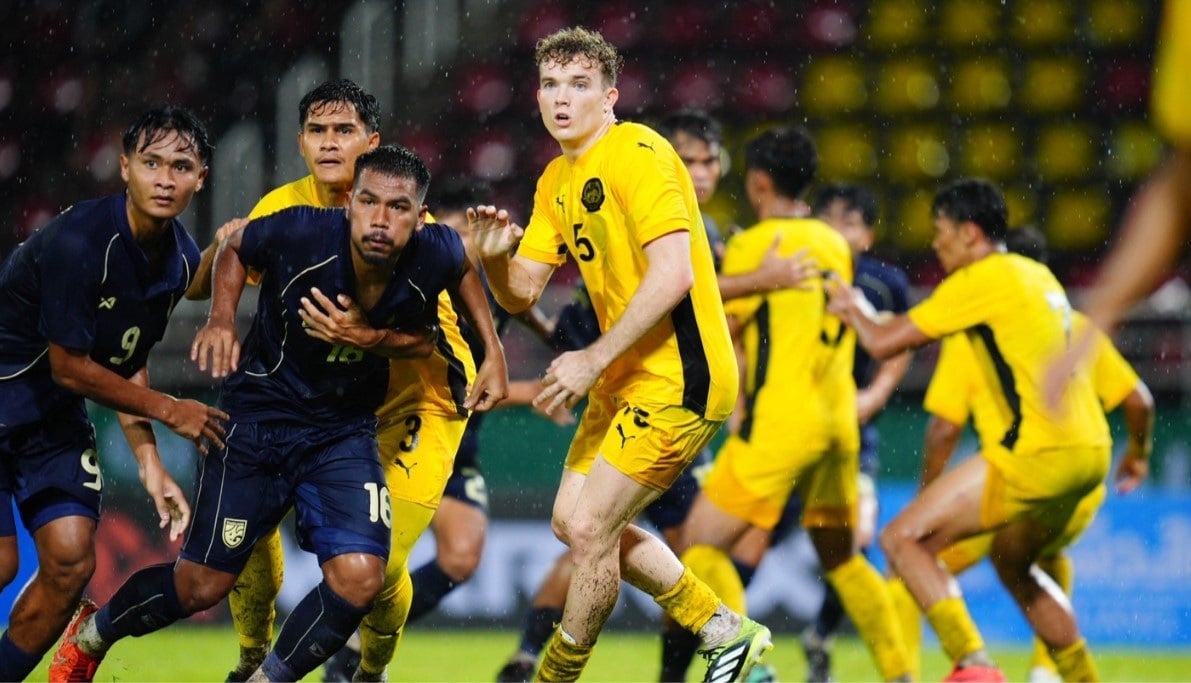
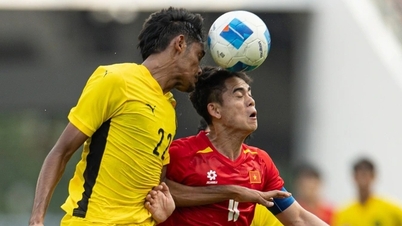
Malaysian youth football is seriously regressing as the national team prioritizes the use of naturalized players (Photo: FAT).
Both Indonesia and Malaysia understand that it's impossible to simultaneously naturalize players en masse and ensure the proper development of youth football. In a context where they must improve at all costs, they both choose naturalization. Naturally, with each naturalized player making their debut for the national team or U23 team, the opportunities for native Indonesian and Malaysian players to play will decrease accordingly.
This is a trade-off approach to football. In a way, the Indonesian and Malaysian U23 teams are suffering the negative consequences of the massive naturalization policy.
Experience shows that, in the past, no team in Asia has achieved long-term success by relying entirely on naturalized players. Chinese football is having to "start from scratch" after a period of massive naturalization. Similarly, Singapore is only a shadow of its former self compared to its golden age of naturalization. This serves as a warning to Indonesia and Malaysia at this time.
Vietnam U23 team is on the right track.
In its latest article, the Indonesian newspaper Suara stated that the Vietnamese U23 team deserves to be a role model for Indonesian football to learn from. The Vietnamese U23 team has performed successfully and consistently in the Asian U23 Championships, having finished as runners-up in the 2018 tournament. In the two most recent tournaments in 2022 and 2024, the Vietnamese U23 team reached the quarterfinals in both.
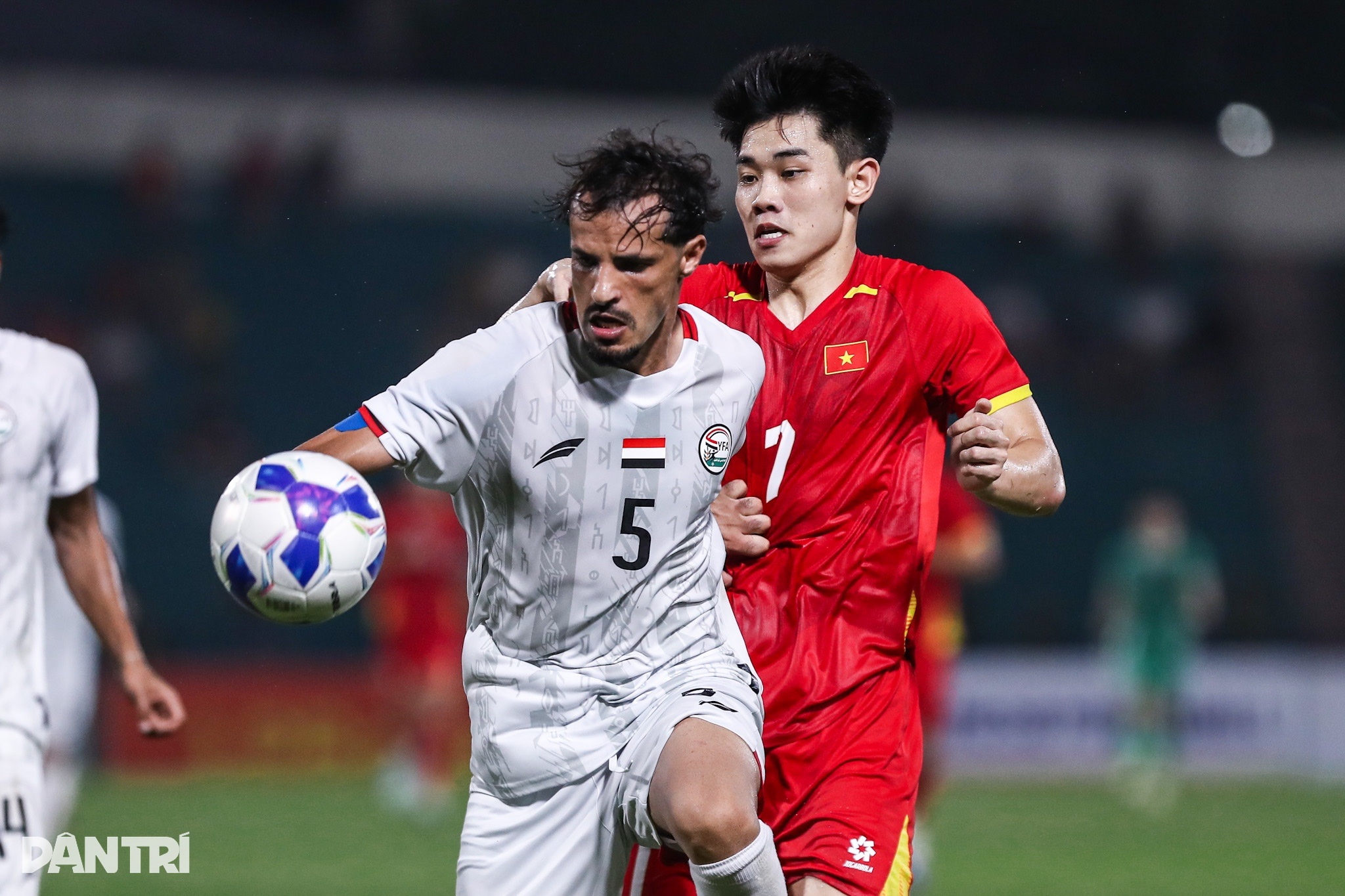
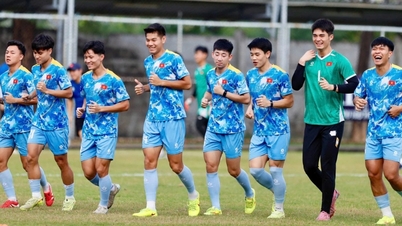
Vietnam U23 team is participating in the AFC U23 Asian Championship for the sixth consecutive time (Photo: Minh Quan).
Meanwhile, the Indonesian U23 team has put fans on an emotional rollercoaster. A year ago, they reached the semi-finals of the U23 Asian Championship and nearly qualified for the Olympics. Now, they failed to qualify for the tournament. The difference lies in the number of naturalized players in the two phases.
"Vietnamese football has consistently pursued a youth development policy, leading to continuous success. Indonesia should consider the success of Vietnamese football as motivation to improve its youth football," the Suara newspaper emphasized.
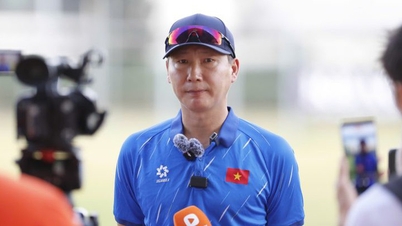
Of course, it's difficult to consider the performance of the Vietnam U23 team in the recent Asian U23 Championship qualifiers as a success. Coach Kim Sang Sik's team still has too many problems, most notably their finishing ability. However, these are things we can definitely overcome in the future.
Importantly, the Vietnam U23 team is still on the right track by qualifying for the Asian Championship and gaining experience against major teams. It's like a connecting thread from the time of coaches Park Hang Seo (2018), Gong Oh Kyun (2022), Troussier (2024), and now Kim Sang Sik (2026). Each coach has their own unique style, but they have all helped Vietnamese football reach and make its mark at the Asian Championship.
Although they may not yet fully reassure fans, the current generation of players like Van Khang, Quoc Viet, Van Truong, Dinh Bac, etc., is still considered a talented group. They have played together for many years at the youth level, and many have even been honed in the national team. They have become a formidable team.
They maintained their perfect winning record from their journey to winning the Southeast Asian U23 Championship (conceding only two goals) and qualifying for the Asian U23 Championship (without conceding a single goal). Furthermore, the Vietnam U23 team doesn't rely on any single individual. Many players have only recently risen to prominence after being given opportunities by coach Kim Sang Sik, such as Hieu Minh, Ngoc My, Van Thuan, and Thanh Nhan.
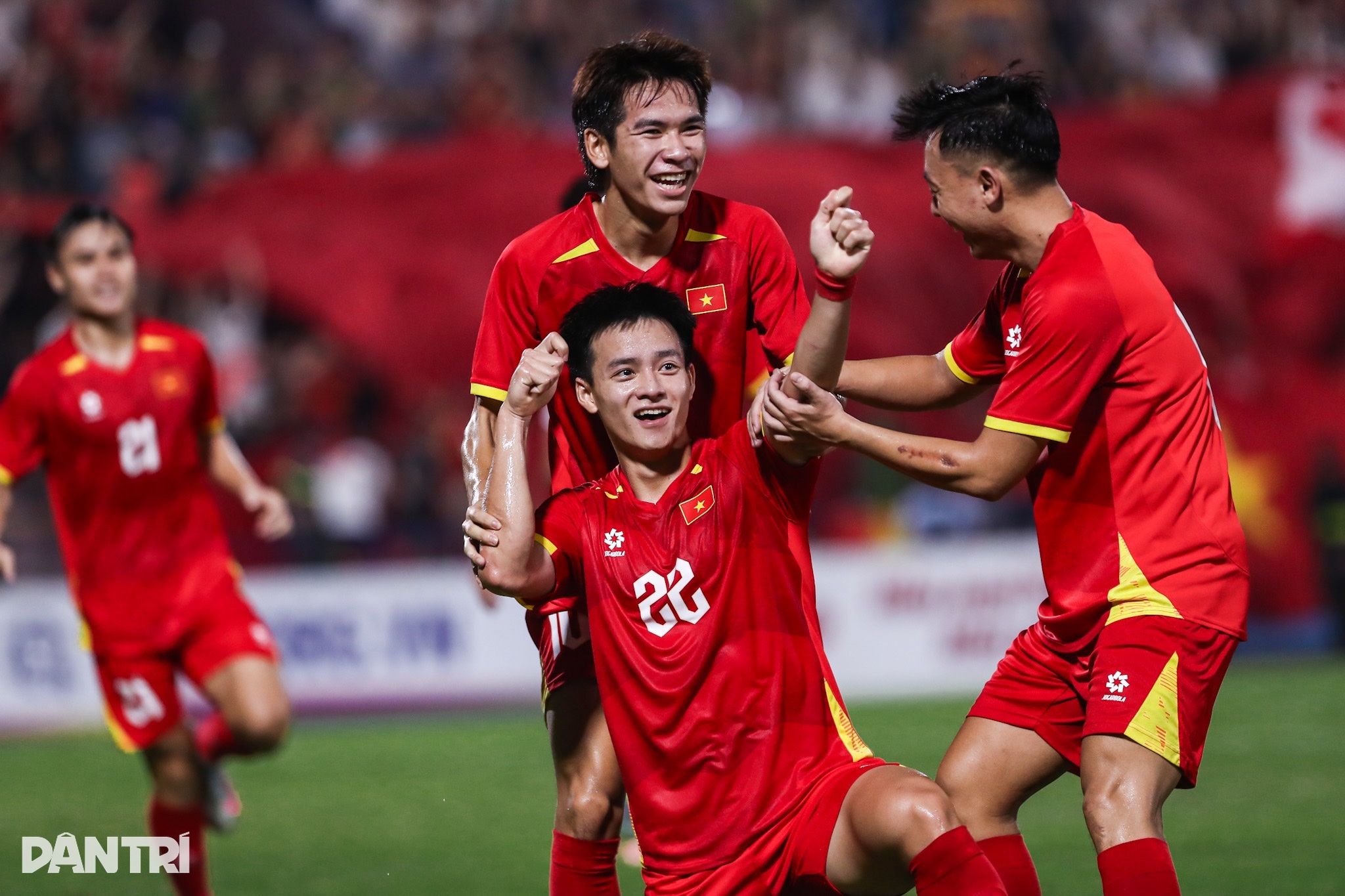
Although not entirely convincing, the Vietnam U23 team is still developing in the right direction (Photo: Minh Quan).
The balanced quality of the players gives coach Kim Sang Sik more options and unexpected attacking moves. It's worth remembering that all three of Vietnam U23's victories in the Asian U23 Championship qualifiers were decided by players coming off the bench: Viktor Lê (Bangladesh), Văn Thuận (Singapore), and Thanh Nhàn (Yemen).
The Vietnam U23 team is rising and achieving success amidst skepticism. But the more they do so, the more unpredictable their "critical point" becomes. It can be said that coach Kim Sang Sik has built a team that is very resilient to pressure and quietly rising to the top.
Where will the Vietnam U23 team's journey in the Asian tournament lead? No one can predict. That's what makes this team so exciting. But for now, the team's goal is to win the SEA Games 33 championship at the end of the year. If they continue to succeed, the Vietnam U23 team will continue to show Southeast Asian teams that we are still on the right track in developing youth football.
The AFC U23 Asian Championship finals will take place from January 7th to January 25th, 2026, with the participation of 16 teams including U23 Saudi Arabia (host), U23 Jordan, U23 Japan (B), U23 Vietnam, U23 Australia, U23 Kyrgyzstan, U23 Thailand, U23 Iraq, U23 Qatar, U23 Iran, U23 South Korea, U23 Syria, U23 China, U23 Uzbekistan, U23 Lebanon and U23 UAE.
Source: https://dantri.com.vn/the-thao/trai-dang-nhap-tich-cua-indonesia-malaysia-va-khang-dinh-tu-u23-viet-nam-20250912015504015.htm










































































Comment (0)