

Influenza is one of the most common respiratory infections, especially during epidemic seasons. While influenza is usually not dangerous for adults, for children, especially those under 5 years old, it can lead to many dangerous complications, even life-threatening ones, if not treated promptly.
Influenza is one of the most common respiratory infections, especially during epidemic seasons. While influenza is usually not dangerous for adults, for children, especially those under 5 years old, it can lead to many dangerous complications, even life-threatening ones, if not treated promptly.
Children's immune systems are not yet fully developed and are not capable of fighting off many types of bacteria and viruses that cause illness, including the influenza virus.
 |
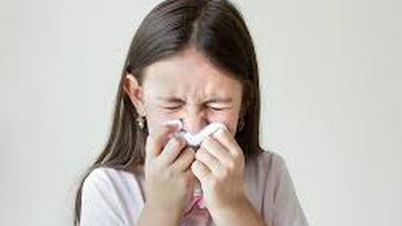
| Influenza is one of the most common respiratory infections, especially during epidemic seasons. |
When children are infected with the flu, their bodies are not yet strong enough to eliminate the virus quickly and effectively. This gives the virus a chance to thrive, causing serious complications.
In addition, children are often more susceptible to environmental factors such as changing weather, inadequate nutrition, or incomplete vaccination, which increases their risk of contracting influenza and its associated complications.
Pneumonia is one of the most dangerous complications when children have the flu. When the flu virus attacks a child's respiratory system, it can cause pneumonia, leading to shortness of breath, wheezing, severe coughing, and a persistent high fever. Influenza-induced pneumonia can require hospitalization and treatment in a specialized medical environment.
Influenza viruses can spread from the nose and throat down to the ears, leading to middle ear infections. This can cause ear pain and fever, and if left untreated, can lead to chronic infections and affect a child's hearing.
Especially for children with weak respiratory systems, such as newborns or those with underlying conditions like asthma or influenza, acute respiratory failure can occur. These children will have difficulty breathing and may require ventilator support or oxygen therapy.
Children with the flu often experience symptoms such as high fever, persistent coughing, vomiting, and diarrhea, leading to severe dehydration. Dehydration worsens the child's condition, making treatment even more difficult.
This is a rare but very dangerous complication when children have the flu, especially when aspirin is used improperly. Reye's syndrome can cause liver and brain damage, leading to coma, seizures, and even death if not treated promptly.
A small number of children with the flu may develop myocarditis, an inflammation of the heart muscle caused by the viral infection. Myocarditis can cause chest pain, shortness of breath, and an irregular heartbeat, posing a life-threatening risk to children.
Influenza can also affect a child's nervous system, causing problems such as encephalitis, high fever, seizures, and delirium. This is a rare but very dangerous complication that can leave long-term consequences if not treated promptly.
Recently, the National Children's Hospital has admitted many children with symptoms of cough and fever, seemingly just a common cold, but who have actually developed serious complications.
One such case involved an 8-year-old girl in Nghe An province who was hospitalized with symptoms of fatigue and chest pain. After diagnosis, doctors confirmed she had mild myocarditis – a dangerous complication of influenza.
Doctors warn that many families often underestimate the seriousness of the flu and delay early treatment, leading to unpredictable complications.
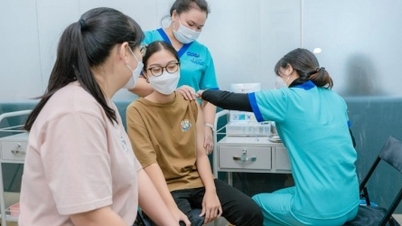
To prevent influenza, vaccination is the most effective preventive measure. Dr. Chu Thi An from the Safpo/Potec Vaccination System believes that the influenza vaccine helps the body produce antibodies against the influenza virus, reducing the risk of illness and serious complications. Parents should vaccinate their children according to the regular immunization schedule and follow the doctor's instructions.
In addition, children should wash their hands frequently with soap and clean water, especially before eating and after using the toilet. At the same time, keep the child's living environment clean and well-ventilated to prevent the growth of the influenza virus.
Nutrition plays a crucial role in boosting children's immunity. Adequate intake of vitamin C, vitamin D, and other essential nutrients ensures children have a strong immune system and are ready to fight off illness.
When the weather changes, especially during winter or transitional seasons, it's important to keep children warm and limit their exposure to people with the flu or environments where infections can easily spread.
If children have flu-like symptoms such as high fever, cough, sore throat, runny nose, or any unusual signs (difficulty breathing, excessive fatigue), parents should take them to a doctor for timely examination and treatment. Early treatment will help prevent dangerous complications.
Influenza is a highly contagious disease that can cause many serious complications in children if not detected and treated promptly.
Preventing influenza and its complications is not simply about vaccination; it's a comprehensive health protection process encompassing nutrition, hygiene, and regular health monitoring. Parents need to be well-informed about influenza and proactively care for and protect their children to ensure a healthy winter.
According to estimates from the US Centers for Disease Control and Prevention (CDC), the world records between 290,000 and 650,000 deaths from influenza each year. Of these, approximately 28,000 children under 18 years old die from complications of lower respiratory tract infections, primarily those under 4 years old.
The World Health Organization (WHO) also states that approximately 5-10% of adults and 20-30% of children contract influenza A or B annually. The incidence of influenza is higher in children than in adults. This is a matter of particular concern because children's immune systems are still developing, making them more vulnerable to illness.
Source: https://baodautu.vn/tre-mac-cum-de-gap-nhieu-bien-chung-nguy-hiem-d231968.html


![[Photo] Ba Lang An Lighthouse - the "eye of the sea" amidst the "rock museum" of Quang Ngai province.](https://vphoto.vietnam.vn/thumb/1200x675/vietnam/resource/IMAGE/2026/05/29/1780038698840_anh-man-hinh-2026-05-29-luc-14-10-42.png)

![[Image] Pleasant weather helps students enter the 10th grade entrance exam with confidence.](https://vphoto.vietnam.vn/thumb/1200x675/vietnam/resource/IMAGE/2026/05/29/1780034401612_ngay-1-thi-lop-10-minh-duy-8-5009-jpg.webp)


























































































Comment (0)