

Young Vietnamese people are pursuing diverse travel trends, from exploring domestic culture to experiencing international destinations with modern amenities and reasonable costs. Although overseas travel is increasingly attractive to young people, the Vietnamese tourism industry still has great opportunities to compete if it improves infrastructure, enhances service quality, and learns from sustainable international development models to attract and retain young tourists.
From domestic tourism to the allure of overseas destinations.
In the post-COVID-19 pandemic era, the domestic tourism industry has made impressive strides in recovery.
According to the General Statistics Office, in the first eight months of 2024 alone, Vietnam welcomed nearly 114 million international visitors, with the two largest markets being South Korea and China, accounting for 26% and 21% respectively. Of these, Ho Chi Minh City alone is estimated to have welcomed over 27.35 million domestic tourists in the first nine months of 2024, contributing to a total tourism revenue of over 140,398 billion VND for the city.

One of the key factors driving the boom in domestic tourism is the diversification of tourism types. Destinations like Hoi An, Hue, and Hanoi attract tourists not only with their rich history and culture but also with unique experiential activities such as visiting craft villages, attending festivals, and participating in short-term art and craft classes.
In addition, adventure tourism in destinations such as Sapa, Ninh Binh, and Ha Long Bay has become an indispensable part of young people's itineraries, satisfying their need for exploration and self-challenge.
While domestic travel attracts young people due to its proximity and reasonable cost, international travel offers entirely new experiences with its modernity and cultural diversity. According to the Singapore Tourism Board (STB), Singapore continues to be attractive to Vietnamese tourists, and the number of Vietnamese visitors to Singapore remains steadily increasing each year.
Singapore stands out with its international cultural events, vibrant nightlife, and modern shopping districts, making it an ideal destination for young people who love dynamism and modernity. According to STB, Singapore is among the top 3 Asian cities with the most attractive nightlife experiences, attracting many tourists thanks to famous clubs like Zouk and Marquee, along with creative underground parties.
In addition, Japan and South Korea are also top destinations chosen by young people. Japan impresses not only with its blend of tradition and modernity but also with its rich cultural activities such as festivals and advanced technology centers. South Korea, with its Hallyu wave, attracts young tourists thanks to its unique music, film, and fashion.

Furthermore, the popularity of travel apps like Klook, Traveloka, and Agoda has brought many outstanding benefits, changing the way young people travel today. These apps not only simplify the process of booking tickets, tours, and travel services but also offer many attractive features and deals, even free tours when exploring local areas. This not only saves money but also motivates young people to plan longer trips, including to international destinations.
Challenges and opportunities for Vietnamese tourism.
According to a report from the General Statistics Office, although the number of international visitors to Vietnam in the first eight months of 2024 reached nearly 114 million, there are still many factors that need improvement to maintain and enhance its attractiveness to tourists, especially in the younger tourist segment.
This is one of the biggest challenges facing Vietnam's tourism industry. To compete with foreign destinations, Appotapa's 2024 Tourism Market Trends Research and Analysis report indicates that Vietnam needs to focus on improving the quality of tourism services to retain tourists, especially young people, to stay longer and spend more.
In this context, improving tourism infrastructure is an urgent requirement. In reality, issues related to transportation, infrastructure at tourist destinations, and service quality still fall short of the expectations of many tourists, especially when compared to other countries in the region. For example, according to a report by the Vietnam National Administration of Tourism, while Ho Chi Minh City welcomed over 27.35 million domestic tourists in the first nine months of 2024, there are still many complaints about traffic congestion, environmental pollution, and inconsistent services.
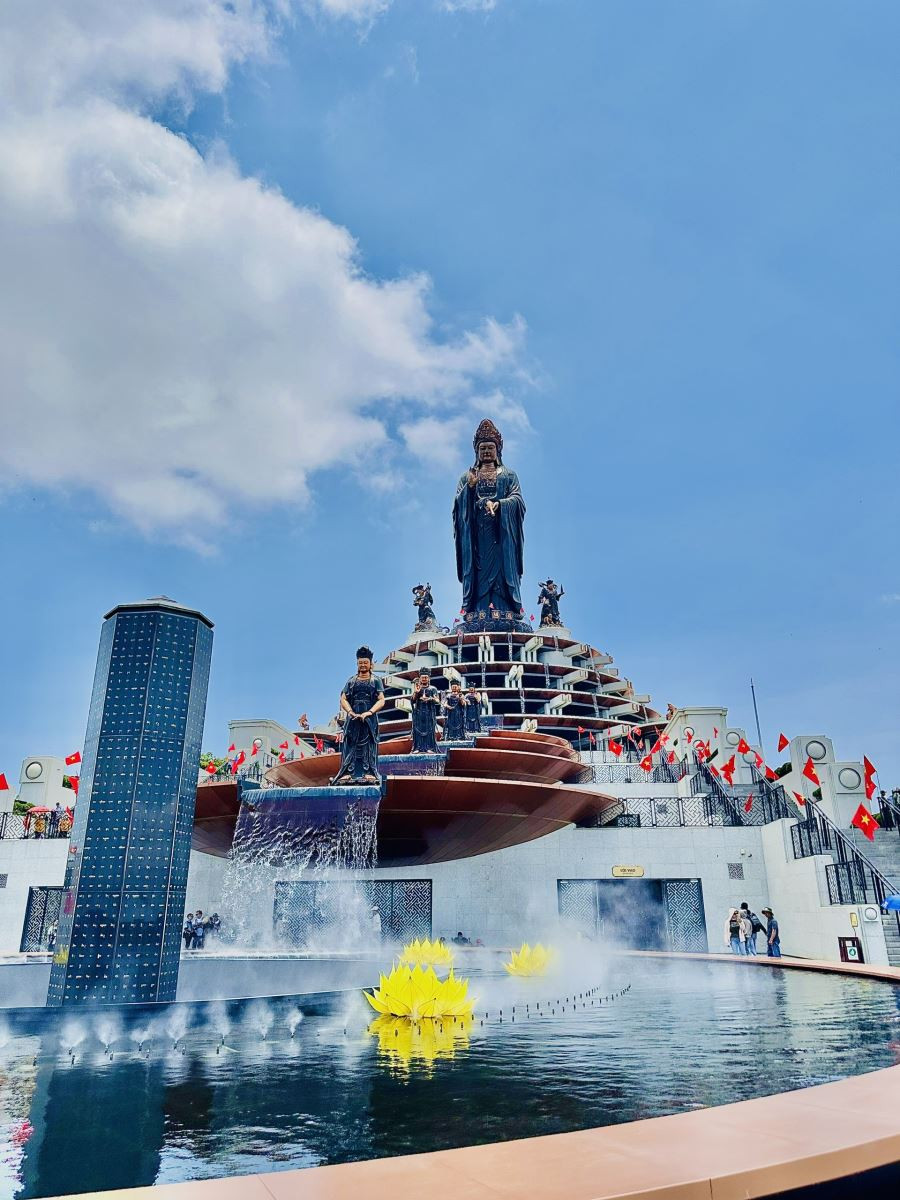
Furthermore, Vietnam also needs to learn from developed countries in the region about developing sustainable tourism, combining cultural preservation with economic development. For example, Klook's initiatives in promoting sustainable tourism and supporting local communities have helped Klook contribute US$72 billion to the Asia-Pacific tourism economy in 2023, while creating over 219,000 jobs.
This demonstrates the crucial power of combining tourism development with cultural preservation and local community development. Accordingly, Vietnam can leverage this potential by developing sustainable tourism products, encouraging tourists to participate in environmental protection activities, and respecting local culture. In this way, Vietnam can not only attract international tourists but also retain its own young people, helping them discover and love their homeland even more.
Simultaneously, promoting the country's image in a creative and effective way is also indispensable. Promotional campaigns should focus on showcasing the unique and distinctive experiences Vietnam can offer, from its rich cultural heritage to its majestic natural landscapes. At the same time, these campaigns should also emphasize sustainable development and cultural preservation to attract tourists interested in these values.
Overall, current youth travel trends are rapidly changing, prioritizing personalized, modern, and culturally diverse experiences. Vietnam's tourism industry, through its continuous efforts, is gradually asserting its position on the world tourism map. However, to compete and attract young people, Vietnam needs to adopt a more innovative approach to tourism. Only then can Vietnam keep pace with trends and become an attractive destination not only for international tourists but also for young people within the country.
Source


![[Image] Vietnam's colorful journey of innovation](/_next/image?url=https%3A%2F%2Fvphoto.vietnam.vn%2Fthumb%2F1200x675%2Fvietnam%2Fresource%2FIMAGE%2F2025%2F12%2F14%2F1765703036409_image-1.jpeg&w=3840&q=75)


















































![[Image] Vietnam's colorful journey of innovation](https://vphoto.vietnam.vn/thumb/402x226/vietnam/resource/IMAGE/2025/12/14/1765703036409_image-1.jpeg)

























Comment (0)