

Some people believe that eating the peel helps us absorb more vitamins and fiber. However, others are concerned about dirt or pesticides that may remain on the peel.
In reality, whether or not to peel fruits and vegetables before eating depends on many factors such as the type of fruit, how it was grown, and the individual's health condition.
Some fruits can be eaten with the peel after washing. However, for fruits with thick, tough peels, or those that often contain high levels of pesticides, peeling is necessary, according to the health website Health News .
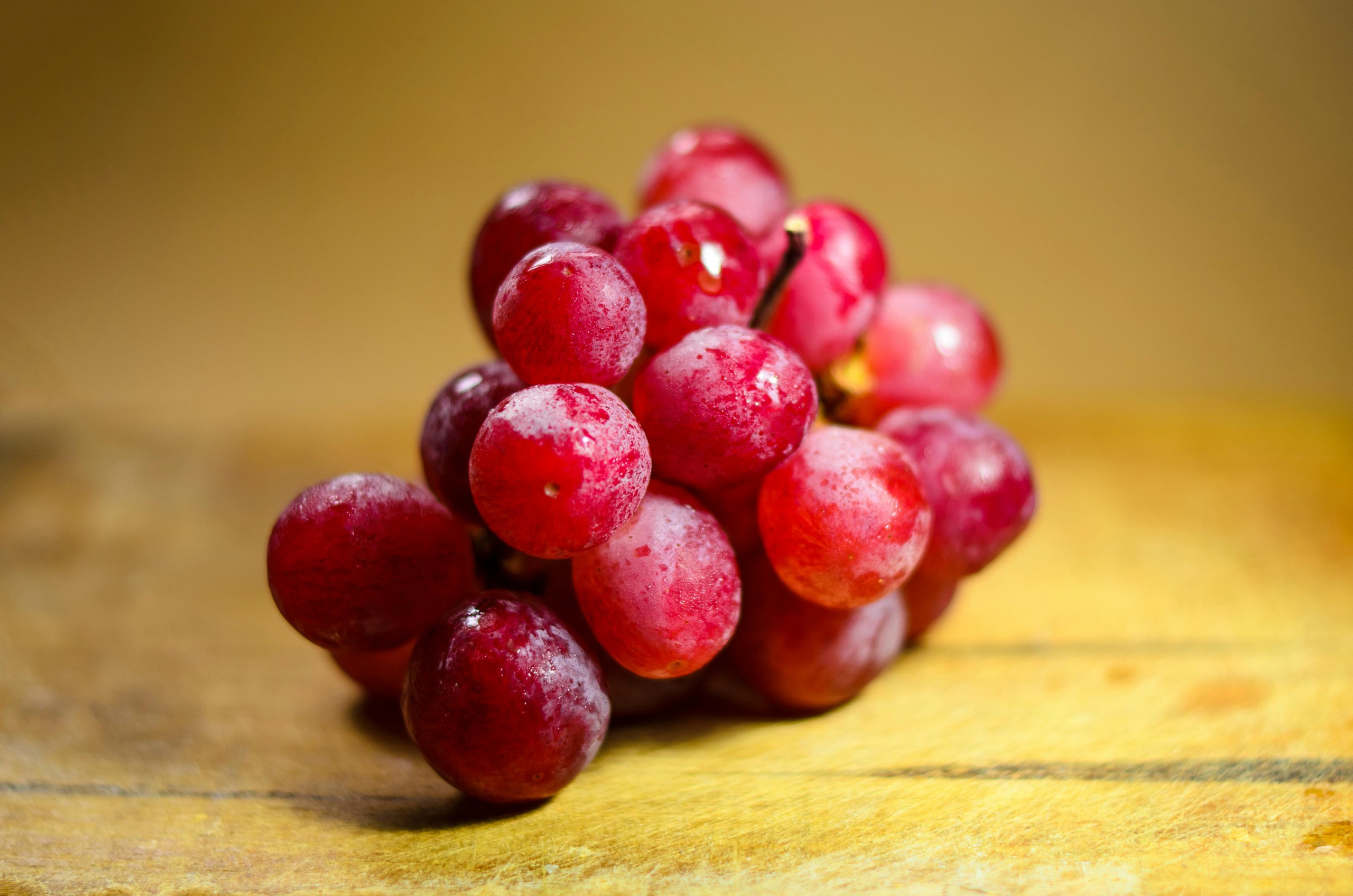
Grape skins contain 15% higher concentrations of phenolic compounds compared to the flesh.
Nutrients in the peels of fruits and vegetables
According to research, the seeds and peels of fruits and vegetables are rich in essential nutrients and bioactive compounds.
The skins of some fruits, such as grapes, contain concentrations of phenolic compounds that are 15% higher than the flesh. These plant compounds have antioxidant, anti-inflammatory, and antibacterial effects in the body.
The total phenolic content in the peels of pears, peaches, and apples is double that of the peeled fruit. And the fiber content in apple peels is higher than in the flesh.
According to a report from the University of Kentucky (USA), a raw apple with its peel on contains 332% more vitamin K, 142% more vitamin A, and 115% more vitamin C than a peeled apple.
A boiled potato with the skin on contains up to 175% more vitamin C, 115% more potassium, and 111% more folate than a potato without the skin.
However, not everyone can eat fruit and vegetable peels. Some people may be allergic to certain types of peels, especially those with Pollen Food Allergy Syndrome (PFAS).
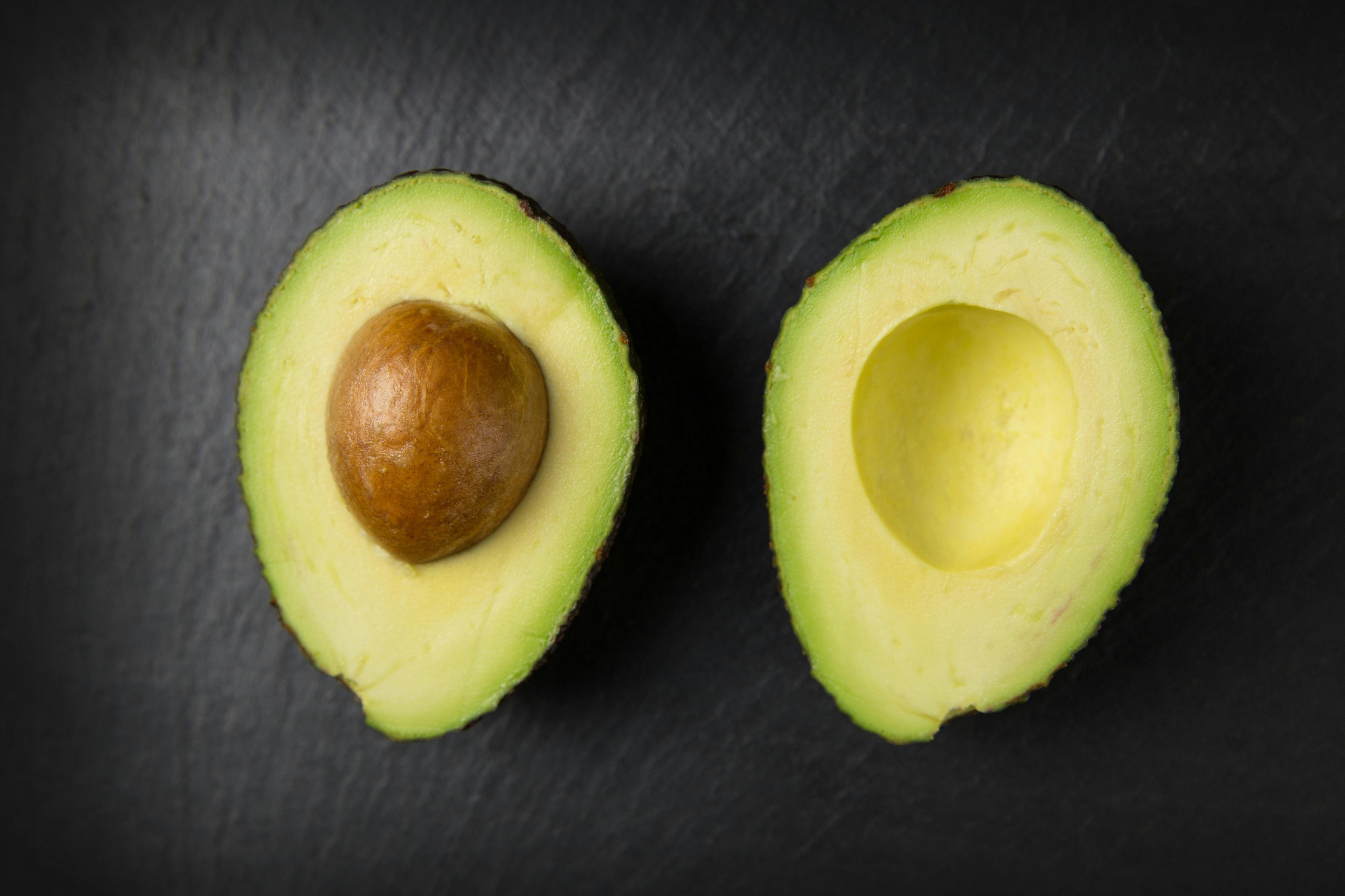
Some fruits should be peeled because they are inedible or difficult to digest, such as pineapple, papaya, and avocado.
Pesticide residues in agricultural products
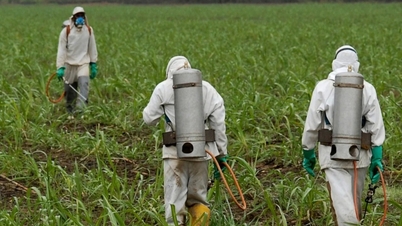
Many people worry about eating fruits and vegetables with their peels on because they fear pesticide residue. In fact, fruit peels often contain more pesticides than the flesh inside. Therefore, peeling is an effective way to remove most of these pesticides.
However, only consuming large quantities of fruits and vegetables with pesticide residues can be harmful to health. Eating a few fruits or vegetables each day is usually not a cause for concern.
Instead, you can consume organic produce. These fruits and vegetables are usually free of synthetic chemicals.
The U.S. Food and Drug Administration (FDA) recommends washing all fruits, including organic ones, before eating them. This helps minimize the risk of foodborne illnesses.
These fruits and vegetables can be eaten with the peel on.
Many fruits and vegetables can be eaten with their peels without harming your health, such as berries, grapes, pears, peaches, plums, apricots, apples, cucumbers, kiwis, eggplants, and potatoes.
Conversely, you should peel some agricultural products because they are inedible or difficult to digest, such as pineapple, papaya, mango, lychee, banana, avocado, watermelon, garlic, and onion.
Source: https://thanhnien.vn/an-trai-cay-rau-cu-chua-got-vo-co-tot-cho-suc-khoe-185241010151621929.htm




























































































Comment (0)