

Insects are the primary pollinators of crops and a natural line of defense against pests in agriculture . However, many studies indicate a serious decline in insect species on a continental scale.
As insect biodiversity declines, ecosystems become unbalanced, agricultural productivity is threatened, and production costs risk rising exponentially.
Within the framework of VinFuture 2025 Science and Technology Week, Professor Ingolf Steffan-Dewenter (University of Würzburg, Germany) shared research in the fields of biology and agriculture on this issue.
Warnings from European conservation areas
According to Professor Ingolf Steffan-Dewenter, many studies have shown that protected grasslands in Europe - considered "oases of biodiversity" - are being isolated by pesticide-intensive farming areas and have lost much of their connection to other natural habitats.

Professor Ingolf Steffan-Dewenter emphasized the importance of insects in agricultural cultivation and biodiversity (Photo: BTC).
Habitat disturbance directly impacts the numbers and diversity of bees, butterflies and other pollinating insects.
Through a survey of 300 locations, experts have confirmed with greater certainty that large areas mean increased species diversity. The loss of ecosystems leads to a rapid decline of highly specialized pollinating insects.
Not only do insects lose their habitat, they are also greatly affected by pesticide residues from agricultural sites in the area that drift into the reserve.
The “double whammy” of habitat loss and pesticide exposure further reduces species numbers and makes it harder for ecosystems to recover.
In addition to the above two impacts, climate change also makes the decline in insect biodiversity even worse. Professor Steffan's research in many terrains and climates shows that many pollinator species are already living near the maximum temperature they can tolerate. These populations are under unprecedented pressure, at risk of collapse as global temperatures rise further.
Notably, the relationship between crops and pollinators in these regions is highly specialized. The disappearance of just a few species can disrupt the entire natural pollination system, with direct consequences for crop yields.
75% of global food crops need these silent workers
Insects - especially bees, flies, butterflies, and ants - ensure the growth of a wide range of crops.
An estimated 75% of the world’s food crops rely on insects for pollination, fruit production, and seed production. These tiny insects provide a pollination service worth an astonishing $577 billion a year.
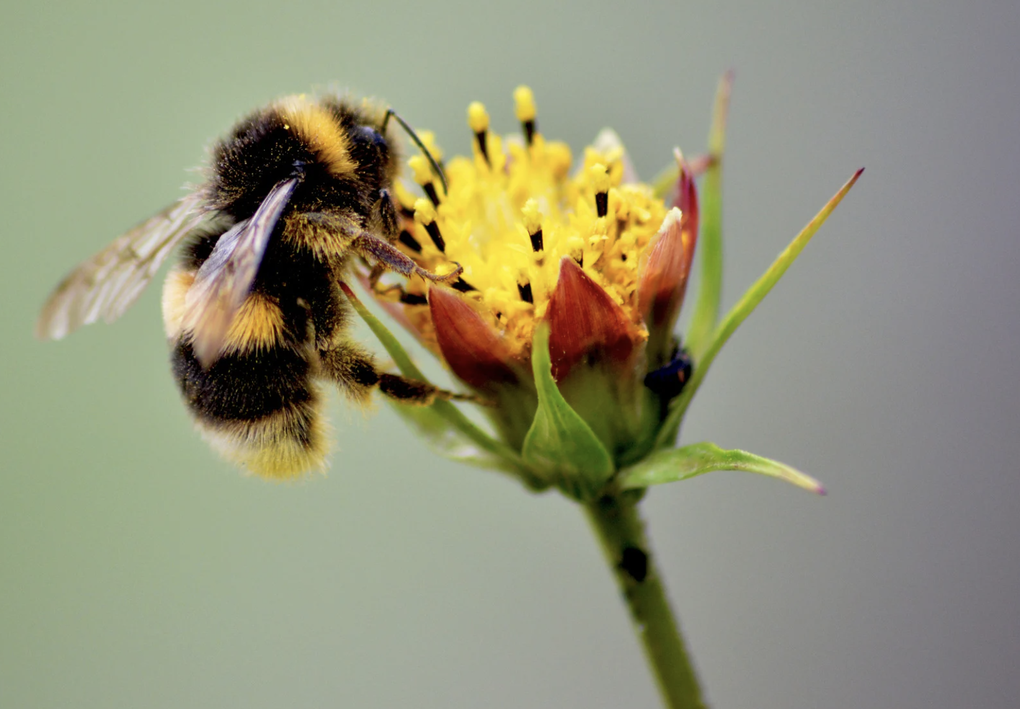
Many insects such as bees, butterflies, flies... are silent workers of the billion-dollar pollination industry (Photo: Getty).
In addition to pollination, insects also participate in pest control by acting as natural enemies. However, this natural function is often underestimated.
Professor Steffan gave examples of a series of fields in Europe and Africa in the scope of the study that clearly showed that natural enemies play a role in eliminating pests and increasing productivity without the need for pesticides.
“According to a recent publication, the amount of pesticides used globally has nearly doubled since 1990. However, productivity in many places tends to stagnate, even creating a 'reverse effect' because chemicals cannot distinguish between pests and natural enemies,” said Professor Steffan.
He further warned that without natural enemies, pests recover faster and stronger; the more pesticides are sprayed, the more pests there are. Experts said that this requires a different approach to the problem of protecting insect biodiversity.
If insects disappear or there are changes in the ecosystem, the agricultural industry will have to pay a huge price: reduced productivity, higher risk of disease outbreaks, serious environmental degradation…
Some solutions in harmony with nature such as increasing green landscapes, reducing farming intensity, researching and implementing organic farming models... have been proven to be able to restore beneficial insect populations, increase sustainable agricultural productivity, and ensure long-term food security.
VinFuture 2025 Science and Technology Week, taking place from December 2 to December 6 in Hanoi
With the theme “Together we grow - Together we prosper”, this year’s series of annual international events continues to affirm VinFuture’s mission in connecting knowledge, arousing the desire to serve and elevating Vietnam’s position as a center for promoting science and innovation in the world.
The week includes 7 main activities: Inspirational speeches, Science for Life discussion; VinFuture future exploration dialogue series; "The Touch of Science" exhibition, VinFuture award ceremony; exchange with VinFuture 2025 award winners; VinUni - Leadership Forum: Higher Education Innovation Conference.
The highlight of the event was the VinFuture 2025 Awards Ceremony, which took place on the evening of December 5 at the Hoan Kiem Theater (Hanoi). This is an event to honor outstanding scientific works that have had a positive and sustainable impact on millions, even billions of people around the world.
This year, the award will be given to works that bring the value of "Together we grow - Together we prosper" to humanity, as the theme has set out, affirming VinFuture's mission of honoring intelligence, spreading humanity and serving life.
Source: https://dantri.com.vn/khoa-hoc/vong-xoay-kep-tan-diet-nhung-lao-dong-tham-lang-cua-nen-kinh-te-ty-do-20251205100813746.htm


![[Photo] Cat Ba - Green island paradise](/_next/image?url=https%3A%2F%2Fvphoto.vietnam.vn%2Fthumb%2F1200x675%2Fvietnam%2Fresource%2FIMAGE%2F2025%2F12%2F04%2F1764821844074_ndo_br_1-dcbthienduongxanh638-jpg.webp&w=3840&q=75)























![[Photo] 60th Anniversary of the Founding of the Vietnam Association of Photographic Artists](/_next/image?url=https%3A%2F%2Fvphoto.vietnam.vn%2Fthumb%2F1200x675%2Fvietnam%2Fresource%2FIMAGE%2F2025%2F12%2F05%2F1764935864512_a1-bnd-0841-9740-jpg.webp&w=3840&q=75)




















































Comment (0)