

According to the Strait Times, in 2025 alone, Chinese electric vehicle giant BYD had to carry out recalls totaling over 210,000 vehicles. The focus is now on the latest recall involving nearly 89,000 hybrid vehicles, an event that is shaking global automotive industry opinion and raising deep concerns about the trade-off between growth speed and product safety.
According to an official announcement from the State Administration for Market Regulation (SAMR) of China, this large-scale recall targets vehicles manufactured between January 2021 and September 2023. Authorities have instructed owners to return their vehicles to dealerships immediately for inspection and replacement of the faulty parts. The most concerning aspect of this recall is the nature of the technical issue. Unlike many software errors that can be remotely addressed or routine maintenance problems, this recall stems from a core hardware component of the new energy vehicle.
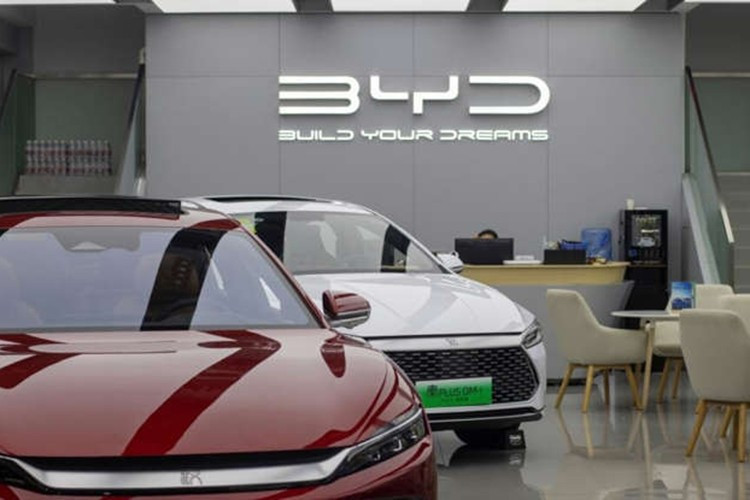
Specifically, the problem lies in the uniformity of the battery packs during manufacturing. This is a serious technical defect because it directly affects the vehicle's performance. A non-uniform battery pack can cause a sudden drop in power, completely rendering the vehicle incapable of pure electric operation, and in the worst-case scenario, posing a safety risk to the driver while on the road. The fact that physical intervention is required instead of a software fix demonstrates the complexity and severity of this issue.
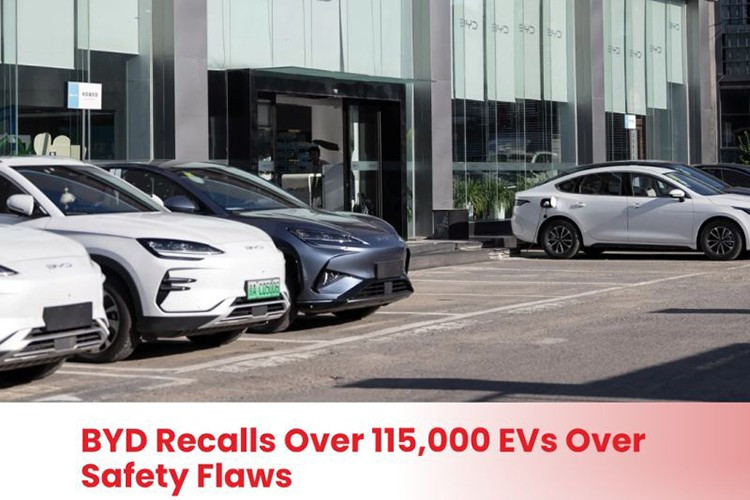
The recall of nearly 89,000 hybrid vehicles is not an isolated incident but the latest link in a series of technical problems facing BYD. Prior to this, the company has recorded several other large-scale recalls this year, creating a bleak picture of product reliability. In October, more than 115,000 Tang and Yuan Pro models were recalled due to design and battery-related issues.
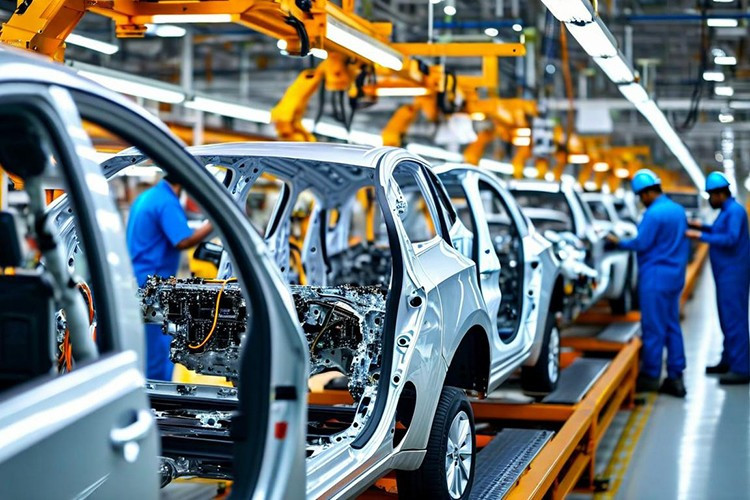
Furthermore, prior to the October recall, nearly 97,000 of the company's pure electric vehicles (EVs) were also recalled due to a steering control system defect, an extremely dangerous technical fault that could lead to fires. Combining data from the Strait Times, the total of over 210,000 recalled vehicles in just one year is a grim record, forcing observers and consumers to seriously reconsider the quality control processes of this leading global automaker.
With the scale and frequency of technical failures occurring so frequently, experts have begun to raise serious questions about BYD's production management capabilities. The brand is known for its rapid growth strategy, aggressively expanding its market share in both electric and hybrid vehicles. However, it seems that this rapid expansion has come at a high price: lax quality control. The stability of the production line and safety standards do not seem to have kept pace with the dizzying sales growth.
The immediate consequence of this recall wave is the heavy financial pressure on the company. BYD's stock has been under significant downward pressure as investors worry that the enormous costs of warranty repairs, battery replacements, and fault fixes will erode net profits. In the automotive industry, especially in new energy vehicles, consumer confidence and technical safety are vital. The continuous occurrence of widespread faults could severely damage the appeal and brand reputation that BYD has painstakingly built.
Faced with the crisis, BYD quickly issued a statement to reassure the public. The company committed to providing completely free repairs for all affected customers. The process includes replacing the battery, conducting a comprehensive inspection of the electrical system and battery to ensure the vehicle is in a completely safe condition before being returned to its owner. This move partly demonstrates the company's responsibility; however, it also puts BYD in a difficult position, facing double pressure: fierce competition in price and technology with rivals in China and internationally, while simultaneously tightening quality control processes to meet the increasingly stringent requirements of regulatory authorities.

This event also serves as a profound wake-up call for consumers considering switching to green vehicles. While hybrid or electric vehicles offer significant environmental and fuel-saving benefits, they are not entirely immune to technical risks. Customers have the right and need to demand that automakers ensure the highest safety standards and rigorous control from component manufacturing to post-sales inspection. Clearly, the new energy vehicle industry is entering a phase of competition based on genuine quality, not just price or range.
Vietnam is opening up strongly to electric vehicles, including low-priced imported products. However, careful selection and strict quality control are necessary to ensure healthy development.
Source: https://khoahocdoisong.vn/byd-trieu-hoi-89000-xe-hybrid-loi-pin-loi-khong-the-sua-bang-phan-mem-post2149075508.html
![[Image] Vietnam's colorful journey of innovation](/_next/image?url=https%3A%2F%2Fvphoto.vietnam.vn%2Fthumb%2F1200x675%2Fvietnam%2Fresource%2FIMAGE%2F2025%2F12%2F14%2F1765703036409_image-1.jpeg&w=3840&q=75)


























































![[Image] Vietnam's colorful journey of innovation](https://vphoto.vietnam.vn/thumb/402x226/vietnam/resource/IMAGE/2025/12/14/1765703036409_image-1.jpeg)


























Comment (0)