

What is good cholesterol, what are its health benefits, and what foods typically contain it? (Hong Van, Ho Chi Minh City)
Reply:
There are five types of cholesterol: LDL (bad cholesterol), HDL (good cholesterol), VLDL cholesterol, lp(a) cholesterol, and remnant lipoprotein. Due to its high protein content (accounting for 50%), HDL can carry harmful fats accumulated in the walls of arteries and other organs back to the liver, helping to eliminate them from the body. Therefore, HDL can help prevent dangerous diseases such as atherosclerosis and stroke.
Foods rich in good cholesterol typically have high levels of protein, healthy fats (omega 3, 6, and 9), and low levels of bad fats (saturated and trans fats).
Chicken is rich in cholesterol and protein. 100g of chicken can provide 29% and 34% of the body's daily needs for these two substances, respectively. 100g of chicken only meets about 10% of the overall fat requirement. Therefore, eating chicken helps supplement cholesterol without consuming a lot of fat.
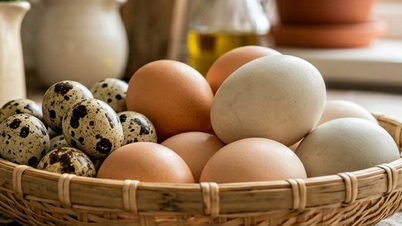
One egg (44 g) contains approximately 164 mg of cholesterol, equivalent to 55% of the body's daily requirement. This food also contains low levels of bad fats (saturated fats), high levels of protein, and beneficial nutrients such as vitamins B2, B5, B12, folate, and choline.
Shellfish such as shrimp, crab, clams, oysters, snails, etc., are low in saturated fat (bad fat). On average, 100g of shellfish provides 1-3% of the daily saturated fat requirement, but can meet about 10-30% of the daily cholesterol and protein requirements.
Fatty fish such as mackerel, salmon, herring, and sardines are rich in cholesterol and fat. Much of the fat in these foods is omega-3, which has anti-inflammatory properties and helps control blood lipids and blood sugar.
Cholesterol is a type of blood fat that plays an important role in many bodily functions. However, consuming too much of this nutrient can be harmful to health, especially for people with underlying conditions such as cardiovascular disease, diabetes, hepatitis, kidney failure, etc.
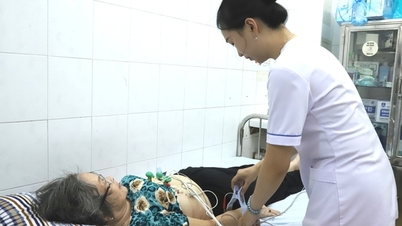
People with high blood lipid levels should see a cardiologist for assessment and appropriate treatment advice. Supplementing with the bioactive compound GDL-5 (extracted from South American sugarcane pollen) helps regulate blood lipids, reducing excess LDL in the blood and increasing HDL. Patients should also consult their doctor for a suitable diet.
Master's degree holder, Doctor Nguyen Anh Duy Tung
Nutrihome Nutrition Clinic System
| Readers can ask questions about nutrition here for the doctor to answer. |
Source link





























![[Photo] Prime Minister Pham Minh Chinh receives the Chinese Ambassador to Vietnam](https://vphoto.vietnam.vn/thumb/1200x675/vietnam/resource/IMAGE/2026/04/05/1775397481797_ndo_br_dsc-5512-jpg.webp)






































































Comment (0)