

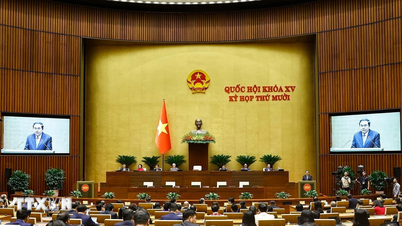
On December 11th, at its 10th session, the National Assembly officially passed a resolution on the National Target Program on healthcare, population, and development for the period 2026-2035.
To gain a better understanding of the Program, a VietnamPlus reporter interviewed Associate Professor Phan Le Thu Hang - Secretary of the Steering Committee, Deputy Head of the Standing Committee of the Drafting Board, Head of the Editorial Team for the National Target Program, and Deputy Director of the Planning and Finance Department ( Ministry of Health ) - to provide more detailed information on the Program's key features.
Prioritize social care for vulnerable groups.
- Associate Professor, could you analyze the key points of the National Program on Health Care, Population and Development for the period 2026-2035 compared to the National Target Program on Health and Population for the period 2016-2020?
Associate Professor Phan Le Thu Hang: In order to effectively respond to the increasingly rapid and complex changes related to healthcare, population, and development in the new situation, the National Target Program on Healthcare, Population, and Development for the period 2026-2035 has been developed with many new points, and is considered to be quite different from the National Target Program on Health and Population for the period 2016-2020.
This program has a broader scope. Previously, priorities focused on addressing key health issues such as disease prevention and control; reducing the incidence and mortality rates of dangerous infectious diseases; and controlling the increase in common non-communicable diseases through purely medical interventions (primarily diagnosis, treatment, and prevention). Now, this has been expanded to aim at improving the physical and mental health, stature, lifespan, and quality of life of the people through integrated interventions (prevention, diagnosis and treatment, management, health promotion, social assistance, community support, etc.).
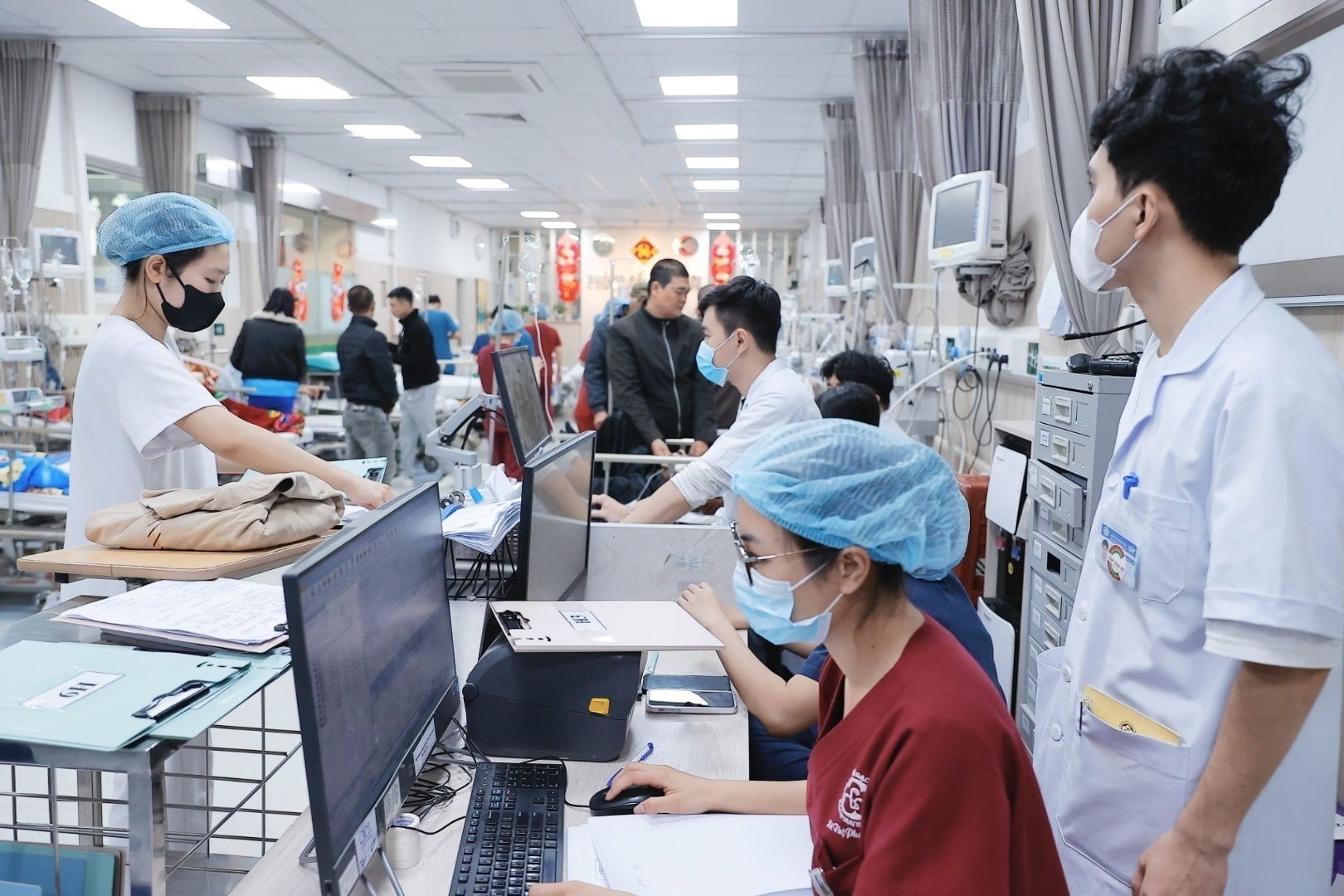
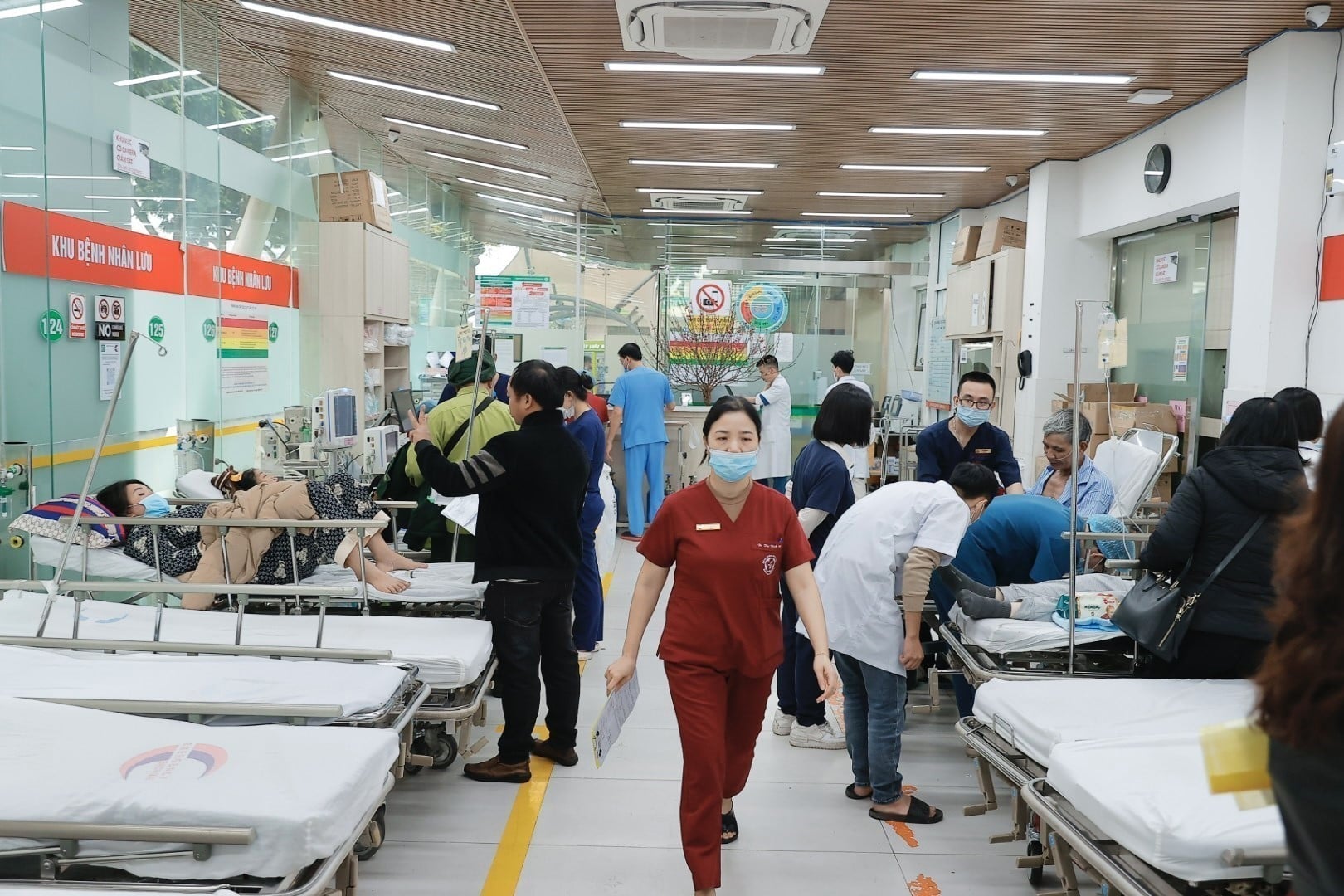

Providing care and monitoring the health of patients. (Photo: VNA/Vietnam+)
In particular, priorities for population and development work have been expanded compared to before, focusing on improving the quality of the population and adapting to the trend of population aging and the elderly population. In addition, improving the quality of social care for vulnerable groups has for the first time been considered a priority (and developed as a component project) of a National Target Program in the health sector.
Regarding mindset and approach: The National Target Program on Health Care, Population and Development for the period 2026-2035 clearly demonstrates a strong shift from a mindset focused on diagnosis and treatment to one focused on proactive disease prevention, emphasizing the protection, care, and improvement of overall health throughout the life cycle. Furthermore, the vertical intervention approach (characterized by a collection of individual interventions targeting specific health issues) is being replaced by an approach that focuses on core components of the health system (such as primary healthcare and preventive medicine) to enhance overall capacity.
This program has a longer implementation period, up to 10 years, reflecting a commitment to longer-term investment to effectively meet the needs of healthcare, population, and development in the new context.
Regarding the program structure: This program has a much broader scope and a more optimized structure thanks to integration. Specifically, the National Program on Health Care, Population and Development for the period 2026-2035 includes only 5 component projects compared to 8 component projects of the National Target Program on Health and Population for the period 2016-2020.

Associate Professor Phan Le Thu Hang. (Photo: PV/Vietnam+)
The total capital for this program is significantly larger. The total capital for the first five years (2026-2030) is 88,635 billion VND, which is 4.5 times higher than the total capital for the National Target Program on Health and Population during the 2016-2020 period.
This program has a longer implementation period, up to 10 years, reflecting a commitment to longer-term investment to effectively meet the needs of healthcare, population, and development in the new context.
Regarding the program management model: The principles of decentralization, delegation of authority, and enhanced initiative and flexibility of localities are given special attention in the National Target Program on Health Care, Population and Development for the period 2026-2035.
Accordingly, the National Assembly decides on the total budget for the program, the Prime Minister allocates the budget to ministries, central and local agencies according to the total program capital, and the provincial People's Council decides or delegates to the commune People's Council the decision on the detailed allocation and adjustment of funds for the program's activities within the allocated total budget.
Adhering closely to the guidelines of Resolution No. 72 NQ/TW
-Recently, the Politburo issued Resolution No. 72 NQ/TW on a number of breakthrough solutions to strengthen the protection, care, and improvement of people's health, which identifies extremely important strategic priorities for the work of protecting, caring for, and improving people's health in the new situation. How has the National Target Program on Health and Population for the period 2016-2020 reflected these priorities?
Associate Professor Phan Le Thu Hang: The National Target Program on Health Care, Population and Development for the period 2026-2035 has closely followed the strategic priority directions for protecting, caring for, and improving people's health in the new situation as identified in Resolution No. 72 NQ/TW.
The priority is to improve the physical and mental health, stature, longevity, and quality of life of the people through integrated interventions such as prevention, diagnosis and treatment, management, health promotion, social assistance, and community support.
This prioritizes improving the physical and mental health, stature, longevity, and quality of life of the people through integrated interventions (prevention, medical examination and treatment, management, health promotion, social assistance, community support, etc.). Within the scope of the Program, the viewpoints identified in Resolution No. 72 NQ/TW on the role of health and the position of the people in building and implementing policies to strengthen the protection, care, and improvement of people's health are clearly reflected.
The program's design, which focuses on upgrading and innovating two crucial components of the national healthcare system (primary healthcare and preventive healthcare), clearly reflects the guiding principle of Resolution 72 NQ/TW, which calls for a strong shift from a mindset focused on diagnosis and treatment to proactive disease prevention, emphasizing the protection, care, and improvement of overall health throughout the life cycle.
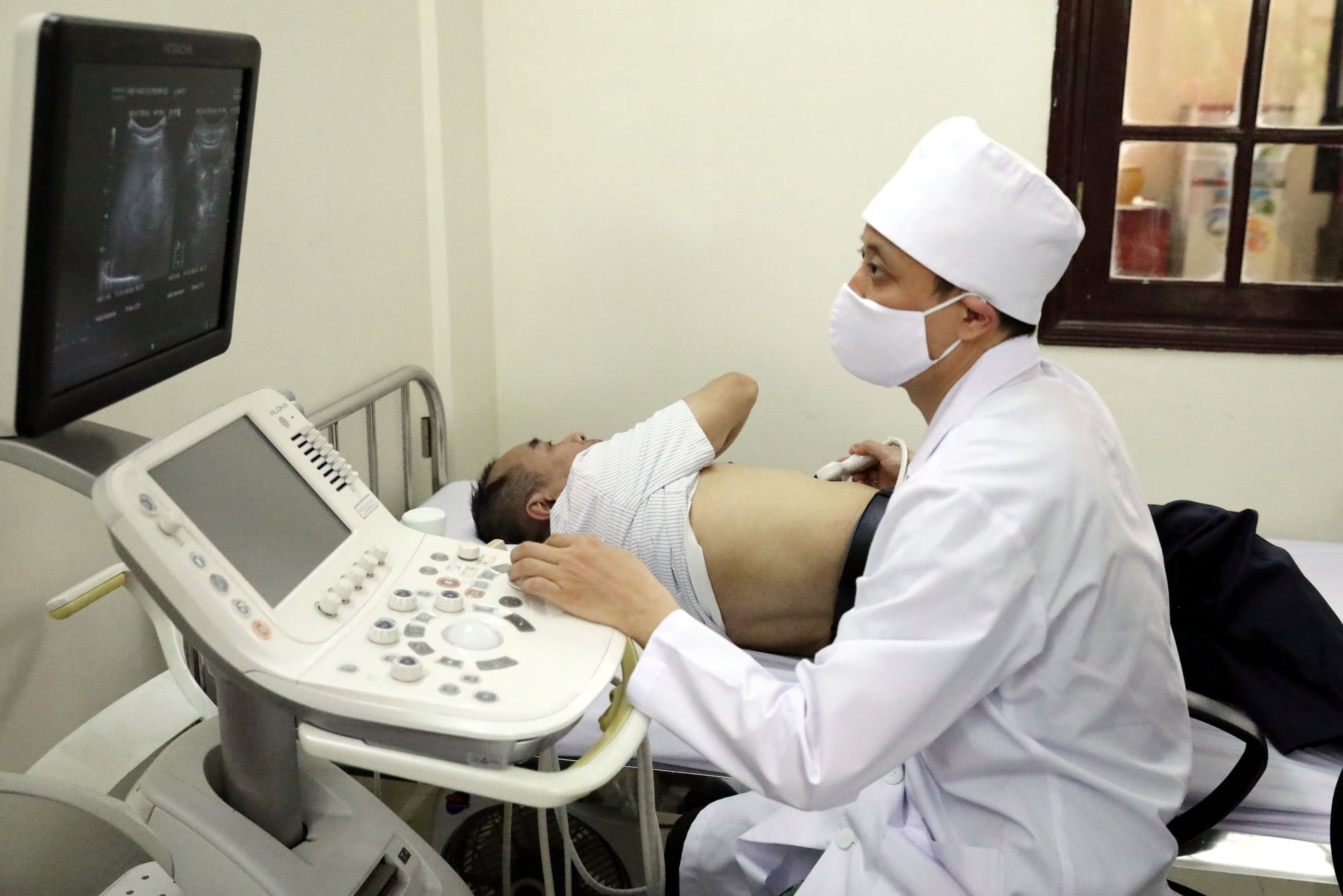
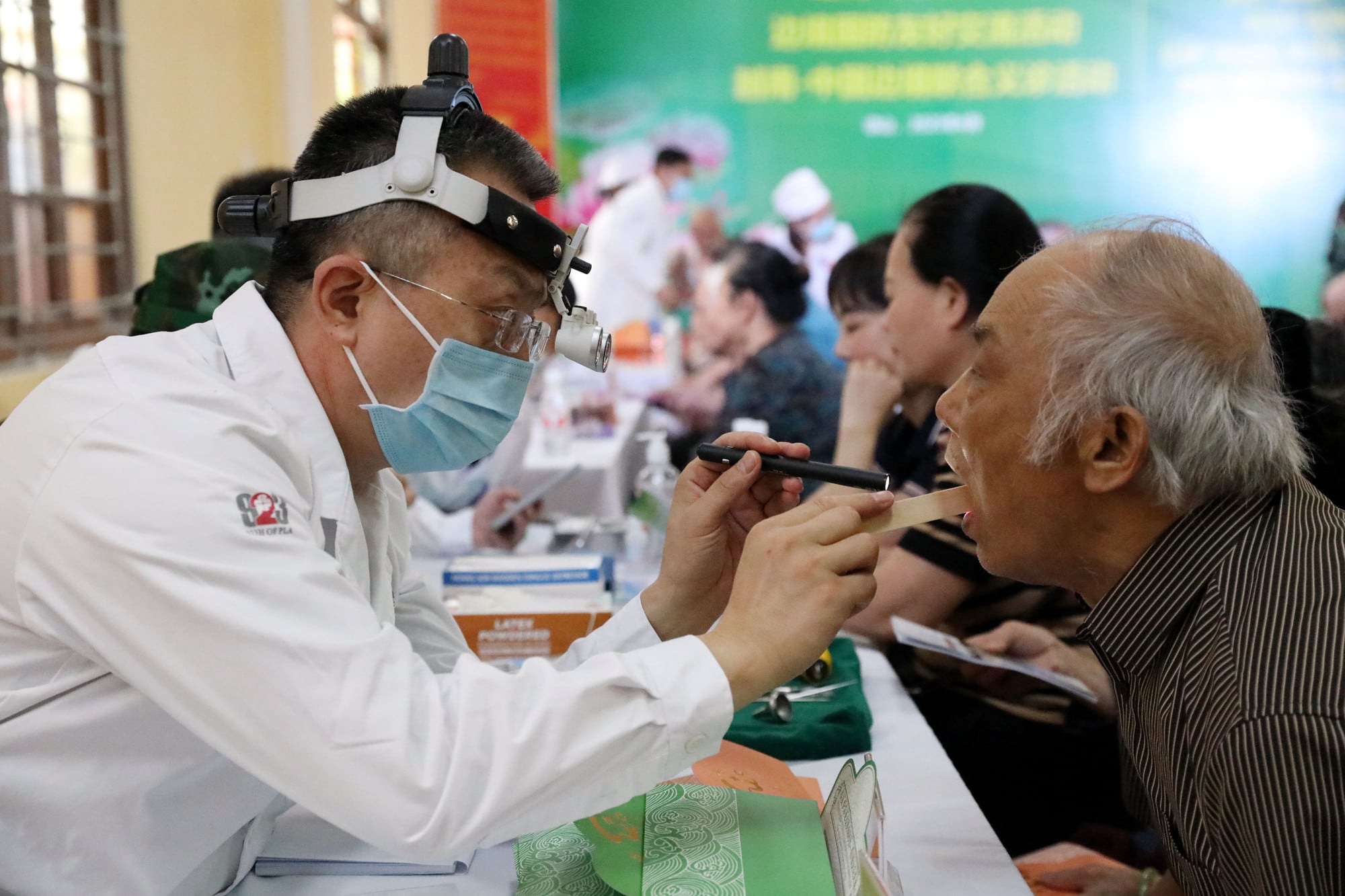
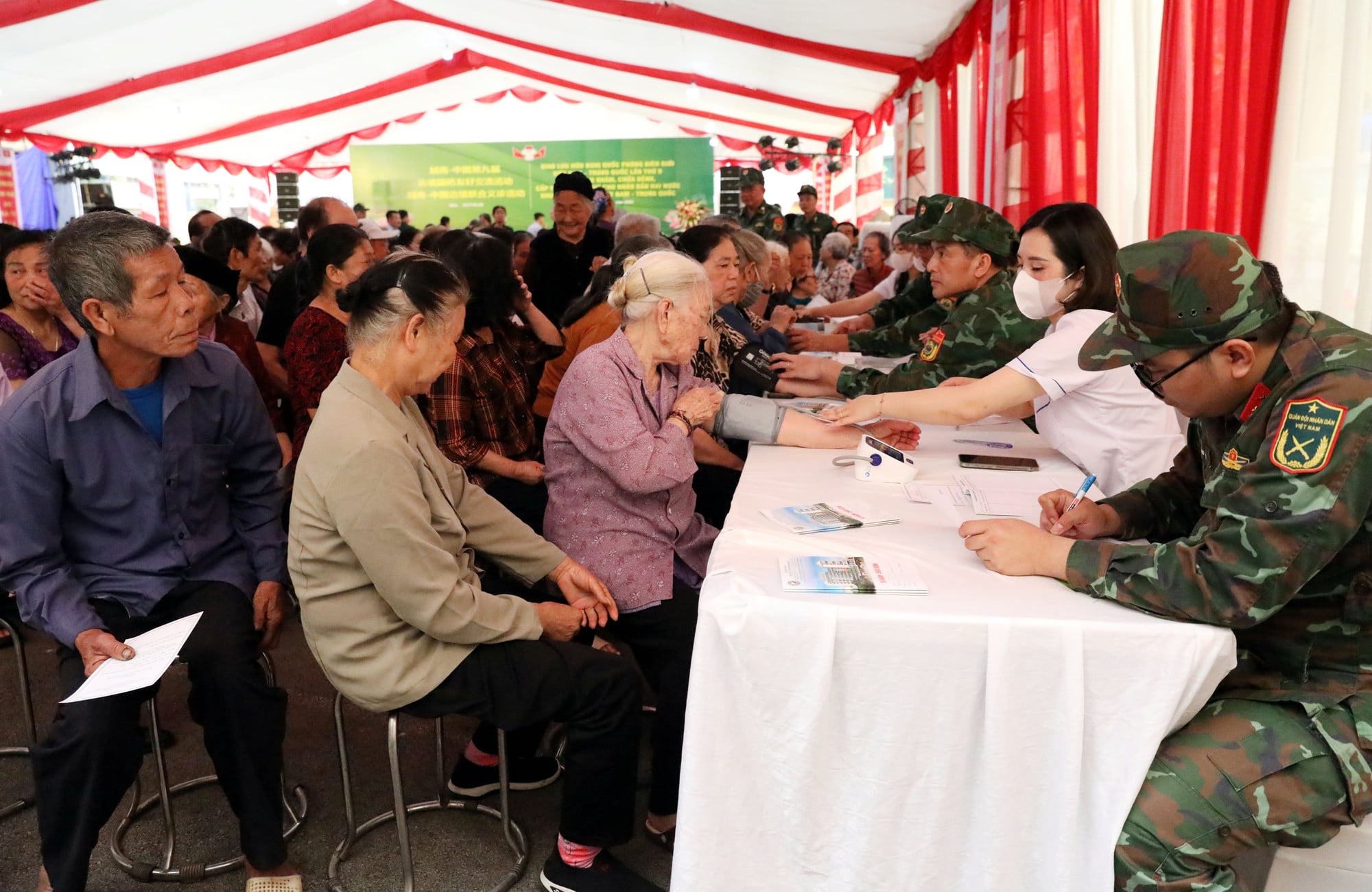
(Photo: VNA/Vietnam+)
The program correctly identifies the position and role of preventive medicine, primary healthcare, and traditional medicine; focuses on building, perfecting, and enhancing the capacity of preventive medicine and the primary healthcare system to ensure early, remote, and grassroots disease prevention, and readiness to respond to public health emergencies; prioritizes the comprehensive development and investment in human resources, facilities, and equipment for commune-level health stations to meet requirements and tasks.
The core tasks and solutions outlined in Resolution No. 72 NQ/TW, such as focusing on improving the capacity of primary healthcare and preventive medicine; developing high-quality healthcare personnel; the leading role of the state budget in ensuring financial resources and investing in infrastructure and medical equipment for primary healthcare, preventive medicine, and healthcare for priority groups; and emphasizing digital transformation, are also clearly reflected in the content of the National Target Program on Healthcare, Population and Development for the period 2026-2035.
Mobilize supplementary resources
-Some argue that the proportion of mobilized capital in the total implementation of the Program is still quite modest. What is your opinion on this matter?
Associate Professor Phan Le Thu Hang: Compared to some programs and projects in other fields, the proportion of mobilized capital to total implemented capital of the National Target Program on Health Care, Population and Development for the period 2026-2035 is considered quite modest. This actually reflects the specific characteristics of the Program, which focuses on improving the capacity and quality of the most essential health care services, prioritizing the most vulnerable groups in the most economically and socially disadvantaged areas.
First of all, we can see that ensuring the provision of the most essential healthcare services to the community, especially vulnerable communities in disadvantaged areas, is a legitimate duty and responsibility of the State, and the State will fulfill this responsibility, from a financial perspective, through public spending.
Ensuring the provision of essential healthcare services to communities, especially vulnerable communities in disadvantaged areas, is a legitimate duty and responsibility of the State.
Furthermore, from a market perspective, primary healthcare services are generally considered less attractive in terms of profitability, thus limiting the scope for attracting non-state investment. However, the Ministry of Health is actively working with development partners, non-governmental organizations, and potential private sector partners to seek opportunities for cooperation and mobilize additional resources for the implementation of the Program.
With the decisive direction of the Party, Government, and National Assembly leaders, the determination of the Ministry of Health, and the active coordination and support of ministries, agencies, and localities, the process of developing, evaluating, and approving the Program has been completed, creating conditions for its early implementation in the first months of 2026.
We would like to express our sincere gratitude to Associate Professor Phan Le Thu Hang.
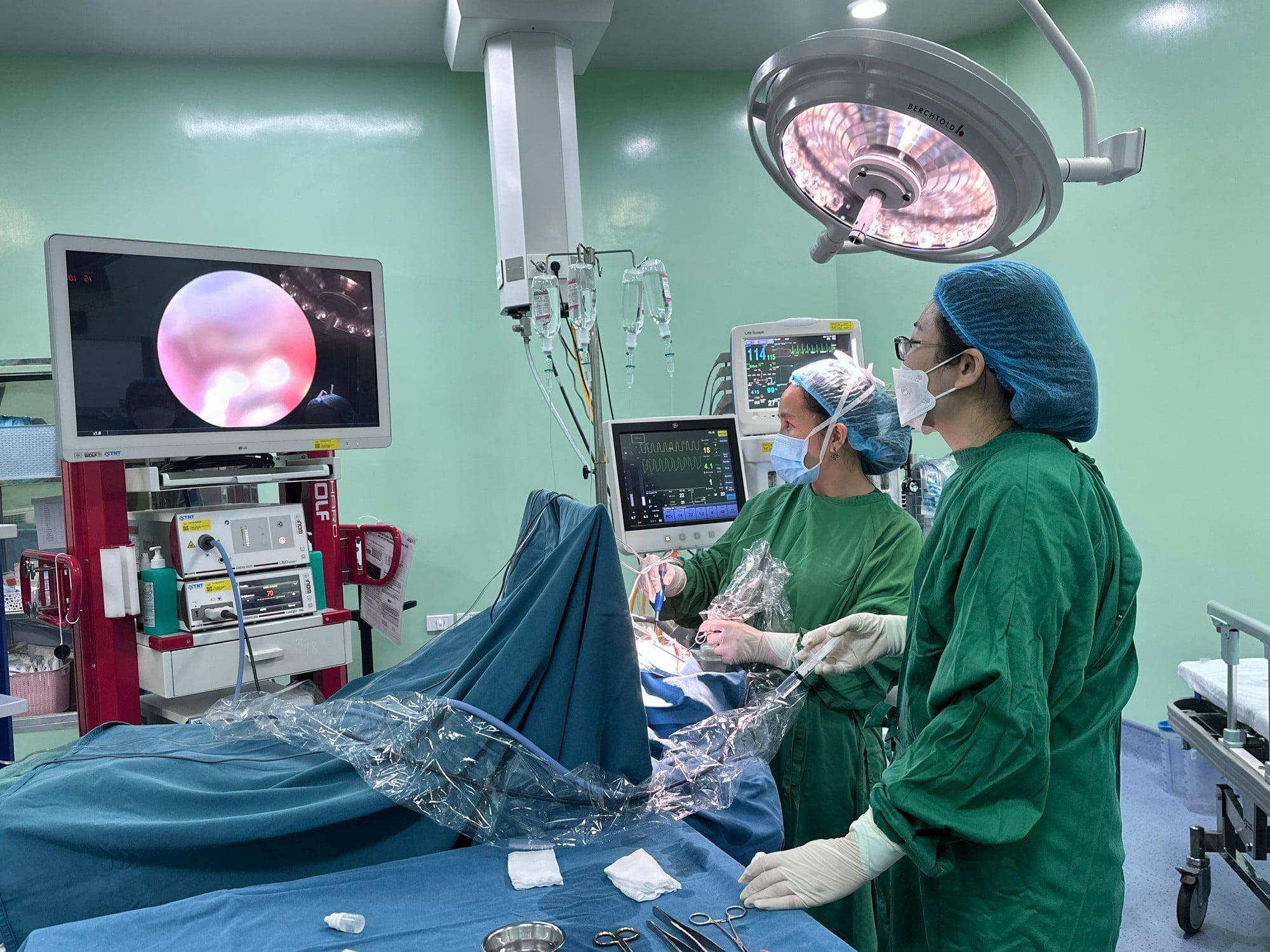
(Vietnam+)
Source: https://www.vietnamplus.vn/chuong-program-muc-tieu-quoc-gia-y-te-uu-tien-doi-tuong-de-bi-ton-thuong-nhat-post1082879.vnp




















































































Comment (0)