

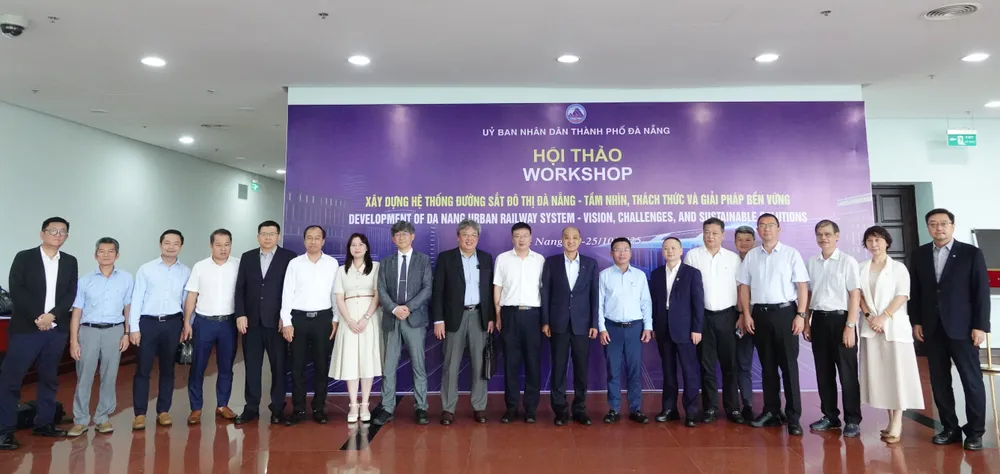
On the morning of October 25th, the Da Nang City People's Committee organized a workshop titled "Building the Da Nang Urban Railway System – Vision, Challenges, and Sustainable Solutions".
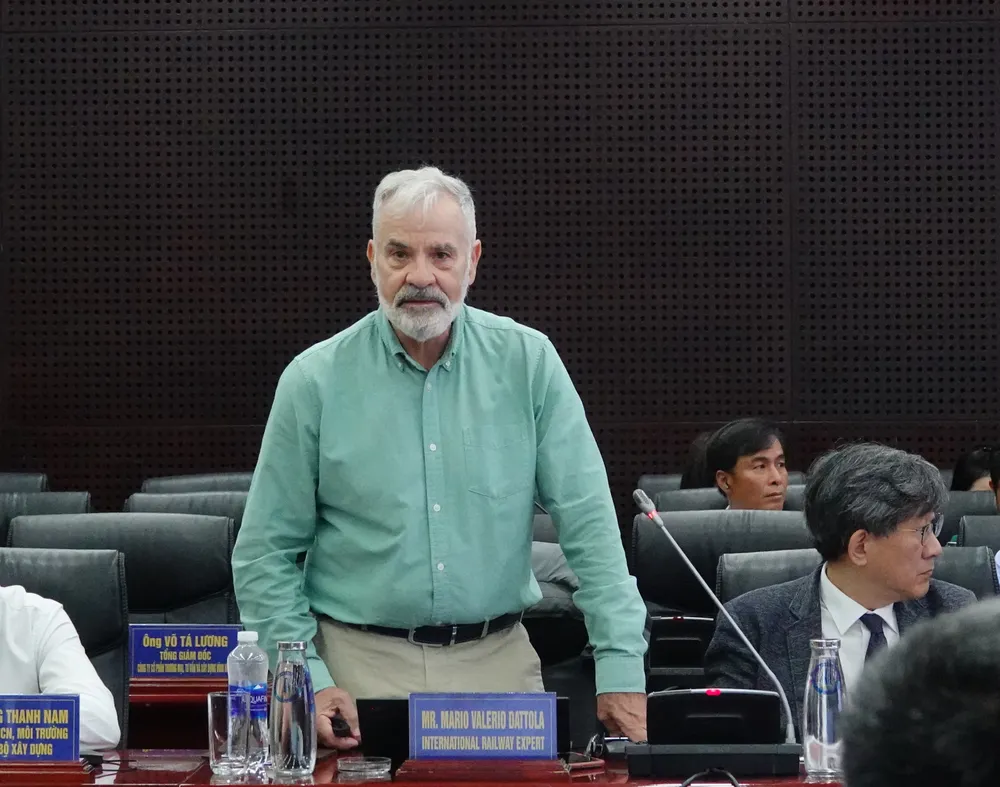
International railway expert Mario Valerio Dattola argues that each city has its own unique characteristics, so a single transportation model cannot be applied. To develop an efficient public transport system, a holistic approach is needed, combining metro, monorail, tramway, and automated transport systems to form a flexible and sustainable network.
He argued that Vietnam's biggest challenge is the habit of using motorbikes, but positive signals from Hanoi 's metro and BRT systems show that people are gradually gaining more trust in public transport. For Da Nang – a city with an airport in the center and the Han River dividing it – he suggested prioritizing light transport systems such as tramways, monorails, or autonomous trains to save costs, minimize landscape impact, and suit existing infrastructure.
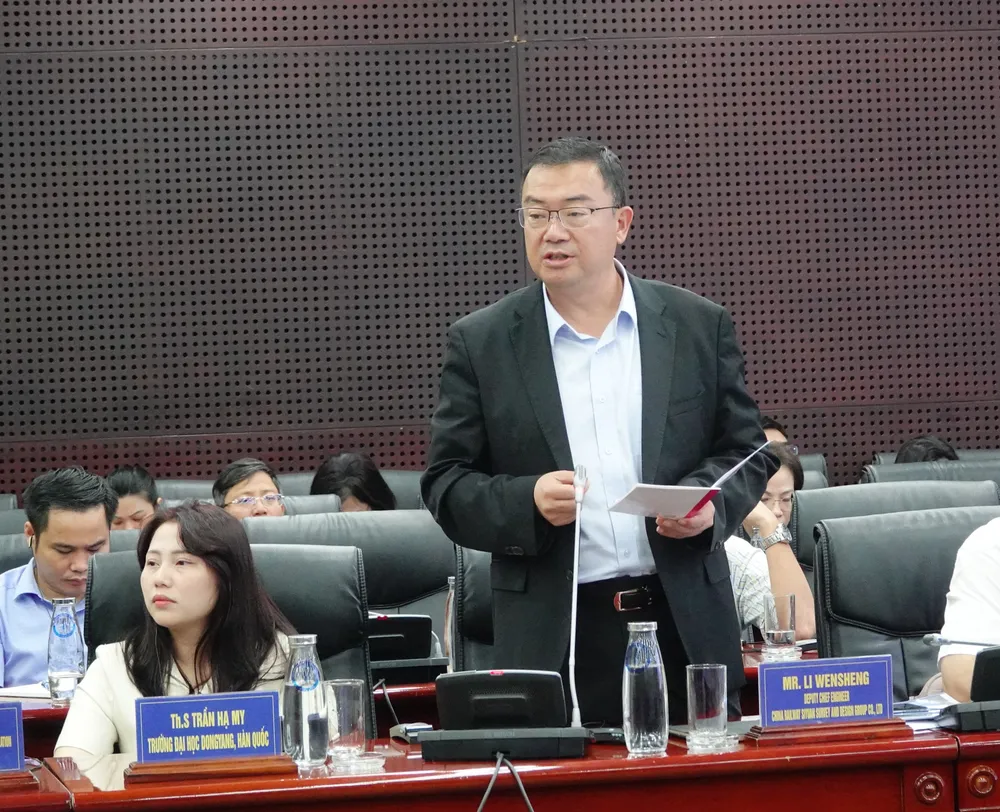
According to Mr. Ly Van Thang, Deputy Chief Engineer of the China Railway No. 4 Survey and Design Institute Group, Da Nang can develop its urban railway system in three phases: by 2030, forming a line connecting the city center, airport, Tien Sa port, and coastal tourist areas; expanding to industrial zones in the southwest during the 2030-2035 period; and after 2035, developing a suburban line connecting Hoi An and Hue.
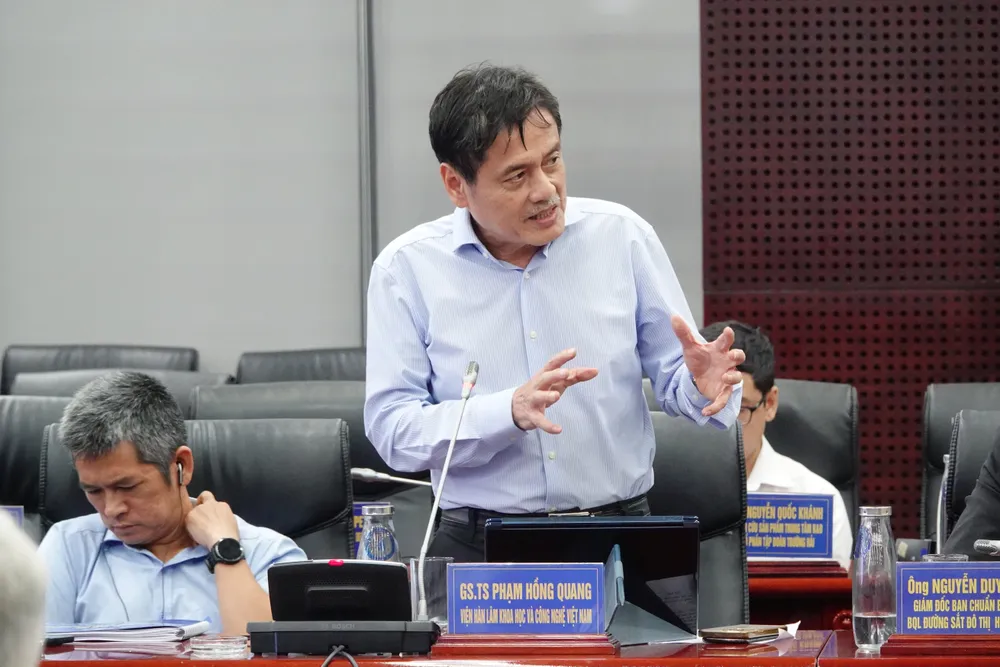
Professor Pham Hong Quang, from the Vietnam Academy of Science and Technology, proposed that Da Nang develop a battery-powered or renewable energy tramway along the coast, Hoa Vang, and Son Tra to reduce reliance on motorbikes and provide convenience for tourists. The metro system is a long-term vision, while the tramway and autonomous transport are viable immediate solutions.
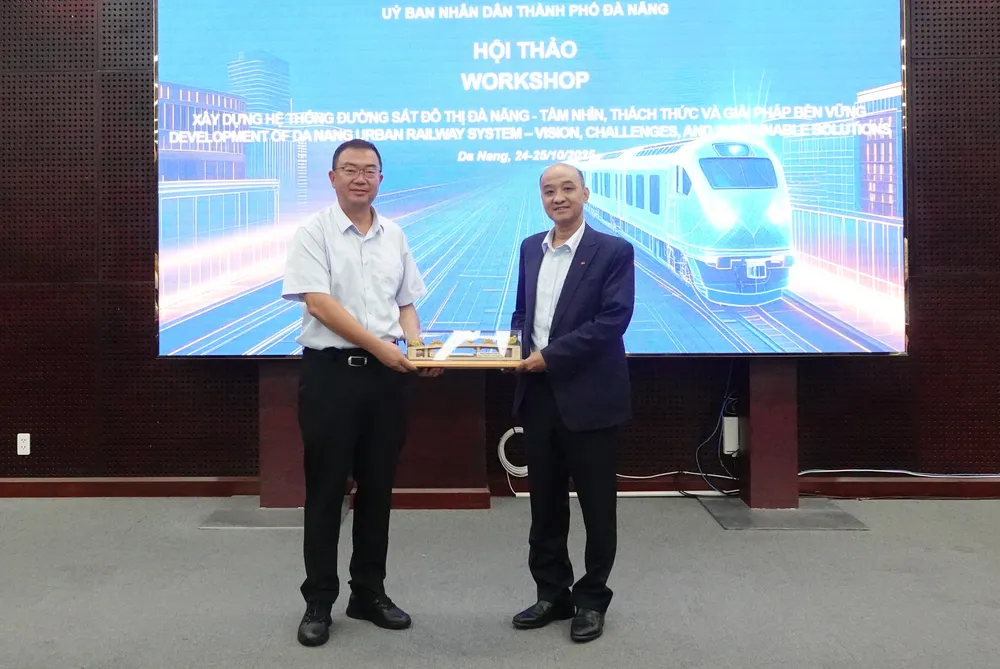
Vice Chairman of Da Nang City People's Committee Le Quang Nam affirmed that the city is steadfast in its goal of developing a modern transportation system, with urban rail as the backbone. This network will connect the airport, seaports, industrial zones, tourist areas, and urban centers, contributing to reducing traffic congestion, reducing emissions, and improving the quality of life for residents.
Source: https://www.sggp.org.vn/da-nang-dinh-huong-xay-he-thong-duong-sat-do-thi-linh-hoat-ben-vung-post819899.html

![[Photo] Prime Minister Pham Minh Chinh attends the Conference summarizing and implementing tasks of the judicial sector.](/_next/image?url=https%3A%2F%2Fvphoto.vietnam.vn%2Fthumb%2F1200x675%2Fvietnam%2Fresource%2FIMAGE%2F2025%2F12%2F13%2F1765616082148_dsc-5565-jpg.webp&w=3840&q=75)








































































Comment (0)