

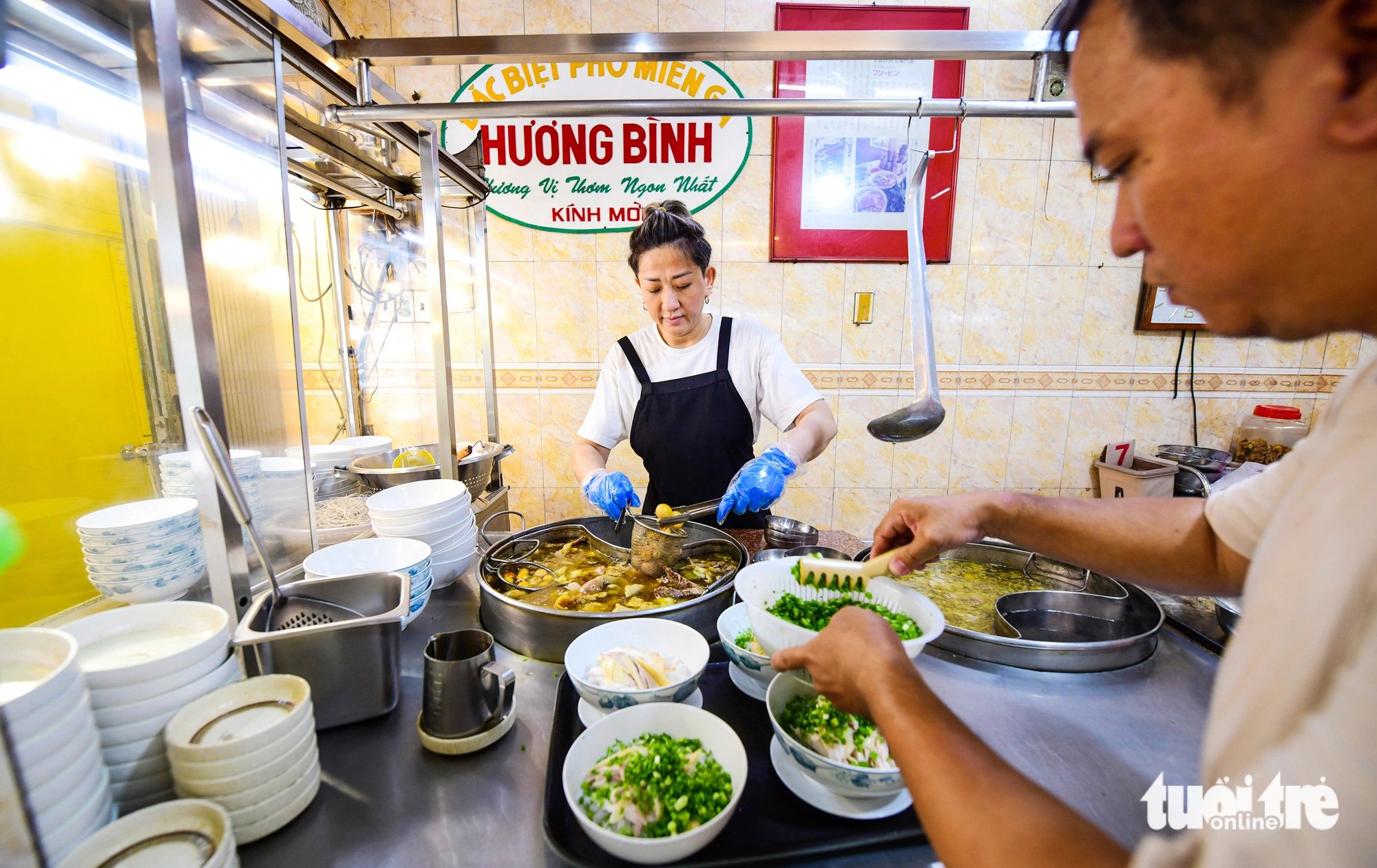
Huong Binh Pho restaurant, District 3, Ho Chi Minh City - Photo: QUANG DINH
When the National List of Intangible Cultural Heritage named the folk knowledge of pho in Nam Dinh province and the folk knowledge of pho in Hanoi city among 15 heritage dossiers, this was good news for pho vendors, pho lovers in particular, and culture lovers in general.
Because, until now, in relation to cuisine , only the traditional crafts of Nam O fish sauce making, Phu Quoc fish sauce making, Quang noodles, Hanoi pho, and Nam Dinh pho are included in this list.
To ensure that national cultural heritage is not just a fancy, euphemistic label, much work remains to be done to transform pho into a soft economy in cultural exports.
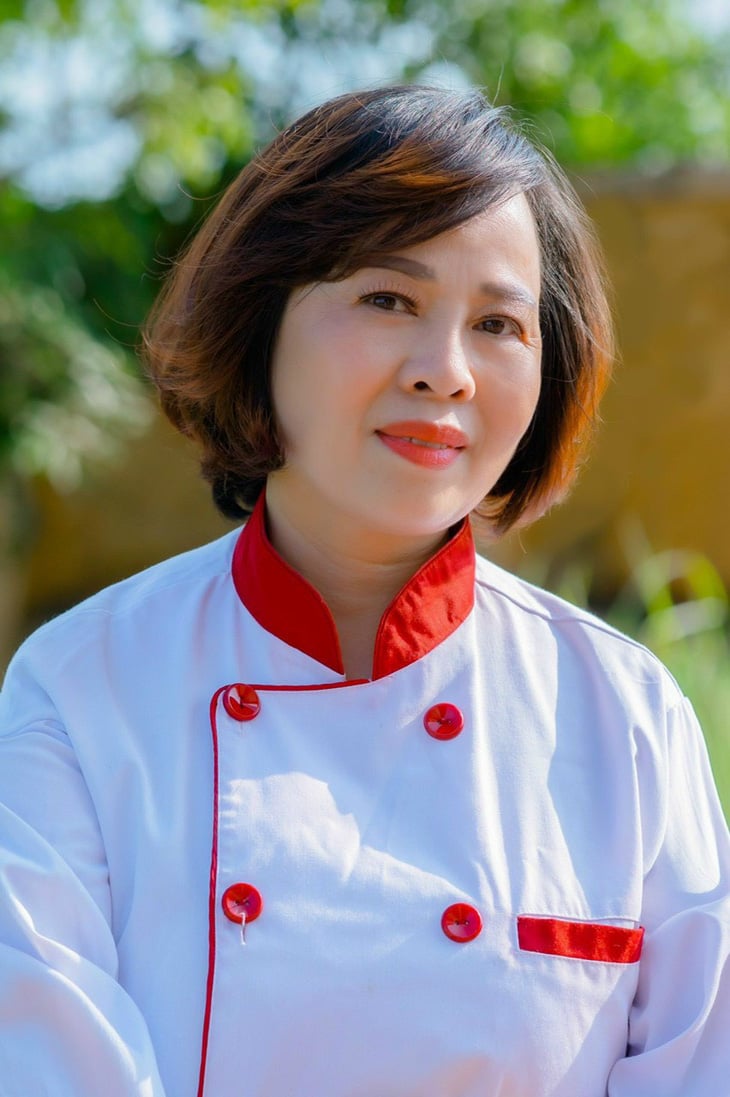 Artisan Le Thi Thiet
After registering pho, what happened next?
Culinary artist Anh Tuyet said that this registration was "a little late, but better late than never." Pho is not just found in Hanoi or Nam Dinh; every province in Vietnam has pho. Vietnamese pho is loved by international tourists.
"However, developing pho is a major issue that requires the involvement of not only researchers and those currently involved in the pho business, but also higher levels of government," Ms. Tuyet said, adding that "building pho into a national brand still faces many challenges."
For a long time, folk knowledge about pho has been passed down primarily through oral tradition.
"After registration, pho needs to be systematically and scientifically identified and systematized so that Vietnamese pho can be accepted in a more professional and sustainable way," Ms. Tuyet said.
A representative from the Department of Culture, Sports and Tourism of Nam Dinh province told Tuoi Tre newspaper that the Provincial People's Committee has directed the department and other specialized agencies to develop a plan for protecting and promoting the value of heritage sites in accordance with regulations.
Simultaneously, implement measures to protect and promote the value of intangible cultural heritage.
The province will strengthen the promotion and introduction of the heritage; and continue research on the origins and development of pho here.
Simultaneously, the heritage is documented through interviews, audio recordings, and video recordings of the heritage practices of pho restaurant owners who are long-time pho chefs from families with generations of experience in the craft, and who are reputable and voted for by the pho-loving community...
This department is gradually researching and planning a cultural space for enjoying pho in Nam Dinh, aiming to attract domestic and especially foreign tourists to enjoy pho cuisine.
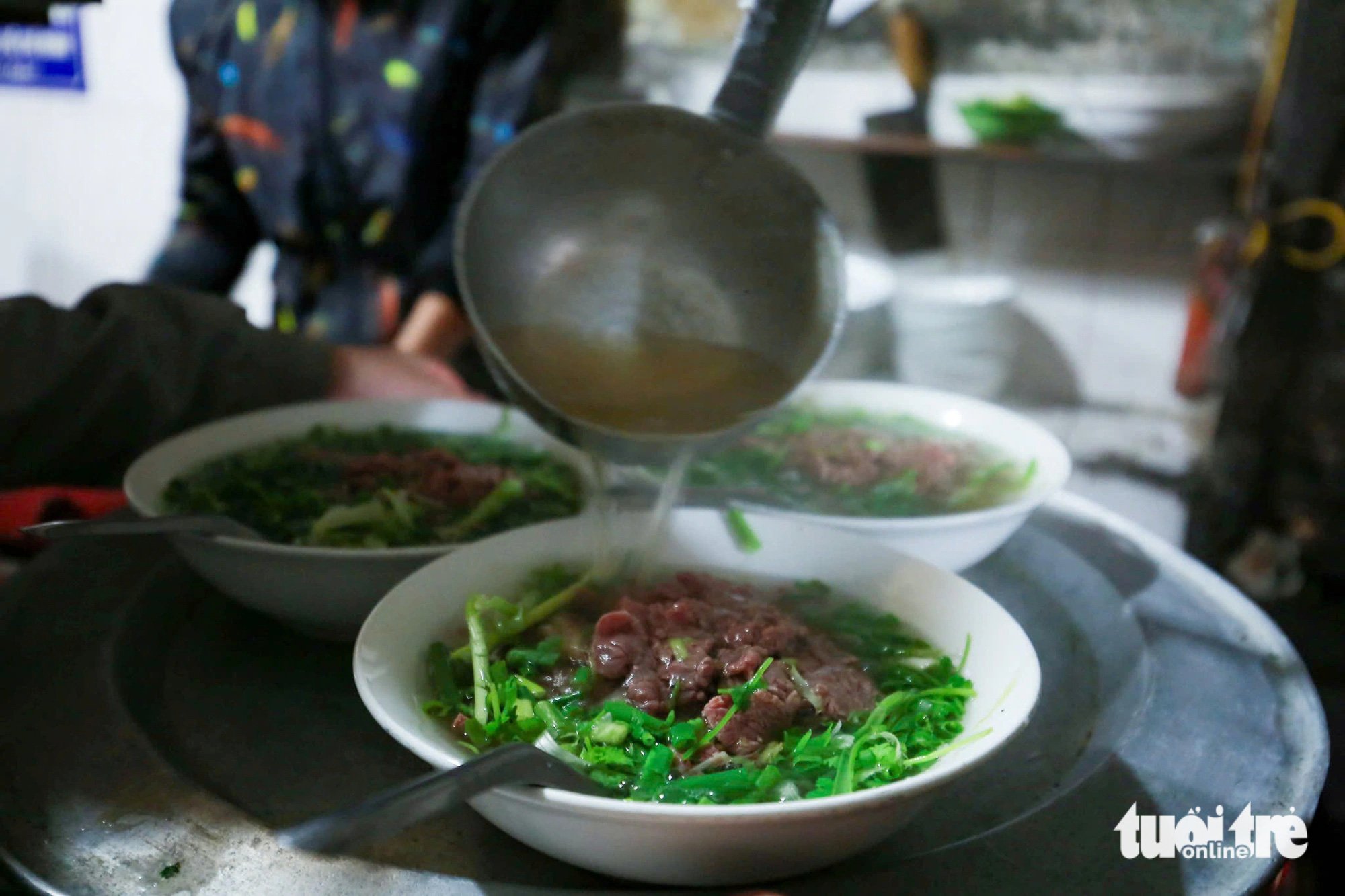
There are approximately 700 pho restaurants in Hanoi - Photo: NAM TRAN
Artisan Le Thi Thiet, president of the Nam Dinh Culinary Culture Association, said, "We still lack a standardized identity for pho, not only for international tourists but also for Vietnamese people themselves." According to her, currently, not only pho but many Vietnamese dishes lack a defined standard.
Ms. Thiet stated that "the criteria in the F&B (food and beverage) industry include many factors. For example, sensory aspects and aesthetics. Or constituent elements such as spices, ingredients, and nutritional value of the dish...".
Ms. Thiet gave the example that Italy can use the phrase "traditional Italian pasta" or South Korea can use the phrase "traditional kimchi" because they have identified their tradition, and then built upon that tradition to create and develop further.
Ms. Bui Thanh Loan, representative of Pho Thin Bo Ho brand - a company that will participate in the Vietnam Pho Festival in South Korea on October 5th and 6th, shared experiences from her brand's story.
Beyond meticulous service and food safety, Pho Thin Bo Ho also prioritizes the connection between consumers, tourists, and the restaurant itself. This is what creates positive and memorable experiences.
However, Ms. Loan added that "there is still confusion and ambiguity among pho brands, and inaccurate information, making the pho industry lack transparency."
As business owners, we are hoping for a pho map or a standardized pho information portal that provides accurate information to locals and customers."
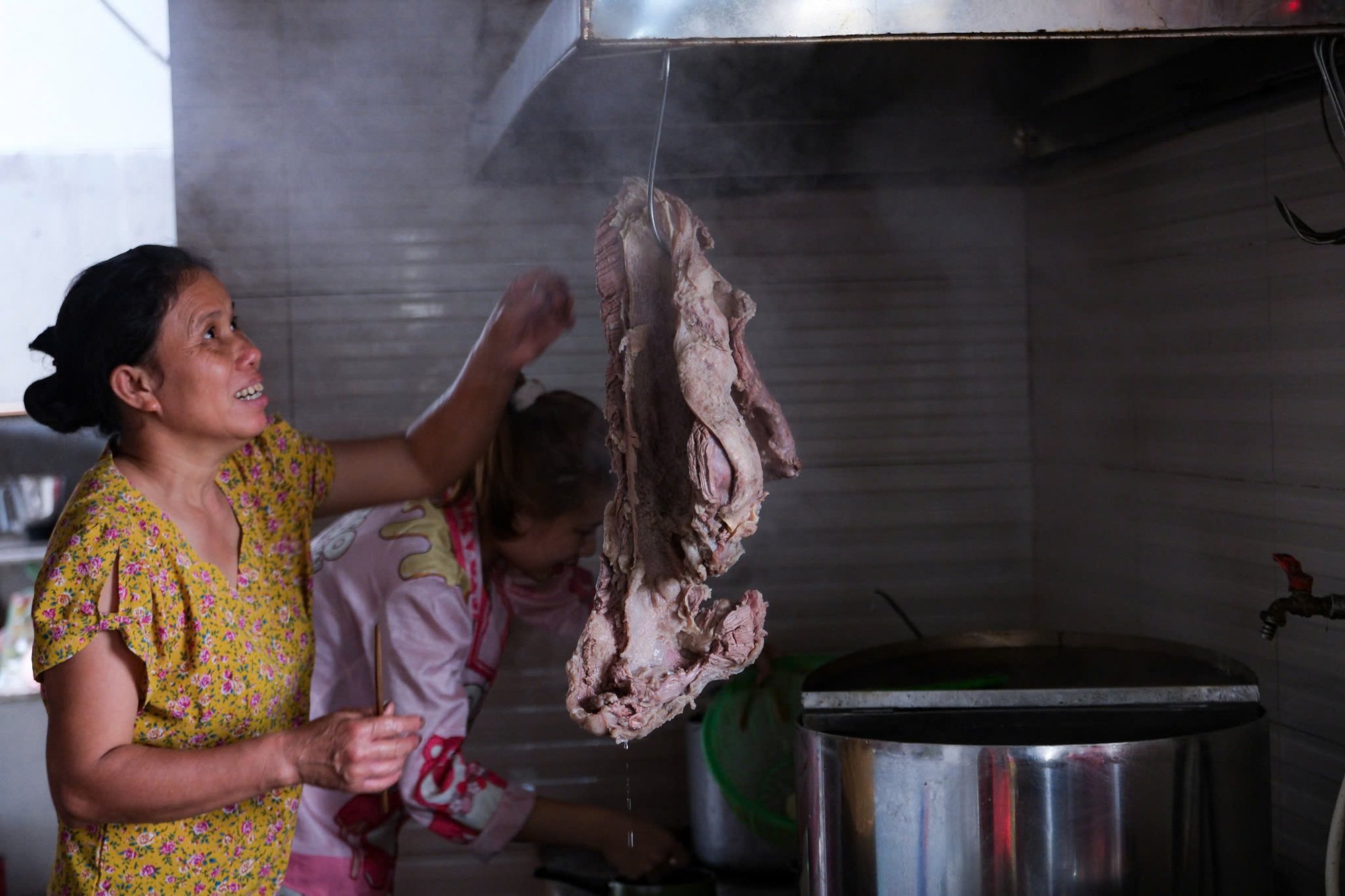
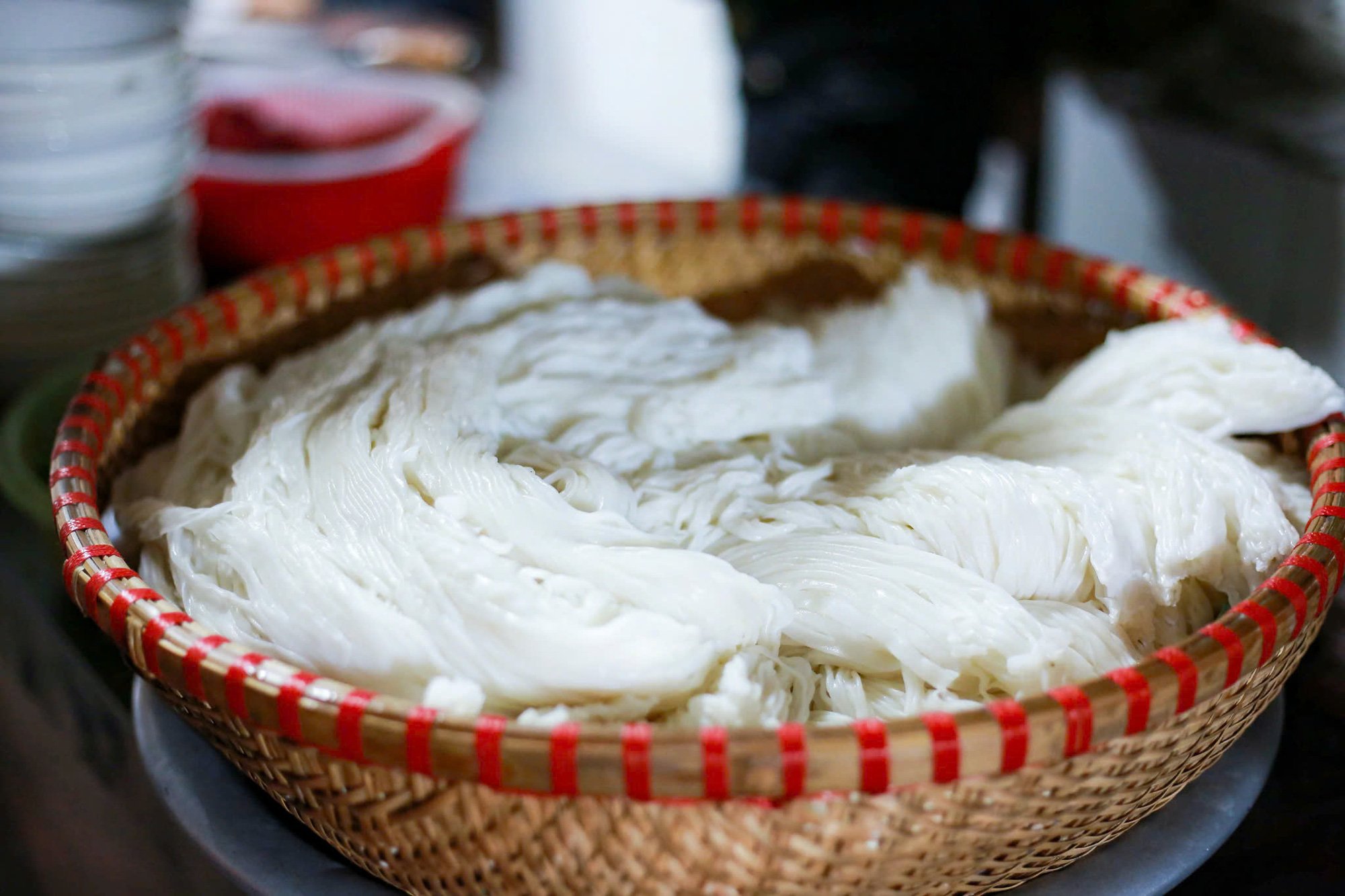
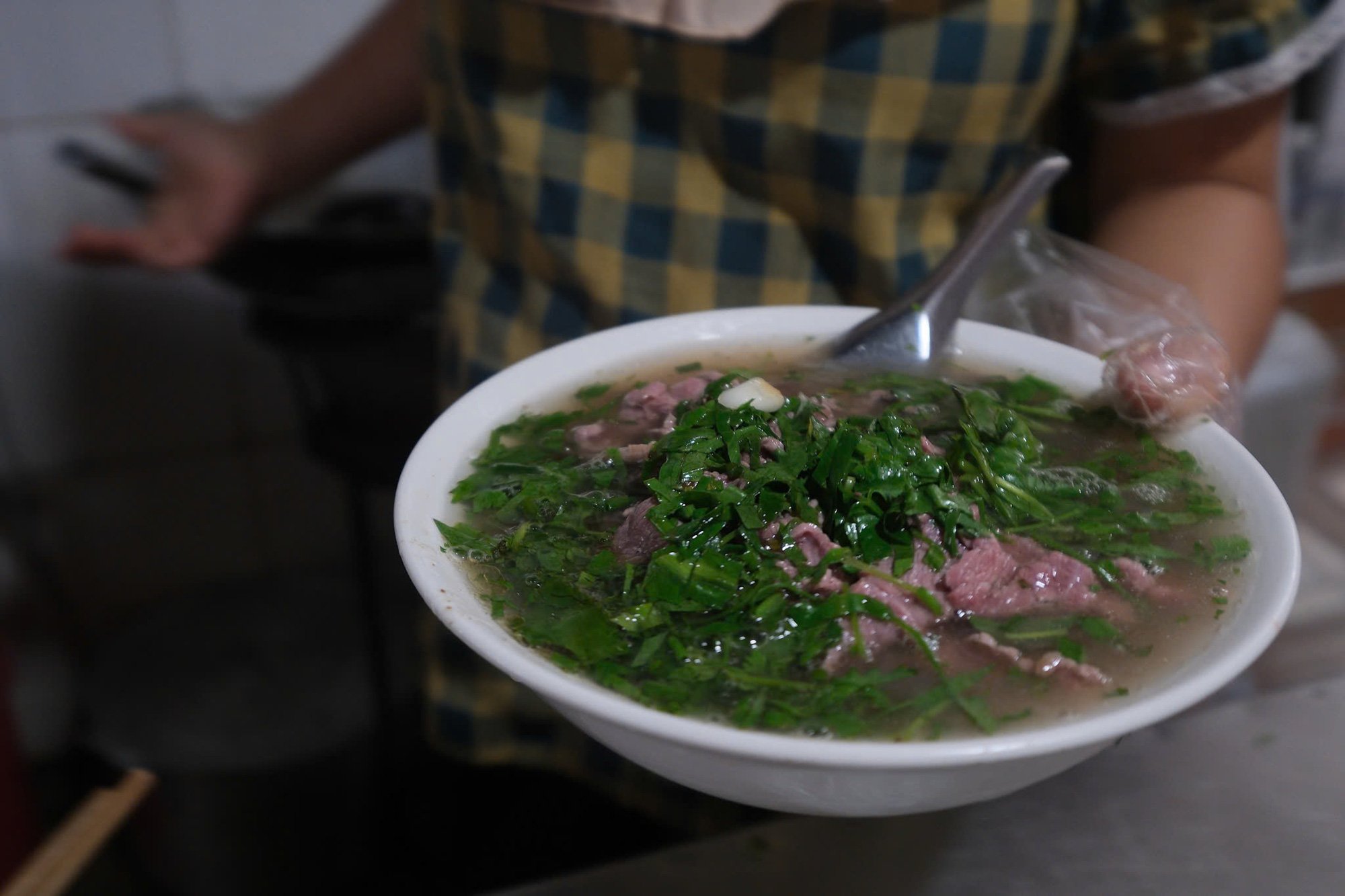
Nam Dinh has approximately 300 pho restaurants - Photo: NAM TRAN
Eating a delicious bowl of pho is also about "eating" culture. All the experiences surrounding a bowl of pho create an invisible yet direct connection, forming vivid memories for tourists of the land they visit. Therefore, pho restaurants should not forget and must cherish the connection between themselves and their customers and tourists.
Ms. Bui Thanh Loan, representative of Pho Thin Bo Ho.
The story is missing.
Journalist Vinh Quyen, one of the administrators of the Hanoi Old Flavors forum (with over 15,000 members), told Tuoi Tre newspaper : to eat pho at Bat Dan, she sometimes had to go three times a day.
According to Ms. Quyen, visitors from other places often complain about the restaurant's service and the owner's lack of friendliness. But locals in the Old Quarter still line up to enjoy pho here.
If you look closely, you'll see the owner is very attentive and meticulous with each piece of beef. He doesn't pre-slice the meat; he only slices it for each bowl a customer orders. This has become an unchangeable principle of this pho brand. When the meat is cooked, it's very fragrant and juicy.
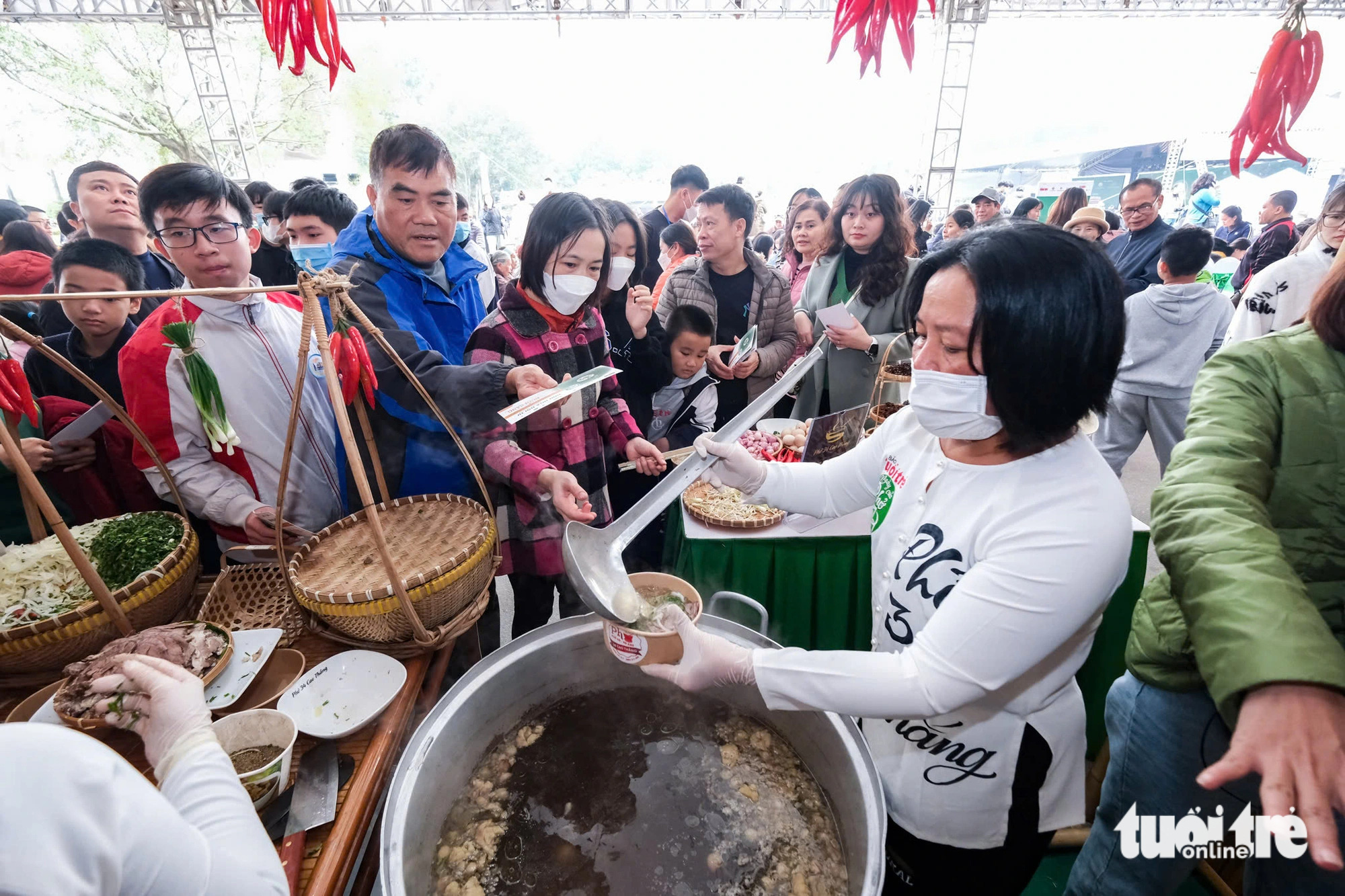
Locals and tourists participate in Pho Day 2022 in Nam Dinh - Photo: NAM TRAN
Ms. Quyen said that after doing some research, she learned that the restaurant only cooks exactly four pots of broth each afternoon. Once it's gone, they stop selling. Even if there are customers, they don't add more water to boil and sell it like other restaurants.
Currently, the owners, a husband and wife, still do the cooking themselves; their children are not allowed to work in the kitchen but only do small tasks such as collecting money and pouring broth.
According to Ms. Quyen, that was one of the stories that impressed her the most. The way they were dedicated to their pho dish and valued their customers was something many pho vendors had "forgotten."
To develop the pho industry, each brand should strive to create its own unique story.
As recounted in his book "Old Stories of Hanoi ," writer Tô Hoài said that Mr. Thìn's restaurant by Hoan Kiem Lake wasn't famous for its delicious pho, but primarily because during the years when the Americans bombed the city center, Mr. Thìn's restaurant was the only one in all of Hanoi that stayed open past midnight.
Wherever people craving late-night pho had to brave the air raid sirens, Mr. Thin remained calm, picking up his noodles with one hand while cracking jokes and making witty, nonsensical remarks...
Ms. Vinh Quyen believes that we are lacking stories created from the very culture of pho. This is also something to remember if we want to elevate pho to a heritage with substance.
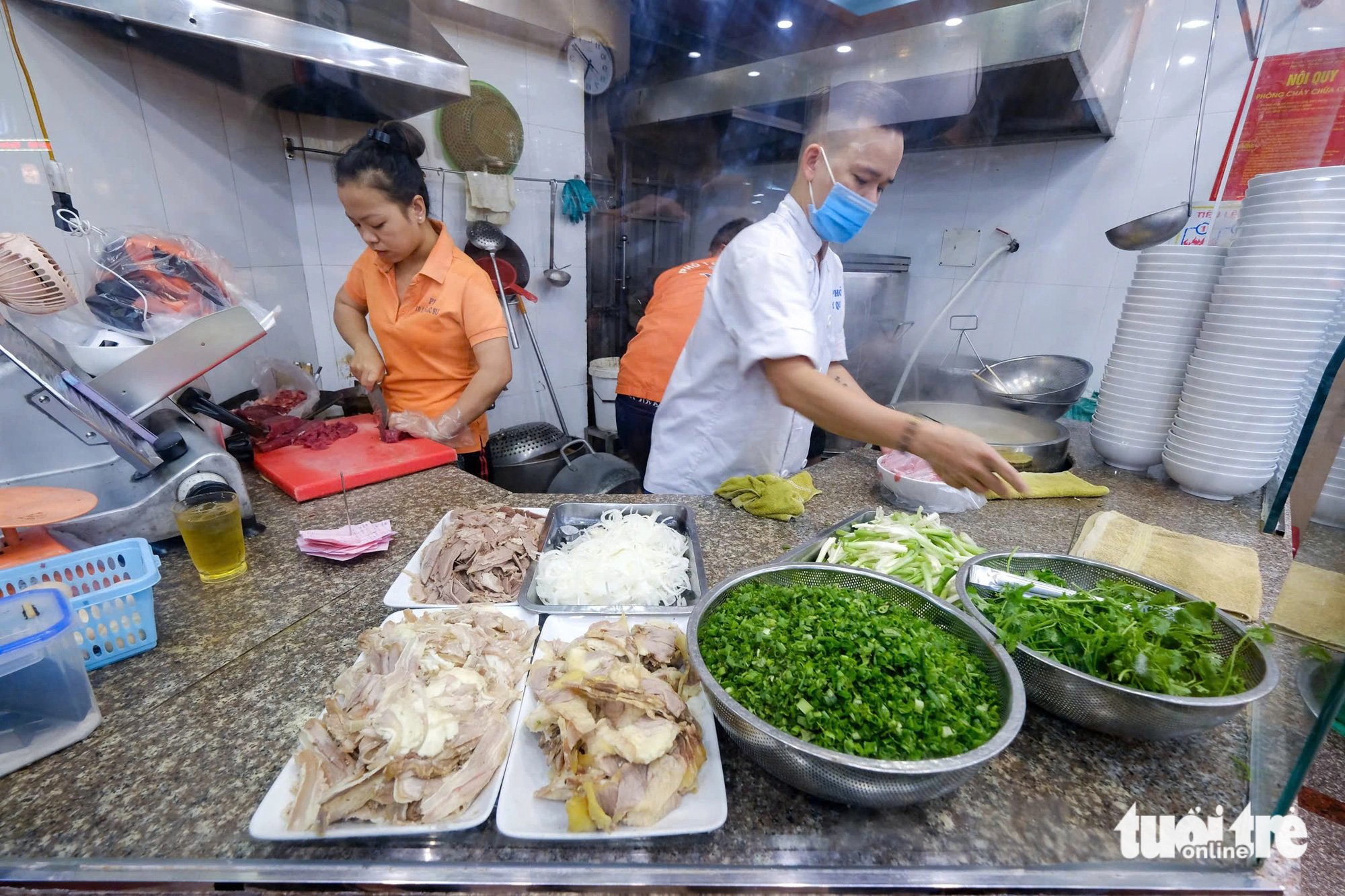
The traditional pho-making of Hanoi and Nam Dinh has just been added to the list of National Intangible Cultural Heritage - Photo: NAM TRAN
Get ready for the Vietnam Pho Festival 2024 in South Korea!
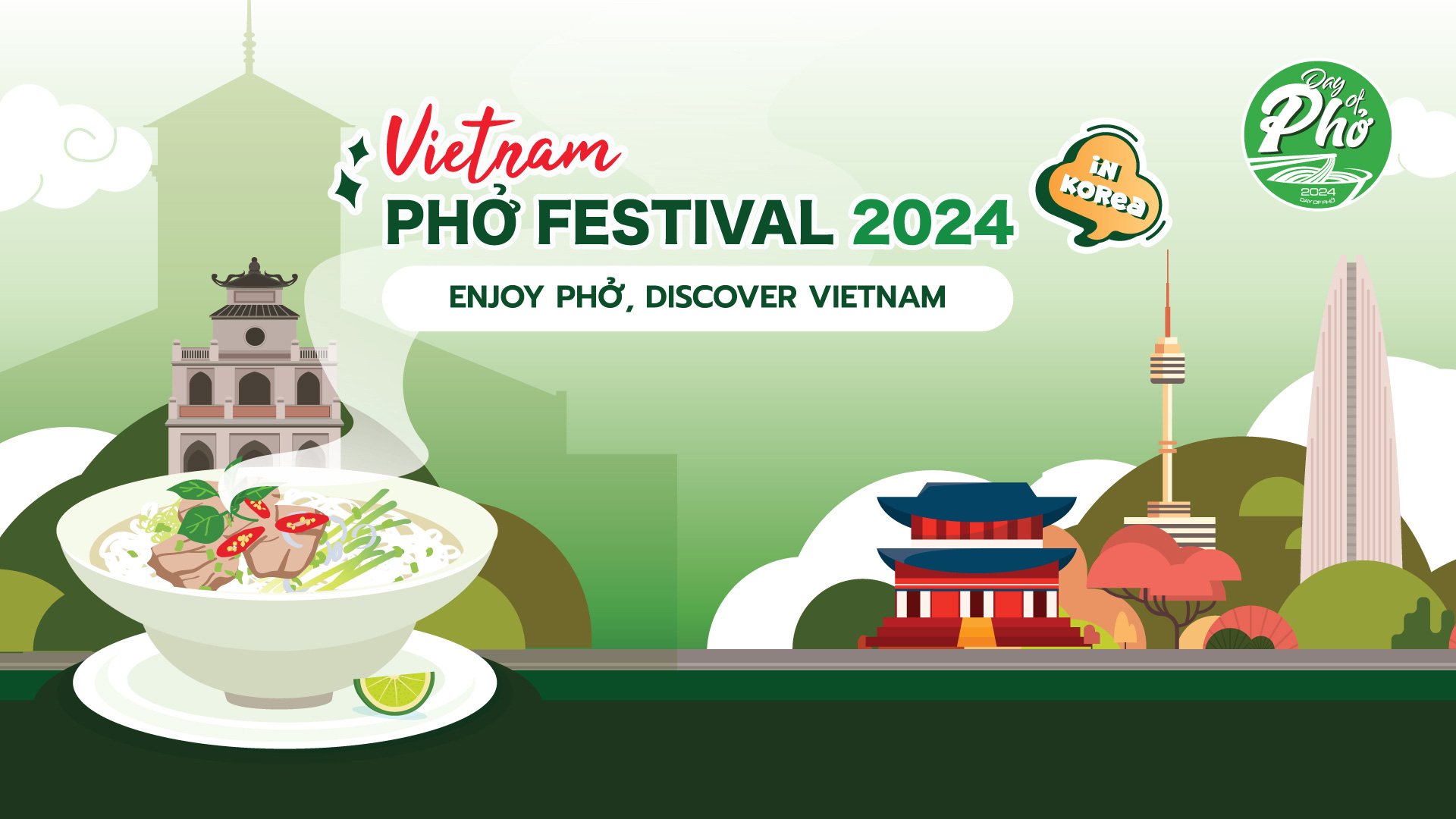
Vietnam Pho Festival 2024 in Seoul
The Vietnam Pho Festival 2024 in Seoul, South Korea, is scheduled to take place on October 5th and 6th, 2024, with the theme "Enjoy Pho, Discover Vietnam". The event is co-organized by Tuoi Tre newspaper and Saigontourist Group, under the direction of the Ministry of Foreign Affairs and the People's Committee of Ho Chi Minh City.
The program is supported by the Embassy of Vietnam in Seoul (Ministry of Foreign Affairs), the Vietnam Trade Promotion Agency (Ministry of Industry and Trade), the Department of Industry and Trade of Ho Chi Minh City, the Association of Vietnamese in Korea, and the Association of Vietnamese Enterprises in Korea.
After the first successful event in Tokyo, Japan, Vietnam Pho Festival 2024 chose Korea as the next destination on its journey to promote Vietnamese cuisine internationally.
The Vietnam Pho Festival 2024 kicked off in July with many rich and attractive activities such as "Exploring Vietnamese Pho in Korea" for pho lovers to review pho restaurants and share stories of pho cooks in Korea on social media; and the "Korean Youth Discovering Vietnamese Pho" contest for young Koreans to share their experiences with Vietnamese pho...
The highlight of the Vietnam Pho Festival 2024 will be the Vietnamese Pho Festival, taking place over two days at Banghwa Neighborhood Park in Seoul, featuring approximately 80 stalls, including 40 stalls selling pho and other cuisine from many well-known and long-established pho brands from Vietnam.
The festival also dedicates space to introduce pho as well as its characteristics, a series of exchange activities between Vietnamese and Korean cuisine...
Within the framework of the festival, there is also a business matching activity, creating opportunities for Vietnamese businesses operating in the food, foodstuff, and culinary sectors to participate in direct trade connections with Korean import-export businesses.
Vietnam Pho Festival 2024 also receives support from the Department of Cultural Diplomacy and UNESCO, the Northeast Asia Department - Ministry of Foreign Affairs, the Vietnam - Korea Friendship Association, the Korea - Southeast Asia Economic Cooperation Association (Ministry of Foreign Affairs of Korea), the Korean Cuisine Association, and the Association of Vietnamese Alumni in Korea.
Source: https://tuoitre.vn/de-di-san-pho-khong-la-cai-mac-cho-dep-20240816092902994.htm

![[Photo] The captivating scenery of the fragrant maple forest in Quang Tri](/_next/image?url=https%3A%2F%2Fvphoto.vietnam.vn%2Fthumb%2F1200x675%2Fvietnam%2Fresource%2FIMAGE%2F2025%2F12%2F10%2F1765353233198_lan09046-jpg.webp&w=3840&q=75)
![[Photo] Explore the US Navy's USS Robert Smalls warship](/_next/image?url=https%3A%2F%2Fvphoto.vietnam.vn%2Fthumb%2F1200x675%2Fvietnam%2Fresource%2FIMAGE%2F2025%2F12%2F10%2F1765341533272_11212121-8303-jpg.webp&w=3840&q=75)




















![[Video] The craft of making Dong Ho folk paintings has been inscribed by UNESCO on the List of Crafts in Need of Urgent Safeguarding.](https://vphoto.vietnam.vn/thumb/402x226/vietnam/resource/IMAGE/2025/12/10/1765350246533_tranh-dong-ho-734-jpg.webp)















































Comment (0)