

The draft Law on Teachers stipulates that teachers will receive a one-level salary increase; preschool teachers may retire early, but not more than five years earlier, and their pension will not be reduced. Teachers with the titles of professor, associate professor, or doctor may retire at an older age.
On the morning of November 9th, the National Assembly heard the presentation and the review report on the draft Law on Teachers, which includes new points on teacher policies such as salary policies and retirement schemes.
Some new points prioritize teachers.
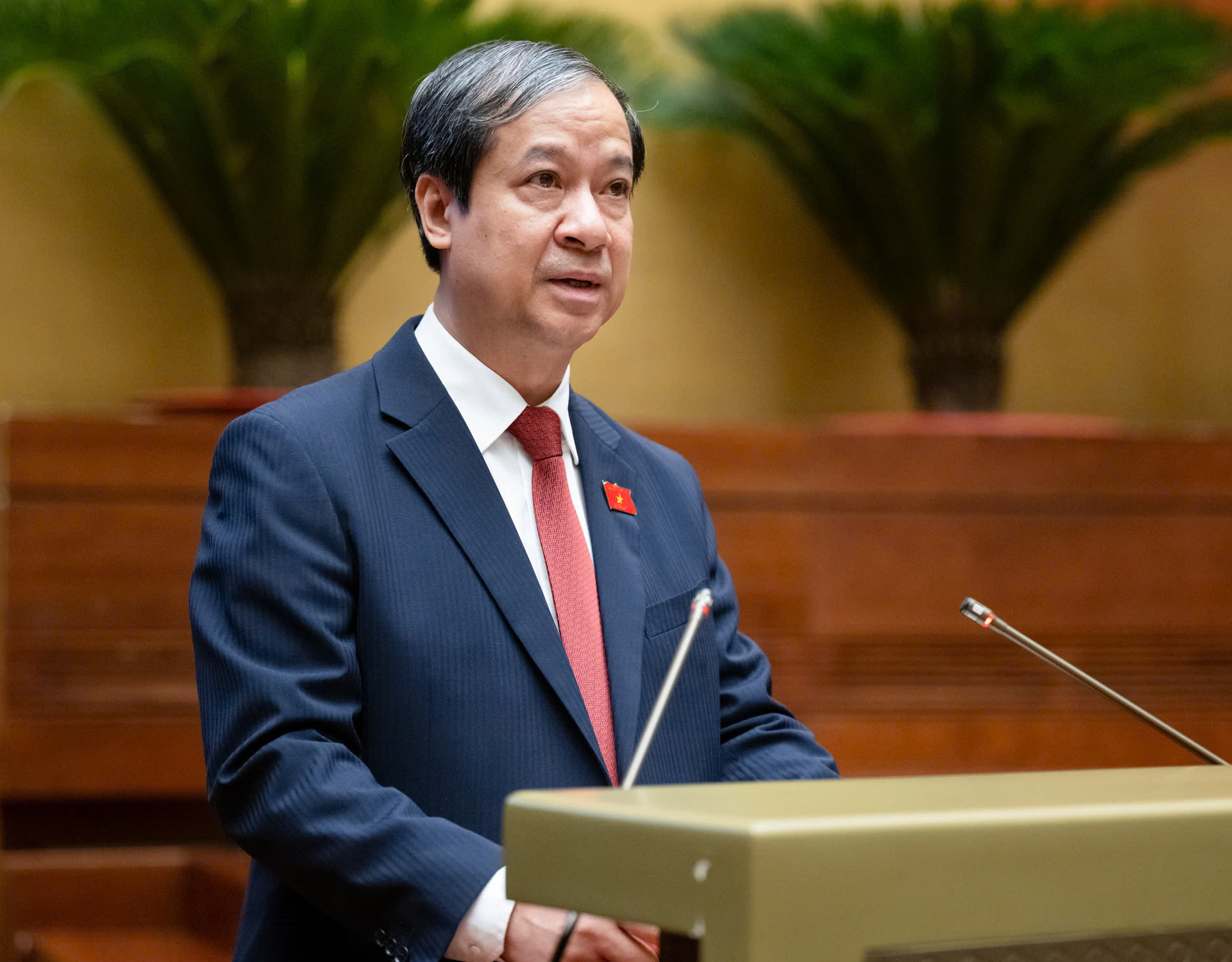
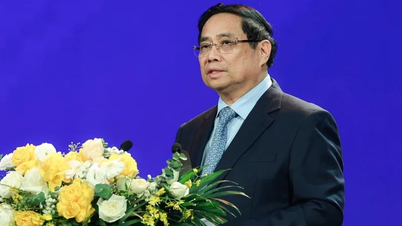
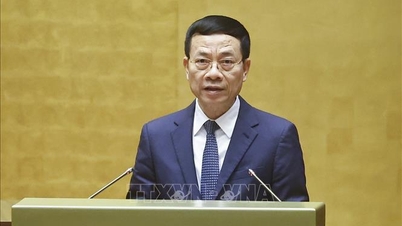
Presenting the Government's report, Minister of Education and Training Nguyen Kim Son stated that, compared to current regulations in related laws such as the Law on Public Employees, the Law on Education, the Law on Higher Education, the Law on Vocational Education, and the Labor Code, the draft Law on Teachers has several new points.
The draft law grants the education sector autonomy in recruiting and employing teachers. Specifically, the Ministry of Education and Training and the Ministry of Labour, Invalids and Social Affairs are the lead agencies responsible for developing the overall staffing strategy for teachers under their management, submitting it to the competent authority for decision, and coordinating the teacher staffing in public educational institutions according to the allocated number. Educational management agencies or educational institutions are responsible for teacher recruitment.
Notably, the salary policy for teachers is prioritized. Specifically, the basic salary according to the teacher salary scale is ranked highest in the administrative and public service salary scale system; teachers receive professional incentive allowances and other allowances depending on the nature of their work and region, as stipulated by law.
Teachers will continue to receive seniority allowances until the salary policy under Resolution 27 is implemented. Preschool teachers; teachers working in particularly difficult areas inhabited by ethnic minorities, mountainous regions, coastal areas, and islands; teachers in special schools and other specialized schools; teachers implementing inclusive education; teachers from ethnic minorities; and teachers in certain specialized professions will be given priority in receiving higher salaries and allowances compared to other teachers.
Teachers who are recruited and assigned a salary for the first time will be promoted one salary level in the administrative and public service salary scale system.
Teachers working in ethnic minority areas, mountainous regions, border areas, islands, and areas with particularly difficult socio-economic conditions are entitled to several other support policies such as collective housing or official housing rentals, reimbursement for travel expenses during annual leave, and personal leave to visit family...
The government has a policy to attract highly qualified individuals, talented people, outstanding graduates, young scientists, and people with special aptitudes to participate in recruitment as teachers.
Another noteworthy point is that the retirement age for teachers is regulated separately to suit the characteristics of their professional activities.
Accordingly, teachers in preschools who wish to do so may retire at a younger age, but not more than 5 years younger than the prescribed age, and will not have their pension reduced due to early retirement.
Teachers holding the titles of professor, associate professor, or doctoral degree, and teachers working in specialized fields or disciplines, are entitled to retire at a higher age.
Timely institutionalization of the Party's policies.
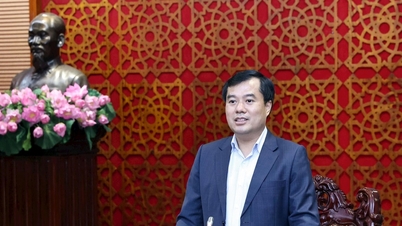
After reviewing the above contents, the Chairman of the Committee on Culture and Education, Nguyen Dac Vinh, agreed with the proposal to grant more authority and responsibility to the education sector in the recruitment of teachers.
The review body generally agrees with the regulations on working conditions, assignments, secondments, transfers, and evaluations of teachers as outlined in the draft Law. However, some opinions suggest careful consideration and assessment of the impact regarding the retention period of teachers' benefits when they are seconded.
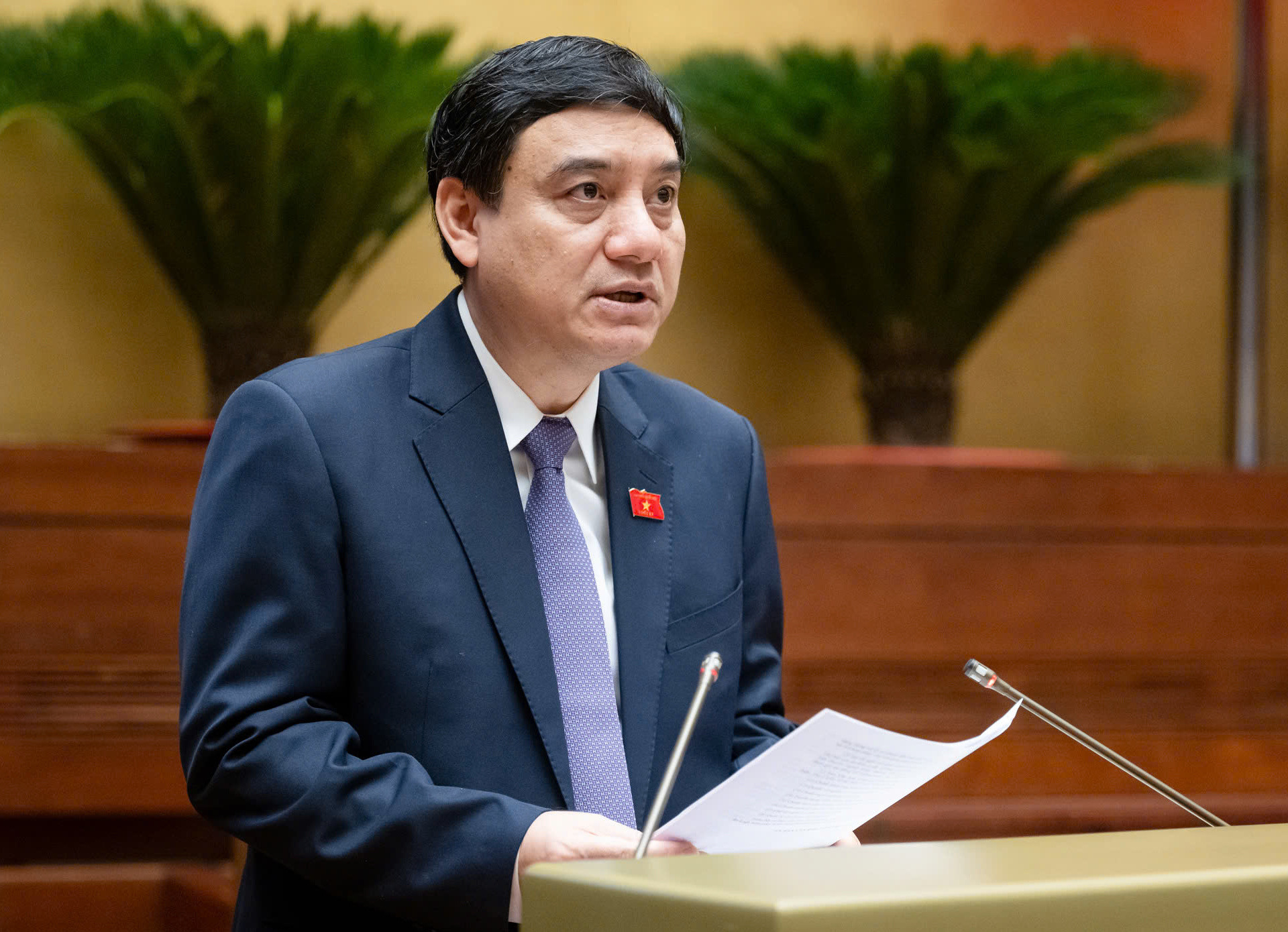
Regarding salaries and allowances for teachers, Mr. Vinh said that the Committee on Culture and Education agreed with the regulations in the draft Law and considered this an important and necessary content to promptly institutionalize the Party's policies.
The reviewing agency also endorsed the policies prioritizing, supporting, and attracting teachers as stipulated in the draft Law. However, some opinions suggested studying and implementing the Party's resolution on salary policy reform in accordance with its spirit; and considering the regulation of salary policies for teachers in the non-public sector…
Regarding the retirement scheme for teachers, the reviewing body agreed that teachers in preschools can retire at a younger age (no more than 5 years younger) than stipulated in the Labor Code and will not have their pension reduced for early retirement. However, some opinions suggested that a thorough assessment of the resource impact of implementing this policy is needed.
The draft Law on Teachers comprises 9 chapters and 50 articles, aiming to concretize 5 policies in the proposed law approved by the Government in Resolution No. 95 dated July 7, 2023, including: Defining teachers; standards and titles of teachers; recruitment, employment and working regime of teachers; training, professional development, remuneration and honoring of teachers; and state management of teachers.
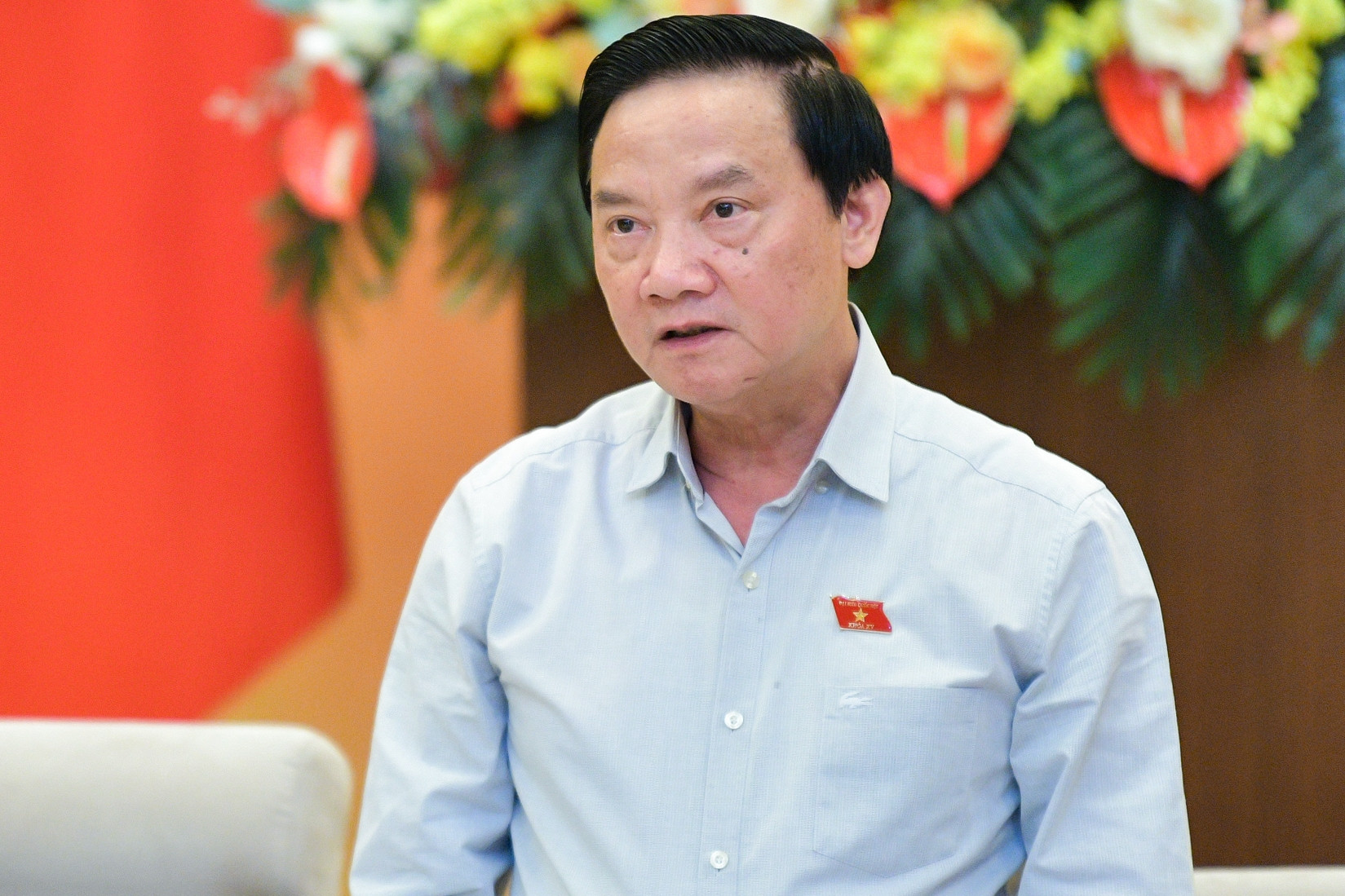
The regulation allowing teachers to retire before age 55 will create privileges and special advantages.
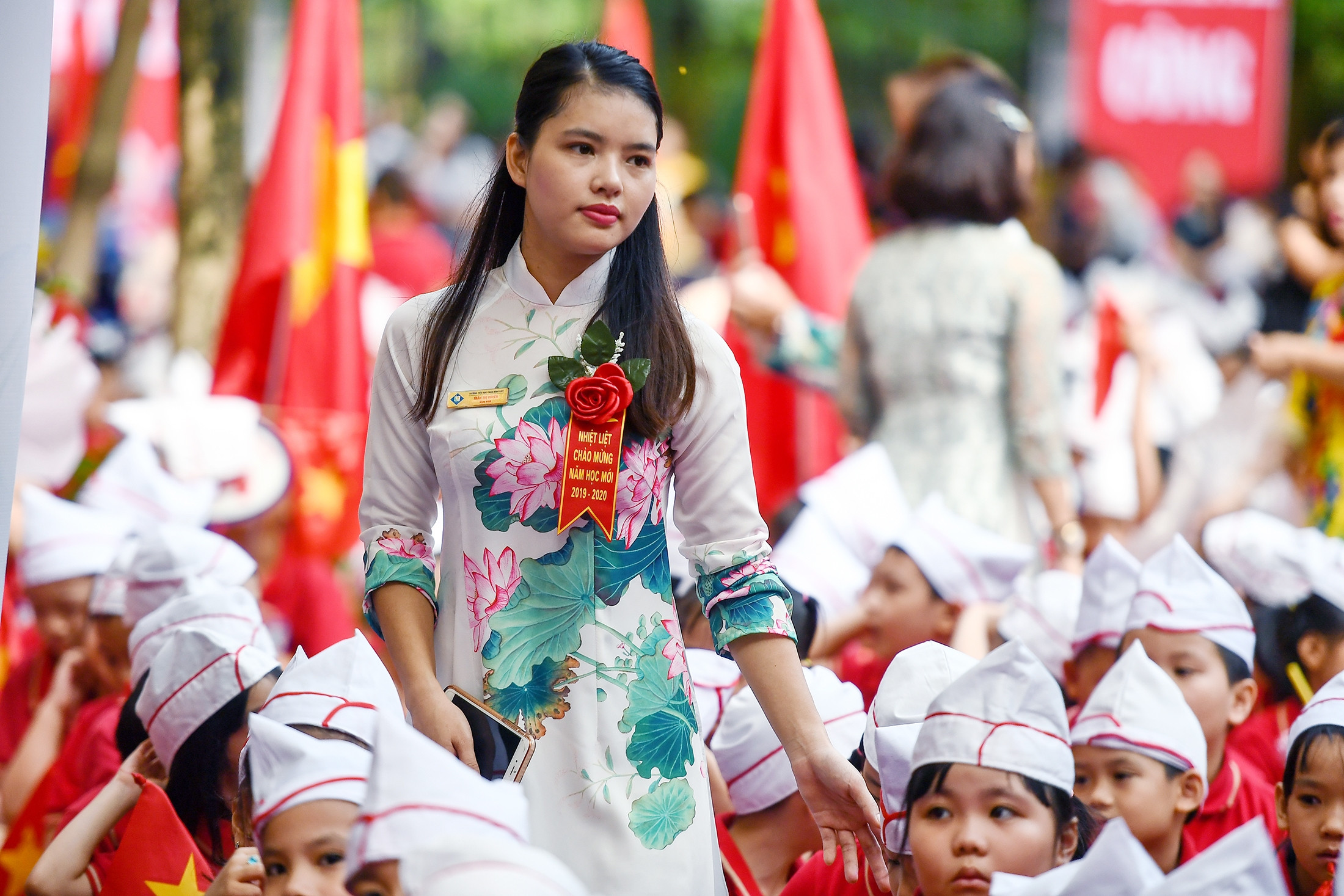
The government requires job criteria and preferential policies for teachers.
Source: https://vietnamnet.vn/de-xuat-nha-giao-duoc-tang-1-bac-luong-giao-vien-mam-non-nghi-huu-som-5-nam-2340305.html

















































































Comment (0)