

In 2025, Lao Cai aims to "accelerate and break through," striving for an 8.5% GRDP growth rate and completing the 2021-2025 five-year socio -economic development plan. A series of strategic infrastructure projects, especially inter-regional transport projects, are considered driving forces opening up new development opportunities after the merger. However, many key projects are still behind schedule, with the biggest bottleneck being land clearance.
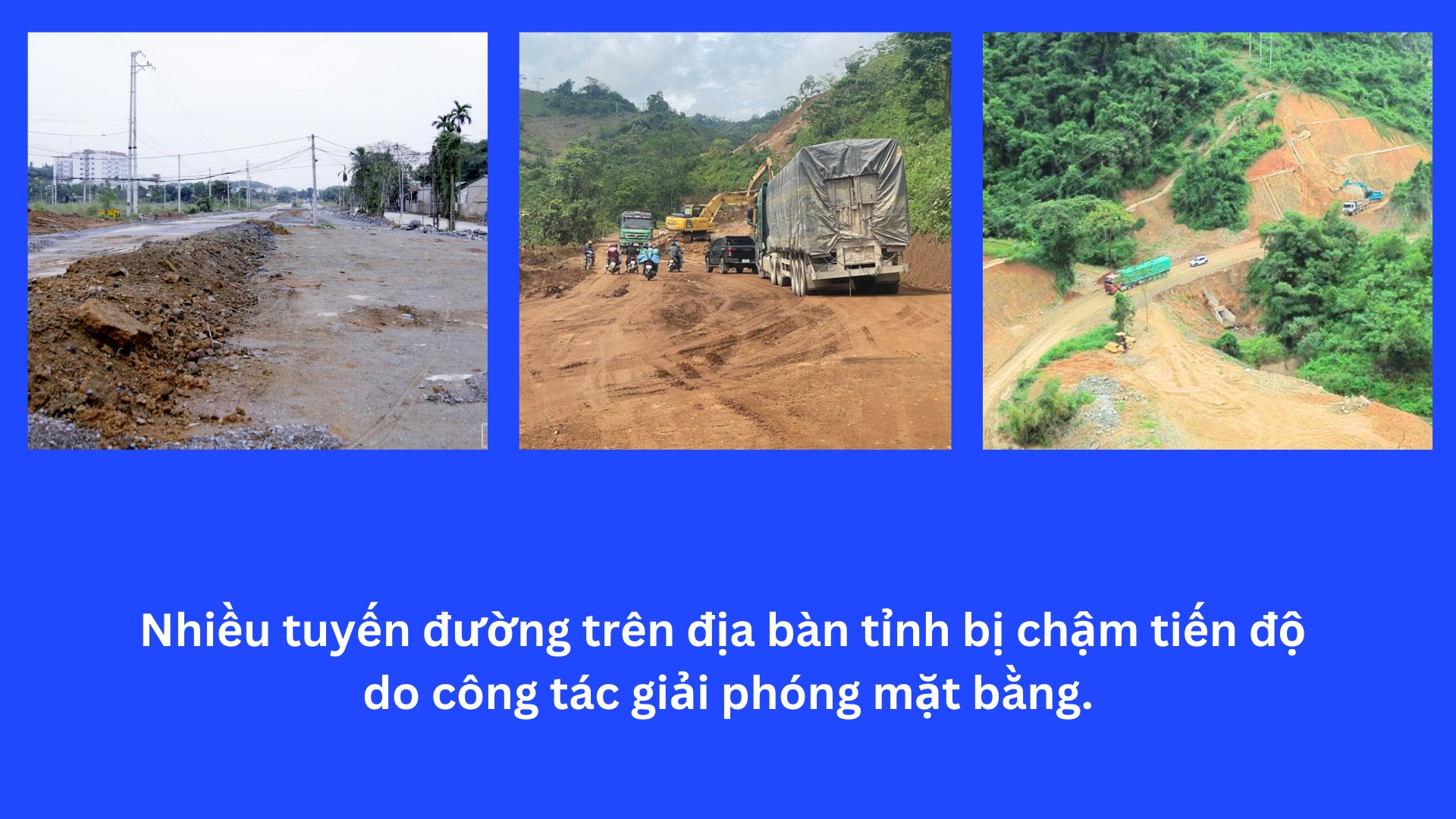
Currently, the province has 45 key projects, of which 32 have started construction, while 8 projects cannot be implemented, mainly due to site clearance problems.
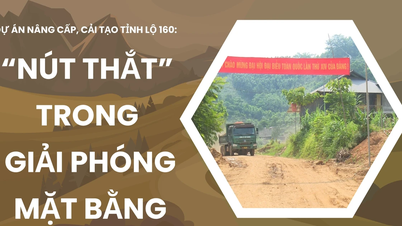
In particular, large-scale transportation projects spanning multiple areas, such as the road connecting National Highway 32 to the Noi Bai - Lao Cai Expressway, the road connecting Muong La - Mu Cang Chai - Van Chan - Van Yen, the road along the Red River, and projects to expand expressways and border gate infrastructure, are all facing difficulties in the synchronized handover of land, causing construction progress to be delayed.
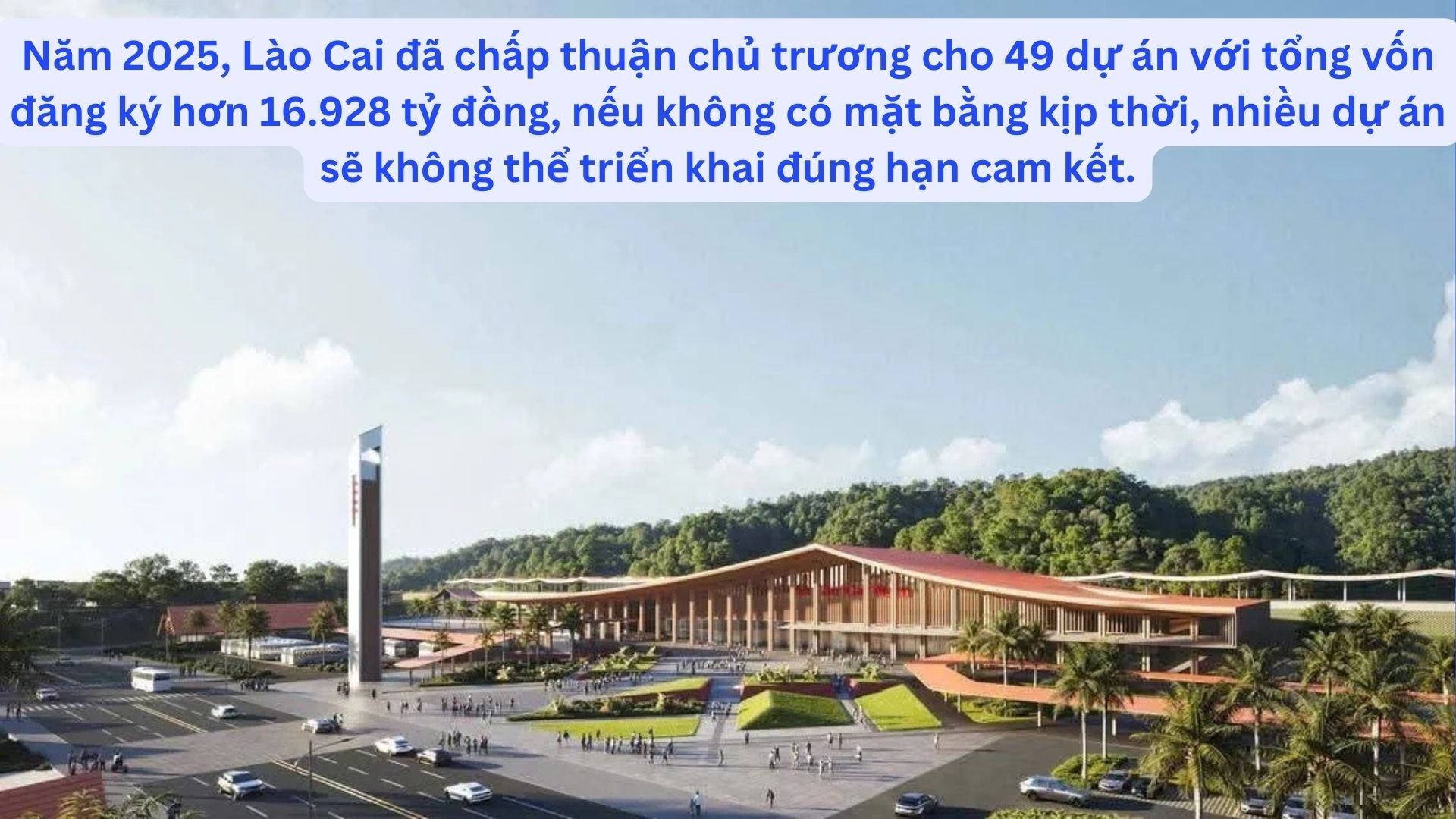
The particularly important national project, the Lao Cai - Hanoi - Hai Phong railway, scheduled to start construction on December 19, 2025, is also under great pressure on progress. The province is focusing on compensation and resettlement support in the new Lao Cai Station area.
To date, the local authorities have cleared approximately over 6 hectares of land. The ward will strive to finalize the approvals and payments to the residents, and hand over the cleared land to the Railway Project Management Board (Ministry of Construction) for leveling and preparation for the upcoming groundbreaking ceremony.
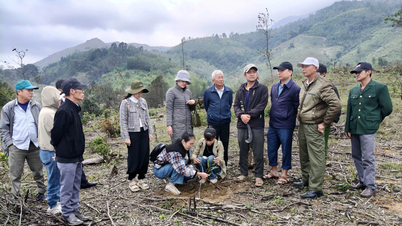
In Chau Que commune, site clearance work for the Lao Cai - Hanoi - Hai Phong railway is being urgently implemented but facing many obstacles.
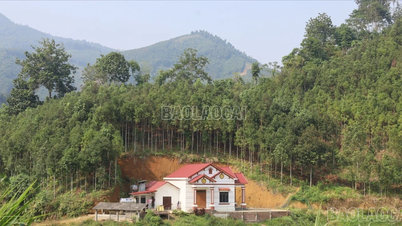
The route, spanning approximately 24 km through the commune, is expected to reclaim about 240 hectares of land, affecting 591 households. This puts pressure on the mountainous commune with its scattered population. Not only residential and agricultural land, but also many infrastructure facilities such as kindergartens, cultural centers, and cemeteries are located within the project's scope.
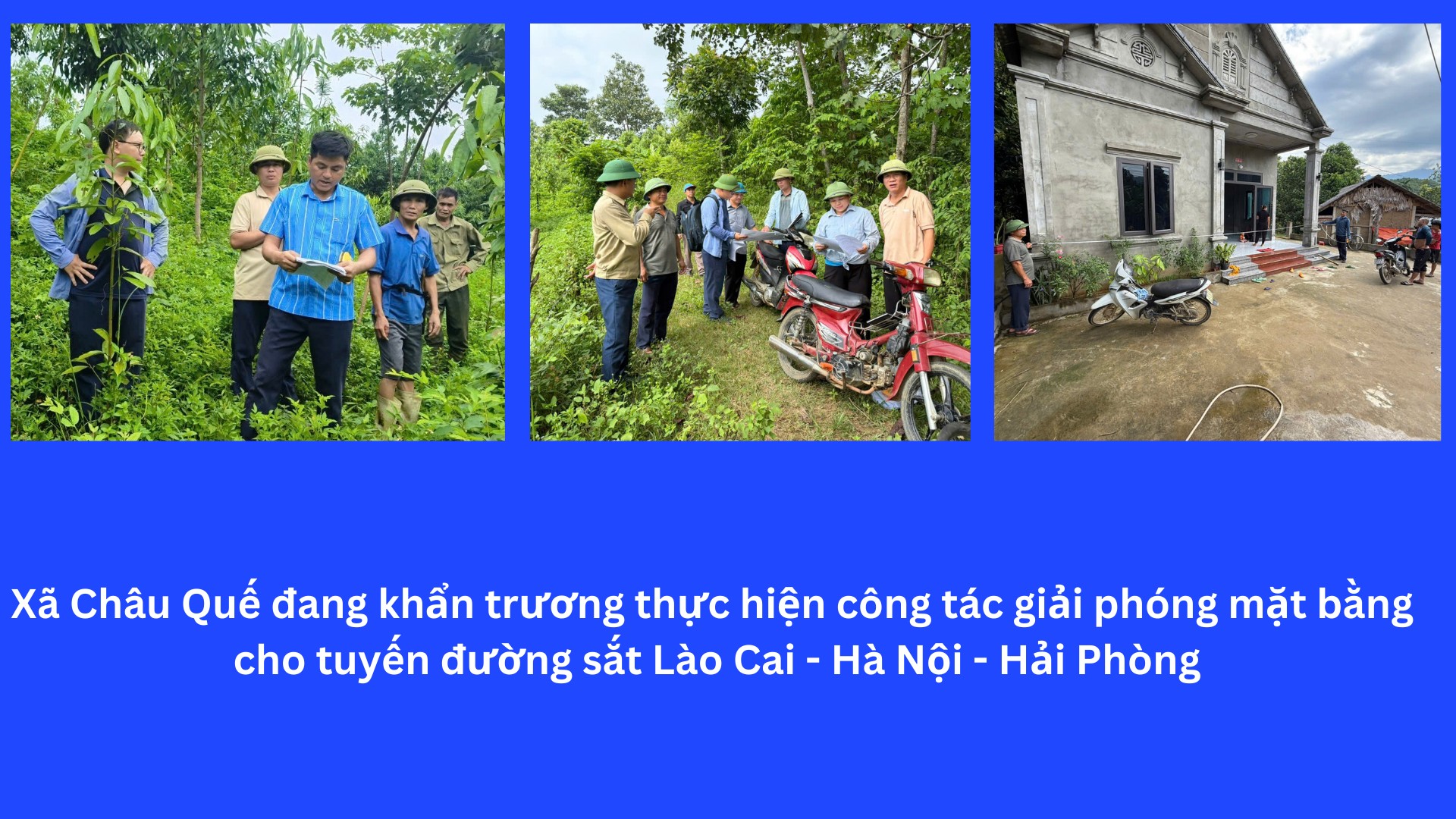
Ms. Dinh Thi Hong Loan - Vice Chairman of Chau Que Commune People's Committee informed: "Currently, the commune has only been provided with the centerline, there is no official recovery map, no site clearance markers in the field, slowing down the entire inventory process and compensation plan preparation".
According to assessments by relevant agencies, the difficulties in land clearance stem from several factors: some projects involve large land acquisition areas and wide-ranging impacts, affecting many households, thus requiring time to agree on compensation plans; after mergers, the geographical area has expanded, and the organizational structure is being streamlined while the workload is heavy, causing some localities to struggle with coordination.
Along with that, in some places, the progress of land inventory, verification of land origin, and compensation plan development is not drastic; propaganda and mobilization work among people is still a formality...
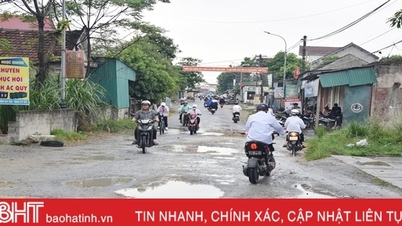
Not only does prolonged land clearance slow down construction progress, but it also significantly impacts the disbursement of public investment capital, an indicator directly affecting economic growth. Although the province aims to disburse 100% of the plan for 2025, many projects cannot disburse funds due to a lack of cleared land, making capital reallocation and investment phasing reactive, affecting infrastructure construction progress as well as the investment attraction environment.
In many other projects, slow site clearance has caused difficulties for businesses and contractors due to increased costs, affecting implementation capacity. Projects related to industrial parks, economic zones, and border gates have also been delayed, directly affecting investment attraction.
Faced with difficulties in site clearance for key projects, the province has proposed many solutions to remove bottlenecks.
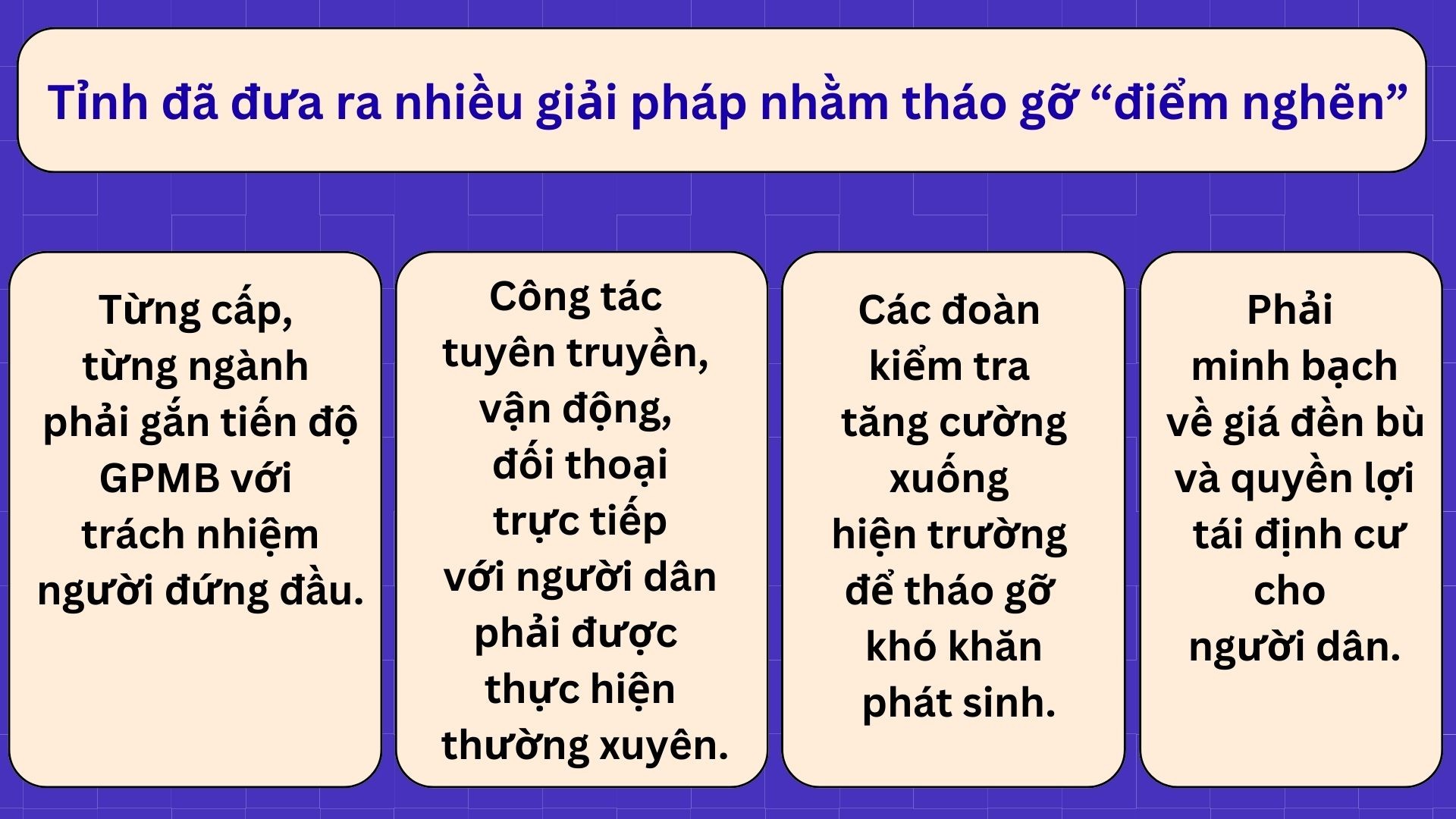
In the coming period, Lao Cai needs to continue improving its land database, applying digital technology in managing land clearance records, and mobilizing the Fatherland Front and socio-political organizations to participate in disseminating information and persuading people. These are crucial factors in resolving outstanding issues and minimizing complaints.
Land clearance is not just a technical step in the investment process, but also a measure of the government's management capacity, consensus strength, and operational efficiency. Once this "bottleneck" is removed, key projects will be able to be completed on schedule, creating momentum to boost trade, socio-economic development, and contributing to the province's growth targets for 2025 and subsequent periods.
Source: https://baolaocai.vn/diem-nghen-keo-cham-tien-do-cac-du-an-trong-diem-post888456.html

![[Photo] The captivating scenery of the fragrant maple forest in Quang Tri](/_next/image?url=https%3A%2F%2Fvphoto.vietnam.vn%2Fthumb%2F1200x675%2Fvietnam%2Fresource%2FIMAGE%2F2025%2F12%2F10%2F1765353233198_lan09046-jpg.webp&w=3840&q=75)


![[Photo] Explore the US Navy's USS Robert Smalls warship](/_next/image?url=https%3A%2F%2Fvphoto.vietnam.vn%2Fthumb%2F1200x675%2Fvietnam%2Fresource%2FIMAGE%2F2025%2F12%2F10%2F1765341533272_11212121-8303-jpg.webp&w=3840&q=75)




















![[Video] The craft of making Dong Ho folk paintings has been inscribed by UNESCO on the List of Crafts in Need of Urgent Safeguarding.](https://vphoto.vietnam.vn/thumb/402x226/vietnam/resource/IMAGE/2025/12/10/1765350246533_tranh-dong-ho-734-jpg.webp)

































































Comment (0)