

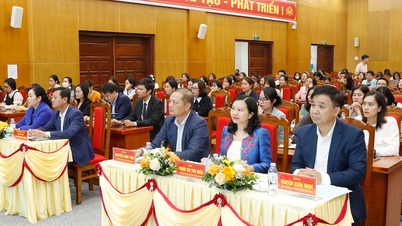
Speaking at the forum "Domestic Trade Development Policy" on the afternoon of October 28th, within the framework of the Autumn Fair 2025, Mr. Bui Nguyen Anh Tuan - Deputy Director of the Department of Domestic Market Management and Development ( Ministry of Industry and Trade ) emphasized the crucial role of the domestic market in a period of significant global economic volatility.
"The domestic market has been and continues to be a crucial pillar and a solid foundation for the sustainable development of the Vietnamese economy ," Mr. Tuan affirmed.
However, in the context of deep globalization, developing the domestic market is not only about protecting domestic production, but also about enhancing competitiveness and creating products and services that meet international standards.
Mr. Tuan believes that Vietnam needs to make the most of free trade agreements (FTAs) to bring Vietnamese goods to a wider market, while also welcoming high-quality goods from around the world , contributing to enriching the domestic market.
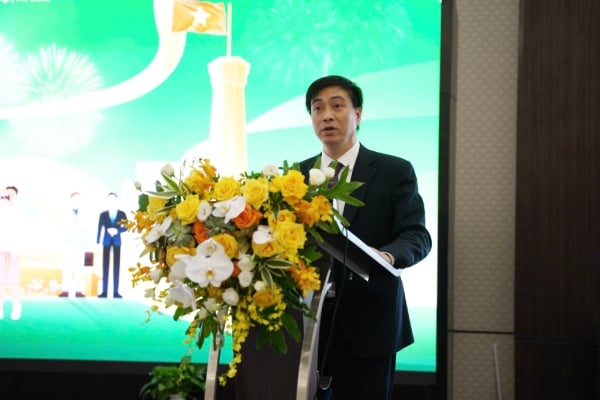
"The domestic market is not only a place for consuming products, but also an important driving force for promoting production, creating jobs, and ensuring social security," said the Deputy Director of the Department of Domestic Market Management and Development.
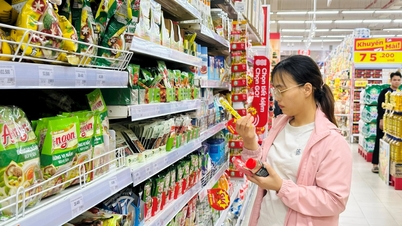
Referring to the retail landscape, Ms. Tran Thi Phuong Lan - Vice President of the Vietnam Retailers Association - said that although the consumer market shows positive signs, businesses still face many difficulties. Consumer demand remains weak, people are tightening their spending, while competition between domestic and foreign brands is becoming increasingly fierce.
Inflation, rising input costs, volatile supply chains, and the boom in e-commerce make maintaining profitability a challenging task. Furthermore, a shortage of professional management personnel, incomplete logistics infrastructure, and a lack of a consistent legal framework are hindering the growth of the retail sector.
Ms. Lan emphasized that for the Vietnamese retail market to "break through," a more favorable investment and business environment is needed. Accordingly, policies should focus on improving institutions, reforming administrative procedures, developing retail and e-commerce infrastructure, and providing financial, human resource, and technological support to domestic businesses.
"We need to enhance our competitiveness, proactively integrate and anticipate new consumer trends, while building technical barriers to protect the domestic market and strengthening transaction management on major e-commerce platforms," Ms. Lan proposed.
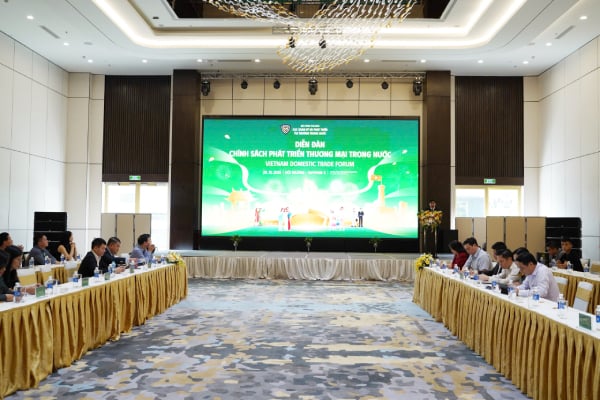
From a business perspective, Mr. Nguyen Hong Long, General Director of Proton Co., Ltd., shared practical experience from 15 years of investing in and operating wholesale markets. According to Mr. Long, a market is not just a simple commercial infrastructure, but an "ecosystem connecting production - distribution - logistics - culture - people".
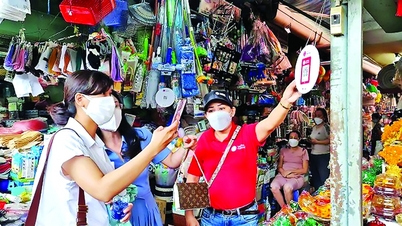
Based on that understanding, Proton has developed a "Multi-Value Wholesale Market" model, comprising four main components: trade and supply chain with modern infrastructure; culture, arts, and cuisine; tourism and community education; and technology and sustainable development. This model is currently being implemented at the Dau Giay Wholesale Market (Dong Nai province), covering 7 hectares, with over 216 traders and handling more than 600 tons of agricultural products daily.
Based on practical implementation, Proton Company proposes incorporating the "Multi-Value Wholesale Market" model into the national trade infrastructure plan for the period 2026–2035. It also recommends strengthening public-private partnerships (PPP) to invest in and operate modern wholesale markets integrated with logistics, culture, and tourism. Furthermore, it suggests organizing a regular "Vietnamese Agricultural Products and Culture Week" at inter-regional wholesale markets to promote products and celebrate the culture of Vietnamese traders.
Meanwhile, representatives from the Vietnam Association for Consumer Goods Development (VACOD) expressed their hope that the Government, ministries, and localities would continue to support businesses in accessing feasible mechanisms and policies to promote domestic trade growth drivers such as technological innovation, stimulating consumer demand, reducing VAT, connecting supply and demand, and increasing people's income.
Developing the domestic market aims not only to expand its scale but also to transform the growth model towards a modern, inclusive, and sustainable direction. With close coordination between regulatory agencies, associations, and the business community, Vietnam's domestic market is expected to make a strong breakthrough in the coming years, becoming a solid foundation for an independent, self-reliant, and deeply integrated economy.
Source: https://doanhnghiepvn.vn/kinh-te/dot-pha-chinh-sach-va-kinh-doanh-sang-tao-de-ben-vung-thi-truong-noi-dia/20251028052249716
















































































Comment (0)