

To proactively protect young children from disease before they reach the age for vaccination, mothers can get the combined tetanus-diphtheria-pertussis (Tdap) vaccine during pregnancy.
At this time last year, Hanoi had not recorded any cases of whooping cough, but this year, the number of children infected has exceeded 100. The number of children with whooping cough has also increased in many other localities.
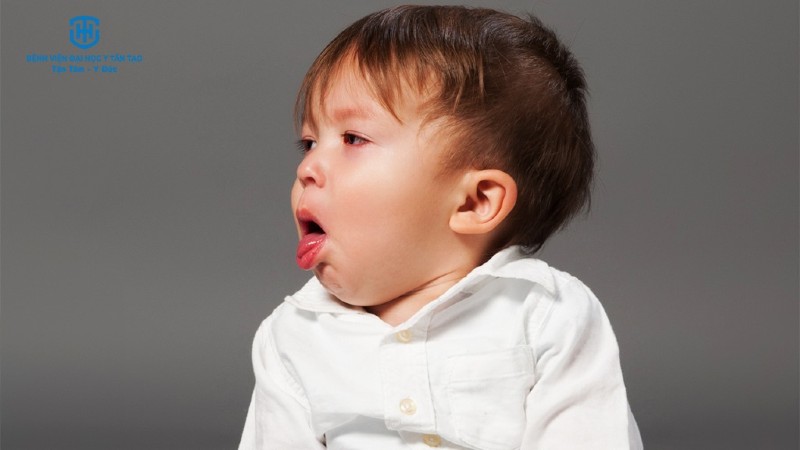 |
| To proactively protect young children from disease before they reach the age for vaccination, mothers can get the combined tetanus-diphtheria-pertussis (Tdap) vaccine during pregnancy. |
According to the Hanoi Center for Disease Control (CDC), 116 cases of whooping cough have been recorded since the beginning of 2024. This is an unusual increase, as no cases were recorded during the same period in 2023.
Cases are currently being recorded sporadically, mainly concentrated in young children who are not yet old enough to be vaccinated or have not received all the doses of the pertussis-containing vaccine.
According to Dr. Nguyen Van Lam, Director of the Center for Tropical Diseases at the National Children's Hospital, whooping cough has symptoms that are easily confused with other respiratory illnesses, especially in infants and young children. Worryingly, this is an acute infectious disease with a high rate of transmission and a long incubation period.
Some dangerous complications that can occur in children with whooping cough include severe pneumonia, a common respiratory complication, especially in infants and malnourished children; and encephalitis, which has a high mortality rate…
Children with whooping cough may also experience complications such as: intestinal obstruction, hernia, rectal prolapse; in severe cases, alveolar rupture, mediastinal emphysema or pneumothorax; retinal and conjunctival hemorrhage, electrolyte imbalance, secondary bacterial infections… Therefore, early detection and treatment of the disease's signs are crucial.
Symptoms of whooping cough usually appear within 7-10 days after infection. Most severe cases occur in children under 2 years old, especially those under 12 months old. It's important to note that adults with whooping cough often experience mild symptoms, leading to complacency and making them a major source of infection for young children in the household.
Children are particularly susceptible to whooping cough, especially those under 1 year old, because their immune systems are not yet fully developed, leading to a higher risk of death.
In the group of infants who are not yet old enough to be vaccinated (under 2 months), babies rely on antibodies from their mothers. Infants born to vaccinated mothers have a 91% reduced risk of contracting pertussis in the first few months of life compared to infants whose mothers were not vaccinated.
According to Dr. Nguyen Tuan Hai of the Safpo/Potec Vaccination System, vaccination is the most important measure to protect children's health in preventing whooping cough.
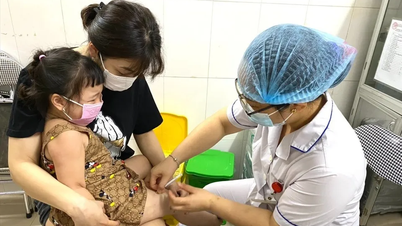
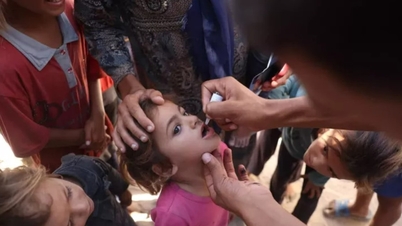
To proactively prevent the disease, parents should ensure their children receive all pertussis vaccinations on schedule: First dose: At 2 months of age. Second dose: One month after the first dose. Third dose: One month after the second dose. Fourth dose: When the child is 18 months old.
Children born to mothers who do not have antibodies against whooping cough are at a higher risk of contracting the disease compared to children who receive antibodies from their mothers.
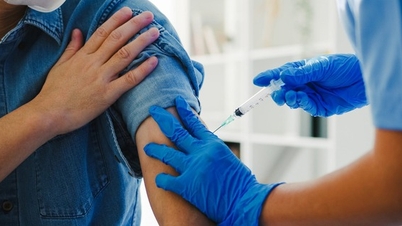
To proactively protect young children from disease before they reach the age for vaccination, mothers can get the combined tetanus-diphtheria-pertussis (Tdap) vaccine during pregnancy.
In parallel, it is necessary to implement other measures such as frequently washing hands with soap, covering the mouth when coughing or sneezing; maintaining daily personal hygiene, including nasal and throat hygiene for children; ensuring that homes, nurseries, and classrooms are well-ventilated, clean, and have sufficient light; limiting children's exposure to crowded places and avoiding contact with people with respiratory illnesses, especially those with whooping cough.
Parents need to differentiate between whooping cough and a common cough to take their children to the hospital promptly. If whooping cough is suspected or if any of the symptoms appear, such as frequent coughing fits, redness or cyanosis of the face during coughing, prolonged coughing spells; poor appetite, frequent vomiting; sleeplessness; rapid/difficulty breathing, the child should be taken to the hospital for examination, diagnosis, and early treatment.
According to Dr. Bui Thu Phuong, Specialist in Pediatrics, Central Military Hospital 108, children with whooping cough need to rest in a quiet, dimly lit, comfortable room, avoiding anxiety and environments with risk factors such as cigarette smoke, dust, noise, and many irritants.
Divide meals into smaller portions for children, avoiding too many large meals a day. Closely monitor children's coughs, and provide adequate oxygen and a suction device when necessary.
Antibiotics: Need to be given early. Indicated when pertussis is suspected or confirmed in children under 1 month of age within 6 weeks of the onset of cough, and in children over 1 year of age within 3 weeks of the onset of cough.
Erythromycin, clarithromycin, or azithromycin can be used for children over 1 month old. For infants under 1 month old, only azithromycin should be used.
Other treatments include: Corticosteroids are generally not recommended; generic IVIGs that do not contain specific antibodies are not indicated for whooping cough…
Treatment of respiratory failure: Patients should be given oxygen when they show signs of respiratory failure such as tachypnea, labored breathing, cyanosis, and SpO2 below 92% when breathing ambient air. Endotracheal intubation and early respiratory support should be provided when there are signs of severe respiratory failure and/or signs of circulatory failure.
Treatment for pulmonary hypertension, blood transfusion, or extracorporeal membrane oxygenation (ECMO): Indicated and performed in specialized medical facilities with the capacity for close care and monitoring of children.
Isolation: Hospitalized children should receive standard precautions, including respiratory infection prevention measures, for at least 5 days after starting antibiotic treatment. Children should be isolated for 3-4 weeks to minimize the risk of infection, reduce stress on the child, and avoid concerns about spreading the illness to family members.
In addition, post-exposure prophylaxis with antibiotics is needed for family members in close contact with the child and caregivers of any age, vaccination history, and whether or not they have symptoms. Vaccination for close contacts should also be considered.
Source: https://baodautu.vn/ho-ga-tang-cao-khuyen-cao-bien-phap-phong-benh-d219973.html


![[Image] Close-up of the newly discovered "sacred road" at My Son Sanctuary](/_next/image?url=https%3A%2F%2Fvphoto.vietnam.vn%2Fthumb%2F1200x675%2Fvietnam%2Fresource%2FIMAGE%2F2025%2F12%2F13%2F1765587881240_ndo_br_ms5-jpg.webp&w=3840&q=75)











































































Comment (0)