

The heartfelt concerns of the artisans.
Meticulously crafting an elephant figurine next to her traditional longhouse, artisan H'Huyên BHôk (49 years old) paused to invite us inside to learn about the ancient Yang Tao pottery craft. At the foot of the longhouse, figurines such as elephants, pigs, and vases were being dried in the winter sun. "In my village, there are only a few artisans left who make Yang Tao pottery, and they're all getting old. If you count artisans who can make Yang Tao pottery, I'm the youngest," said H'Huyên BHôk.
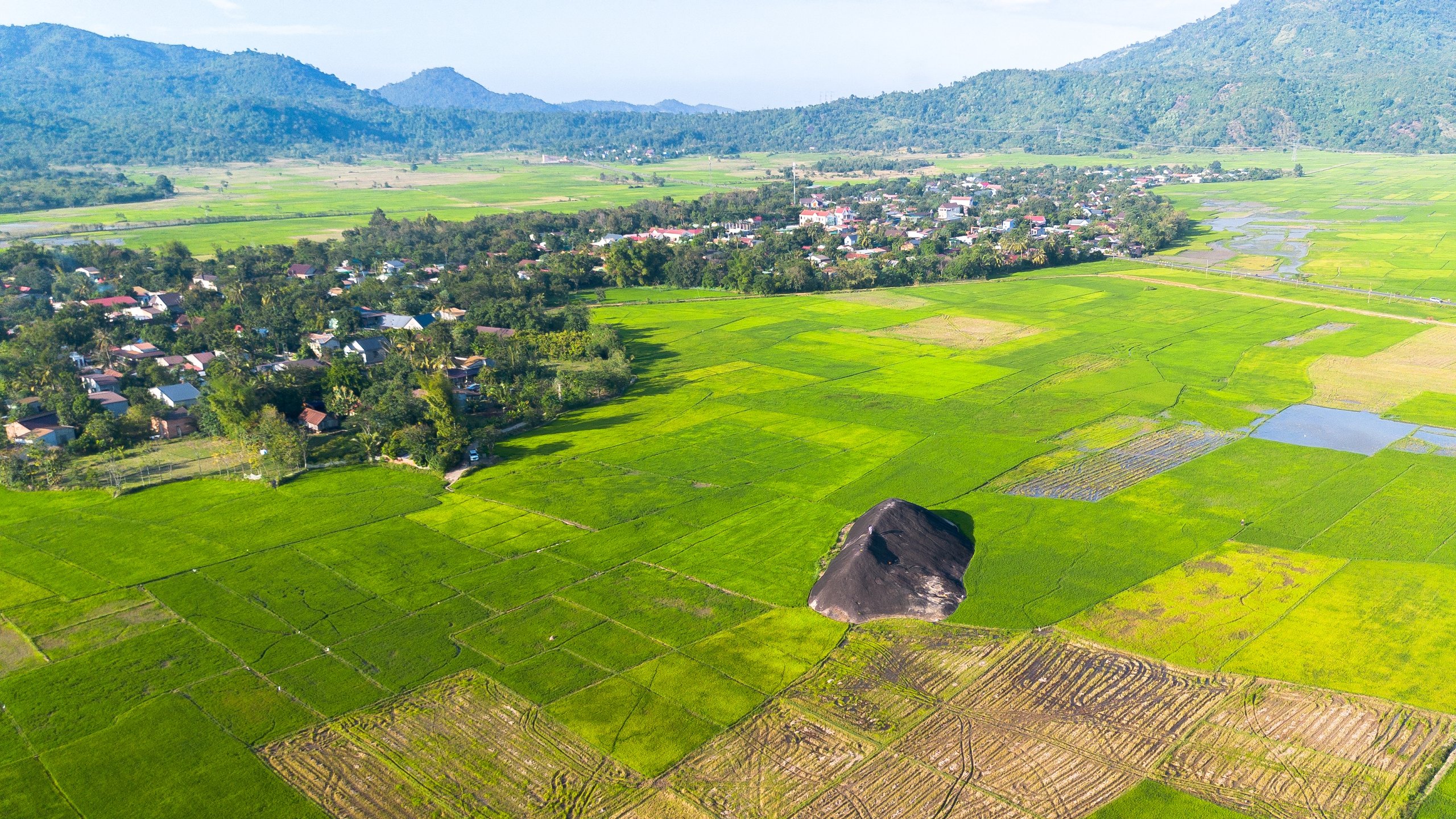
Yang Tao Ancient Pottery Village
According to Ms. H'Huyen BHok, her great-grandmother told her that in the old days, people in the village didn't have everyday utensils like bowls and plates; they only used banana leaves to hold rice. From there, the villagers thought creatively, searching for clay to mold the first bowl, successfully firing it, and then continuing to make larger items like earthenware water containers and rice jars. At that time, people in the village learned from each other and created their own utensils for household use.
"To show gratitude and respect to the elders, the initiator established many rules for making Yang Tao pottery. Those who violated the rules would be reprimanded by the elders," Ms. H'Huyen BHok recounted, adding, "In the past, only women made pottery; men in the village were not allowed to do it due to the matriarchal system. The age at which girls could make pottery had to be 17 or 18 years old, and they had to be unmarried. Before going to collect clay, girls were not allowed to have contact with boys, and it had to coincide with their menstrual cycle. If they violated this rule, their hands and feet would tremble, and they wouldn't be able to find their way home."
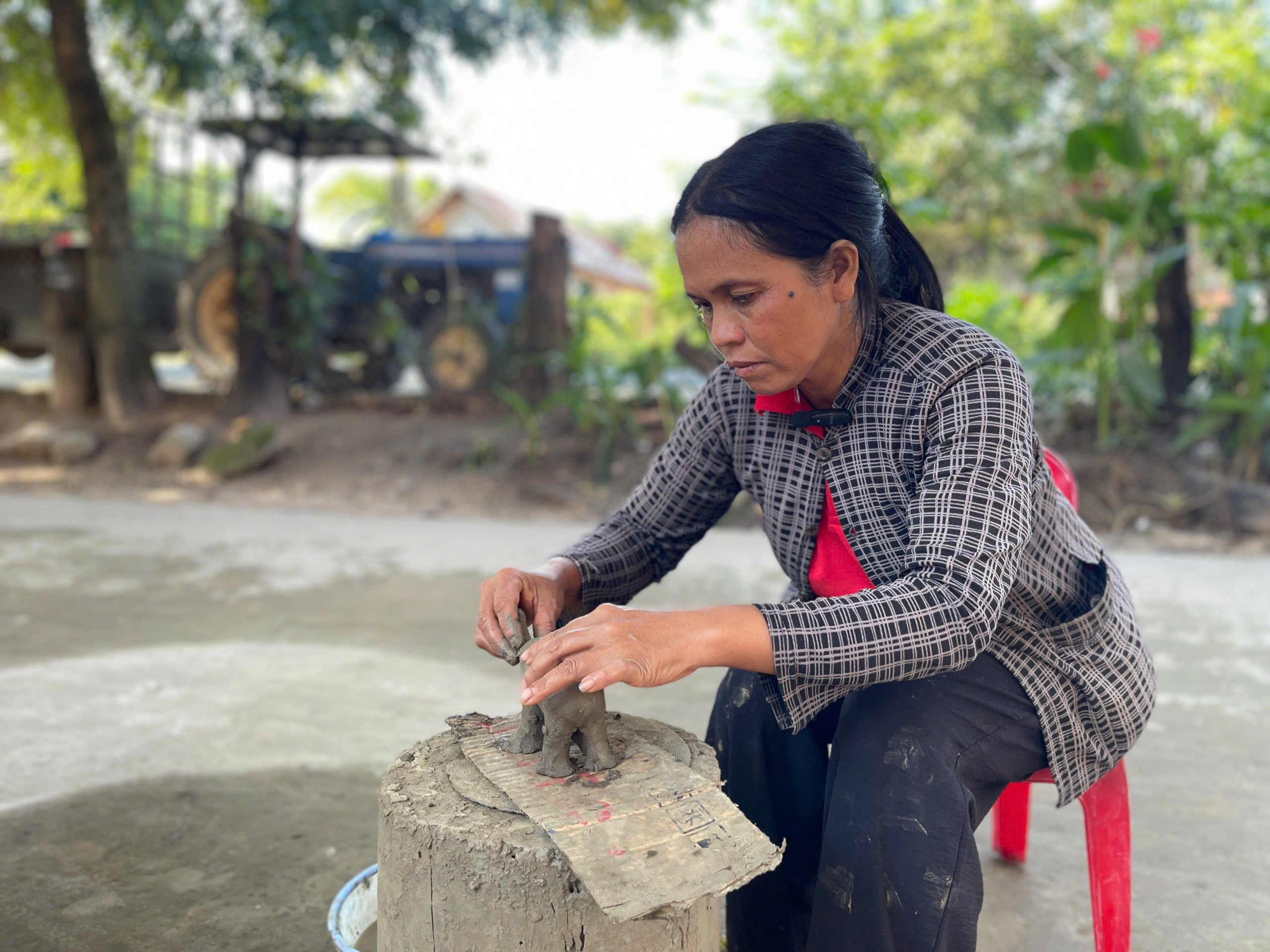
Artist H'Huyen is creating an elephant figure out of clay.
Artisan H'Lưm Uông (63 years old), who lives next door and taught H'Huyên BHôk pottery, has just returned from the hospital. Her limbs are still weak due to a stroke (in June 2024), but the longing for her craft is still deeply etched in her eyes. "Being like this, my mother misses her craft very much; her hands and feet are constantly uncomfortable. Every day, she can only sit in the longhouse watching H'Huyên BHôk make pottery, hoping to recover quickly so she can continue making pottery like before. Since the 1990s, modern bowls and plates have come from elsewhere, so only a few people in this village still make pottery…," H'Lưm Uông shared.
With a somber tone, artisans H'Huyen BHok and H'Lum Uong recounted that about a dozen years ago, while selling Yang Tao pottery in Cu Mgar District ( Dak Lak ), the vehicle carrying them unfortunately overturned in the middle of a mountain pass. H'Huyen BHok suffered a head injury, thankfully not life-threatening. However, from that incident, the villagers stopped selling pottery far away (for fear of accidents) and instead focused on making household items. Then, following the trend of development, handcrafted pottery could not compete with industrial pottery, so the number of pottery makers in the village gradually decreased, with only 5-6 people still practicing the craft today.
Reviving the ancient pottery village.
In 2008, Ms. Luong Thanh Son (former Director of the Dak Lak Museum) visited the Dong Bac hamlet (Yang Tao commune, Lak district) to encourage and support the local people in preserving the ancient pottery craft. The artisans and traditional pottery makers in Yang Tao always remember that without Dr. Luong Thanh Son, the pottery craft would have disappeared.
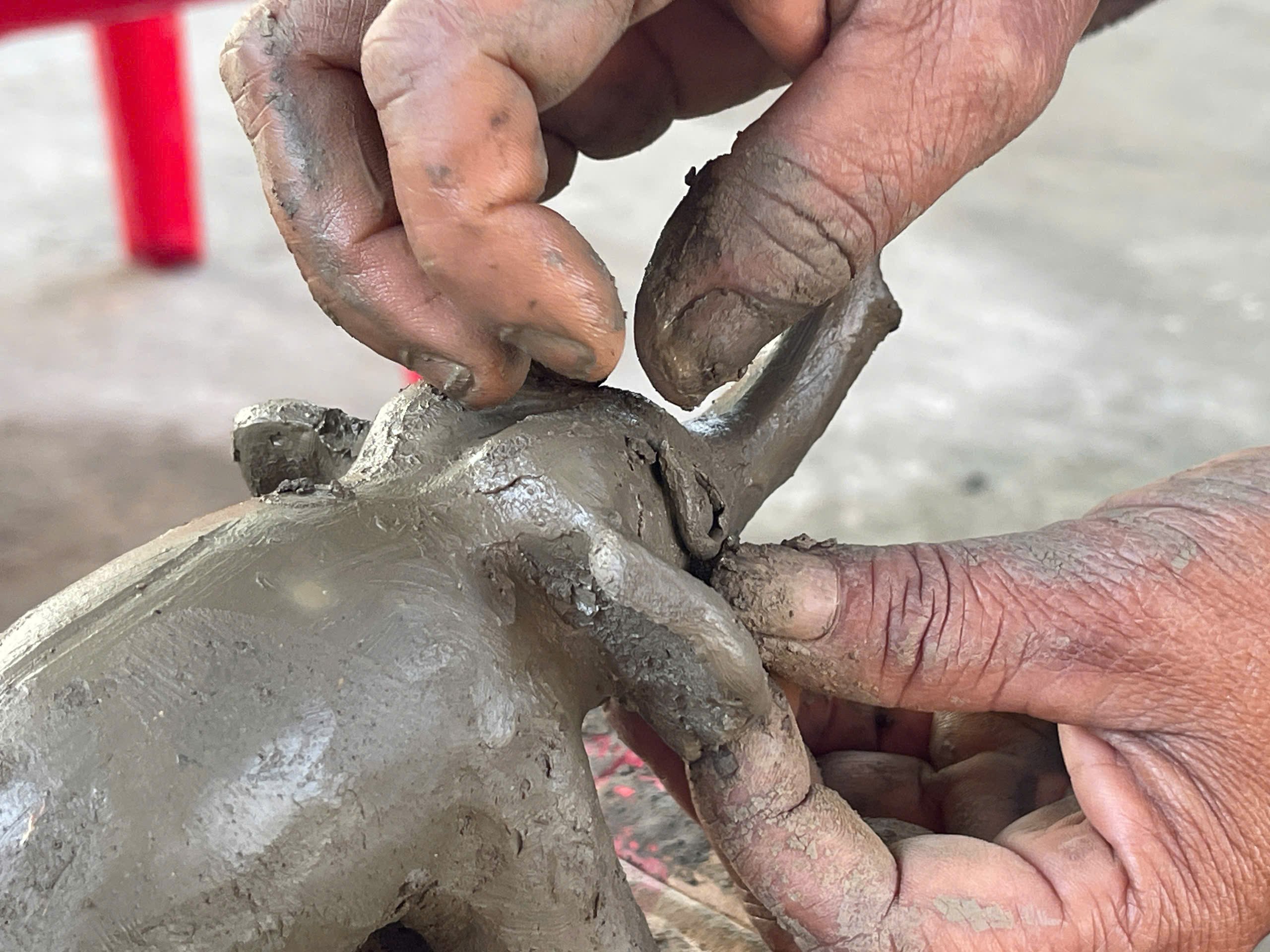
Ancient Yang Tao pottery has a distinctive black color.
Ms. Son said that before 2008, she had researched and proposed projects to revive traditional craft villages of the Ede and M'nong people in Dak Lak province. Among these, she secured funding for a project to restore the pottery-making craft of the M'nong people in Dong Bak hamlet (Yang Tao commune, Lak district). At that time, the hamlet had a traditional pottery-making class with about 15-20 people, including three artisans known as the "golden hands" of the locality.
"Through my time working in cultural affairs and being close to the people in the villages, what I'm most concerned about now is how to create a source of income and a market for the Yang Tao pottery products of the local people. Lak District is a famous tourist area of Dak Lak province, especially the Lak Lake tourist area, which is the basis for developing the ancient Yang Tao pottery products to reach tourists from all over," Ms. Son said.
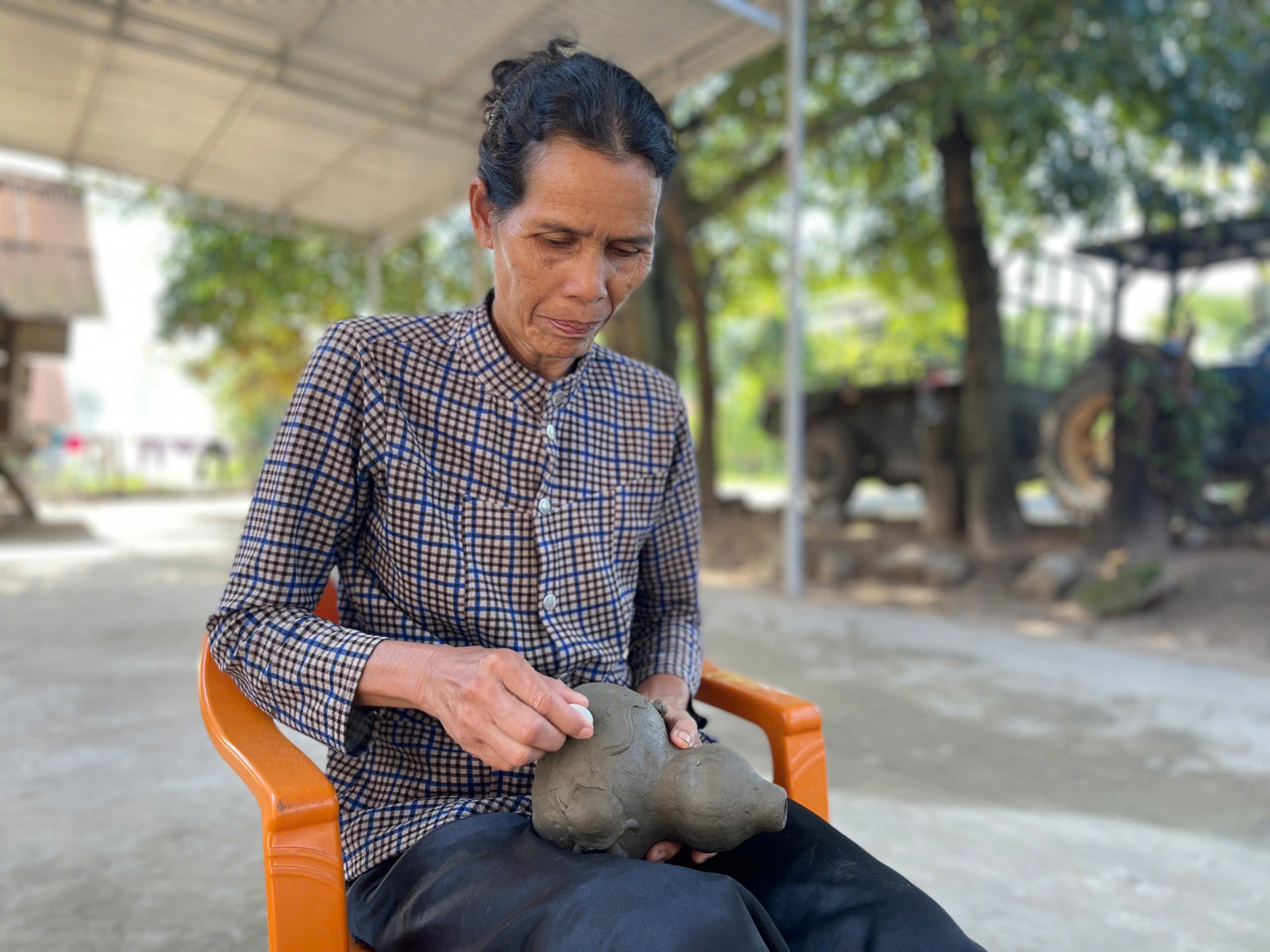
The decision to declare the pottery-making craft of the M'nong people in Yang Tao commune as a national intangible cultural heritage is an important basis for the revival of ancient Yang Tao pottery.
Ms. Son added that, according to information from a Belgian researcher she mentored, the ancient Yang Tao pottery is now on display at the British Museum. During a recent visit to Dơng Bắc, the artisans (now elderly but with tireless hands) proudly told her that Yang Tao pottery has been sought after by tourists from travel companies visiting the area. This has also generated significant income for the villagers, helping them maintain their craft.
Speaking to Thanh Nien newspaper , the Dak Lak Department of Culture, Sports and Tourism said that the Ministry of Culture, Sports and Tourism has just issued a Decision announcing the list of national intangible cultural heritage for the pottery making craft of the M'nong people in Yang Tao commune (Lak district, Dak Lak). This will be an important basis for the revival of ancient Yang Tao pottery.
Source: https://thanhnien.vn/hoi-sinh-gom-co-yang-tao-185250210151758621.htm



![[Photo] National Assembly Chairman Tran Thanh Man working with the Standing Committee of the Law and Justice Committee](https://vphoto.vietnam.vn/thumb/1200x675/vietnam/resource/IMAGE/2026/05/21/1779378929214_ndo_br_1-4610-jpg.webp)
![[Photo] General Secretary and President To Lam presides over a working session with the Central Policy and Strategy Committee on the development of the materials industry.](https://vphoto.vietnam.vn/thumb/1200x675/vietnam/resource/IMAGE/2026/05/21/1779359935432_a3-bnd-3129-1412-jpg.webp)











![[Infographic] What procedures can citizens perform using VNeID?](https://vphoto.vietnam.vn/thumb/402x226/vietnam/resource/IMAGE/2026/05/22/1779406743893_ang-ky-bien-ong-quyen-su-dung-at-cap-oi-cap-lai-gplx-64102334643904941287555-19074442750124617066629.webp)































































Comment (0)