

On January 24th, the latest update from the National Center for Meteorological and Hydrological Forecasting stated that the lowest temperatures today in the Northern and North Central regions have decreased compared to yesterday.
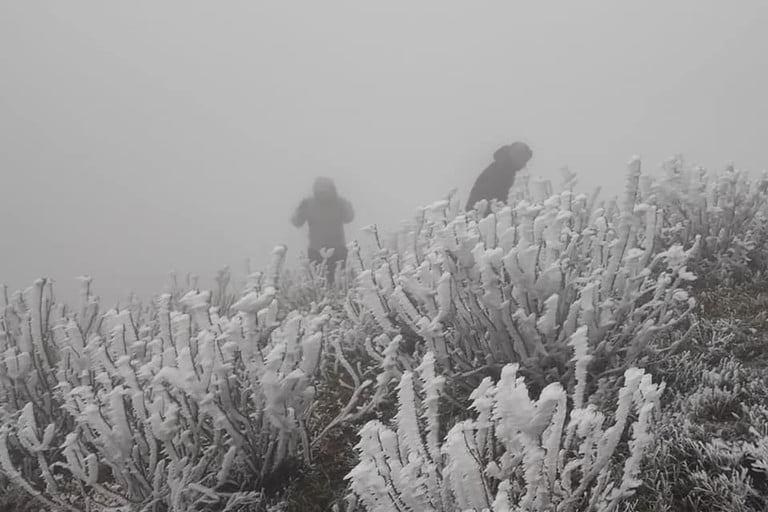
Specifically, at Mau Son (Lang Son), the temperature dropped to -2.9 degrees Celsius, and frost covered the mountaintop. In addition, some mountainous areas in the North also experienced temperatures around 1-3 degrees Celsius, such as Tam Dao (Vinh Phuc) at 1.5 degrees; Dong Van ( Ha Giang ) at 1.6 degrees; Sa Pa (Lao Cai) at 2.6 degrees; Trung Khanh (Cao Bang) at 3.1 degrees; Moc Chau (Son La) at 3.2 degrees;...
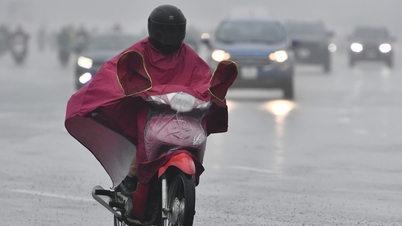
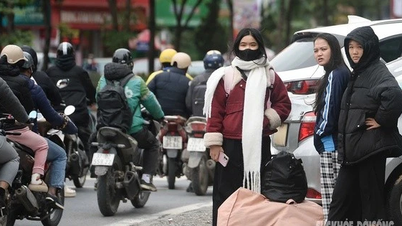
Provinces and cities in the delta region are experiencing a deep freeze, with the lowest temperatures in many places not exceeding 10 degrees Celsius. For example, Hanoi is only around 9 degrees Celsius, with some areas reaching 8.5-8.6 degrees (9.9 degrees on January 23rd); similarly, Hai Phong, Quang Ninh, Hai Duong, Hung Yen, Nam Dinh, Thai Binh , and Ha Nam are all around 8-9 degrees Celsius. Thanh Hoa, Nghe An, and Ha Tinh provinces are fluctuating between 9-11 degrees Celsius.
Meteorological experts predict that these temperatures have dropped to their lowest levels since the beginning of the 2023-2024 winter season.
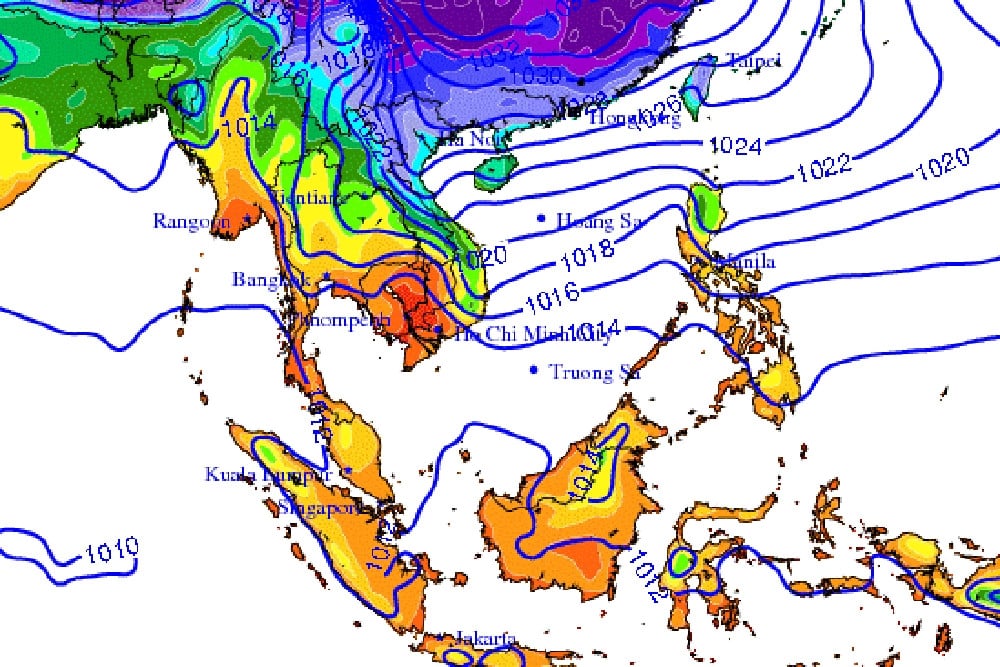
Throughout today and tonight, the strong cold air mass will continue to cause severe cold weather across the entire northern region, Thanh Hoa and Nghe An; intensely cold and frosty weather in Ha Tinh and Thua Thien Hue; cold weather in the Central Central region, with intensely cold temperatures in some northern areas.
The meteorological agency predicts that the widespread severe cold spell in Northern and North Central Vietnam may last until around January 28th; snowfall and frost are still possible in high mountainous areas.
According to Dr. Hoang Phuc Lam, Deputy Director of the National Center for Meteorological and Hydrological Forecasting, with the current severe cold weather, daytime temperatures are not expected to rise above 20 degrees Celsius until after January 30th.
Dr. Lam also stated that from now until January 28th, temperatures both day and night will remain low, with very few periods of sunshine.
Specifically, from around January 26th, when the weather changes from severe cold to very cold, nighttime and early morning temperatures may only rise above 10 degrees; from January 28th, it could rise above 13 degrees, and from January 30th-31st, above 15 degrees.
Additionally, during today and tonight, the area from Ha Tinh to Khanh Hoa will experience rain and showers, with localized heavy rain and thunderstorms. During thunderstorms, there is a possibility of tornadoes, lightning, hail, and strong gusts of wind. Strong winds and high waves at sea may affect the operation of ships and other activities.
On January 23, the Prime Minister also signed and issued a directive to 31 provinces and cities and relevant ministries and agencies regarding proactive measures to prevent and combat prolonged severe cold weather.
At 6 AM on January 24th, Mau Son broke the record with -2.5 degrees Celsius, while Hanoi recorded 9.2 degrees Celsius.

How long will the record-breaking cold spell in northern Vietnam last, which began at the start of winter?

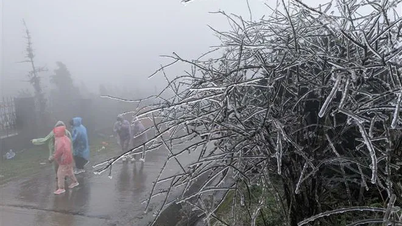
Images show frost covering the summit of Mau Son mountain in the biting cold wind.
Source

![[Image] Close-up of the newly discovered "sacred road" at My Son Sanctuary](/_next/image?url=https%3A%2F%2Fvphoto.vietnam.vn%2Fthumb%2F1200x675%2Fvietnam%2Fresource%2FIMAGE%2F2025%2F12%2F13%2F1765587881240_ndo_br_ms5-jpg.webp&w=3840&q=75)
























































































Comment (0)