The size of the anaconda has not changed for millions of years.
Despite the changing world, the giant python species still maintains an average length of about 5.2m, the mystery is still unclear as to why it does not shrink.
Báo Khoa học và Đời sống•07/12/2025
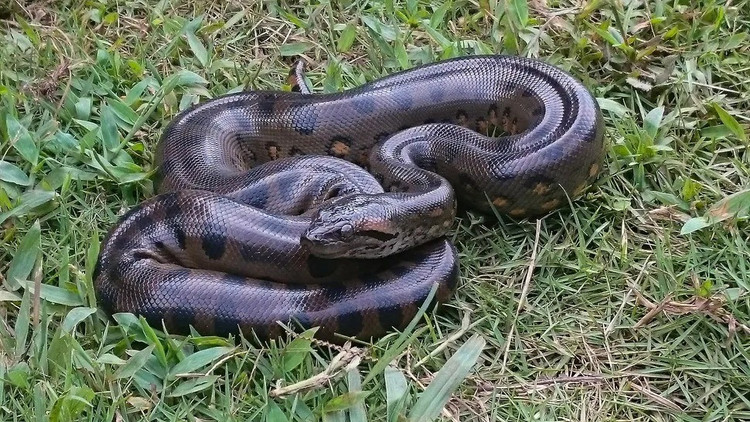
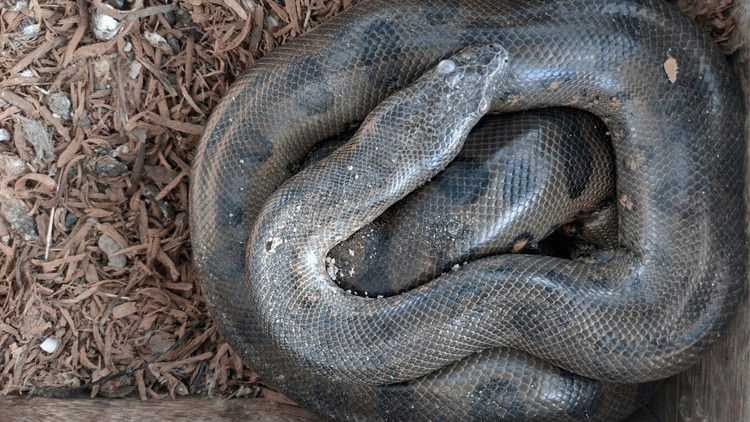
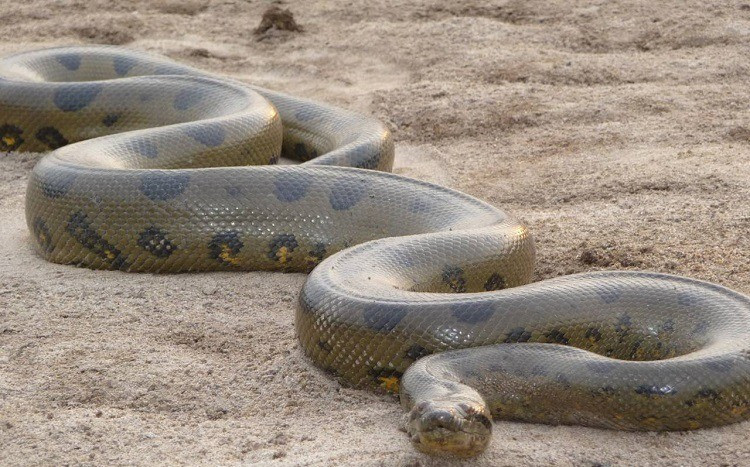
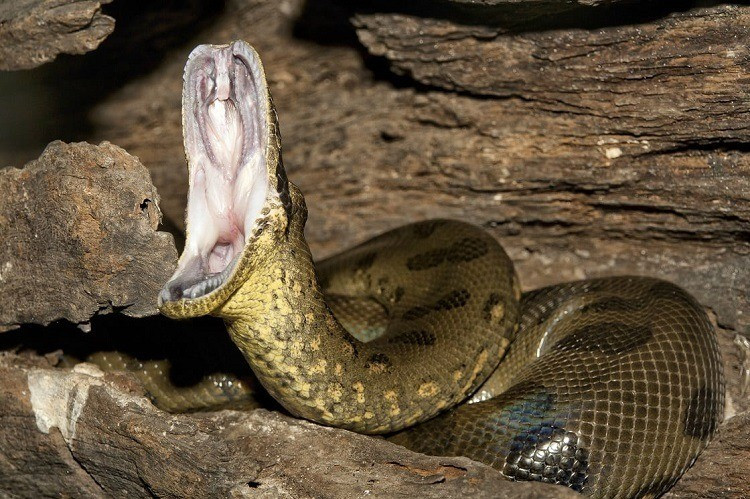
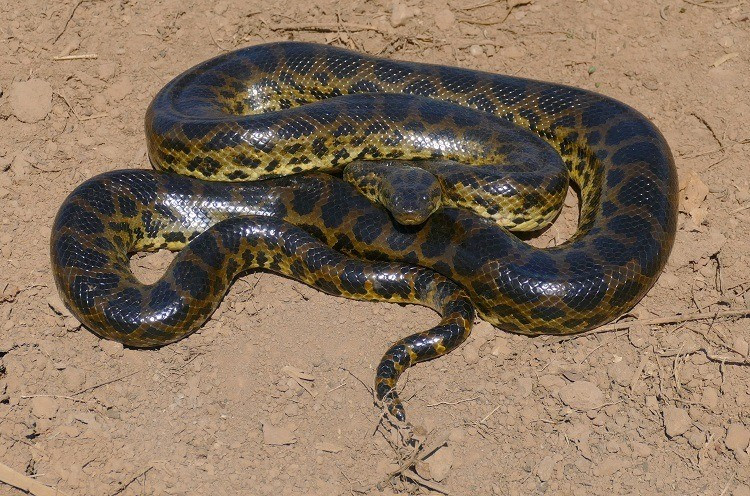
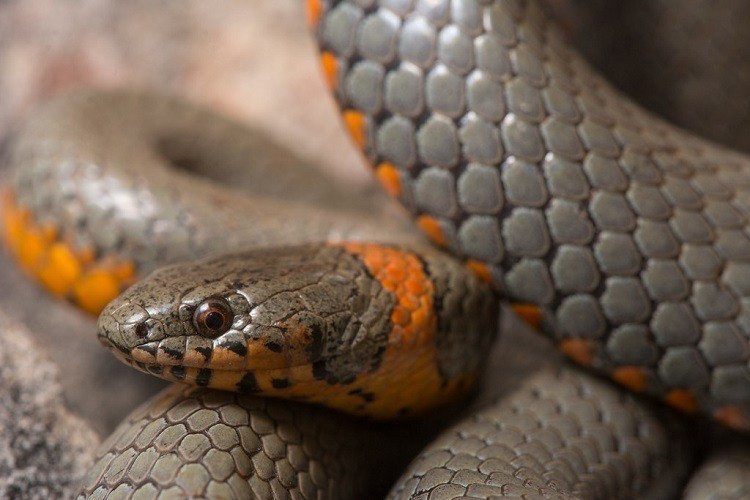
The anaconda reached its maximum size 12 million years ago and has remained that size to this day. Photo: Andres Alfonso-Rojas. Anacondas thrived even as falling temperatures and shrinking habitats drove many other giant reptiles to extinction millions of years ago. Photo: Jorge Carrillo-Briceño.
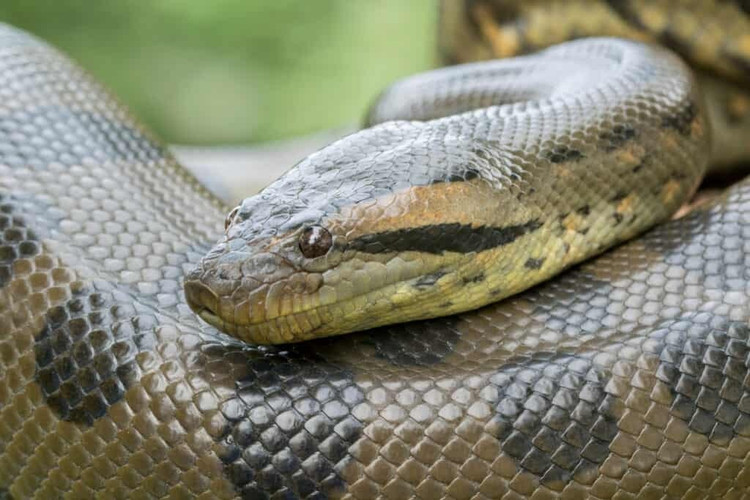
The average body size of giant anacondas has remained unchanged since they first appeared in the fossil record about 12.4 million years ago, during the Middle Miocene period (16 million to 11.6 million years ago), according to new research published on December 1. Photo: Chris Tefme/Shutterstock.com. Between 12.4 million and 5.3 million years ago, warm temperatures, vast wetlands and abundant food sources allowed many animals to grow much larger than their modern relatives. Yet few of these giants survive today. Photo: Gerard Lacz / Deposit Photos. Between 12.4 million and 5.3 million years ago, warm temperatures, vast wetlands and abundant food sources allowed many animals to grow much larger than their modern relatives. Yet few of these giants survive today. Photo: Gerard Lacz / Deposit Photos.
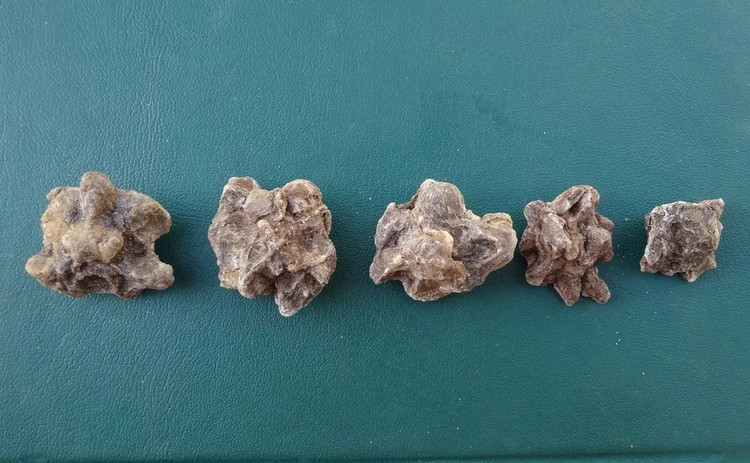
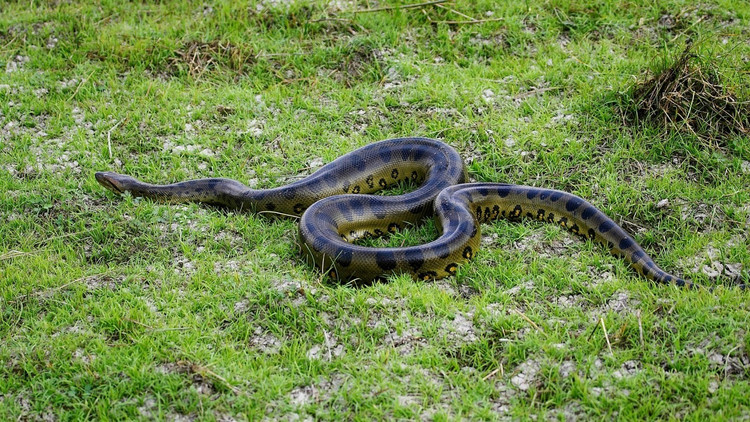
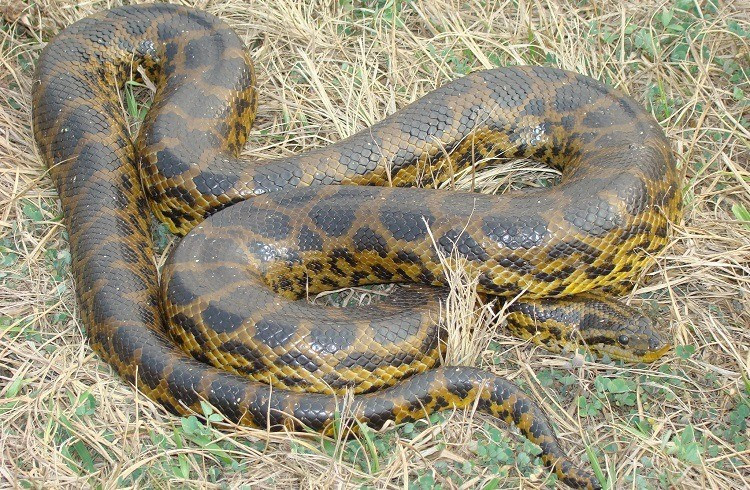
Anaconda is one of the largest snakes in the world . When fully grown, each individual can reach an average length of 4 - 5m and the largest Anaconda can be up to 7m long. Photo: worldanimalfoundation.org. Scientists are unsure whether anacondas grew larger during the Miocene period, but they remain enormous to this day. Photo: worldanimalfoundation.org. To reach this conclusion, Andrés and his colleagues examined 183 fossilized vertebrae from at least 32 anacondas collected in Venezuela. They also used a technique called ancestral state reconstruction to predict the body length of ancient anacondas based on the characteristics of related snakes. Photo: worldanimalfoundation.org.
Based on these calculations, the team found that anacondas averaged about 5.2m in length when they first appeared in the Miocene period 12 million years ago – roughly the same length as anacondas today. Photo: worldanimalfoundation.org. To this day, experts are still unclear as to why the Anaconda did not shrink in size over time like many other animals of its time. Photo: worldanimalfoundation.org.
Readers are invited to watch the video : Discovering many new species in the Mekong River Region. Source: THĐT1.

 Báo Khoa học và Đời sống•07/12/2025

![[Video] Producing high quality dried bamboo shoots using heat pump drying technology](https://vphoto.vietnam.vn/thumb/402x226/vietnam/resource/IMAGE/2025/12/08/1765155799525_avatar-of-video-1031232-png.webp)














































































Comment (0)