

While the cost of training to become an aerospace engineer is 5-6 billion VND, the salary of these officers when working at the Vietnam Space Center (Vietnam Academy of Science and Technology) is only about 5-8 million VND/month. This leads to waste of the State budget when engineers quit their jobs because their income is not enough to live on.
Dr. Le Xuan Huy, Deputy General Director of the Vietnam Space Center, had a conversation with VTC News Electronic Newspaper about this story.
- What are the criteria required for an aerospace officer/engineer doing research at the Vietnam Space Center, sir?
An officer or engineer working in the aerospace field must meet very specific requirements. This is an engineering field that requires almost absolute precision and discipline because the final product is not only complex but also has to operate in the harsh environment of space.
Once launched into orbit, the satellite is completely irreversible. The entire system is activated only once and must operate reliably throughout its lifetime. Therefore, every detail must be designed, tested and validated with a very high level of reliability.
The workload of this industry is large and lasts for many years. Therefore, to have an engineer who is capable of actively taking on design or subsystem management, it usually takes 5-7 years of training and practical experience.
A new engineer must undergo approximately two years of additional training to be able to participate independently in the work chain. Even experienced professionals moving into a new field need at least six months to become familiar with the technical requirements and specific processes.
Many of them are trained with state funding or international cooperation programs, so when they leave the industry, the loss is not only in human resources but also in costs and accumulated time.
Given this characteristic, paying low wages leading to loss of human resources is essentially a form of wasted investment. Wage policy in the space industry needs to be seen as a form of long-term strategic investment, to maintain the capacity to design, manufacture and master national technology, not just a short-term cost for human resources.
- What temporary solutions does the Vietnam Space Center have to retain scientists who are passionate about the aerospace field?
The income of officers and engineers in the aerospace field today depends largely on the type of funding for the project. If the satellite is developed with investment capital, this funding is only allowed to be spent on purchasing equipment, building infrastructure, hiring experts and training, without any part of paying salaries or additional income for officers directly involved.
In this case, your income consists almost exclusively of basic salary and overtime, a maximum of about 200 hours per year, which is very small compared to the volume and intensity of work.
For satellite research and development tasks carried out with science and technology funds, especially ministerial or state-level projects, staff can receive remuneration according to the norms prescribed in current circulars. This is the most significant source of non-salary income for researchers, but clearly not a stable source.
Depending on the progress of project approval and acceptance causes income to fluctuate periodically, making it difficult to create sustainability, especially for young engineers who are in the process of stabilizing their lives.
In addition, some staff can teach at universities, guide interns or participate in international cooperation to earn extra income. However, these are all irregular sources of income.
When the main income is not guaranteed, many people are forced to find additional jobs outside to maintain family life. This causes time and focus on the main task to be dispersed, while satellite development work requires a very high intensity and concentration. If the work outside the profession is not related to space engineering, the specialized skills of the engineer will also gradually be lost.
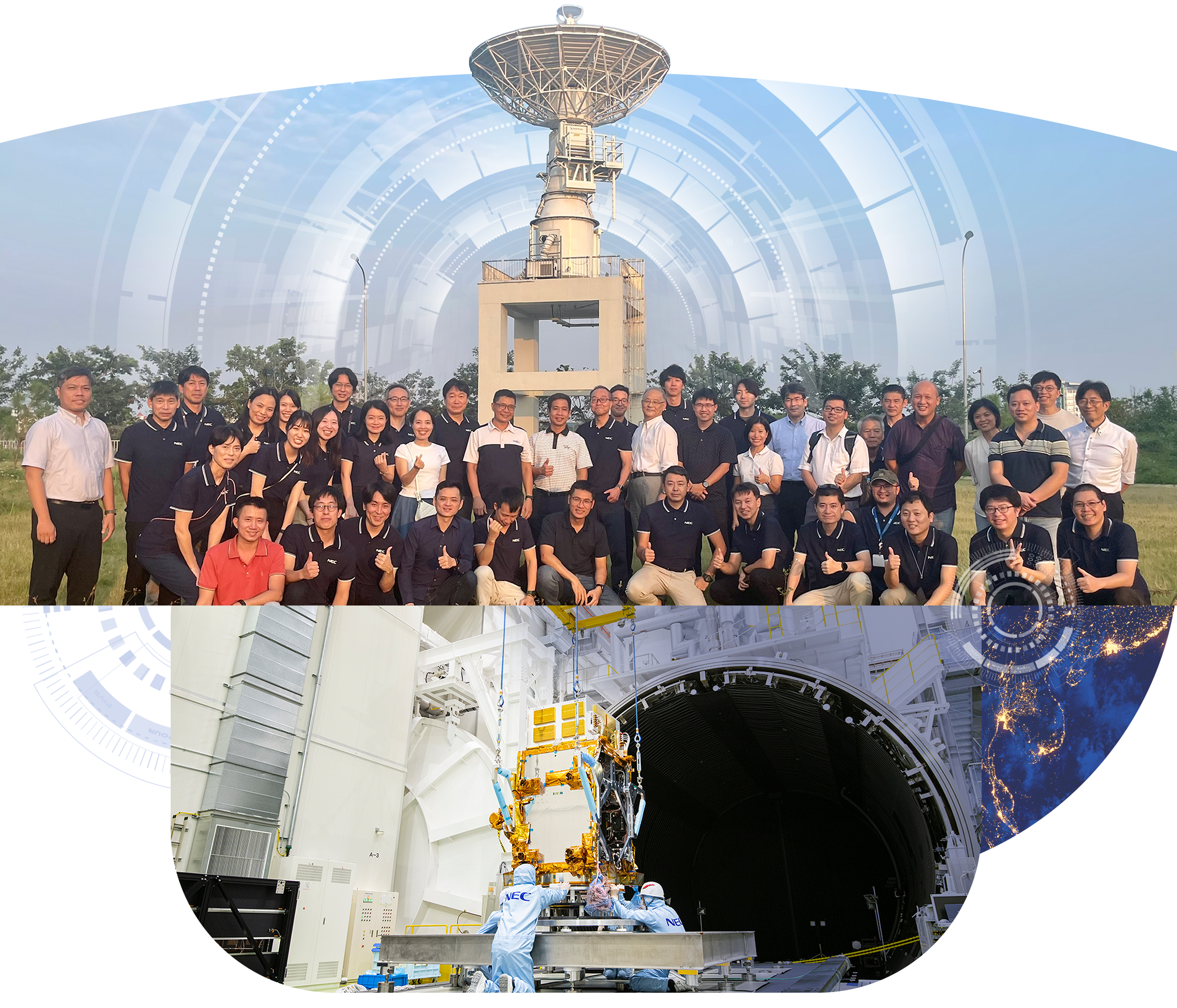
Generations of staff of Vietnam Space Center.
- Previously, what proposals did the unit have on salary reform?
Over the years, the Vietnam Space Center has repeatedly sought and wished to improve the salary mechanism for its research staff, especially in the process of orienting its operations to the Hoa Lac High-Tech Park.
However, at that time, the Government started to implement the Job Position Project to unify the salary system in the public sector. Therefore, we expected to be resolved within the general framework of the Project.
In fact, up to now, the Job Position Project has not been implemented synchronously, leading to no progress in improving income for researchers in specific fields, including aerospace.
We also realize that this difficulty is not unique to the Vietnam Space Center, but is a common situation for many professions in the public sector, especially those in deep technical research.
During the past period, the Center has tried to discuss and propose through various channels about the specific income mechanism for the high-tech sector, but has not received any specific responses. However, we understand that this is a complicated issue, related to many agencies and the general financial policy of the State.
The Center is therefore still trying to "save itself" by expanding international cooperation, exploiting data services, training and transferring technology to create more revenue, contributing to improving the lives of staff.
However, in the long run, this is still a problem beyond the capacity of a public service unit to solve. We expect that with the promulgation of Resolution 57 and the revised Law on Science and Technology, the State will soon have a specific pilot mechanism for research units in strategic technology fields such as aerospace.
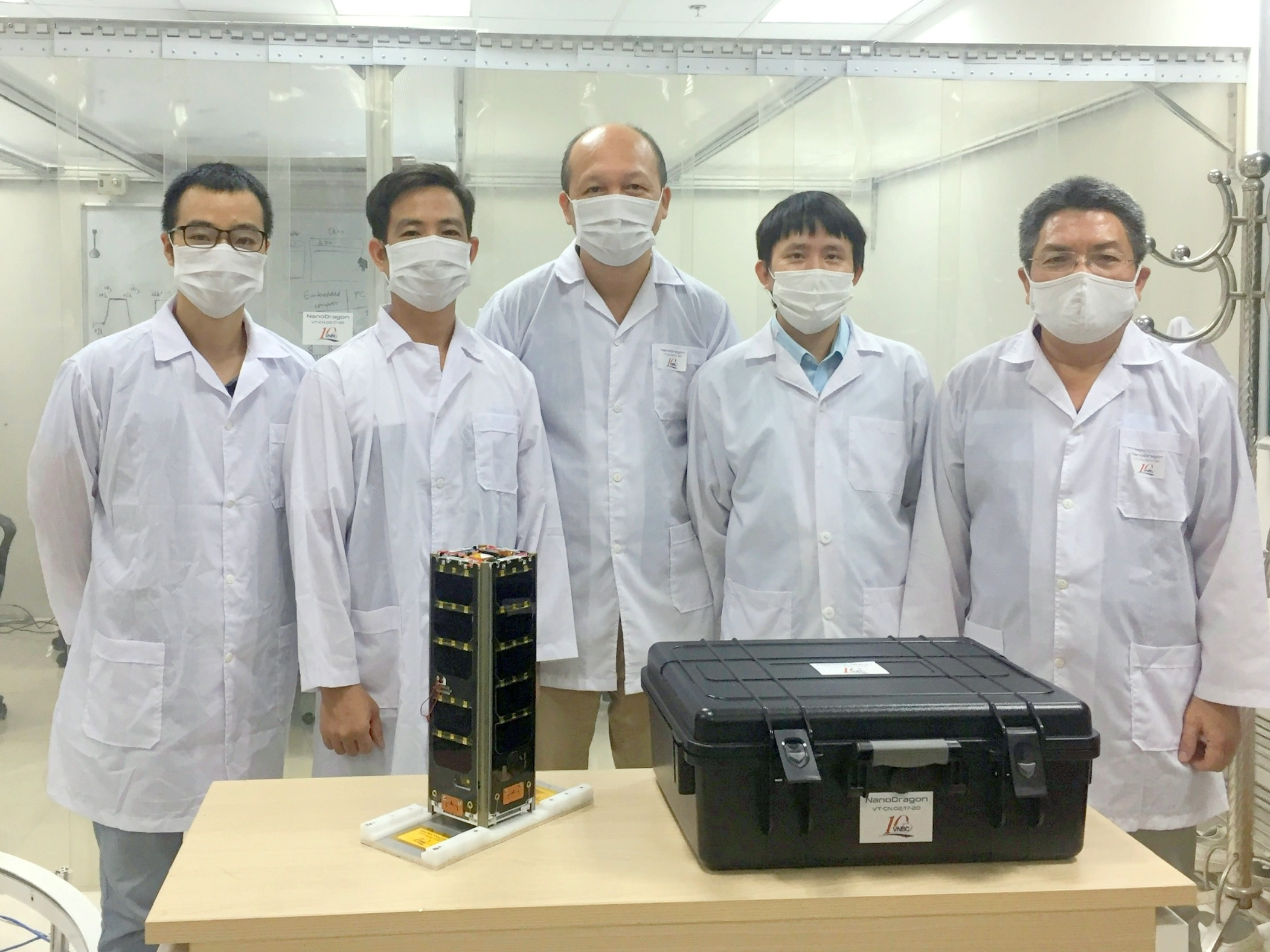
Dr. Le Xuan Huy, Deputy General Director of Vietnam Space Center (second from left). (Photo: NVCC)
- Can you share lessons learned in the treatment of aerospace scientists in other countries?
Retaining talent does not necessarily depend on high salaries, but more importantly, maintaining a stable working environment, with a clear career path and continuous development opportunities.
Dr. Le Xuan Huy - Deputy General Director of Vietnam Space Center
In the field of space technology research and development, salary and remuneration mechanisms vary greatly between countries, depending on management models and economic capacity.
In many developed countries such as the US, Japan or Europe, most scientists are paid according to market contract mechanisms, linked to projects or outputs, and also have income from cooperation with the private sector.
Meanwhile, for developing countries with similar conditions to Vietnam, such as Indonesia, the approach tends to be to maintain long-term stability in the public sector, considering this as the foundation for retaining talent.
In Indonesia, all research activities – including the aeronautics and space sector – are managed by the National Research and Innovation Agency (BRIN), which took over from the former LAPAN.
The Indonesian government has issued a “performance allowance” (tunjangan kinerja) mechanism applicable to all research staff, with 17 levels of titles, ranging from about 2.5 to more than 33 million rupiah per month (equivalent to 4 - 52 million VND), and has a separate level for BRIN leaders of about 49.86 million rupiah (equivalent to 70 - 80 million VND).
This mechanism is funded directly from the State budget, separate from research funding, helping scientists have a stable income, regardless of the progress of the topic or project.
In addition to salaries and allowances, BRIN also maintains a relatively comprehensive human resource support system: LPDP scholarship fund for doctoral students, short-term research exchange programs with international experts and a mechanism for participating in cooperation projects with domestic enterprises.
Indonesia's approach shows that retaining talent does not necessarily depend on high salaries, but more importantly on maintaining a stable working environment, with a clear career path and continuous development opportunities.
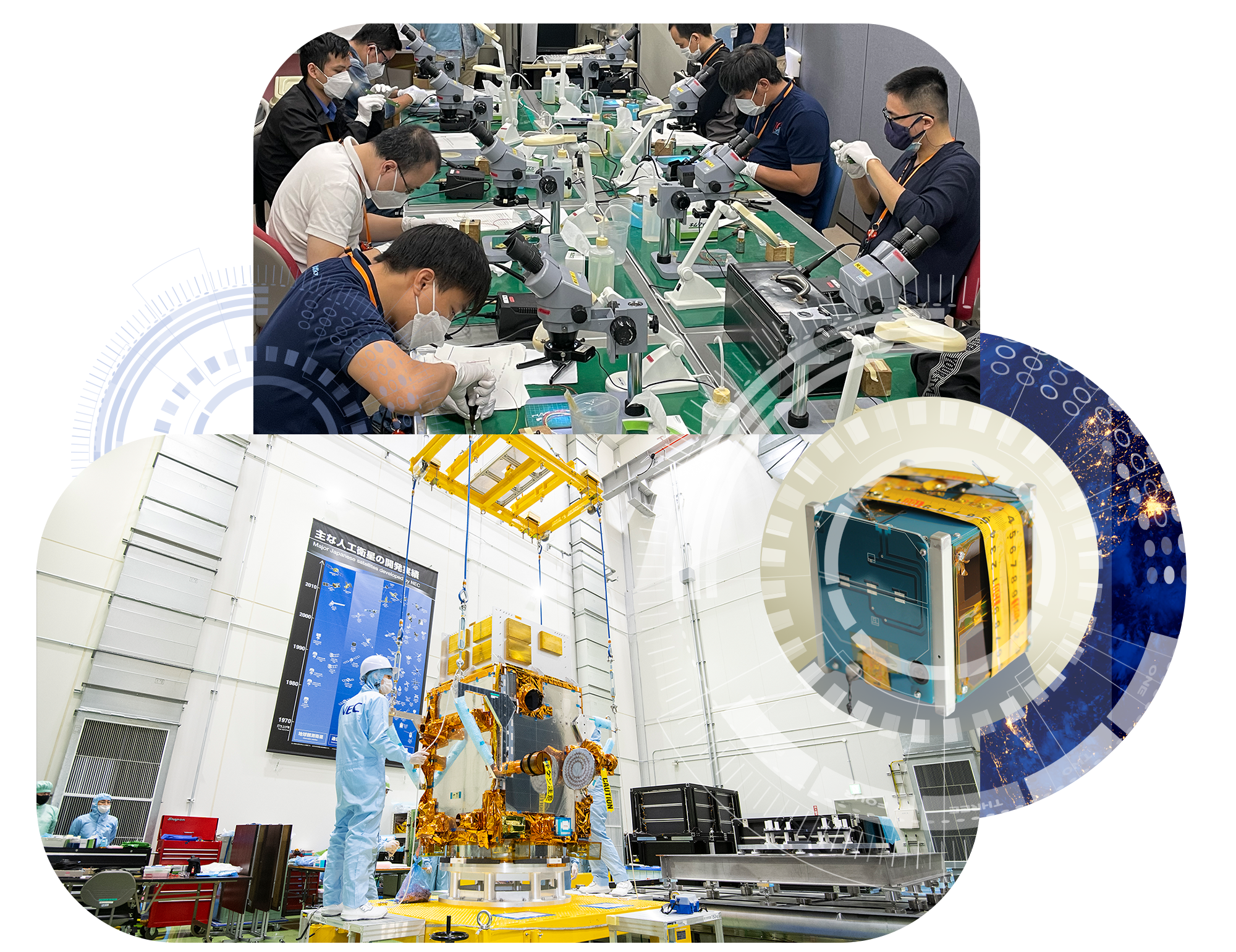
In Vietnam, the salary and benefits payment mechanism is still centralized, based on rank coefficients, so it is difficult to be flexible between specific fields such as aerospace.
According to regulations, science and technology organizations can pay salaries, allowances and remuneration from the income supplement fund. But the big question is: Where will the source of this fund come from?
For units like the Vietnam Space Center, most of the projects are public investment projects, and investment funds are not allowed to be transferred to pay salaries.
Lessons from Indonesia show that if a stable income mechanism is built, separate from investment project sources, and combined with a long-term human resource training and development policy, it is entirely possible to keep a team of engineers and researchers committed to the industry.
Countries with the same starting point all follow this direction – considering science and technology as a field in which the State must invest sustainably and cannot rely on short-term markets.
Thank you!
Source: https://vtcnews.vn/lanh-dao-trung-tam-vu-tru-viet-nam-luong-ky-su-vu-tru-van-theo-ngach-bac-ar988737.html


![[Photo] Cat Ba - Green island paradise](/_next/image?url=https%3A%2F%2Fvphoto.vietnam.vn%2Fthumb%2F1200x675%2Fvietnam%2Fresource%2FIMAGE%2F2025%2F12%2F04%2F1764821844074_ndo_br_1-dcbthienduongxanh638-jpg.webp&w=3840&q=75)










![[Video] Digital system for managing science and technology tasks](https://vphoto.vietnam.vn/thumb/402x226/vietnam/resource/IMAGE/2025/12/04/1764810148741_1764673678503-jpg.webp)

























![[VIMC 40 days of lightning speed] Hai Phong Port determined to break through, reaching the target of 2 million TEUs by 2025](https://vphoto.vietnam.vn/thumb/402x226/vietnam/resource/IMAGE/2025/12/04/1764816441820_chp_4-12-25.jpeg)


































Comment (0)