

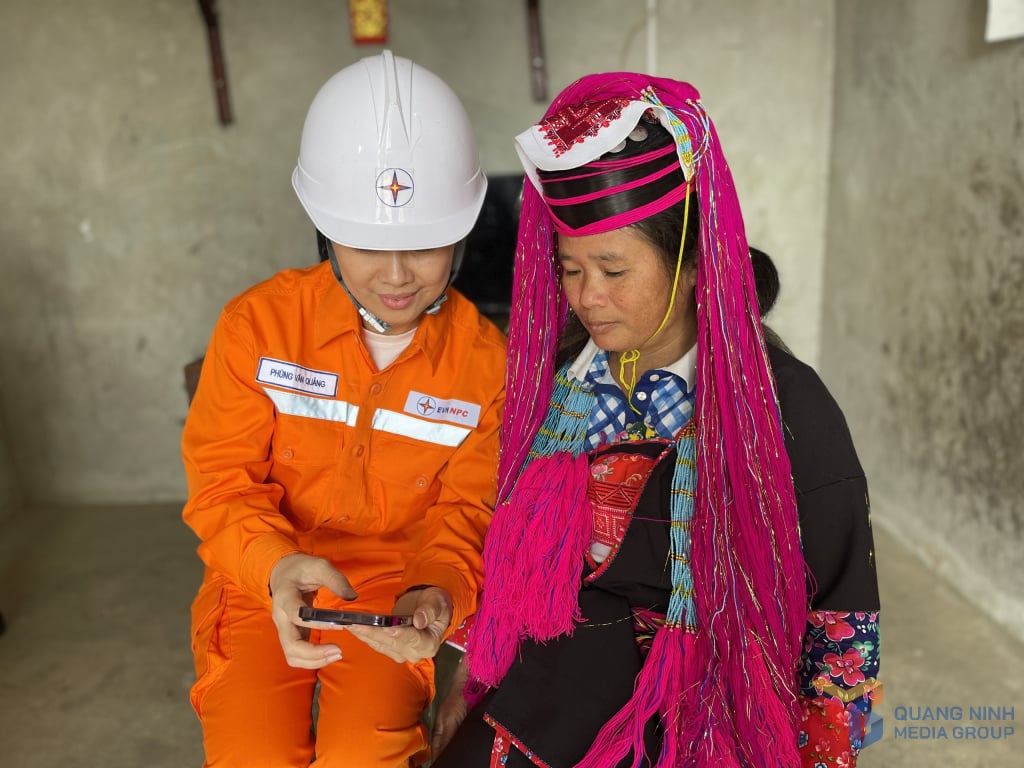
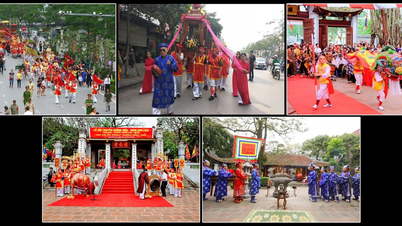
Quang Ninh currently has 1,429,841 people with 43 ethnic groups (42 ethnic minority groups). Of which, the ethnic minority population is 162,531 people, accounting for 11.37% of the province's population, residing in 85% of the province's area, concentrated in key positions of national defense, security, and national borders.
Over the years, the province has consistently been among the country's leading groups in terms of digital transformation index. The entire province has provided online public services with 2,213 administrative procedures (reaching 98.2%), higher than the number announced by central ministries and branches. Along with that, the e-government system, smart cities, specialized databases, digital payment platforms, etc. are increasingly being improved, creating a favorable environment for expanding digital transformation down to the villages and hamlets.
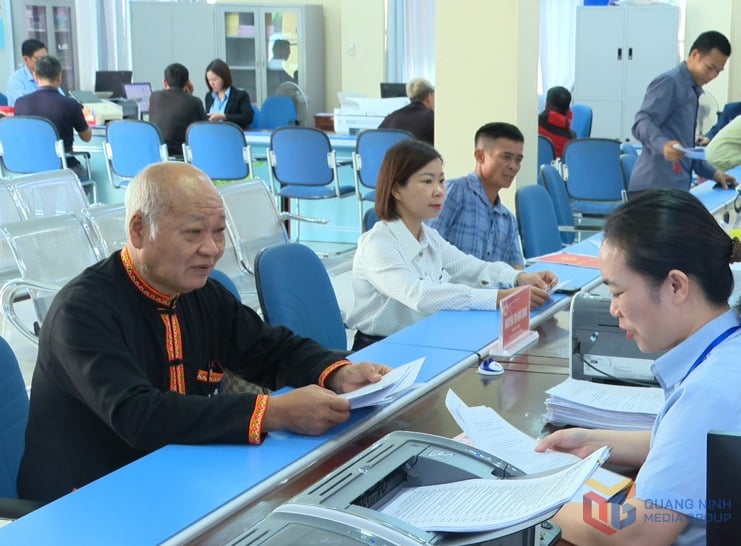
An important milestone is that since 2022, more than 1,400 community digital technology teams have covered nearly 100% of villages and hamlets in the whole province. With more than 11,000 members, this force is an "extended arm" supporting people to access public services, make digital payments, register for electronic identification, and use essential applications. Ms. Dang Thi Lien (Khe village, Hai Hoa commune) shared: Thanks to the support in applying technology in life, I have learned a lot from how to take care of rice, how to plant forests, how to raise children well, to paying for electricity and water services.
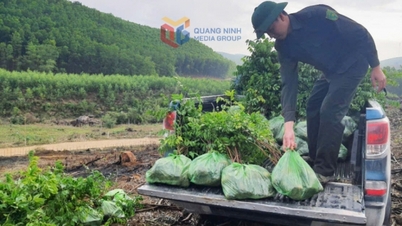
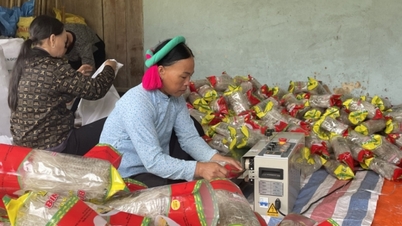
In the border commune of Hoanh Mo, 100% of villages and hamlets have a Community Digital Technology Team that has helped people install VNeID, open cashless payment accounts; OCOP products are put on e-commerce platforms with QR codes to trace their origins. In Dai Duc commune, the Community Digital Technology Team also organized training for hamlet groups, supporting people to use smartphones and access digital utilities.
As a result, people's digital capabilities have improved significantly, with more and more households accessing online public services, e-commerce, digital healthcare, and online learning. However, the digital divide still exists due to limitations in infrastructure, skills, awareness, and economic conditions.
Mr. Giap Van Ngon, Chairman of the People's Committee of Hoanh Mo Commune, shared: Although the Digital Technology Teams go to each village to "hold hands and show how to do things", due to limitations in awareness and digital skills, many ethnic minorities do not have the habit of using digital services. Many people have difficulty operating smartphones, lack security knowledge, and are afraid of online procedures. On the other hand, language barriers also make it difficult to receive information.
In addition to limitations in digital skills, currently, due to uneven connection infrastructure, localities still have many "troughs" in signal or poor quality of 4G, 5G mobile networks, which also causes interruptions in digital service experiences, online learning, and electronic payments. Along with that, the cost of buying smartphones, smart devices, and data packages is still a burden for many difficulties.
At the scientific conference with the theme "Some theoretical and practical issues on science and technology development, innovation, digital transformation and human development of Quang Ninh in the new era" on November 29, many experts said that digital infrastructure is a "necessary condition", and comprehensive digital capacity is a "sufficient condition" for digital transformation to reach every citizen in the province. Associate Professor, Dr. Vu Thanh Son, Director of the Department of Training and Development of Cadres (Central Organizing Committee) said: Quang Ninh province needs to continue to implement in-depth, systematic and sustainable solutions. First of all, based on the characteristics of ethnicity, geography and terrain, the province needs to research appropriate basic digital skills programs, in the style of "holding hands to show work". Multilingual learning materials (Vietnamese - Tay - Dao ...), depending on the needs of the locality, with easy-to-understand content, many illustrative images and intuitive instructions. For the characteristics of Quang Ninh province, it is necessary to develop localized content and link it to the digital livelihoods of ethnic minorities and mountainous and island areas. Specifically, it is necessary to integrate specific procedures and services in border, mountainous and island areas into learning materials, such as: Procedures for exporting agricultural products through border gates, registering business households, and traceability stamps. At the same time, focus on developing micro-digital livelihoods for people, such as: Opening online booths for local products; training in photography - writing descriptions - packaging - transportation; linking community tourism with online booking, reviews, and QR payment.
Source: https://baoquangninh.vn/nang-cao-nang-luc-so-cho-dong-bao-dan-toc-thieu-so-3387049.html


![[Photo] Cat Ba - Green island paradise](/_next/image?url=https%3A%2F%2Fvphoto.vietnam.vn%2Fthumb%2F1200x675%2Fvietnam%2Fresource%2FIMAGE%2F2025%2F12%2F04%2F1764821844074_ndo_br_1-dcbthienduongxanh638-jpg.webp&w=3840&q=75)





































![[VIMC 40 days of lightning speed] Da Nang Port: Unity - Lightning speed - Breakthrough to the finish line](https://vphoto.vietnam.vn/thumb/402x226/vietnam/resource/IMAGE/2025/12/04/1764833540882_cdn_4-12-25.jpeg)









































Comment (0)