

GĐXH - Piper betel leaves are a traditional Vietnamese medicine used to treat bone and joint pain effectively and safely during the cold season, making them a popular choice for many people.
Is it good for people with joint pain to eat betel leaves?
Instead of using Western medicine to relieve pain, many people are choosing to utilize traditional Vietnamese medicinal plants to treat bone and joint pain during the cold season, and betel leaf is one of the most notable examples.
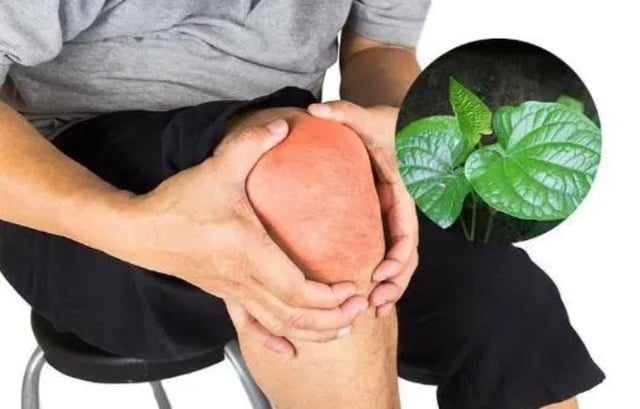
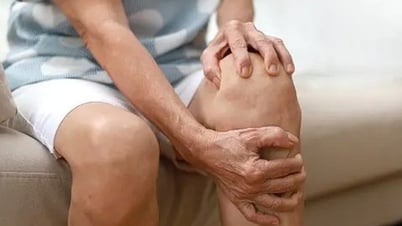
Illustrative image
Piper lolot is a familiar spice in Vietnamese cuisine. All parts of the Piper lolot plant, including the leaves, stem, and roots, are valuable medicinal herbs.
In folk medicine, using betel leaves to treat bone and joint pain is a remedy that many people have successfully applied. This is because when the weather turns cold, tendons and muscles tend to contract, joint fluid thickens, joints become stiff and painful, and movement becomes difficult. Furthermore, nerve endings in the joints become more sensitive, making pain more pronounced. Poor blood circulation also contributes to bone and joint pain, especially during winter. At this time, many people turn to natural remedies like using betel leaves.
According to modern research, 100g of Piper betel leaves contain 39 calories, 86.5g of water, 4.3g of protein, 2.5g of fiber, 260mg of calcium, 980mg of phosphorus, 4.1mg of iron, and 34mg of vitamin C. The roots of Piper betel contain benzyl acetate, while the leaves and stems contain alkaloids and beta-caryophyllene.
According to modern research, betel leaves have good antibacterial, anti-inflammatory, and analgesic effects. Therefore, using betel leaves to treat rheumatism and joint pain is considered a highly effective option.
3 remedies for bone and joint pain using betel leaves
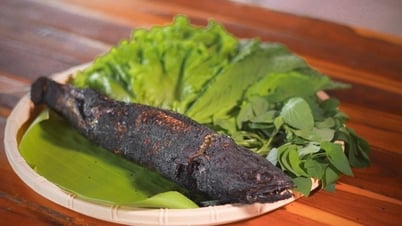
Piper lolot leaves have a distinctive aroma and can be used as a spice, in soups, or in dishes such as spring rolls... In addition, you can use piper lolot leaves as medicine in the following cases:
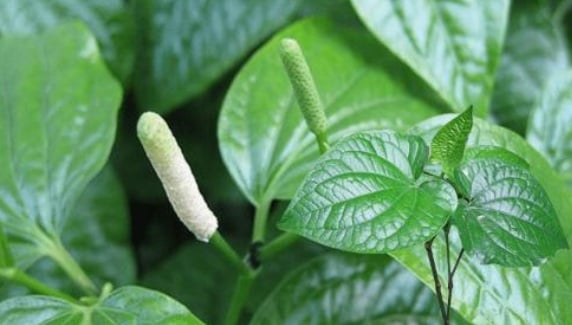
Illustrative image
Treating bone and joint pain in cold weather.
Take 15g of dried Piper betel leaves (about 20-30g of fresh leaves), boil in 2 cups of water until only ½ cup remains, and drink throughout the day. It is best to drink the decoction while it is still warm, after dinner. Each course of treatment lasts 10 days.
Alternatively, take 30g each of fresh betel leaves and the roots of pomelo, elephant's trunk plant, and prickly grass, thinly sliced, stir-fry until golden brown, then decoct with 600ml of water until only 200ml remains. Divide into three doses and drink throughout the day. Continue this treatment for 7 days.
Treating excessive sweating in the hands and feet.
Wash 30g of fresh betel leaves, drain, and put them in 1 liter of boiling water for about 3 minutes. When boiling, add a little salt. Let it cool to a warm temperature and use it to soak your hands and feet regularly before going to bed at night. Do this continuously for 5-7 days.
Alternatively, take 30g of betel leaves, chop them finely, roast them until golden brown, then bury them in the ground (a traditional Vietnamese method). Boil them with 3 cups of water until only 1 cup remains. Divide into two portions and drink throughout the day. Drink for 7 consecutive days. After stopping the medicine for 4 to 5 days, continue drinking for another week.
Treating swollen and painful knees
Take 20g each of fresh betel leaves and mugwort, wash them thoroughly, crush them, add hot vinegar, and apply as a compress to the swollen and painful knee.
Who should not eat betel leaves?
- Women who are breastfeeding should not consume too much betel leaf to avoid reducing or diluting their milk supply.
- People with liver heat, stomach pain, or mouth ulcers should also avoid using betel leaves to prevent worsening their condition.
- You should only use about 50-100g of betel leaves per day to achieve the desired effect. Eating more than that may cause internal heat with symptoms such as constipation, dry tongue, and constant thirst...
Source: https://giadinh.suckhoedoisong.vn/loai-rau-nguoi-viet-nen-an-vao-mua-dong-de-phong-ngua-benh-xuong-khop-17225010422311307.htm




![[Image] Vietnam's colorful journey of innovation](/_next/image?url=https%3A%2F%2Fvphoto.vietnam.vn%2Fthumb%2F1200x675%2Fvietnam%2Fresource%2FIMAGE%2F2025%2F12%2F14%2F1765703036409_image-1.jpeg&w=3840&q=75)


















































![[Image] Vietnam's colorful journey of innovation](https://vphoto.vietnam.vn/thumb/402x226/vietnam/resource/IMAGE/2025/12/14/1765703036409_image-1.jpeg)















![[Infographic] Portrait of the Standing Committee of the Dong Nai Provincial Farmers' Association for the 2025-2030 term](https://vphoto.vietnam.vn/thumb/402x226/vietnam/resource/IMAGE/2025/12/14/1765708210139_thumbnail_ban_thuong_vu_sua_20251214164836.jpeg)












Comment (0)