

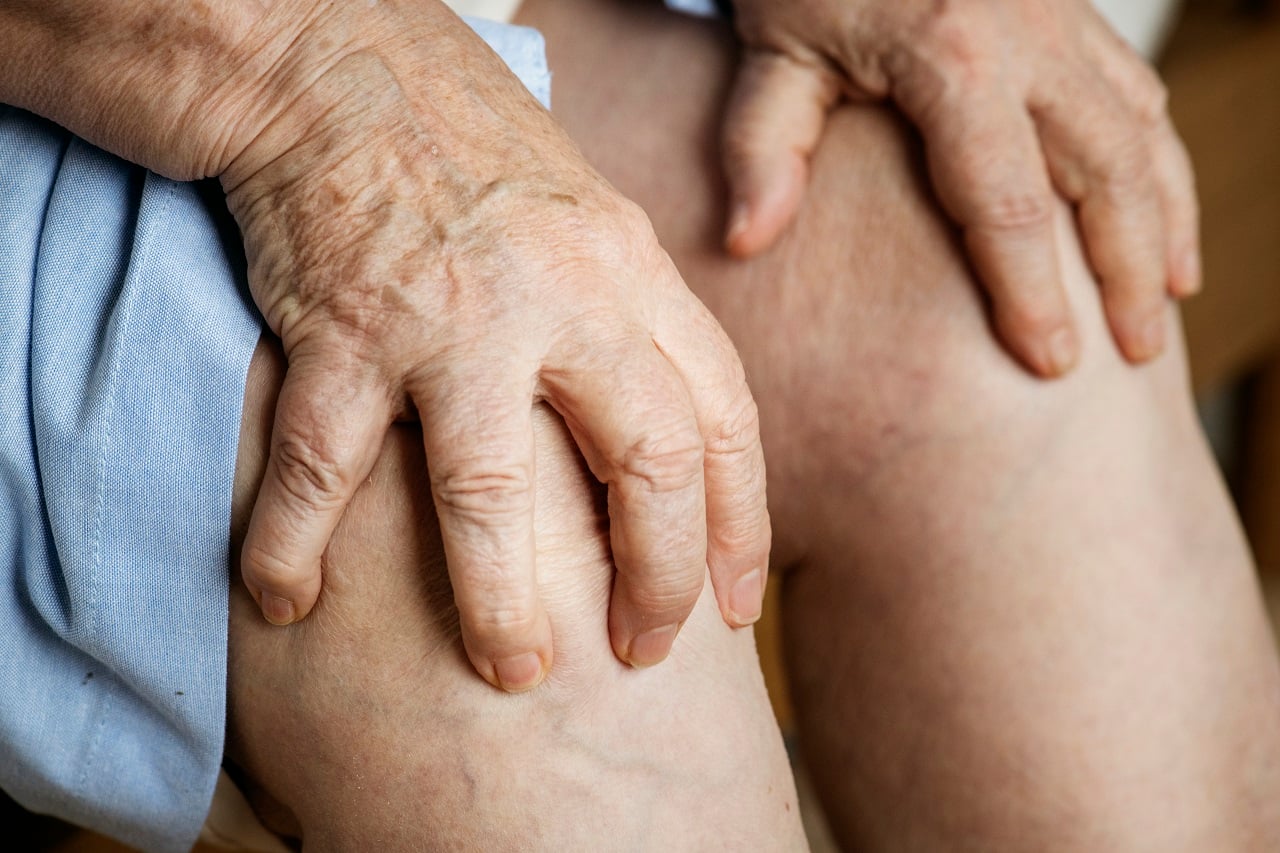
1. Cold weather causes joint pain.
According to studies, a drop in temperature causes the body to react by constricting blood vessels to retain heat. When blood vessels constrict, the amount of blood supplying the joints and surrounding soft tissues decreases, causing stiffness and increased pain.
- 1. Cold weather causes joint pain.
- 2. Ways to prevent and reduce joint pain in cold weather.
- 3. When should I see a doctor?
Furthermore, cold weather increases the viscosity of synovial fluid, making joints less flexible. In people with chronic joint diseases, the articular cartilage is worn down and the cushioning layer is reduced, so when the weather changes, the feeling of pain and soreness becomes more pronounced.
High humidity, cold rain, and monsoon winds can also affect air pressure, causing expansion or contraction of joint tissues, making ligaments and muscles more susceptible to irritation. In particular, a lack of exercise during the cold season further reduces the flexibility of muscles and joints, making them more vulnerable to injury.
2. Ways to prevent and reduce joint pain in cold weather.
- Keep your body warm, especially your joints.
Keeping the body warm, especially the joints, is the first and most effective measure. Patients should: Dress warmly, especially when going outside. Use socks, gloves, and scarves to keep the neck, shoulders, and knees warm. Avoid exposing joints to direct cold wind. Sleep in a well-ventilated room with a stable temperature. Keeping warm helps increase blood circulation to the joints, reducing morning stiffness.
If the pain persists for several days without relief, the patient needs to go to a medical facility for timely examination and treatment.
- Exercise regularly
Many people are reluctant to exercise in cold weather, but this is actually the "enemy" of joints. Proper exercise helps: stretch muscles and reduce stiffness; increase joint fluid, allowing joints to move more smoothly; and improve muscle strength – a crucial factor in protecting joints. Suitable exercises include: light walking, yoga, stretching, and cycling. Remember to warm up thoroughly before exercising.
- A diet that is good for bones and joints.
Patients should prioritize: Foods rich in omega-3 fatty acids (salmon, mackerel, chia seeds) to help reduce inflammation. Foods rich in calcium and vitamin D such as milk, cheese, eggs, and mushrooms. Green vegetables and fruits rich in antioxidants.
Limit your intake of fried foods, alcohol, and excessive red meat, as these can increase inflammatory responses.
- Maintain a healthy weight.
Being overweight increases pressure on the joints, especially the knees and spine. Losing weight properly can significantly reduce joint pain.
- Take a warm bath and apply a warm compress.
Taking a warm bath helps relax the body and improve circulation. Applying a warm compress to the painful joint also quickly reduces muscle stiffness and pain. However, avoid applying heat directly to the skin for too long to prevent burns.
- Avoid sudden temperature changes.
Going from a warm room to a cold environment suddenly can easily cause vasoconstriction and trigger pain. It's important to maintain a stable body temperature, cover up, and wear warm clothing, a hat, and gloves when going outside.
- Control underlying medical conditions
For people with rheumatoid arthritis, gout, or osteoarthritis, regular disease management is crucial. Adhering to prescribed medication helps limit the worsening of inflammation in cold weather.
- Gentle massage
Massaging muscles and joints helps to relax them, improve blood circulation, and reduce pain. It can be combined with warming essential oils like ginger or lemongrass to enhance the effect.
3. When should I see a doctor?
Although joint pain caused by weather changes is usually benign and improves with warmth, you should see a doctor if you experience any of the following signs: Pain that lasts for many days without relief; swollen, hot, and red joints; joint stiffness lasting more than 30 minutes in the morning; difficulty moving or limited range of motion; accompanied by fever and fatigue. These could be signs of arthritis or other serious conditions requiring prompt treatment.
Source: https://suckhoedoisong.vn/dau-nhuc-xuong-khop-khi-troi-lanh-va-8-cach-phong-ngua-hieu-qua-16925121311430009.htm

























































































Comment (0)