

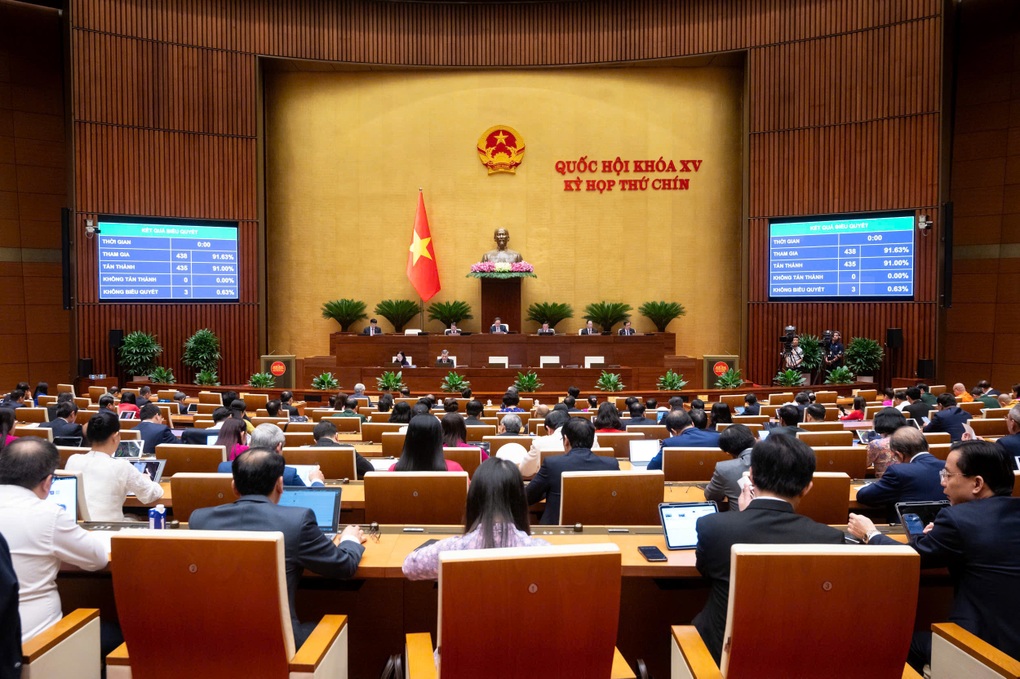
The National Assembly passed the amended Atomic Energy Law.
In the context of Vietnam's accelerated development of science and technology (S&T) and clean energy transition, the amended Atomic Energy Law is not only an urgent requirement but also a "guiding principle" for the safe and efficient use of nuclear energy, realizing the orientation of nuclear power development and for peaceful purposes.
Institutionalizing the Party's policy on sustainable nuclear energy development.
After more than 15 years of implementation, the Law on Nuclear Energy has become a solid legal foundation, creating favorable conditions for domestic and foreign organizations and individuals, as well as international organizations, to conduct activities in the field of nuclear energy in Vietnam.
The law has made a significant contribution to promoting the application of nuclear energy, creating a strong shift in the awareness of all sectors, levels, and people regarding the application of nuclear energy for peaceful purposes in the socio-economic development of the country.
However, the new context necessitates the urgent need to update and improve existing practices to align with the trends in science and technology development, ensure energy security, and fulfill international commitments on the development and application of nuclear energy for peaceful purposes, which is considered a crucial solution.
The revised Law on Nuclear Energy was developed with the aim of further institutionalizing the Party's guidelines and policies, and the State's policies on nuclear energy, aligning with other relevant documents and meeting practical requirements; and building a legal basis to ensure completeness and comprehensiveness in the system of legal documents on nuclear energy.
Simultaneously, it is essential to enhance the effectiveness of state management regarding radiation safety, nuclear safety and security; develop sustainable applications of nuclear energy; fulfill Vietnam's international commitments and obligations; strengthen international cooperation; and nuclear energy will contribute to creating new impetus for the rapid and sustainable development of the country in the new era.
The amended Law on Nuclear Energy is being developed to clearly demonstrate the State's role as a "development facilitator" in a field requiring high safety standards and complex technology.
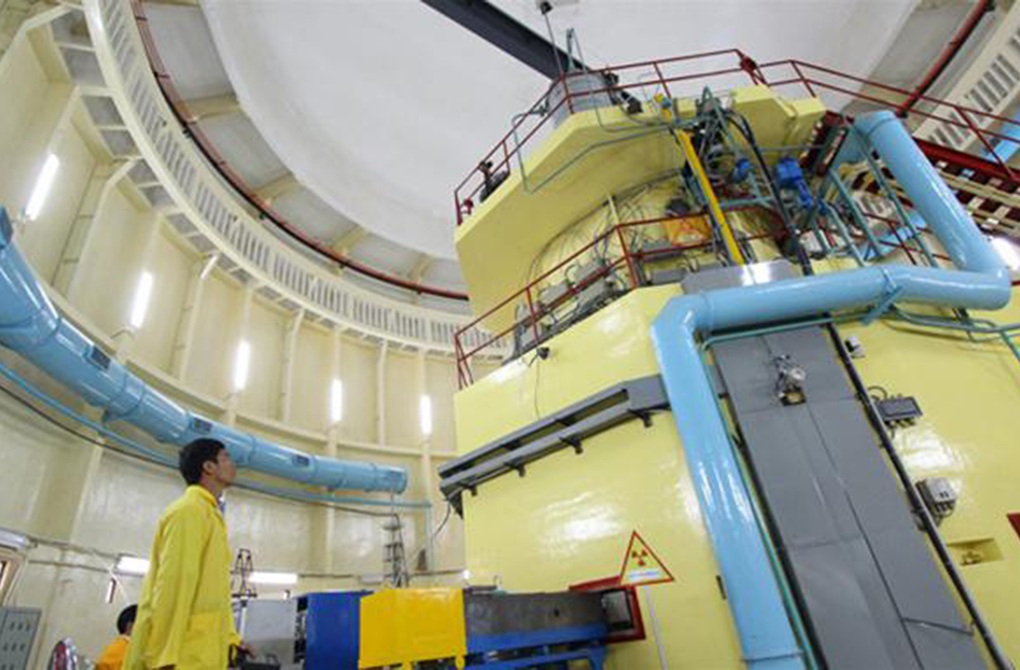
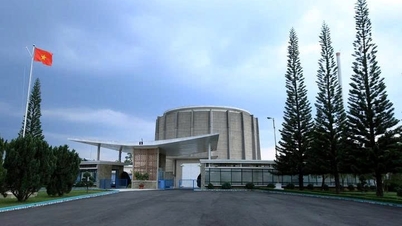
Nuclear reactor in Da Lat (Photo: ST).
During the drafting process, the lead agency focused on reviewing and eliminating overlapping regulations, and adding content that was lacking to meet practical requirements.
At the same time, we actively consulted with ministries and agencies to ensure consistency, feasibility, and compliance with international commitments. The content of the Law was amended to clearly define the scope of regulation and the responsibilities of relevant agencies; integrate and interconnect administrative procedures; and unify management under a single authority.
Towards the development of safe, efficient, and sustainable nuclear power.
The main focus of the policy is to orient the development of nuclear energy for peaceful purposes, serving socio-economic development, protecting the environment, contributing to ensuring energy security and sustainable development of the country.
The policy encompasses a comprehensive range of activities, from investment and attracting resources; improving infrastructure and enhancing capacity to ensure nuclear safety and security; research and development of technology; training and human resource development; international cooperation; and raising public awareness.
One of the notable points in the amended Nuclear Energy Law is that the State guarantees the budget for the construction and operation of the national environmental radiation monitoring and warning network; and invests in the construction of national-level sites for storing, processing, and burying radioactive waste, spent radioactive sources, and spent nuclear fuel.
This is a crucial step, demonstrating a long-term vision for ensuring radiation safety, nuclear safety and security, which are fundamental to all applications in this field.
Synchronous investment
Simultaneously, the Law also expands the possibilities for attracting capital, encouraging the private sector and international partners to participate in investment and development in the field of nuclear energy.
This is not only consistent with Resolution 68-NQ/TW on the development of the private economy, but also reflects the reality of the widespread participation of organizations and individuals in applying nuclear energy in socio-economic sectors such as healthcare, industry, agriculture, resources, and environment.
A key issue is the need for high-quality human resources, especially for future nuclear power projects. Incorporating incentive mechanisms into the law for training, attracting, and utilizing experts and scientists will be a prerequisite for sustainable development.
This is coupled with synchronized investment in modern facilities and laboratories to create a solid foundation for research, training, and technology mastery.
Notably, the policy of encouraging technology transfer, enhancing manufacturing capacity, and localizing equipment demonstrates a strategic vision, along with a policy of ensuring budget allocation for science and technology research.
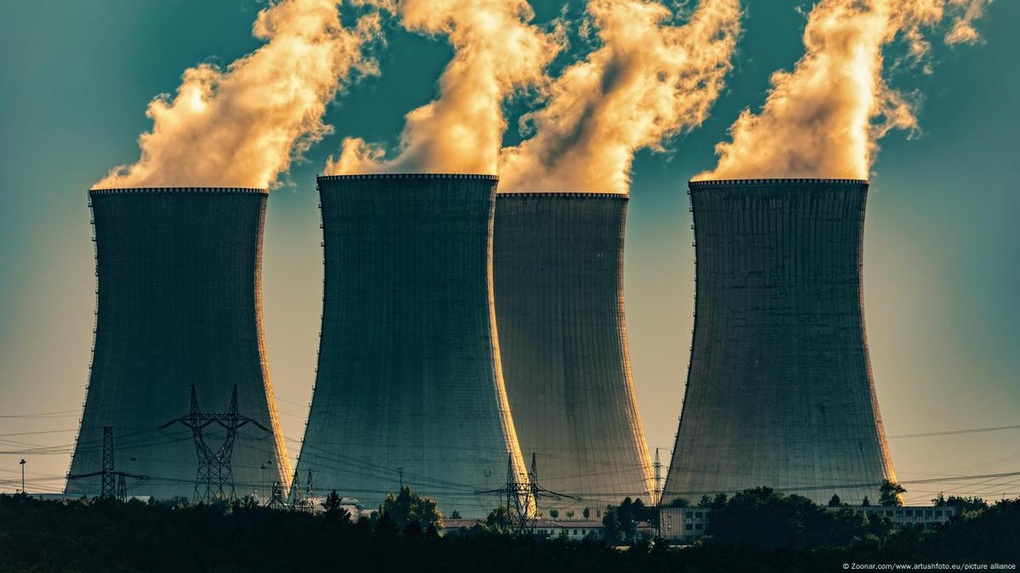
Prioritizing investment in research, technology transfer, scientific infrastructure development, and human resource training in the field of nuclear energy is a direct institutionalization of Resolution 57-NQ/TW of the Politburo on the development of science, technology, and innovation.
In particular, policies for the synchronized development of cultural, educational, health, and welfare infrastructure at the local level, with key facilities, create social consensus, strengthen confidence, and ensure the sustainable development of the nuclear energy sector.
In addition, the Law has codified many international treaties to which Vietnam is a signatory, in accordance with the guidelines of the International Atomic Energy Agency (IAEA).
Strengthening international cooperation and deeper integration will help Vietnam access new technological achievements and modern management practices more quickly, while also enhancing the capacity of its staff and experts.
A key highlight is that communication and awareness policies regarding nuclear energy are incorporated into the Law, becoming a constituent element of the safety ecosystem. Building a safety culture and a nuclear security culture is a necessary condition for developing a specialized industry with high inherent risks and requiring significant social consensus.
It can be affirmed that the amendment of the Law on Nuclear Energy is not merely a technical refinement of legislation, but a crucial institutional turning point. This is a concretization of the Party's major policies, demonstrating the State's leading role, unlocking resources, and establishing a foundation for the substantive and sustainable development of the nuclear energy sector.
In the long term, this is the foundation for Vietnam to master nuclear technology, ensure energy security, develop high-tech industries, and affirm its national position in the process of international integration.
Also on the morning of June 27th, under the chairmanship of National Assembly Chairman Tran Thanh Man, the National Assembly voted to pass the Law on Science, Technology and Innovation with a high approval rate of 435 out of 438 delegates (91.00%).
This is considered a breakthrough in institutionalizing important Party resolutions, especially Resolution 57 on the development of science, technology and innovation, Resolution 66 on the development of the knowledge economy, and Resolution 68 on reforming the management mechanism of science and technology tasks.
The law, effective from October 1st, contributes to promoting activities such as: establishing a technology exchange platform, promoting the transfer and commercialization of research results, removing administrative barriers, and strengthening the protection of intellectual property rights.
Source: https://dantri.com.vn/khoa-hoc/luat-nang-luong-nguyen-tu-don-bay-phat-trien-dien-hat-nhan-ben-vung-20250627105531489.htm






























![[Video] The craft of making Dong Ho folk paintings has been inscribed by UNESCO on the List of Crafts in Need of Urgent Safeguarding.](https://vphoto.vietnam.vn/thumb/402x226/vietnam/resource/IMAGE/2025/12/10/1765350246533_tranh-dong-ho-734-jpg.webp)
























































Comment (0)