

"Is the visa application process a barrier to attracting wealthy tourists?"
Recently, the Prime Minister instructed the Ministry of Foreign Affairs, the Ministry of Public Security , and the Ministry of Culture, Sports and Tourism to study appropriate visa policies, especially for traditional friendly countries, and to diversify visa exemptions for certain countries and groups, such as billionaires worldwide.
This is the latest move by the government to ease visa policies, aiming to attract international tourists and stimulate tourism development.
Speaking with a reporter from Dan Tri newspaper, Mr. Hoang Nhan Chinh, Head of the Secretariat of the Vietnam Tourism Advisory Board (TAB), commented that attracting experts, talented individuals, and billionaires from around the world brings many benefits to Vietnam.
Besides increasing tourism revenue and promoting destinations, billionaires and wealthy entrepreneurs can directly invest in Vietnam, contributing to the development of the capital market, real estate, technology, and many other sectors.

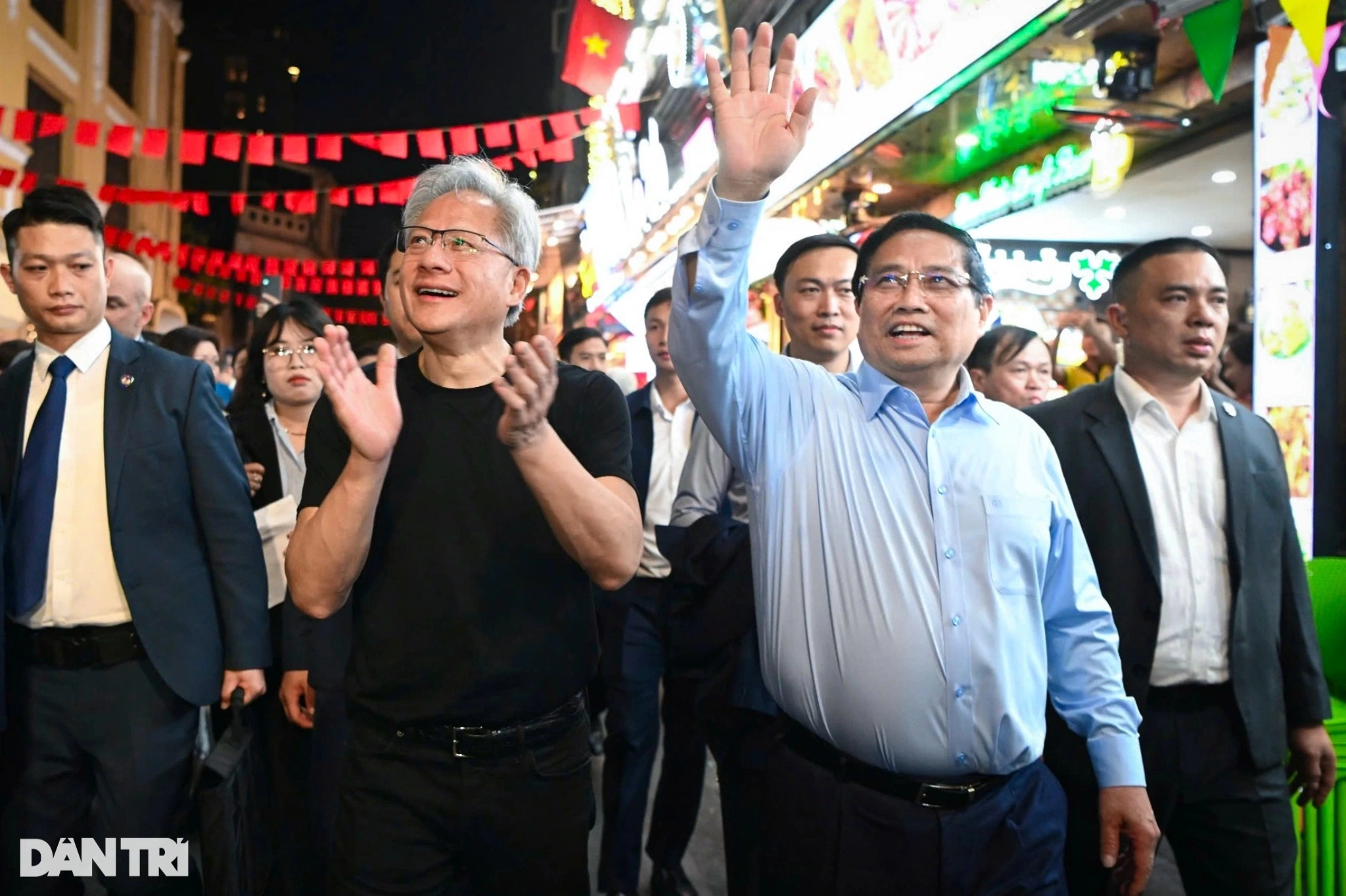
Prime Minister Pham Minh Chinh welcomed billionaire Jensen Huang during his visit to Vietnam in December 2024 (Photo: Manh Quan).
Furthermore, influential figures such as billionaires or international experts often attract media attention. Their positive experiences in Vietnam can become "free advertising," enhancing the destination's image. Major events and international conferences attended by important figures will also help position Vietnam as an attractive and high-class destination.
"If we grant visa exemptions to this group, we will not only attract talented experts, entrepreneurs, and wealthy individuals to our country, but also encourage high-end tourists to visit Vietnam. This move will contribute to promoting Vietnam's image to the world, helping the country become an attractive destination in the region and internationally," Mr. Chinh observed.
This can be evidenced by billionaire Bill Gates' visit to Da Nang in March 2024. After the American billionaire left, it created a huge boost for local tourism.
Statistics from the digital travel platform Agoda show that in the first few months of this year, Da Nang became the most searched-for destination by American tourists, with a 1,538% increase. This figure represents a dramatic increase compared to the same period in 2024, recording the most impressive growth among top destinations.
Mr. Nguyen Duc Hanh, CEO of All Asia Vacation (AAV), affirmed that visa exemption for billionaires and successful businesspeople is a reasonable policy and should be implemented soon.
In recent times, Vietnam has become a popular destination for billionaires and the ultra-wealthy for vacation and experiences. Throughout 2024 and the first few months of this year, Vietnam has seen a surge in visits from this particular group of tourists.
"Vietnam is becoming a popular vacation destination for the ultra-rich. However, to attract billionaire tourists, we need special mechanisms, one of which is a visa mechanism," Mr. Hanh said.
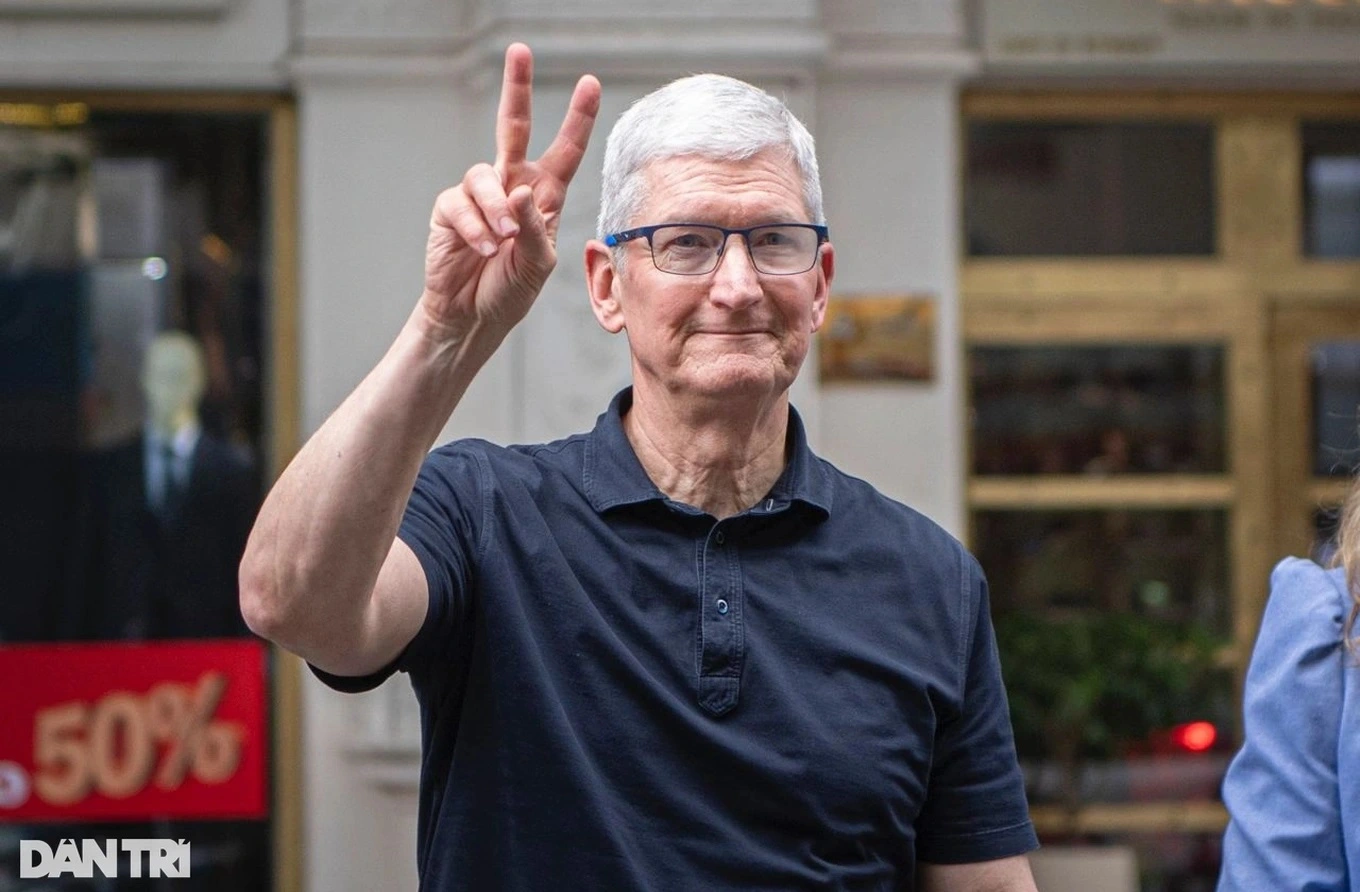
Apple CEO Tim Cook waves during his trip to Hanoi (Photo: Manh Quan).
Currently, Vietnam grants visa exemptions to citizens of 25 countries (using ordinary passports). On March 7th, the Government announced visa exemptions for citizens of 12 countries, allowing them to stay in Vietnam for 45 days from the date of entry, regardless of passport type or purpose of entry.
Vietnam's new visa policy is considered to have many liberal aspects; however, compared to neighboring countries, there are still many obstacles.
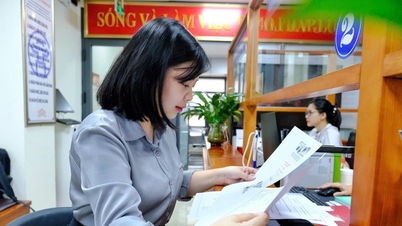
For Visa-on-Arrival, international visitors still need to apply for approval in advance; they cannot simply apply for a visa upon arrival at the border like in some other countries. This also means visitors have to spend time waiting for the visa application process to be completed.
"Long wait times are a major barrier for wealthy travelers. This group is willing to spend more than the average person, but they travel spontaneously and want to feel welcomed."
"There have been cases where Vietnamese travel companies have almost finalized 80% of the itinerary with customers, but when they learn they have to wait for visas, they still decide to switch to a new destination with a more relaxed and visa-free mechanism such as Thailand, Singapore...", Mr. Hanh said.
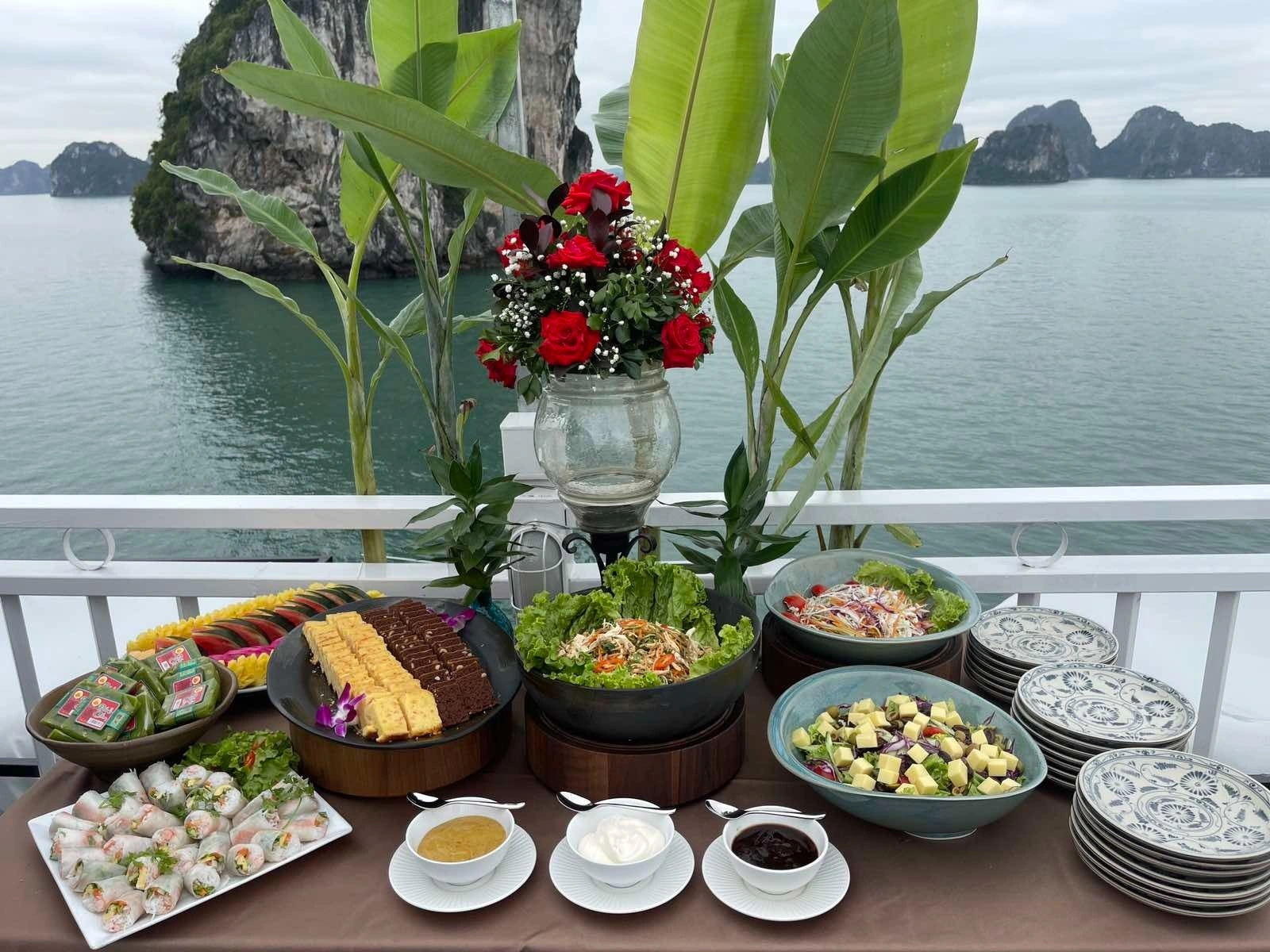
This is a high-spending customer segment who are willing to charter an entire luxury yacht to enjoy privacy and stunning views of Ha Long Bay (Photo: Paradise Vietnam).
According to this business owner, billionaire customers, although representing a very small percentage of the world's population, have extremely high spending power and set exceptionally high standards.
Each ultra-wealthy tourist can spend up to $15,000 per day (nearly 400 million VND), not including airfare, which is dozens of times more than the average tourist. These sums of money contribute significantly to the economy and enhance the image of local tourism.
Therefore, according to Mr. Hanh, cases where tourists divert their travel from Vietnam to other countries due to visa issues are truly regrettable.
"A suitable visa policy is not only an 'open door' to attract talent and investment, but also a strategic tool to help Vietnam maximize opportunities from the trend of globalization."
"If we implement this effectively, it will bring long-term benefits, helping Vietnam move faster on the path of sustainable development and modernization," Mr. Hanh stated.
How do Thailand, Singapore, and other countries roll out the red carpet for billionaires?
Looking at neighboring countries like Thailand, Singapore, and Malaysia, they have all quickly implemented flexible visa policies or special programs to attract wealthy tourists.

Singapore has implemented a network visa program to attract high-earning and successful foreign professionals to live there (Photo: HR).
Thailand has long been known for its visa-friendly policies to attract this type of visitor. For example, the Long-Term Resident Visa program aims to attract the ultra-wealthy, wealthy retirees, digital nomads, and highly skilled professionals.
This policy allows wealthy global citizens with at least $1 million in assets, a minimum personal income of $80,000 per year for two years, and an investment of at least $500,000 in Thai government bonds to reside in the country for 10 years.
Furthermore, from January 2025, the country will allow visitors to apply for e-visas anytime, anywhere in the world, with visas valid for up to 60 days for visitors from 93 countries and territories. With these relaxed policies, in 2024, the country welcomed over 35 million international visitors, generating revenue exceeding $52 billion.
Similarly, Singapore is also focused on becoming a financial hub and a high-end destination for the world's ultra-wealthy.
Over the years, Singapore has implemented programs such as the Overseas Network & Expertise Pass, which allows high-income and successful individuals to live in Singapore, and the Entrepreneur Pass (EntrePass), specifically for foreign entrepreneurs wishing to establish innovative businesses in Singapore.
Malaysia is also joining the race with policies targeting wealthy clients. Malaysia has implemented a Resident-Talent (RP-T) program for highly skilled foreign professionals working in the country.
These policies are seen as "rolling out the red carpet," welcoming wealthy visitors who come to travel, work, and… spend money.
Based on practical experience in the industry and comparisons with other countries in the world and the region, many experts believe that Vietnam needs to quickly implement preferential visa policies to create leverage for tourism.

Two American millionaires pose with a truck bed during their visit to Hanoi in February (Photo: AAV).
However, "visa should not be considered the only key"; visa exemption is a necessary but not sufficient condition. According to experts, attracting this group of tourists requires a comprehensive strategy to retain and appeal to this specific segment.
The Head of the TAB Secretariat stated that a flexible and attractive visa policy needs to be implemented in conjunction with improvements in infrastructure, services, and promotional strategies.
"If we rely solely on visa exemption without thorough preparation, the impact will be limited. Therefore, this is a potential 'key,' but to unlock the golden door, Vietnam needs more than just this one key," Mr. Chinh said.
To attract ultra-wealthy tourists, personalized, creative, and tailored tourism products are essential, not mass-produced, generic offerings.
In addition, Vietnam needs to develop tourism in a sustainable direction, focusing on environmental protection and avoiding overcrowding that would diminish the value of destinations.
Because, while some destinations in our country are attractive, they can become overcrowded at times, making it difficult to attract high-end tourists. To create a unique experience, Vietnam needs to develop models that designate specific destinations for luxury travelers.
"Besides creating unique product lines for billionaires, we should also have specific mechanisms in place for travel companies capable of attracting this particular clientele."
"If travel companies remain confined to a limited space, it will be difficult for them to be creative and launch innovative and intellectually stimulating products for VIP clients," Mr. Hanh stated.
Dantri.com.vn
Source: https://dantri.com.vn/du-lich/mien-visa-cho-ty-phu-viet-nam-don-khach-sop-toi-tieu-tien-20250312173929439.htm


















































































Comment (0)