

Over the past period, the Ho Chi Minh City People's Committee has issued many programs, plans, projects, and mechanisms to support medium and long-term agricultural development, aiming to exploit potential and advantages, enhance competitiveness, and promote multi-value integrated agriculture.
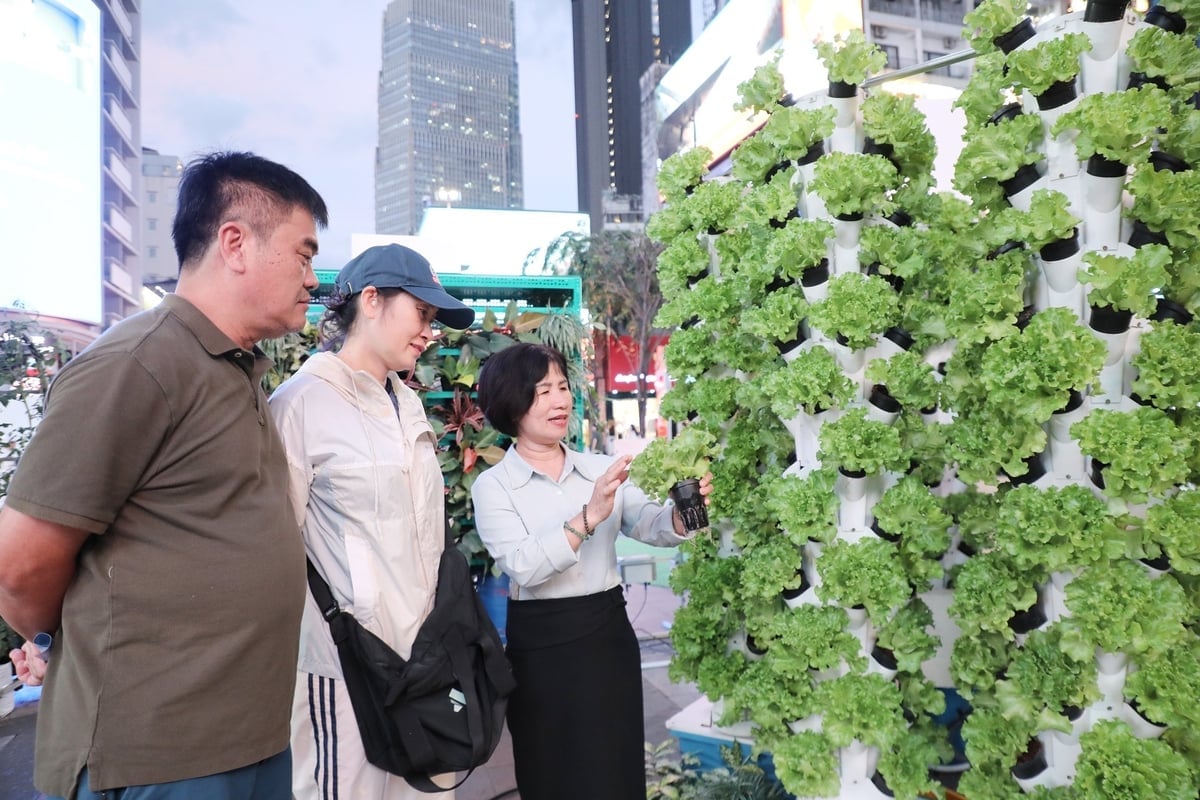
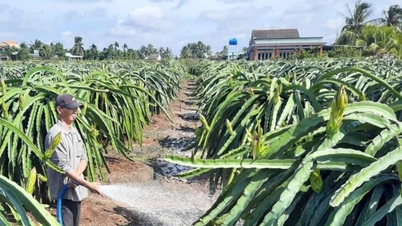
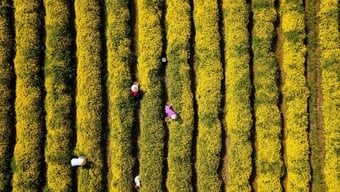
The proportion of agricultural production value using high technology continues to increase. Photo: Nguyen Thuy.
Based on that foundation, the Ho Chi Minh City Department of Agriculture and Rural Development (now the Ho Chi Minh City Department of Agriculture and Environment) directed its affiliated units, in coordination with relevant departments and localities, to implement the Urban Agriculture Development Program in an efficient, technologically advanced, and market-standardized manner.
The 2024 results show that Ho Chi Minh City's agriculture continues to grow despite shrinking land resources. The production structure continues to shift in the right direction, prioritizing high-value models. Notably, there has been a significant conversion of inefficient rice land to aquaculture and fisheries, with a substantial area of land previously used for crop and livestock farming being transformed. This is an inevitable choice in urban areas, and efficient land use must become a standard.
In the aquaculture sector, brackish water shrimp farming and ornamental fish farming are developing in a high-tech, disease-safe direction. Along with this, science and technology are established as key factors determining the competitiveness of urban agriculture. Ho Chi Minh City focuses on investing in research, transfer, and application facilities such as the High-Tech Agricultural Zone, the Biotechnology Center, and the High-Tech Dairy Cattle Demonstration and Experimental Farm...
Research and transfer of many new varieties such as cantaloupe, orchids, ornamental plants, and aquarium fish contribute to improving quality, increasing productivity, and gradually positioning Ho Chi Minh City as a center for high-quality plant and animal breeding, in line with the requirements of agricultural development in a special urban space.
Notably, Ho Chi Minh City is not only focusing on production but also promoting the development of value chains and trade connections for agricultural products to increase added value and strengthen market confidence. Expanding chain linkages with provinces in the East, Southwest, and Central regions contributes to enhancing the reputation of fresh agricultural and food products of the city and linked localities.
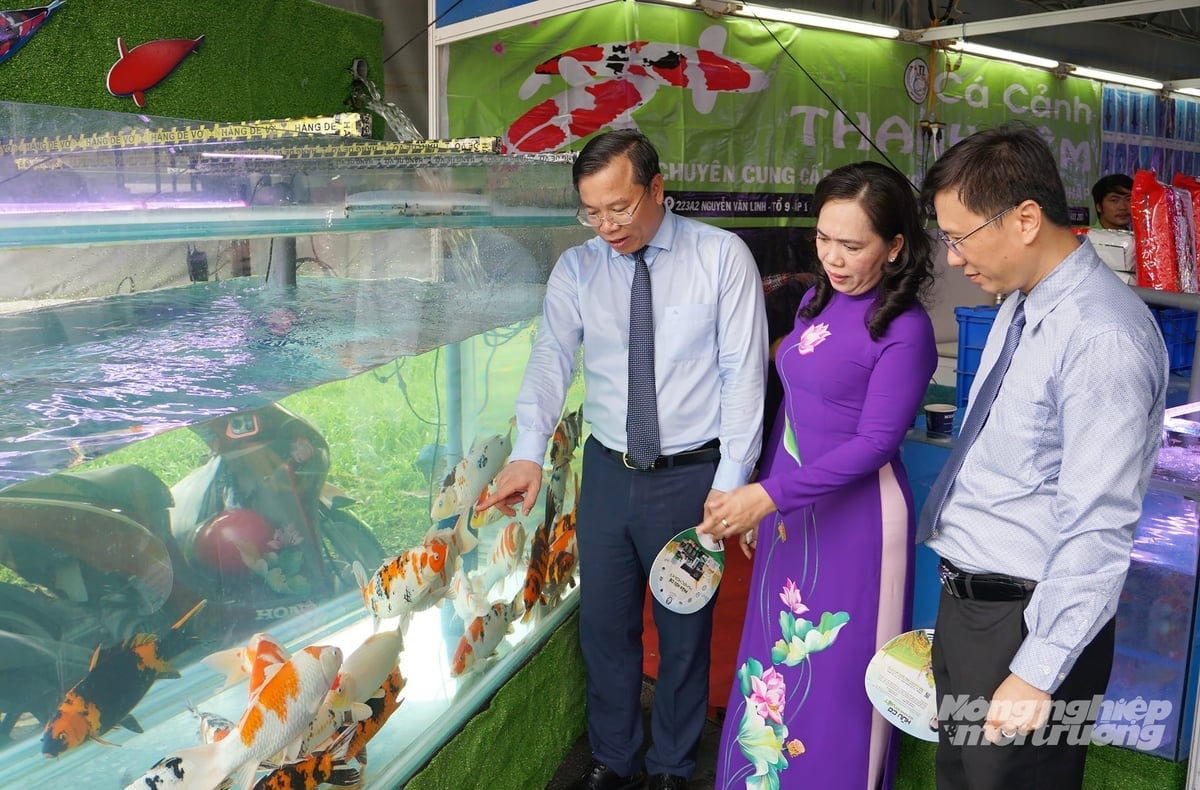
The production and export of ornamental fish continues to affirm Ho Chi Minh City's position in the field of urban agriculture. Photo: Nguyen Thuy.
However, practice itself reveals unavoidable "bottlenecks" such as the slow pace of structural transformation and low efficiency; urbanization reducing agricultural land and putting pressure on maintaining production; young workers leaving agriculture, while there is a shortage of skilled technical personnel for high-tech agriculture. Many businesses are hesitant to invest due to high costs, inconsistent infrastructure and mechanisms, and insufficient profitability; access to credit is limited; space-saving and high-tech models are still few and not widely adopted; and especially, the leading role of large, leading enterprises has not been fully utilized. These are core issues that, if not addressed, will weaken the impetus for innovation in urban agriculture.
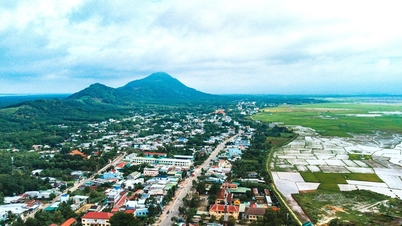
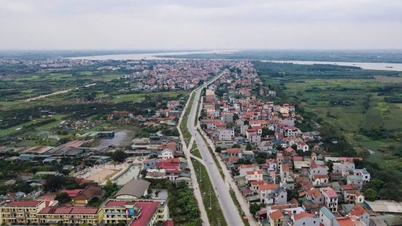
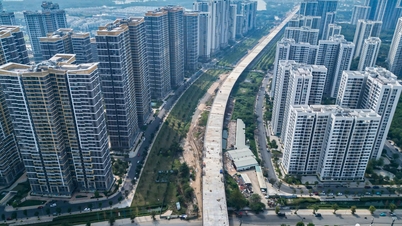
Entering a new phase, the post-merger "megacity" context presents long-term strategic requirements. According to the plan, Ho Chi Minh City, after the merger, will become a multi-centered, multi-polar urban area with an area of over 6,722 km² and a population of over 14 million people. Consequently, the city's agriculture will expand, encompassing 168 commune-level administrative units (113 wards, 54 communes, and 1 special zone) and nearly 450,000 hectares of agricultural land – almost four times the previous area – opening up new opportunities, potential, and advantages. Simultaneously, this brings new challenges stemming from rapid urbanization, shrinking agricultural land, changing production conditions, ecological degradation, an aging workforce, low land use efficiency, and a tendency towards slower growth and income for farmers.
In this context, the requirement is to review and adjust the "Program for the Development of Urban Agriculture in Ho Chi Minh City for the period 2026-2030, with a vision to 2050" to both promote the restructuring of the industry, build new rural areas, and integrate it synchronously into the adjustment of the city's planning.
Key solution groups have been identified, including: perfecting urban agricultural development spaces; strongly developing science and technology and digital transformation; expanding multi-value agricultural economic models; developing high-quality human resources; strengthening investment attraction and agricultural enterprise development; building advanced and smart new rural areas; and managing resources and protecting the urban environment sustainably.
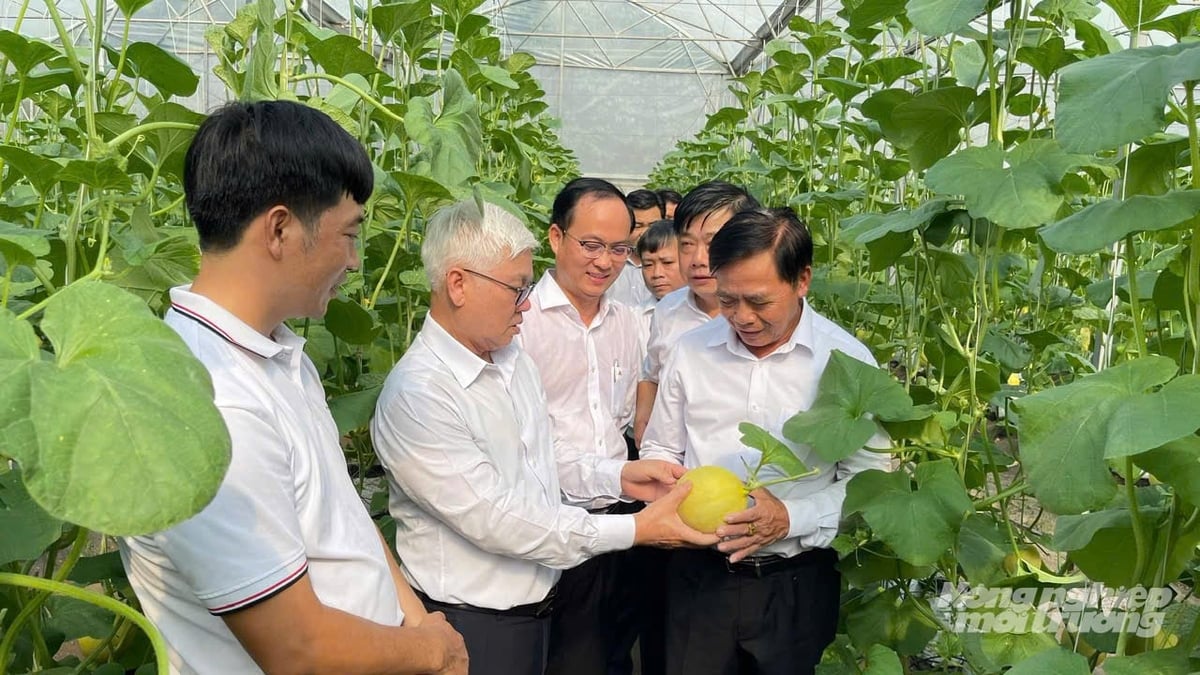
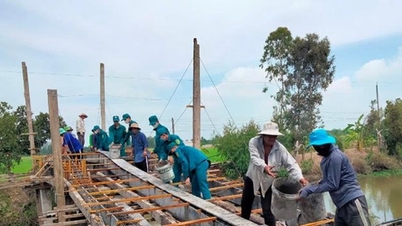
Ho Chi Minh City has identified the development of agriculture and rural economy as being linked to the construction of new rural areas, focusing on highly efficient ecological agriculture, modern rural areas, and civilized farmers. Photo: Nguyen Thuy.
For the period 2026-2030, Ho Chi Minh City has identified the development of agriculture in the direction of "High-tech - Ecological - Circular - Smart City". This must be a guiding principle for action, not just a slogan, shifting from a production-oriented mindset to an economic mindset; from fragmentation to a value chain; and from urban farming to urban agricultural economy.
Once the bottlenecks in human resources, capital, and leading enterprises are resolved, especially after the National Assembly approves the amended Resolution 98, there will be specific mechanisms to create a breakthrough for urban agriculture in Ho Chi Minh City, simultaneously creating value, improving the quality of life for residents, and contributing to maintaining ecological balance for a rapidly developing megacity.
Source: https://nongnghiepmoitruong.vn/nong-nghiep-do-thi-tphcm-tai-co-cau-de-phat-trien-ben-vung-giai-doan-moi-d789197.html



































































Comment (0)