

Australia's National Waste Report reveals that 531,000 tonnes of electronic waste were generated in the country between 2020 and 2021. Rebecca Gilling, CEO of the environmental organization Planet Ark, stated that this means each Australian generates an average of over 20kg of waste, far exceeding the global average per capita of around 7kg.
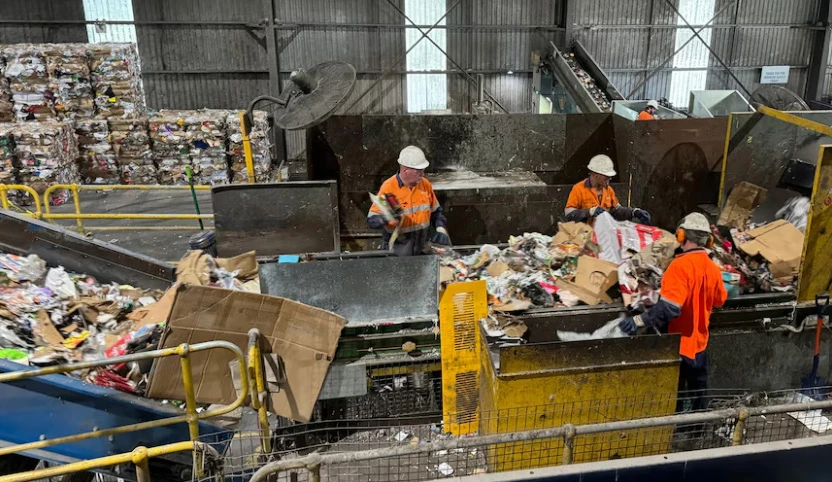
Approximately 54% of these are sent for recycling, and around 35% are recovered. Batteries are one of the most concerning types of electronic waste. Estimates suggest that 90% of used batteries in Australia end up in landfills, leaking toxic substances into the soil and water. However, if properly handled, 95% of battery components can be recycled into new products.
To address this, Australian state and territory governments have partnered with B-cycle, a federally supported program, to establish collection points for used household batteries at community recycling centers and major retail outlets. Authorities also recommend that, even when disposing of unused batteries in designated locations, people should still take simple safety precautions to avoid the risk of fire or explosion. There are some exceptions to the B-cycle recycling program's eligibility criteria, including lithium batteries commonly used in electric bicycles and scooters.
According to Professor Tianyi Ma of RMIT University, lithium-ion batteries are used in far more everyday devices than we might imagine, for example in smartphones, laptops, tablets, and digital cameras, larger devices like electric vehicles, cars, motorcycles, and even devices for storing grid energy in solar farms. The primary risk with lithium-ion batteries is the risk of fire and explosion, as lithium itself is a highly explosive metal.
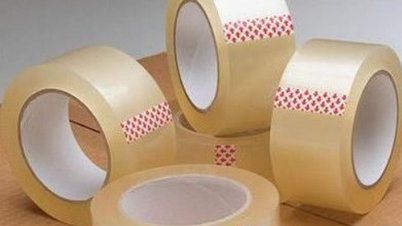
To avoid risks, Professor Tianyi Ma recommends storing lithium-ion batteries in a cool, dry place and in a non-conductive container to prevent short circuits. Many electronics stores and local waste management services offer battery recycling, such as the Officeworks stationery store chain and supermarket chains like Woolworths, Aldi, and Bunnings. When safely removing lithium batteries from products by hand, the battery terminals should be sealed with non-conductive tape, similar to adhesive tape, before sending them for recycling to a designated location. Professor Ma emphasizes that safety is paramount when handling used batteries.
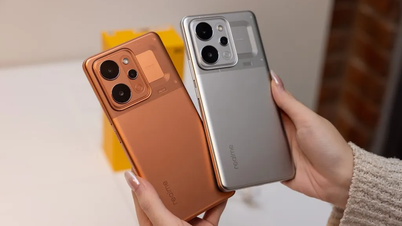
In addition, several product management programs exist across Australia for recycling electronic devices. Under these programs, manufacturers and importers of such products are required to fund recycling efforts. Phone accessories and related devices are also accepted for recycling under these programs, such as chargers, accessories, modems, wearables, and smart home devices. Recycling phones via mobile collection points is completely free, through one of 3,000 collection locations across Australia or by mail via mobilemuster.com.au and entering your postcode. Mobile phone batteries are also recycled through the Mobile Muster program if they are still inside the device. If the battery has been removed, it is sent for recycling through the dedicated B-cycle program for batteries.
LAM DIEN
Source: https://www.sggp.org.vn/muon-mau-tai-che-rac-dien-tu-post745733.html

![[Photo] General Secretary and President To Lam meets with National Assembly delegates from ethnic minorities.](https://vphoto.vietnam.vn/thumb/1200x675/vietnam/resource/IMAGE/2026/04/20/1776696701056_a1-bnd-8331-3342-jpg.webp)

![[Image] National Assembly discusses the implementation of the socio-economic development plan.](https://vphoto.vietnam.vn/thumb/1200x675/vietnam/resource/IMAGE/2026/04/20/1776696707422_ndo_br_img-20260420-185419-jpg.webp)















































































Comment (0)