Looking at Hanoi's changes after 70 years of liberation
Báo Lao Động•28/09/2024
Hanoi - 70 years after the Liberation of the Capital (October 10, 1954), historical landmarks have undergone many changes over time.
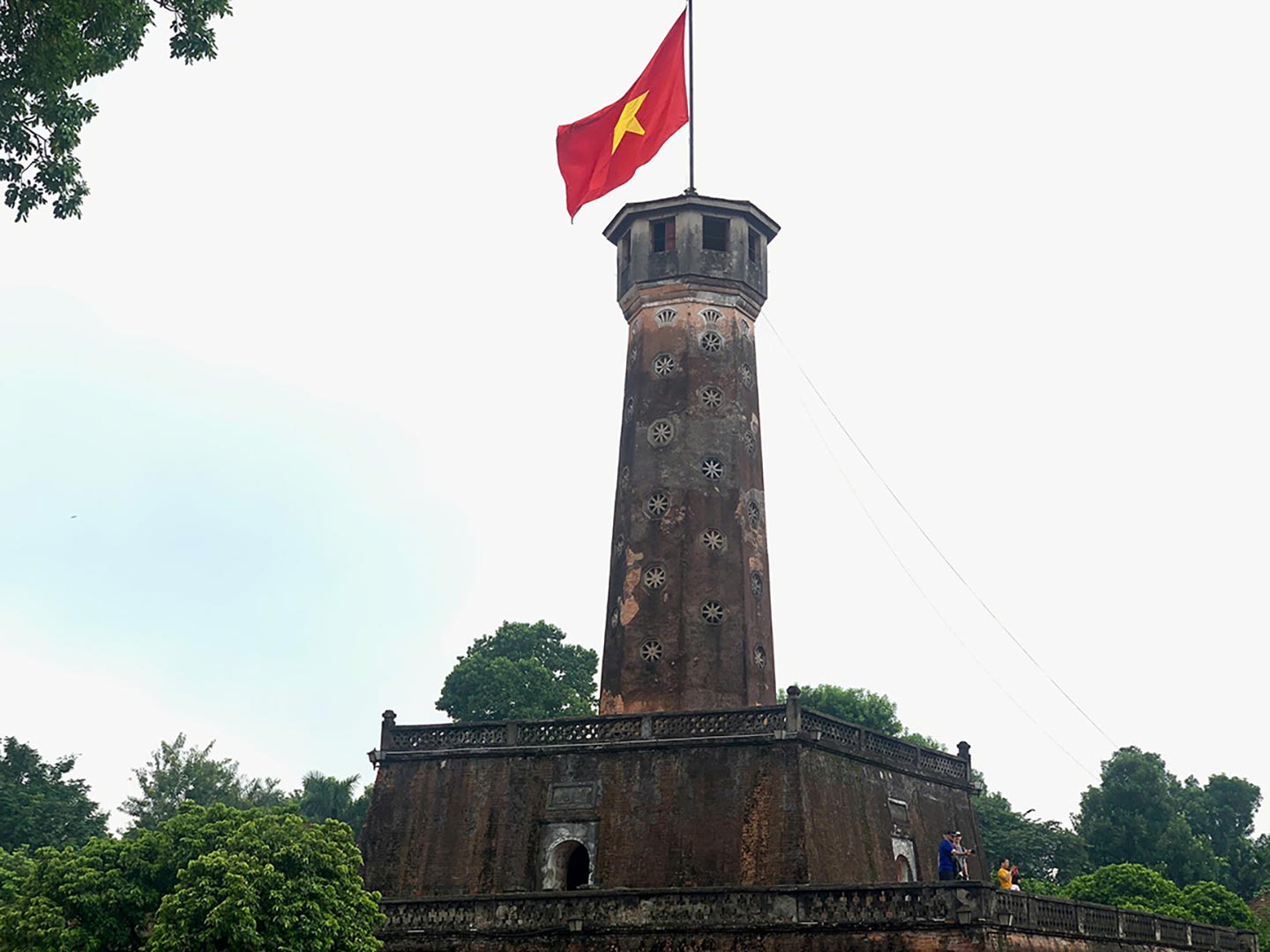
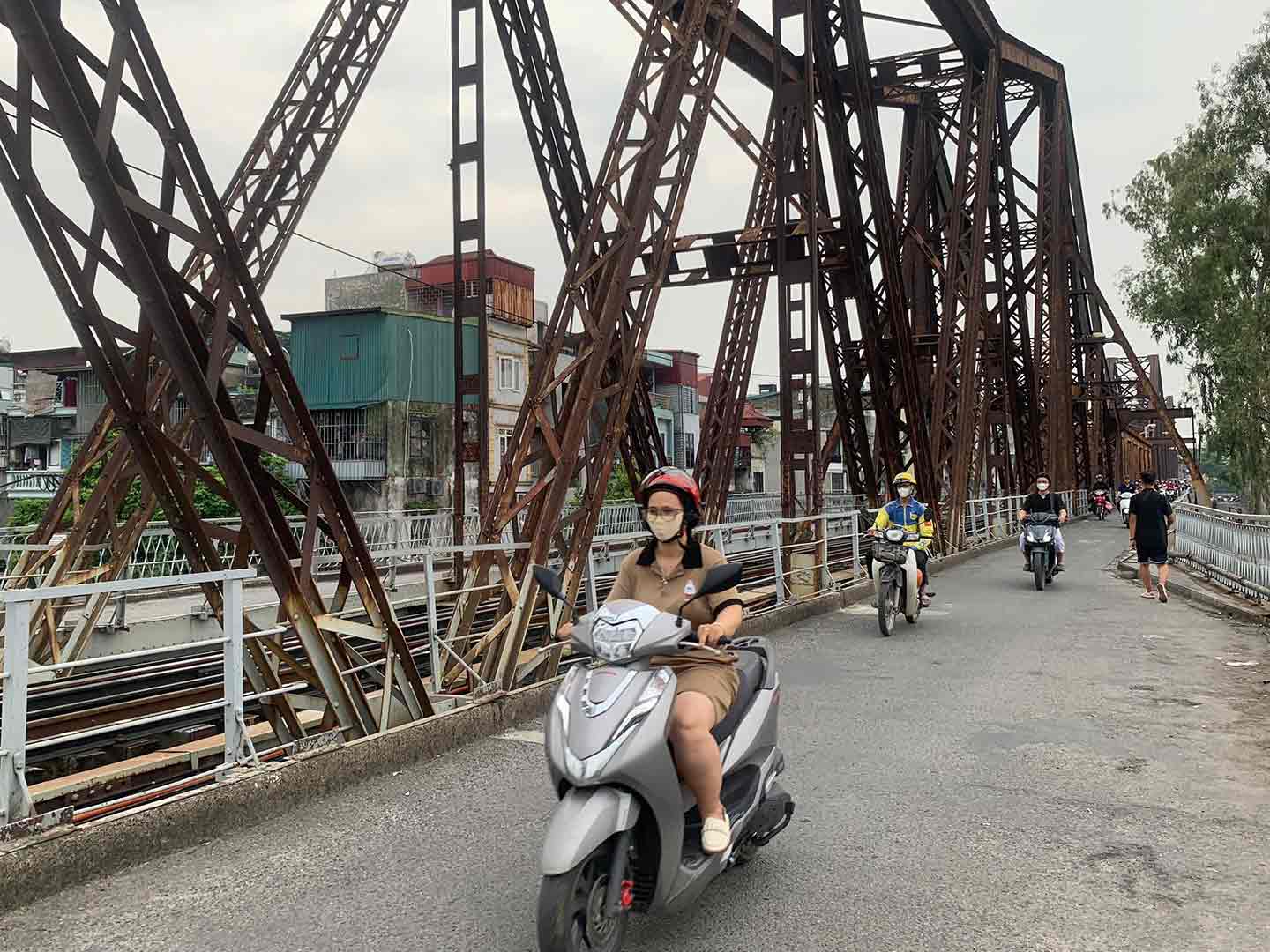
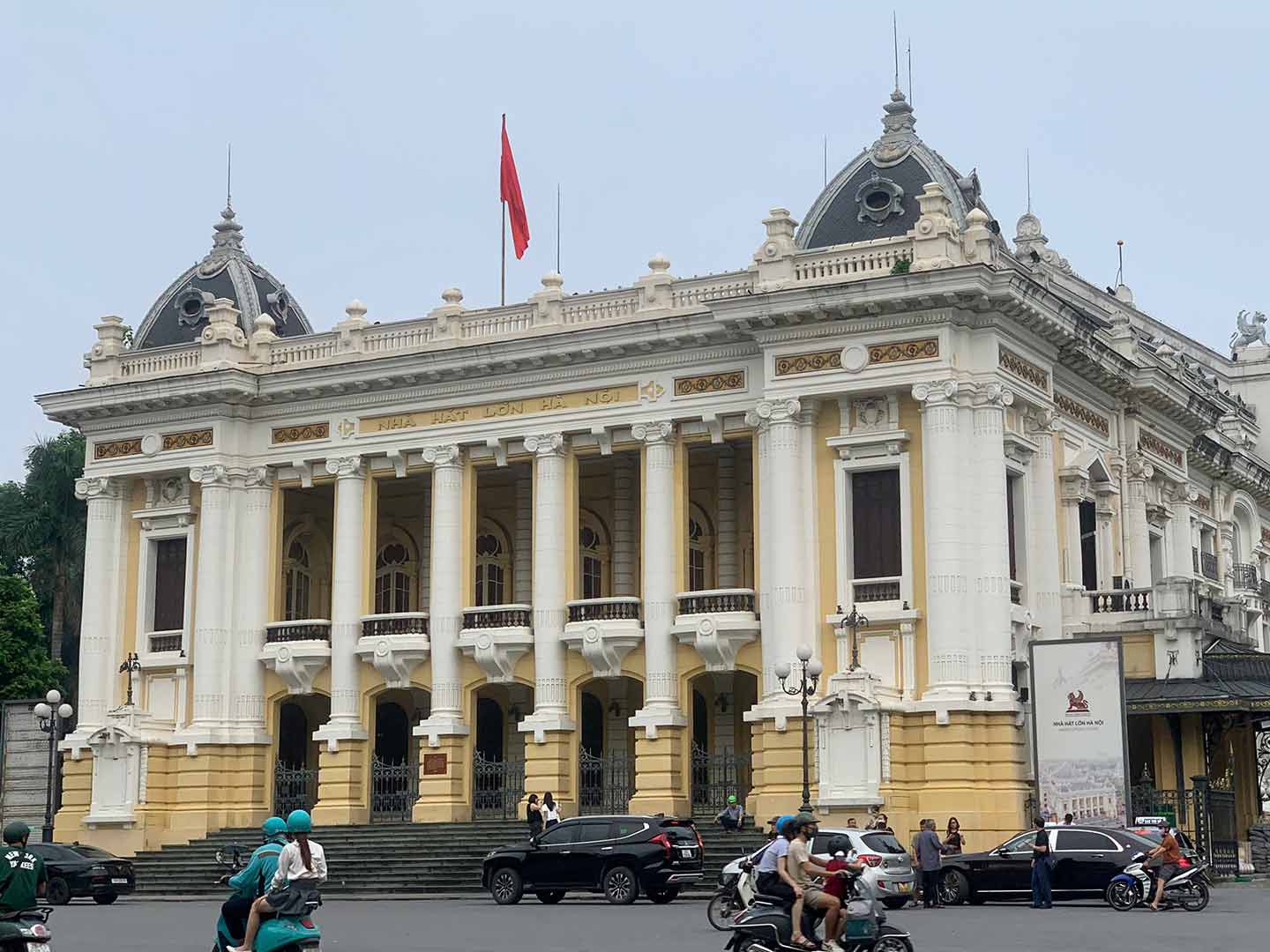
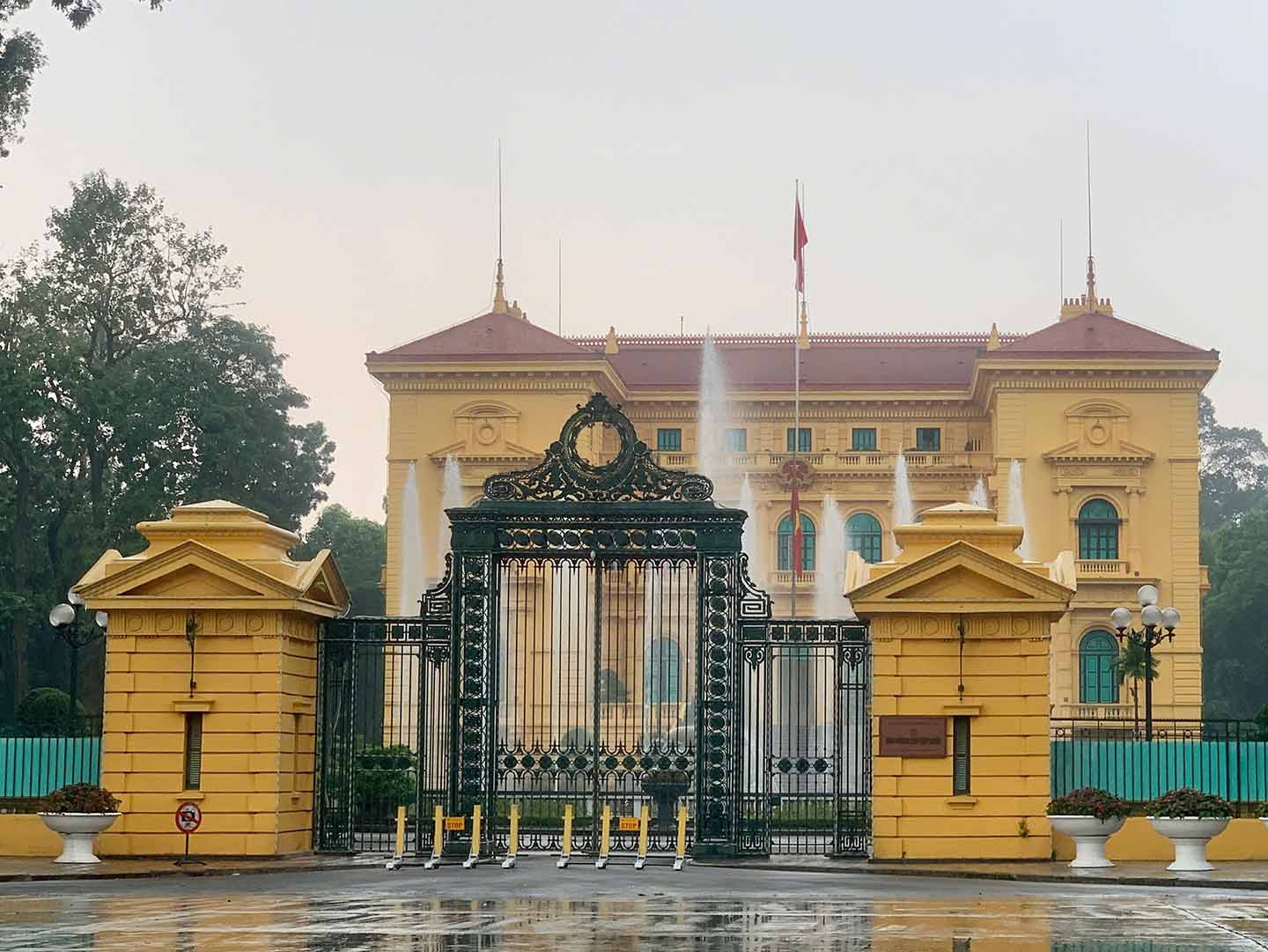
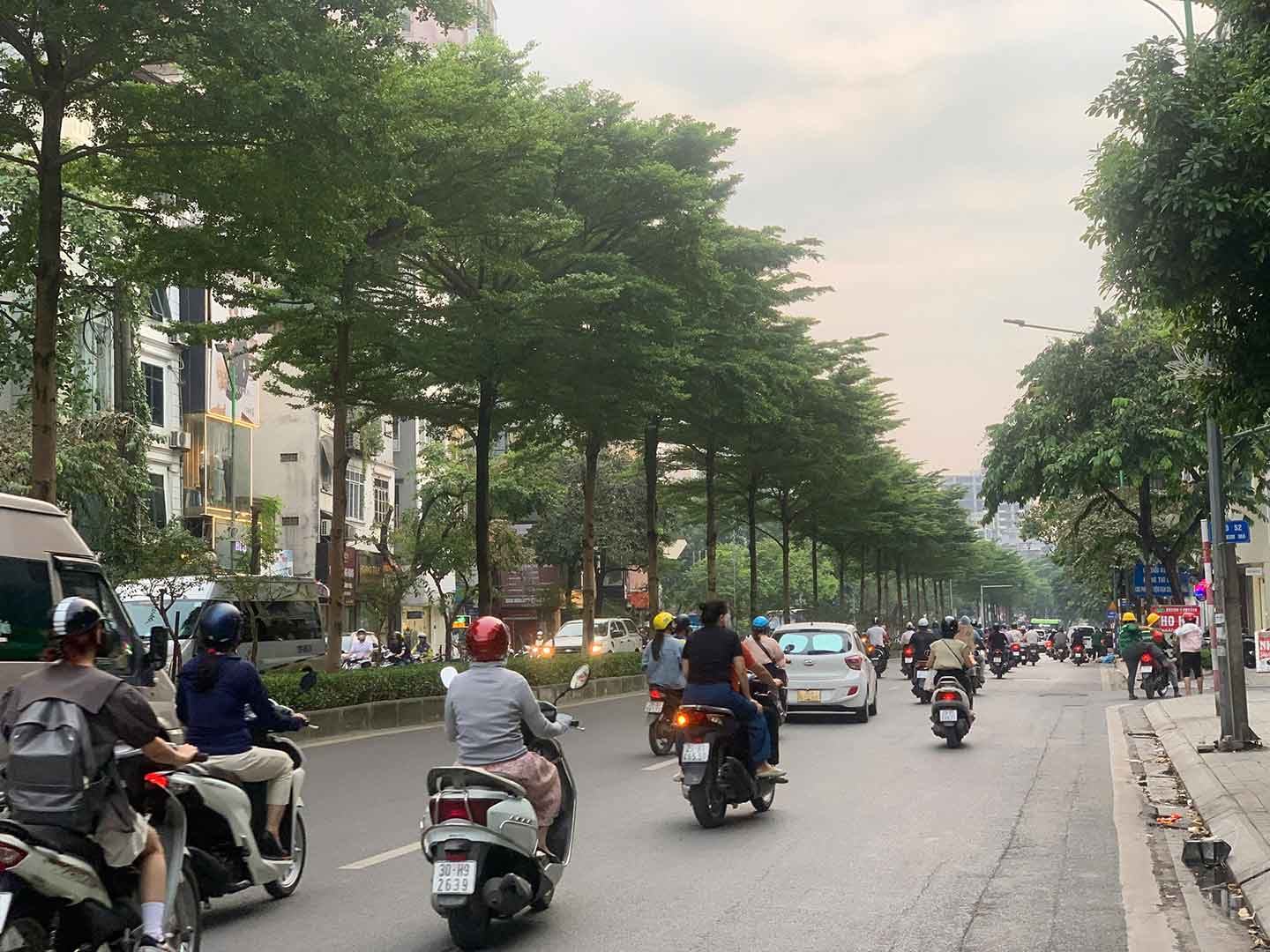
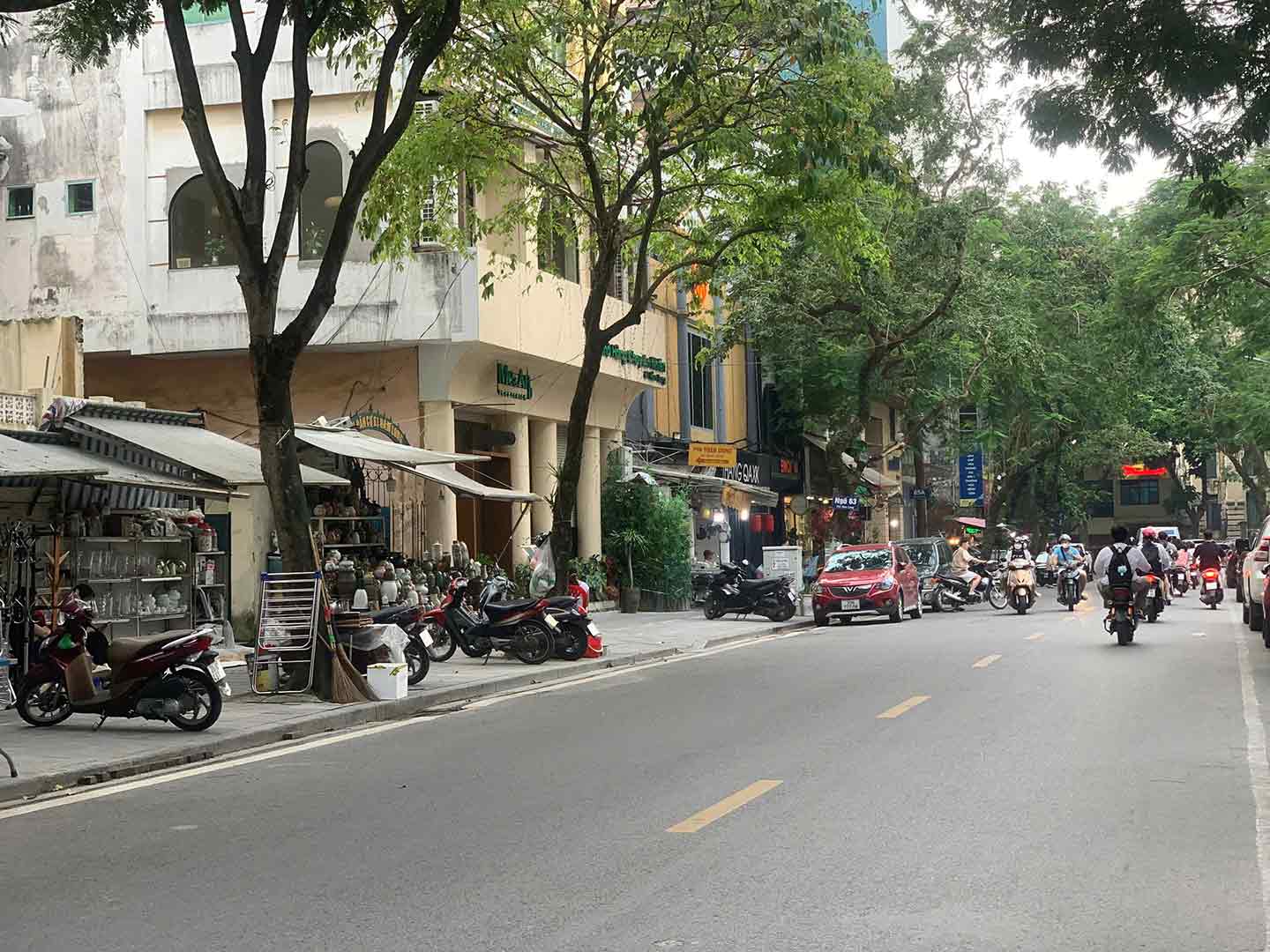
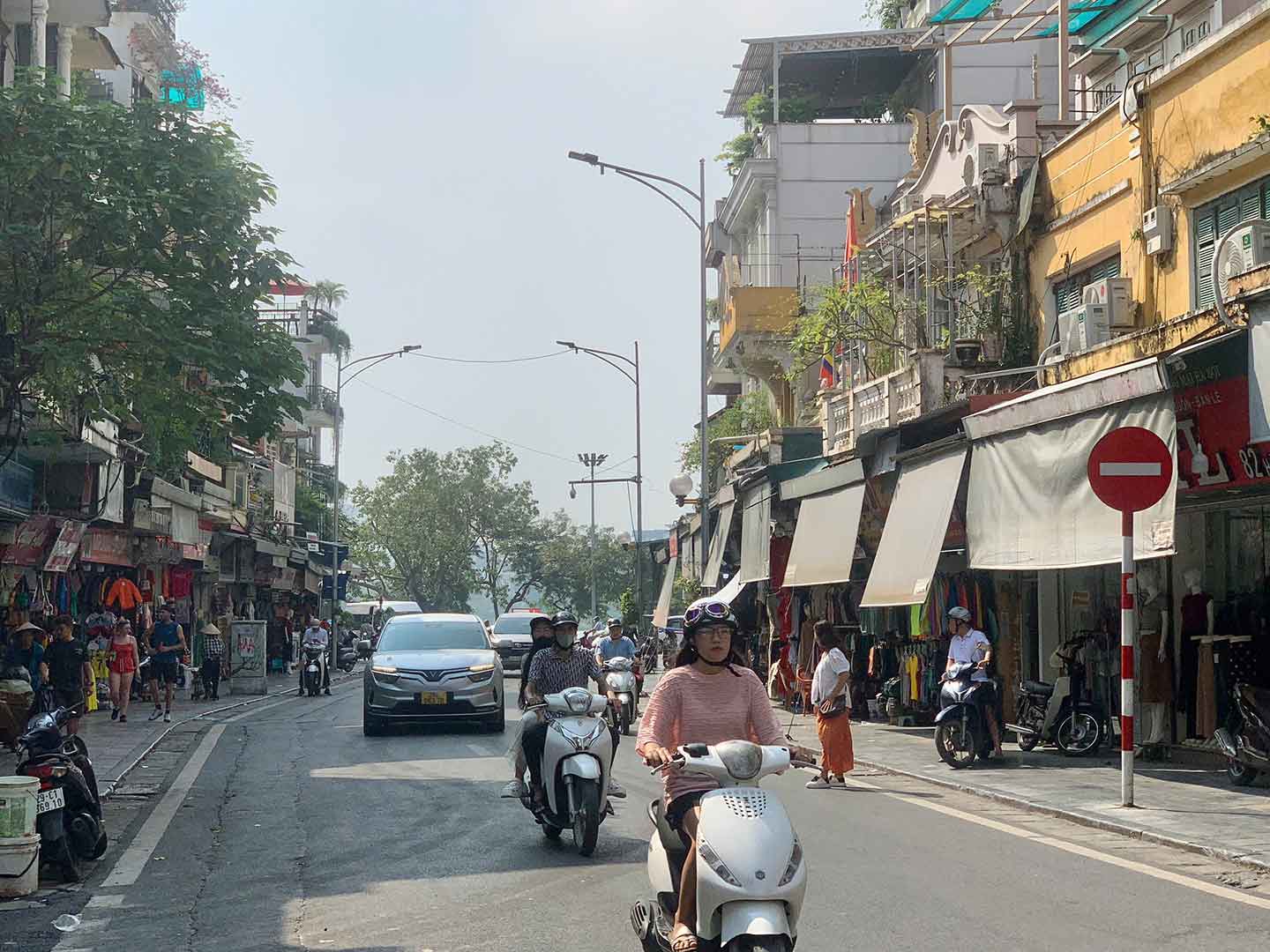
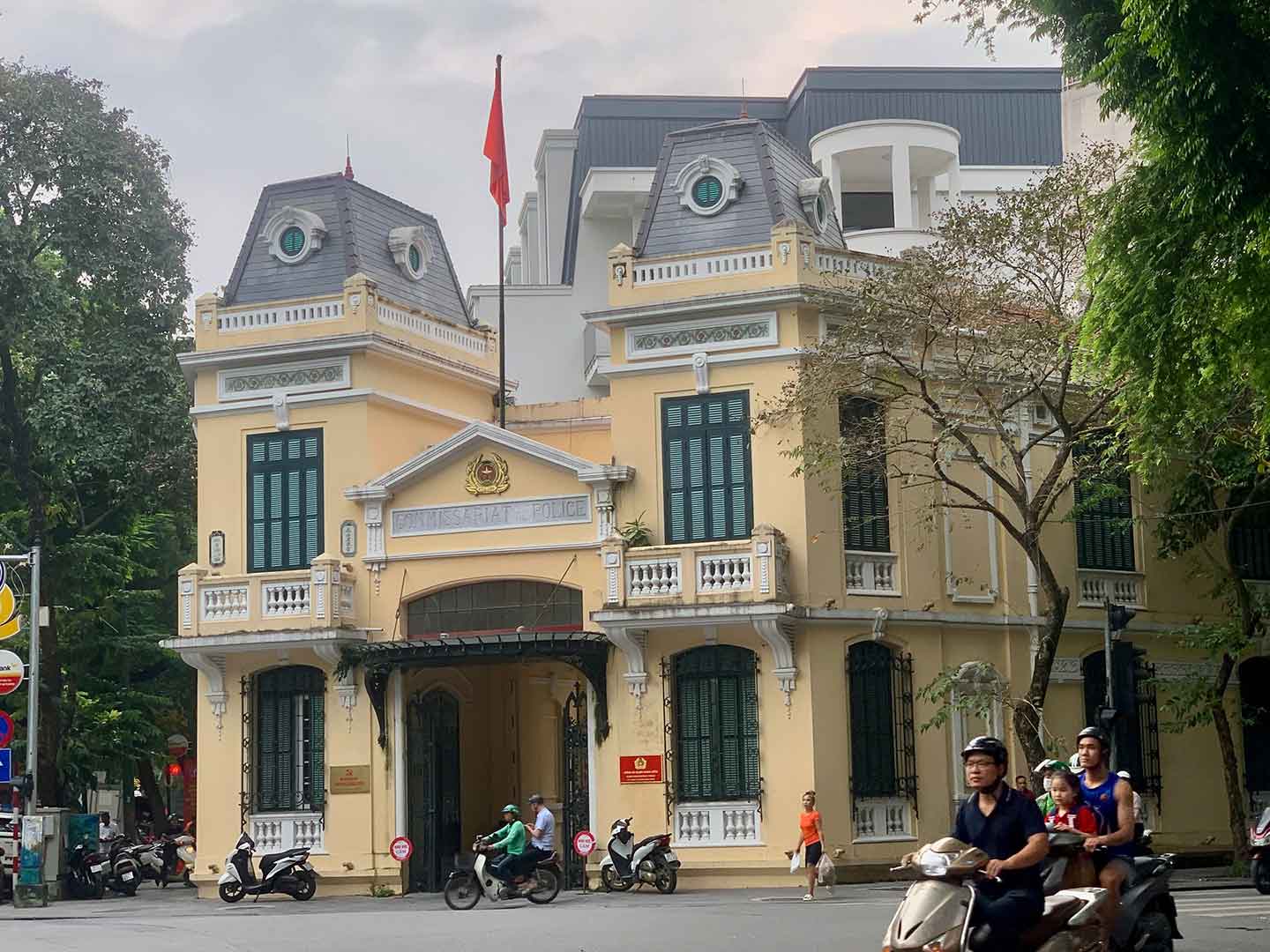
After 70 years, many buildings in Hanoi still retain their valuable historical and cultural significance. Photo: Nhat MinhThe Long Bien Bridge is a historical witness to the victory of our army and people. On July 20, 1954, the Geneva Accords were signed, forcing the French army to withdraw from Hanoi within 80 days. By October 9, 1954, the last French soldiers had withdrawn across this bridge. At the same time, the Vietnamese army advanced onto the bridge to take over the capital. To this day, 70 years after the liberation of Hanoi, the more than 2km long bridge, built by the French, is still preserved and maintained. The Long Bien Bridge has been preserved over the years. Photo: Nhat MinhHanoi Opera House: At 3 PM on October 10, 1954, the Hanoi Opera House sounded the horn signaling the historic flag-raising ceremony. This building was started by the French in 1901 and completed 10 years later. To this day, the Hanoi Opera House remains a major venue for cultural and artistic events in the city. The Hanoi Opera House is a venue for many important artistic events. Photo: Nhat MinhHanoi Flagpole: In 1954, the sacred flag-raising ceremony on the Liberation Day of Hanoi took place at the Hanoi Flagpole. On the afternoon of October 10th, the military band played the national anthem under the direction of Comrade Dinh Ngoc Lien, and the national flag was raised on the Hanoi Flagpole. This event marked the period when Hanoi was completely freed from the yoke of French colonial rule and our people rose up to take control of their own destiny. Currently, the Hanoi Flagpole is still preserved and remains intact, located on Dien Bien Phu Street (Ba Dinh District, Hanoi). The Hanoi Flagpole is a popular tourist destination for many international visitors. Photo: Nhat MinhThe Presidential Palace is currently the workplace and reception area for international guests. Previously, it served as the Governor-General's Palace of Indochina, designed by the French architect of German origin, Lichtenstein. The building is in the Renaissance style and was completed in 1906. Images of the Presidential Palace after many years of construction. Photo: Nhat Minh Seventy years ago, people lined both sides of Kim Ma Street to welcome the 308th Division as it entered and took over the capital. Today, this street is always bustling with traffic every day and is one of the capital's important transportation arteries. Traffic is heavy on Kim Ma Street. Photo: Nhat MinhHam Long Street (Hoan Kiem District, Hanoi) is over 500 meters long and 10 meters wide. It was also known as Doudard de Lagrée Avenue during the French colonial period. Seventy years ago, in the autumn, residents on both sides of the street hung red flags with yellow stars to celebrate the Liberation of the Capital. Ham Long Street (Hoan Kiem District, Hanoi) was once a place where people hung flags on both sides of the street to celebrate the liberation of the capital city. Photo: Nhat Minh During the French colonial period, Hang Dao Street (Hoan Kiem District, Hanoi) was called Rue de la Soie. In the early 20th century, the French installed railway tracks for the tram line from Hoan Kiem Lake to Hang Dau Street. However, by the end of the 20th century, the entire tram line was dismantled and replaced with buses. Currently, Hang Dao Street is a bustling commercial area attracting numerous domestic and international tourists . On weekend evenings, it hosts the Hang Dao - Dong Xuan night market pedestrian zone. A bustling scene on Hang Dao Street (Hoan Kiem District, Hanoi). Photo: Nhat Minh When the French occupied Hanoi, they established a police force, also known as the "cam" team, to maintain security and order. The Hang Trong Police Station was where they worked and temporarily detained criminals. After 1954, it became the headquarters of the Hoan Kiem District Police and remains there to this day. The Hang Trong Police Station, now the headquarters of the Hoan Kiem District Police, is located near the Hoan Kiem Lake area. Photo: Nhat Minh

 Báo Lao Động•28/09/2024


















































































Comment (0)