

Three pillars of development
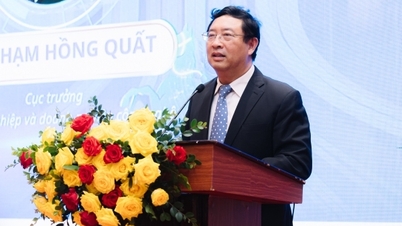
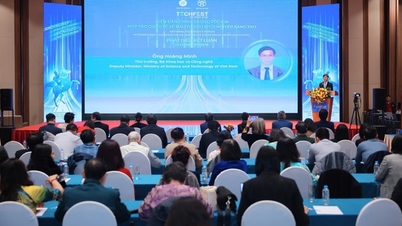
At the forum "Strategic Technology Development of the Capital City 2025," held within the framework of the national TECHFEST 2025 on the morning of December 13th, Mr. Nguyen Quang Huy - Chairman of the Vietnam National Startup Investment Fund (VNSIF) - stated that Hanoi's target of 40% of its GRDP from the digital economy is significantly higher than the national target of 30% of GDP. Furthermore, Hanoi aims for a GRDP growth rate of 11% per year during the 2026-2030 period, exceeding the national target of approximately 10% per year.
"To realize these impressive figures, we need the joint efforts of the international community, overseas Vietnamese, businesses, and the domestic startup community. This is a key factor in promoting socio-economic and scientific and technological development in the spirit of Resolution 57 of the Central Committee," Mr. Huy emphasized.
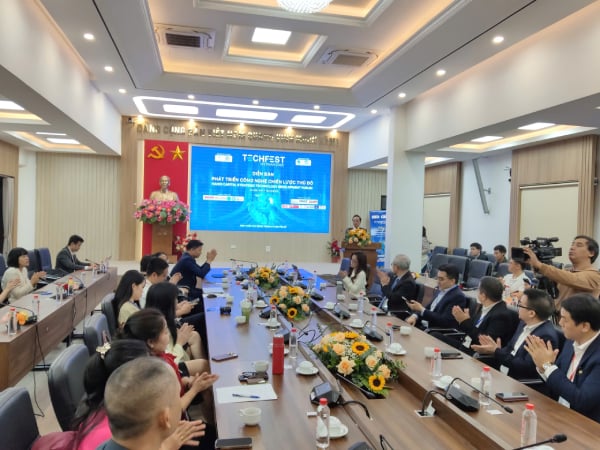
Associate Professor, Dr. Nguyen Lan Trung - Standing Vice Chairman and General Secretary of the Association for Liaison with Overseas Vietnamese (ALOV) - analyzed the favorable context arising from the Politburo's strategic resolutions (Resolutions 57, 68, 59) and Decision 222 on the Capital City Planning. According to him, Hanoi is facing great opportunities but also numerous challenges, requiring a focus on three main pillars.
According to Mr. Trung, the institutional pillar is the most important factor. "Previously, there was a saying, 'Hanoi can't be rushed,' but now, with the decisive leadership of the new administration, we are witnessing a strong institutional transformation with specific policies aimed at removing bottlenecks," Mr. Trung shared.
With its modern infrastructure as a foundation, the capital city needs a comprehensive and advanced infrastructure system to meet development requirements.
As for the pillar of high-quality human resources, this is a decisive factor. Hanoi needs to attract diverse intellectual talent from both domestic and international sources, especially resources from the 6.5 million overseas Vietnamese, including more than 500,000 people with university degrees or higher who hold important positions in developed countries.
7 strategic technology groups and 3 breakthrough mechanisms
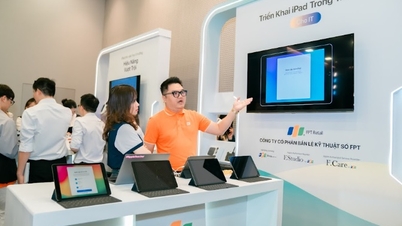
Delving into technological solutions, Mr. Nguyen Trong Tu, representative of FPT Software, emphasized the role of AI and data in building smart cities. For a megacity of 10 million people like Hanoi, the pressure on traffic, environment, and public services is immense.
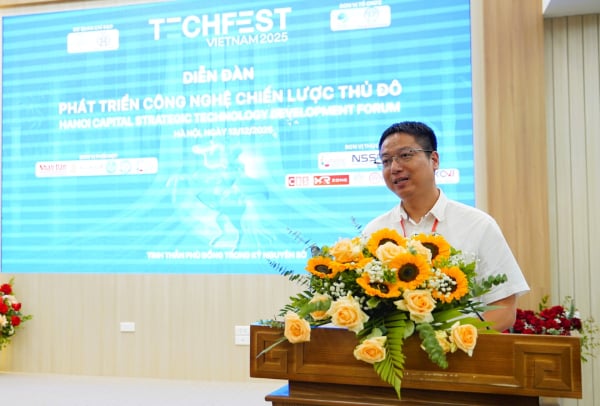
"The application of AI, IoT connectivity, and the creation of digital twins are essential to solving problems such as flooding and traffic congestion. In particular, I recommend that Hanoi should develop its own private AI model and virtual assistant for each official, civil servant, and profession," Mr. Tu proposed.
Representatives from FPT Software also emphasized the importance of designing the overall architecture from the outset and activating a data-driven governance ecosystem.
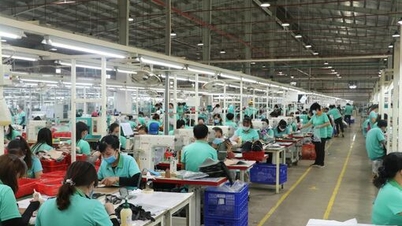
From the perspective of smart manufacturing, Ms. Pham Thi Nhung, representative of VTI Group, believes that Hanoi possesses the necessary human resources and logistics to develop smart factories in the North. She urged businesses to boldly invest in data platforms, production management systems, and technology platforms, and expressed her hope that regulatory agencies would soon finalize the technology sandbox mechanism.
Regarding the semiconductor industry, Mr. Tan Teong Wei from Infineon Technologies believes Hanoi has a great opportunity to participate in the global value chain. He suggested that the city needs tax incentives, specialized infrastructure, the construction of an R&D center, and the training of 20,000 electrical and electronics engineers in the next 10 years.
In the cultural industry sector, according to Ms. Nguyen Thi Hong Nhung - Co-founder of XRZone, virtual reality (XR) technology will open up a new economic sector, combining the advantages of Hanoi's thousand-year-old cultural heritage. She suggested the need for testing spaces, government-ordered projects, and a fund to support the commercialization of cultural and technological products.
Based on the discussions, the forum unanimously proposed that Hanoi select 7 strategic technology groups as drivers of growth for the period 2026–2035, with a vision to 2045.
The seven strategic technology groups include: artificial intelligence (AI) and machine learning; semiconductor and integrated circuit industry; robotics, intelligent automation (IoT, Smart Home, Smart Factory); digital twin technology; smart cities, digital infrastructure, big data; clean energy & sustainable technology; and virtual reality (VR, XR, Metaverse) technology serving the cultural and tourism industries.
To promote these technology groups, the forum also agreed to propose three key policy mechanisms that represent "institutional breakthroughs." These include a deep-tech sandbox allowing for the piloting of new technologies without legal regulations for 36–48 months in Hoa Lac, Dong Anh, and along the Red River. The Hanoi Technology Venture Capital Fund has a target size of $300–500 million by 2030, operating under a PPP model. With the PPP Deep-tech mechanism, high-tech enterprises can invest in public research laboratories and infrastructure, receiving priority rights to commercialize research results in return.
Source: https://doanhnghiepvn.vn/cong-nghe/de-xuat-7-nhom-cong-nghe-chien-luoc-cho-thu-do/20251213024007993


![[Photo] Prime Minister Pham Minh Chinh attends the Conference summarizing and implementing tasks of the judicial sector.](/_next/image?url=https%3A%2F%2Fvphoto.vietnam.vn%2Fthumb%2F1200x675%2Fvietnam%2Fresource%2FIMAGE%2F2025%2F12%2F13%2F1765616082148_dsc-5565-jpg.webp&w=3840&q=75)

















































































Comment (0)