

The journey began at a damaged suspension bridge, destroyed by the remnants of Typhoon No. 10. The bridge deck was bent and broken, forcing us to cling to ropes, carefully making our way across the stream to continue our journey by motorbike.
“That’s just the beginning of the journey; there are many more challenges ahead for those who want to reach Khe Long 3, journalist!”, Mr. Do Cao Quyen, Chairman of the People’s Committee of Mo Vang commune, said to me as he revved his “rugged” motorbike with chains wrapped around the wheels, recounting his journey to conquer the difficult road.
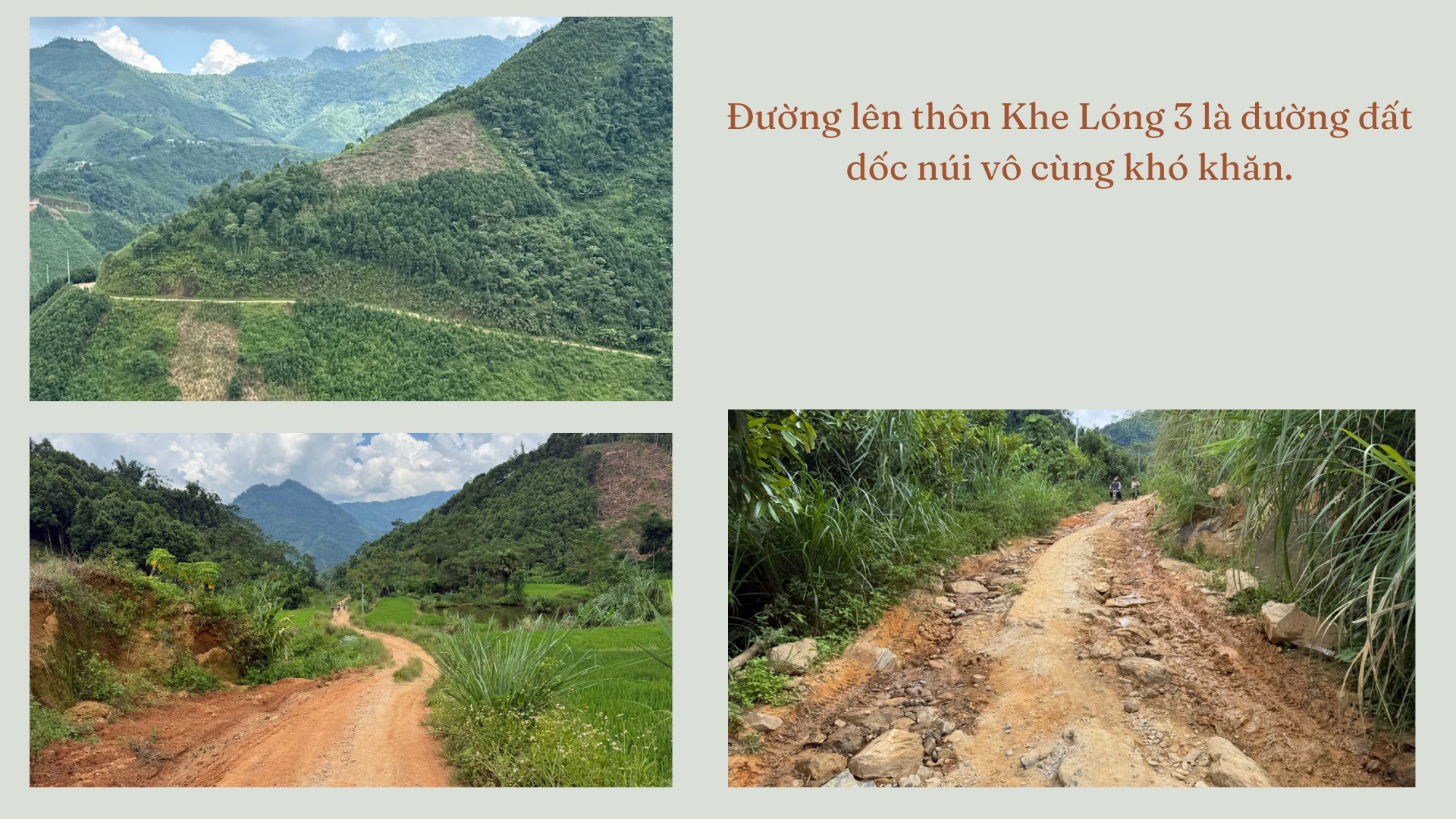
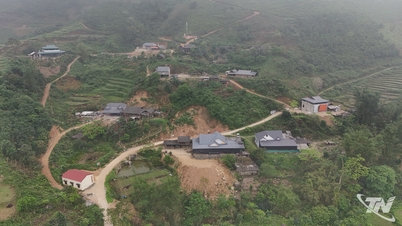
Indeed, the road to Khe Long 3 village was quite a challenge, especially for someone visiting for the first time like me. The narrow, winding dirt road snaked along the steep mountainside. On one side was a cliff, on the other a deep ravine. Only those familiar with the route and skilled drivers dared to ride motorbikes into Khe Long 3. Struggling to push our motorbikes along the way, we finally reached the Heaven's Gate with great difficulty.
According to the Chairman of Mo Vang commune, this is the highest point of the road. From here to the commune or to Khe Long 3 village, the only way is downhill. Conversely, from those two places to Heaven's Gate, the only way is to drive in first gear and floor the gas pedal.
Stopping at the Heaven's Gate, we met Ms. Vang Thi Mang - a Mong ethnic woman from Khe Long 3 village - carrying two bundles of cinnamon bark from the forest back home. Each bundle could weigh up to several tens of kilograms.
Setting down her load to rest, she wiped away her sweat and honestly shared, "If there were convenient roads, the people's economy would have better conditions for development. Without roads, everything is difficult, officer! It's hard to bring goods down to the commune center to sell because the roads are bad, and hiring someone is too expensive. The people hope for a concrete road to make travel and trade easier. As it is now, it's just too hard!"
Ms. Mang didn't talk about grand dreams. She only hoped for a road so that agricultural products wouldn't have to be carried over the mountains, so that each step would be less arduous.
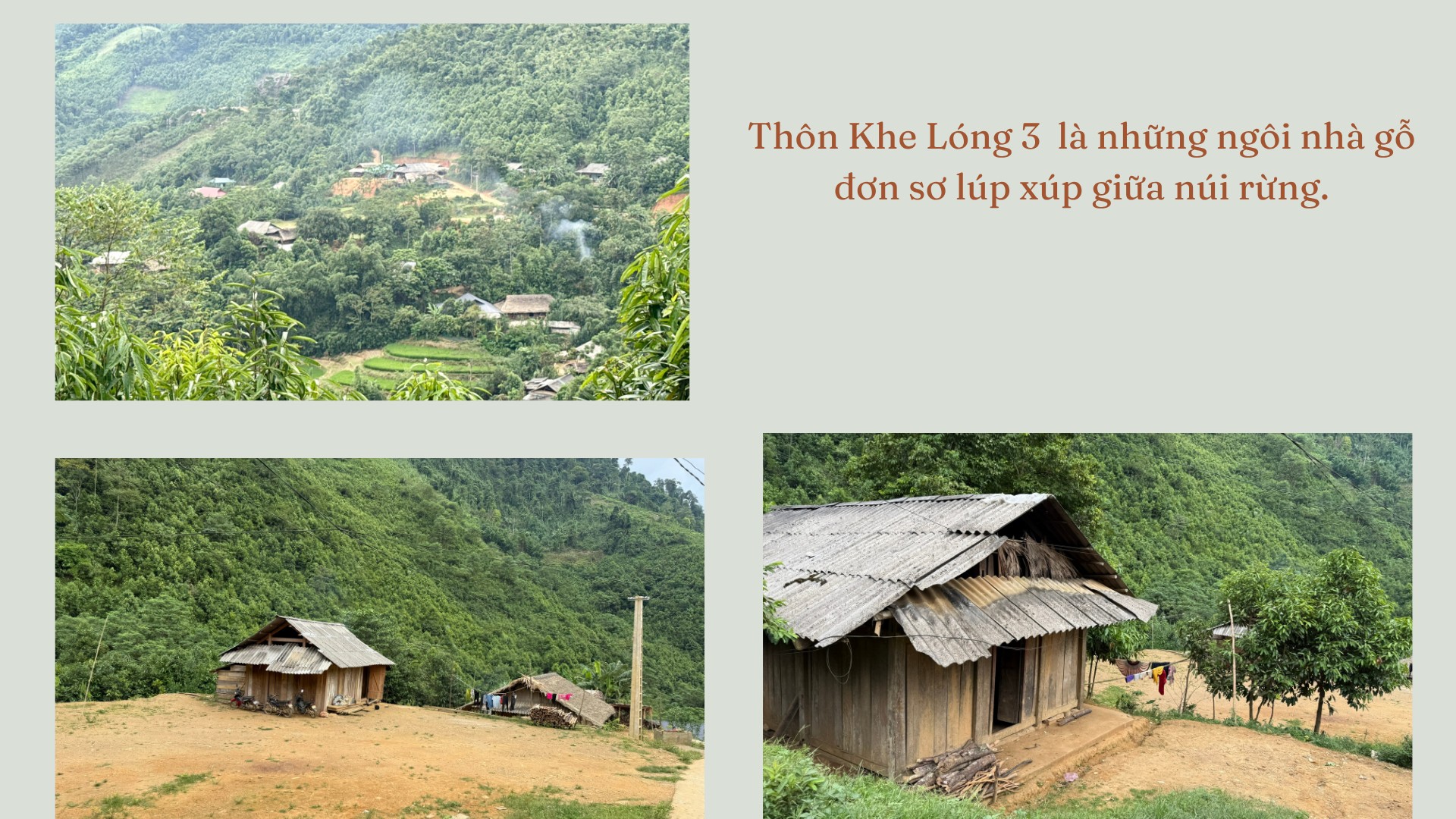
After a short break, we hurried back on our way, because if we didn't hurry, we wouldn't make it back to the village before dark, and the possibility of rain would make travel very dangerous. After struggling along the winding, bumpy roads, we finally arrived at Khe Long 3 Kindergarten (Mo Vang Kindergarten) at the beginning of the village. Inside the combined classrooms, the cheerful chatter of the children dispelled all the fatigue from the journey.
Teacher Truong Thi Thu - one of the two teachers assigned to teach at the school - is from Tan Hop commune, 20 kilometers away from the school. Despite her frail legs and delicate hands, the teachers still travel dozens of kilometers every day to reach the village and the children in the highlands, ensuring the classroom is always filled with the joyful laughter of young children.
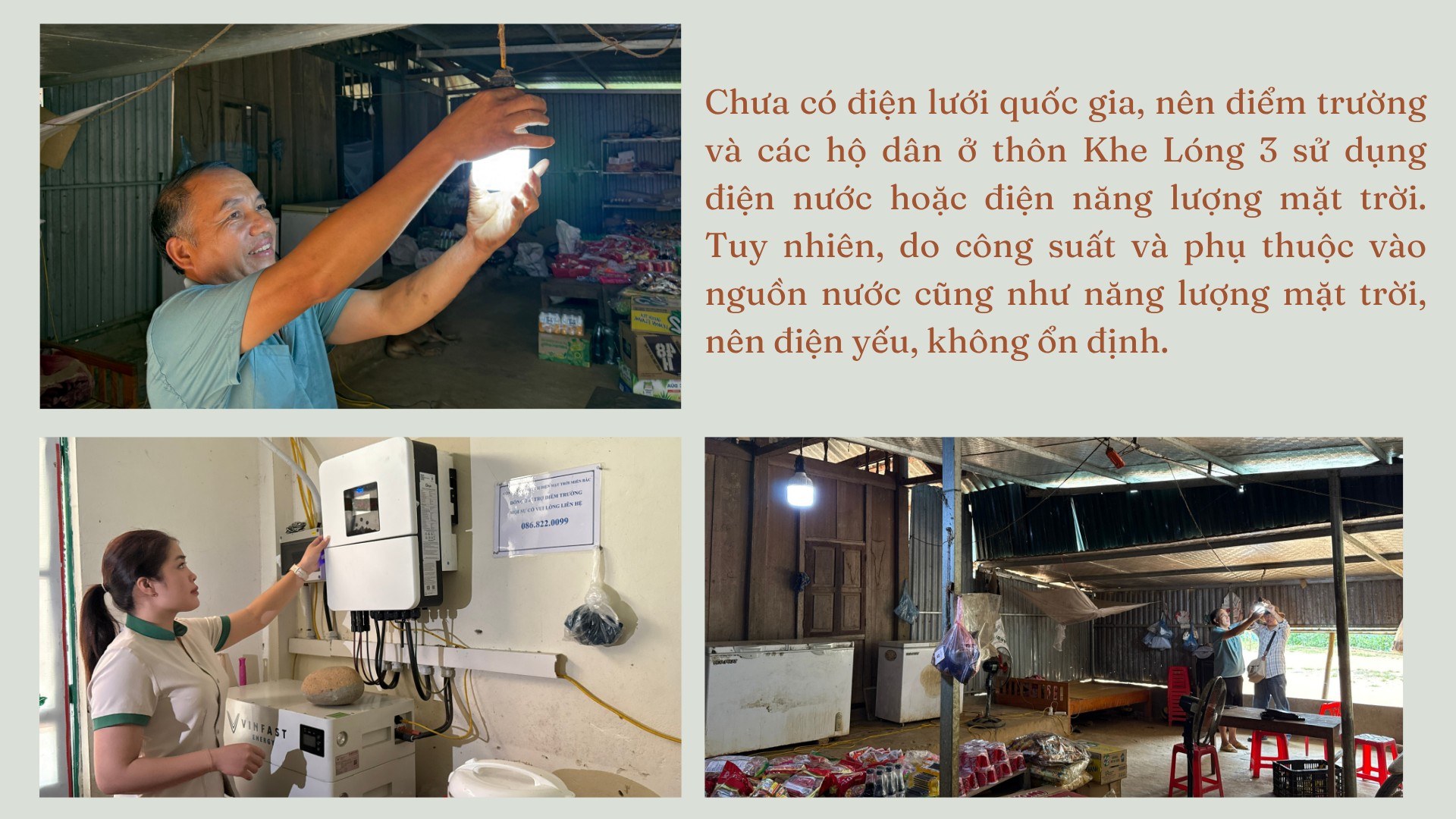
The light in the classroom went out, and Ms. Thu smiled and said, "There hasn't been any sunshine these past few days, so the 'rainwater' is weak, ladies and gentlemen!" It turned out that another difficulty for Khe Long 3 was the lack of access to the national power grid. To have electricity for lighting, the school uses solar power. It was late autumn, with little sunshine, so the energy wasn't enough to power the school all day. Without electricity, teaching and childcare activities at the school were quite limited. Activities like music and physical education were always done on a "makeshift" basis, because these activities could only be carried out when there was electricity.
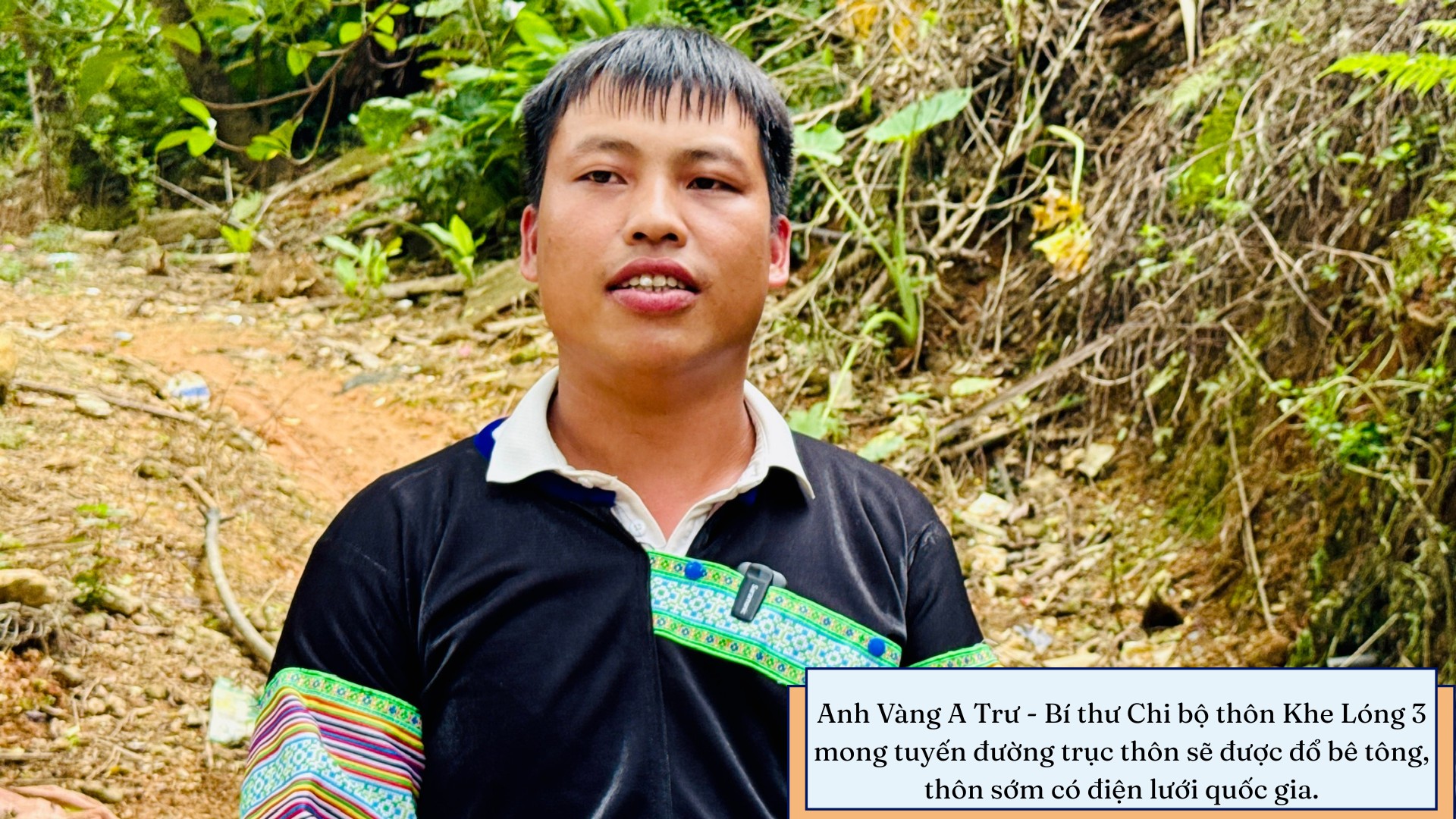
Teacher Truong Thi Thu shared: “Although the people in Khe Long 3 village are not yet well-off economically, they are very concerned about their children's education, so we don't have too much trouble encouraging students to attend class. Now, we just hope the village will have a concrete road and access to the national power grid to basically ensure that Khe Long 3 can develop economically and socially, including education.”
Sitting next to him, Mr. Vang A Chu - Secretary of the Party Branch of Khe Long 3 village - also nodded in agreement: "The people here live off cinnamon trees. If there were convenient transportation routes, they could sell it at a higher price. When there is electricity and roads, we will encourage people to produce goods and develop the forestry economy."
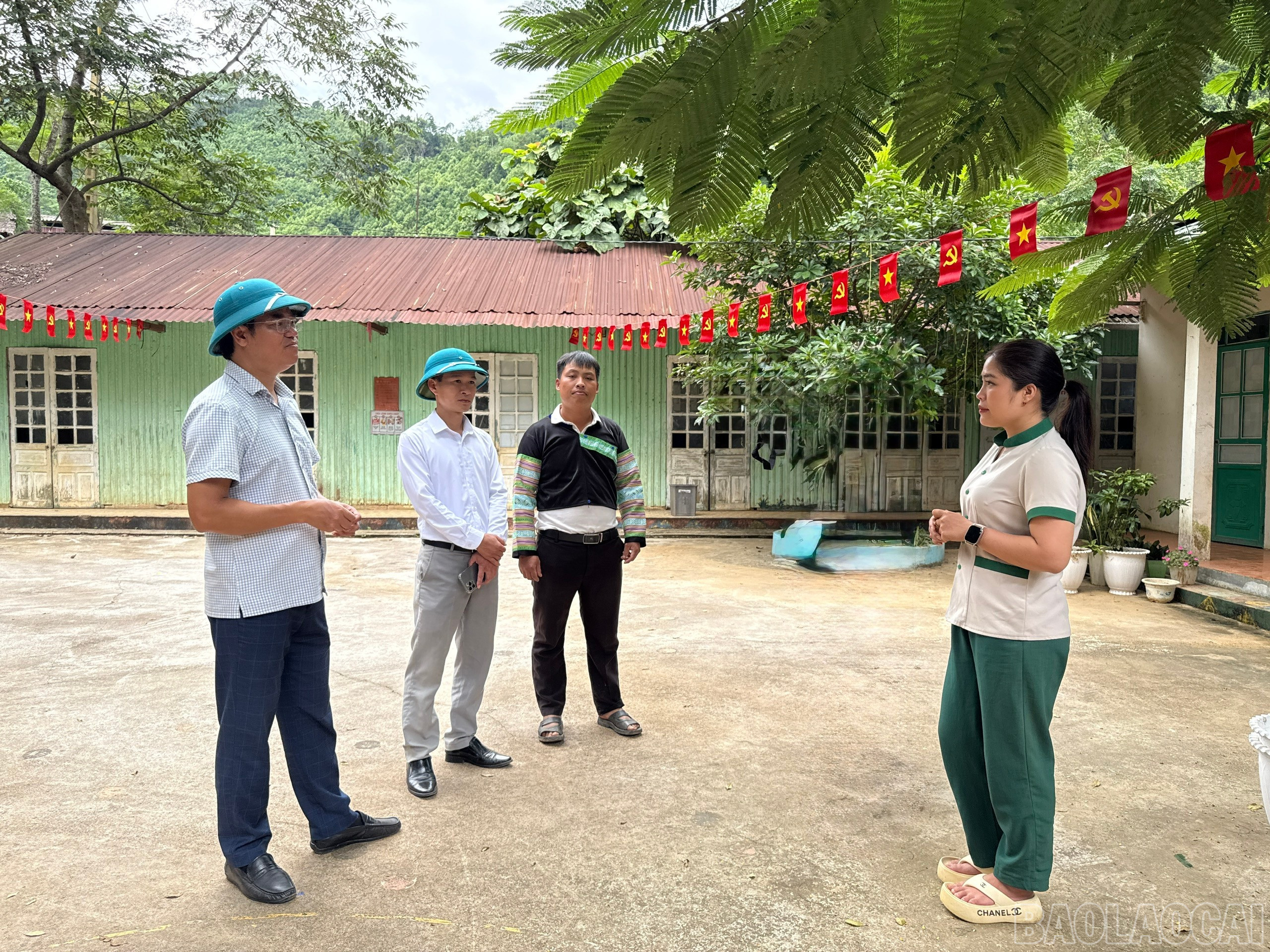
Mr. Do Cao Quyen, Chairman of the People's Committee of Mo Vang Commune, said that during the 2025-2030 term, the commune has identified infrastructure development, especially transportation, as one of the three breakthroughs to bridge the gap between villages. "Based on the decentralization and delegation of budgetary authority, the commune will allocate resources to invest in disadvantaged villages. The goal is for 100% of villages to have main roads leading to the center," Mr. Quyen added.
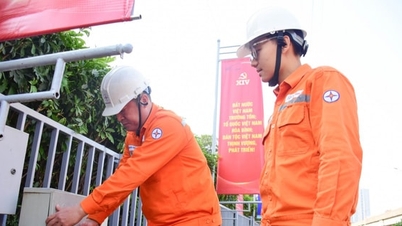
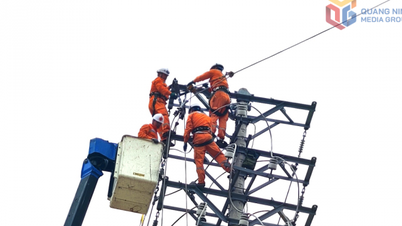
Hope is further strengthened as the national power grid is under construction. It is expected that the first streetlights will illuminate Khe Long 3 before the Lunar New Year of the Horse 2026.
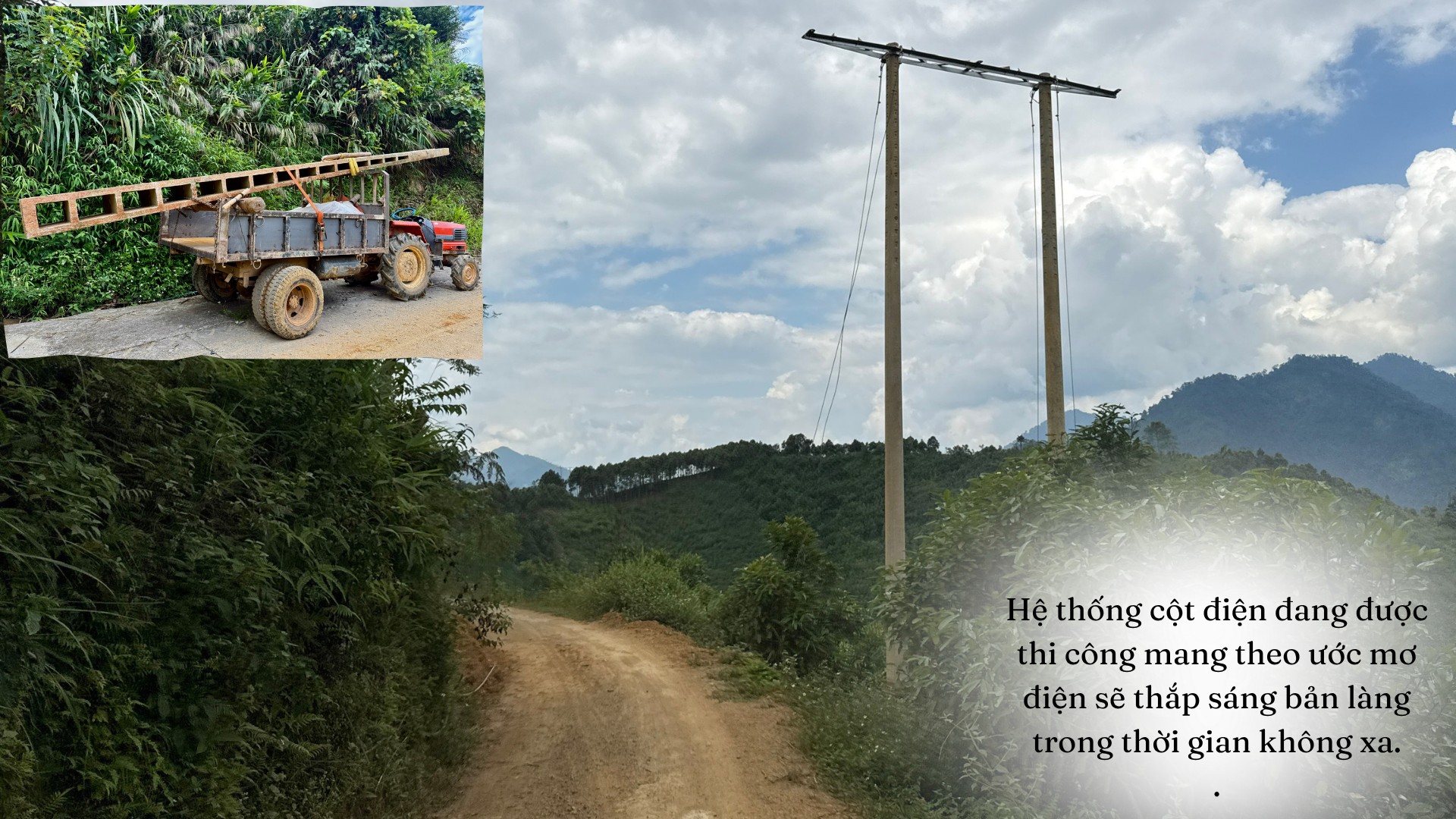
We bid farewell to Khe Long 3 and returned to the commune center before the rain poured down. The story of Khe Long 3's hardships followed us all the way down the hill. In a place without paved roads or national electricity grid, every kilogram of cinnamon bark, every letter, every step reflects the determination to overcome difficulties. We hope that one day, when we return, Khe Long 3 will be less burdened.
Source: https://baolaocai.vn/nhoc-nhan-khe-long-3-post885436.html
![[Photo] National Assembly Chairman Tran Thanh Man working with the Standing Committee of the National Assembly's Delegation Affairs Committee.](https://vphoto.vietnam.vn/thumb/1200x675/vietnam/resource/IMAGE/2026/05/20/1779294340023_ndo_br_1-1691-jpg.webp)
![[Photo] General Secretary and President To Lam works with the Party Committee of the Ministry of Health on the work of Vietnamese traditional medicine.](https://vphoto.vietnam.vn/thumb/1200x675/vietnam/resource/IMAGE/2026/05/20/1779294323718_a1-bnd-2978-3319-jpg.webp)
![[Image] "Journey of Hope" promotes the organ and tissue donation movement in Vietnam.](https://vphoto.vietnam.vn/thumb/1200x675/vietnam/resource/IMAGE/2026/05/20/1779294400833_1-8910-jpg.webp)























































Comment (0)