

Based on information compiled from major global automotive websites such as HotCars, Car and Driver, AAA Foundation, and CarEdge, TopSpeed outlines the issues consumers should consider before deciding to buy a luxury car.
High maintenance costs
Not only are luxury cars expensive, but their maintenance costs are also significantly higher than those of mainstream cars. The general rule is to only buy a luxury car if you have the financial means to afford the proper maintenance schedule over a long period.
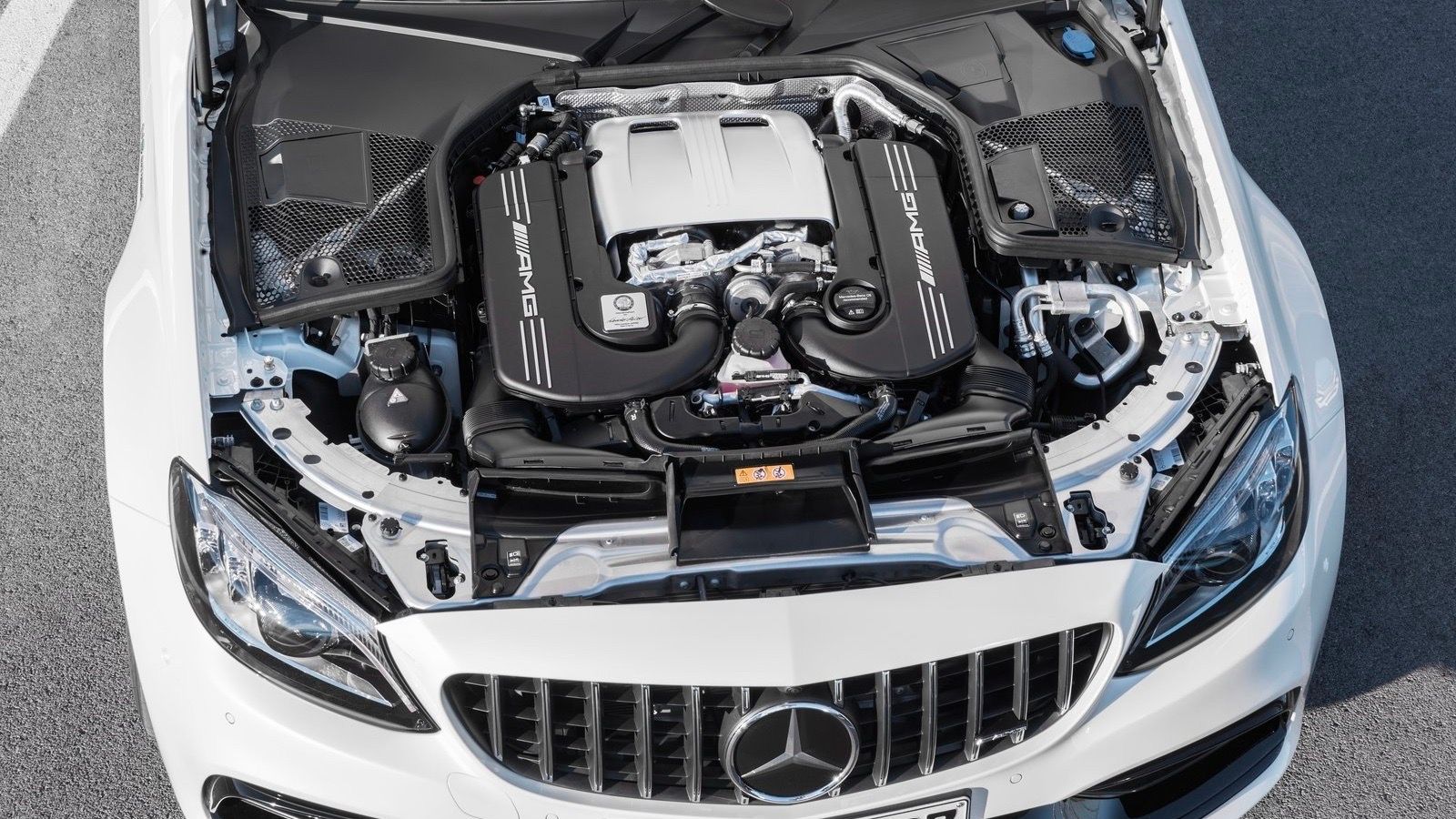
For example, in the US, the maintenance cost for a Porsche Panamera is approximately $22,000 over 10 years, while for the same period, a Toyota Corolla would only cost around $6,000.
A Mercedes-Benz owner in Hanoi said that in Vietnam, the lowest cost for official maintenance, such as engine oil changes or oil filter replacements, is around 2 million VND. For a more common brand like Toyota, the cost is only between 500,000 and 1 million VND.
Many owners of this car model have complained numerous times after taking their vehicles for maintenance and being quoted repair costs of tens of millions, or even hundreds of millions of VND.
More depreciation
Luxury cars typically depreciate more because demand for them is low in the used car market. An average consumer would choose a new Toyota Camry over a used Mercedes of the same price range. Those intending to buy a luxury car also usually opt for a new one.
On the other hand, high maintenance costs also make buyers of used luxury cars more hesitant to choose them.
According to several used car websites in Vietnam, a 2020 Toyota Camry 2.5Q is currently priced between 950-980 million VND, a decrease of approximately 23% compared to the new price of 1.235 billion VND.
While the 2020 Mercedes-Benz C 180 model, originally priced at 1.399 billion VND, is currently being offered for sale at around 910-950 million VND, representing a depreciation of over 32%.
Getting more attention
Luxury cars like Rolls-Royce, Bentley, or Maybach always attract attention whenever they appear on the road. This can be something many luxury car owners enjoy, but not all, especially in the event of a collision or accident.
"They drink gasoline like water."
Many luxury car manufacturers have begun electrifying their product lines to protect the environment and save fuel; however, there are still quite a few models equipped with large-displacement internal combustion engines that consume fuel excessively.
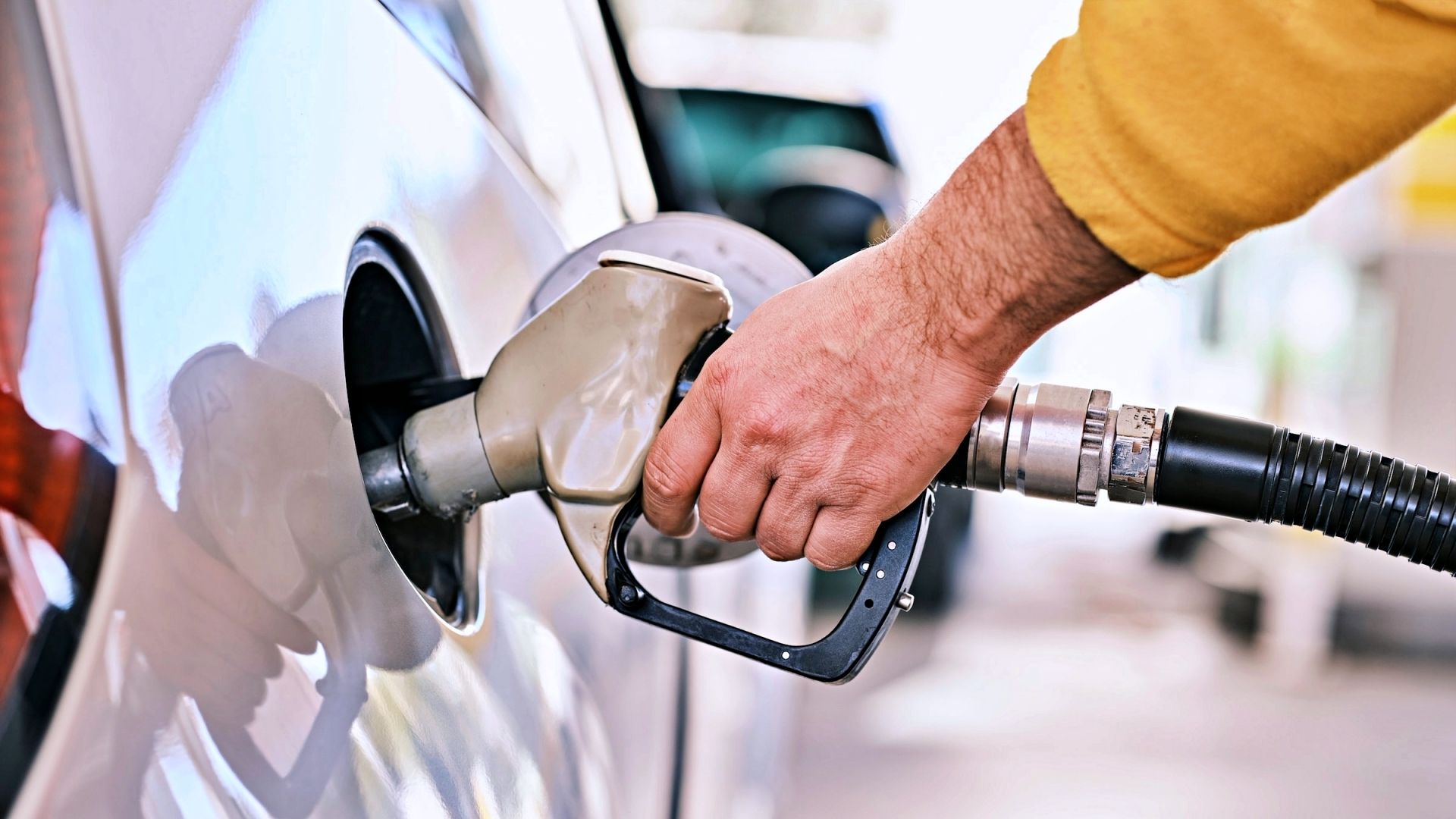
For example, the Rolls-Royce Phantom, with its twin-turbo V12 engine, consumes nearly 17 liters of gasoline per 100km, while the Bentley Flying Spur, with its twin-turbo W12 engine, has a combined fuel consumption of nearly 16 liters/100km.
High insurance costs
Luxury cars typically have higher insurance costs than regular cars due to their higher purchase price, and repair and replacement parts costs are also more expensive.
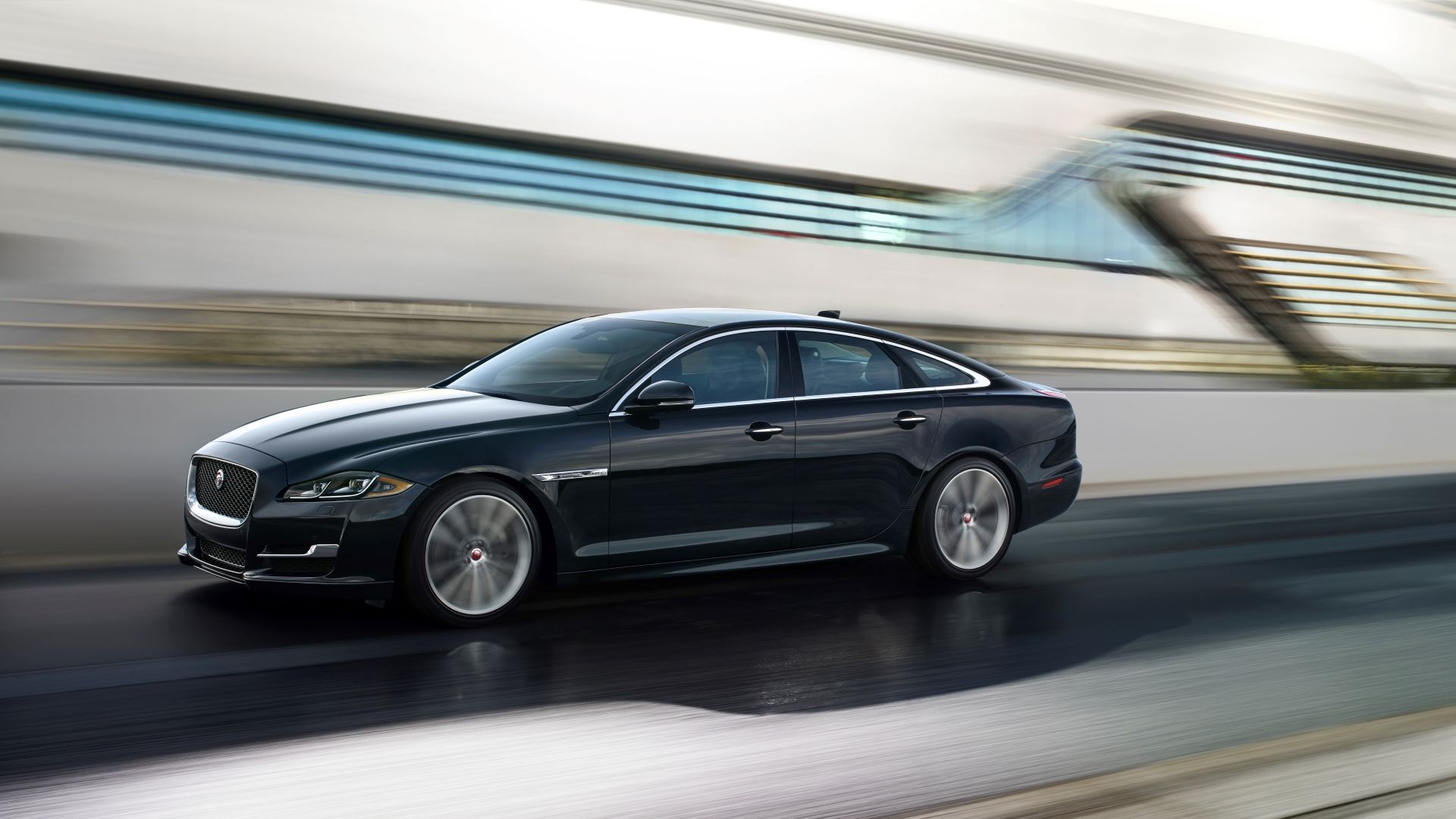
In Vietnam, the typical insurance premium ranges from 1-3% of the vehicle's value at the time of purchase. For luxury cars imported privately and without an official dealership presence, the insurance premium may be even higher.
A tempting target in the eyes of thieves.
With the prices of spare parts and components being significantly higher than those for regular cars, luxury vehicles also become an attractive target for thieves.
For example, a pair of genuine Toyota Camry rearview mirrors costs around 6 million VND in Vietnam, excluding installation fees, while a 2023 Mercedes-Benz C-Class can cost nearly 70 million VND if purchased separately.
Many safety technologies can be drawbacks.
Luxury cars are often equipped with a range of advanced safety and driver assistance systems, making them among the safest vehicles on the road. However, according to the AAA Foundation for Road Safety, this also poses potential risks.
Specifically, the US-based organization surveyed and found that as drivers increasingly rely on safety and driver assistance technologies, they are also more likely to become distracted and engage in other activities while driving, leading to an increased risk of accidents.
Source: https://xe.baogiaothong.vn/nhung-cam-bay-khi-so-huu-xe-sang-192240307160128884.htm
































![[Video] The craft of making Dong Ho folk paintings has been inscribed by UNESCO on the List of Crafts in Need of Urgent Safeguarding.](https://vphoto.vietnam.vn/thumb/402x226/vietnam/resource/IMAGE/2025/12/10/1765350246533_tranh-dong-ho-734-jpg.webp)
































































Comment (0)